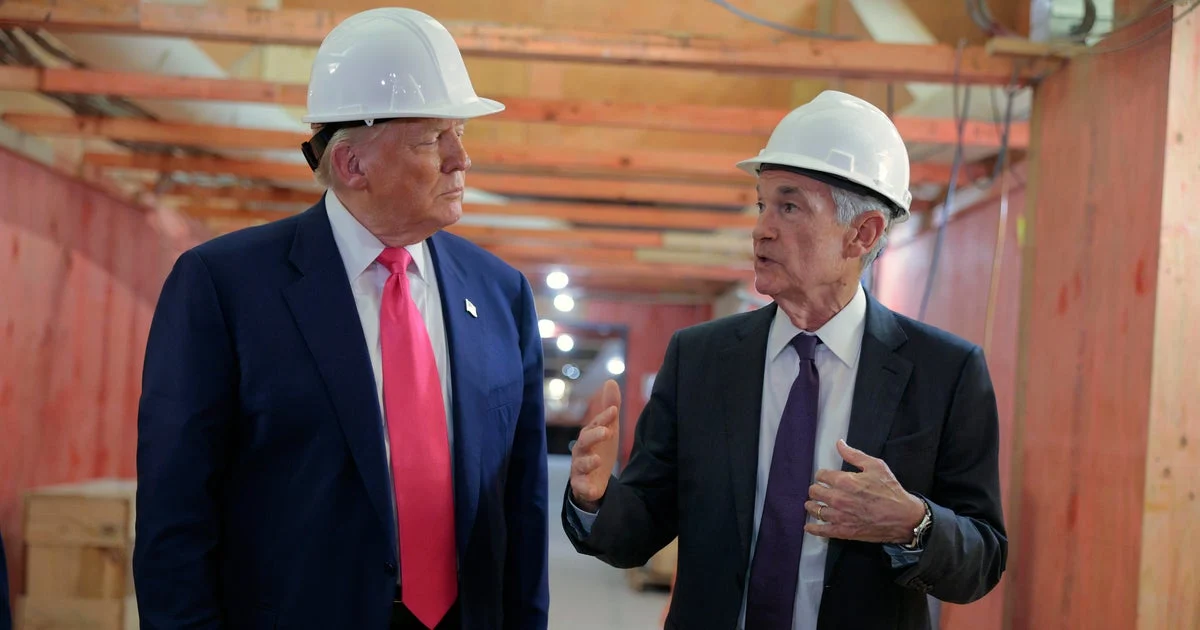
WASHINGTON — The multi-billion-dollar renovation of the Federal Reserve’s headquarters in Washington, D.C., which has faced intense political scrutiny and presidential condemnation, did not violate federal criminal law, according to a comprehensive 121-page report released Wednesday by the central bank’s Office of Inspector General. The federal watchdog concluded that while widespread flaws in project management and a failure to implement adequate cost controls dramatically inflated expenses—pushing the projected price tag from an initial $1.9 billion to nearly $2.5 billion—there was no evidence of administrative misconduct or criminal activity requiring a referral to the U.S. Department of Justice.
The findings mark a significant conclusion to an internal investigation that began in July 2025 at the explicit request of then-Federal Reserve Chairman Jerome Powell. The probe also evaluated whether features criticized by the White House as "ostentatious" or noncompliant with approved designs contributed to the massive financial overruns. Inspector General Michael Horowitz determined that high-end amenities, including premium marble finishes, a rooftop terrace garden, skylights, and a private elevator for the Fed chair, did not materially drive the surging costs. Instead, investigators pointed to a systematic breakdown in oversight, a failure to establish guaranteed maximum pricing early in the process, and an inability to properly manage large-scale construction contracts.
The release of the inspector general’s report brings fresh context to a turbulent period in central bank history, characterized by intense public clashes between the executive branch and monetary policymakers over interest rate policy, construction spending, and institutional independence.
Background and Chronology of the Renovation Project
The comprehensive modernization effort focuses on the historic Marriner S. Eccles Federal Reserve Board Building and the adjacent Fed East Building in Washington, D.C. Initially authorized in 2017, the capital improvement project was designed to address critical infrastructural needs, modernize outdated electrical and mechanical systems, remediate hazardous materials such as asbestos, and bring the facilities up to modern safety and environmental standards.
When planning began, the estimated cost of overhauling the two massive structures was placed at $1.9 billion. However, as work progressed over the years, the budget expanded significantly. By 2025, the estimated completion cost approached $2.5 billion, with a scheduled completion date set for 2027.
The project first drew sharp public criticism from the White House in mid-2025. Office of Management and Budget Director Russell Vought sent a letter to Powell in July 2025 sharply criticizing architectural plans that featured luxury elements. President Trump subsequently labeled the renovation a "very luxurious situation" and publicly denounced the spending as "disgraceful."
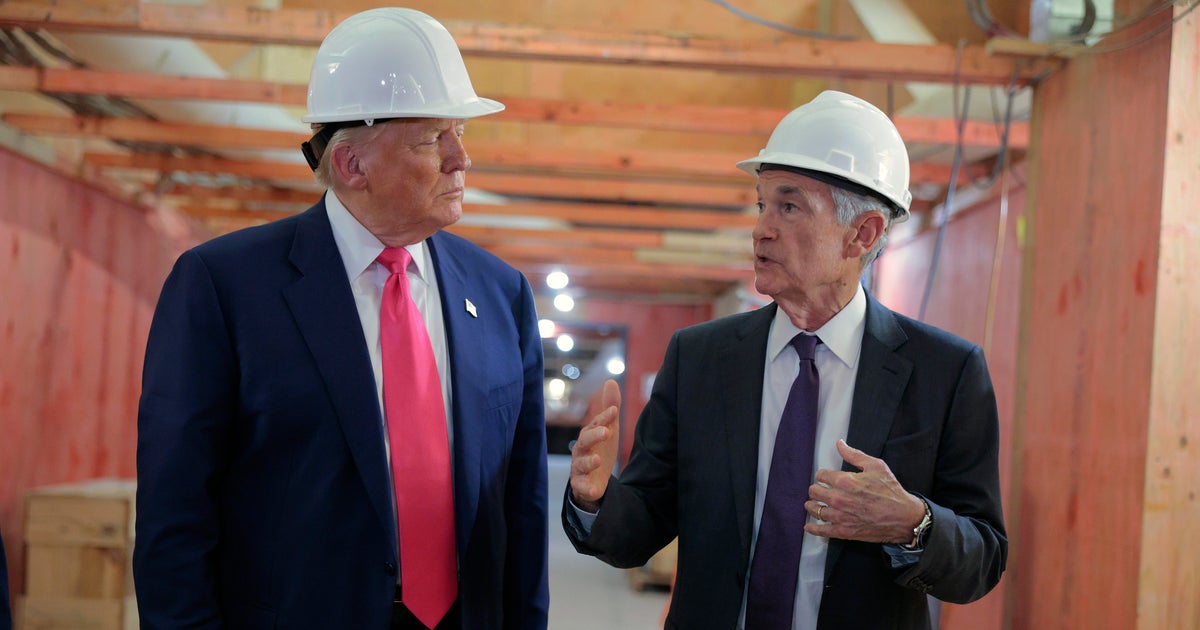
The political friction surrounding the building project quickly intertwined with monetary policy disputes. As the Federal Reserve maintained elevated interest rates to combat stubborn inflation, President Trump frequently voiced his frustration, publicly pressuring Powell to aggressively slash borrowing costs. Amid this high-stakes backdrop, the construction project transformed from a routine administrative undertaking into a major political flashpoint.
Criminal Subpoenas and Judicial Intervention
The tension reached a boiling point in January 2026, when Powell revealed in a public video message that the Federal Reserve had been served with grand jury subpoenas as part of an active criminal investigation led by the U.S. Attorney’s Office for the District of Columbia. Headed by U.S. Attorney Jeanine Pirro, the federal probe threatened criminal indictments related to Powell’s testimony before the Senate Banking Committee in June 2025 concerning the multi-year renovation timeline and budgeting.
The criminal inquiry followed public accusations from officials like Bill Pulte, head of the Federal Housing Finance Agency, who urged Congress to investigate Powell, alleging without direct evidence that the Fed chair had been "deceptive" regarding the project’s true costs.
The legal confrontation escalated further when President Trump nominated Kevin Warsh to succeed Powell as Fed chair. The nomination encountered a formidable political roadblock in the Senate when Republican Senator Thom Tillis of North Carolina announced he would withhold his vote from any nominee until the Justice Department dropped what he and legal experts characterized as a politically motivated probe.
The legal standoff was ultimately resolved in April 2026, when U.S. District Court Judge in Washington, D.C., quashed the subpoenas issued by Pirro’s office. The court found that the criminal subpoenas were utilized as a pretextual tool to pressure Powell into lowering interest rates or stepping down from his post. Shortly thereafter, Pirro announced the formal conclusion of the criminal investigation, effectively clearing the path for Warsh’s nomination process to proceed. Upon closing the inquiry, Pirro noted that she anticipated reviewing the inspector general’s final audit to resolve lingering questions regarding the project’s expenditures. Following the release of the Wednesday report, Pirro’s office confirmed it is reviewing the findings, though no decision has been announced regarding a potential reopening of the case.
Inspector General Findings: Management Failures and Cost Drivers
While clearing leadership of criminal wrongdoing, Horowitz’s report delivered a blunt assessment of administrative shortcomings within the central bank’s operational hierarchy. The evaluation identified four primary factors that allowed project costs to spiral out of control:
- Absence of Guaranteed Maximum Pricing: The Federal Reserve’s Board of Governors failed to secure a guaranteed maximum price from its general contractor at the project’s inception. Remarkably, this safeguard was omitted even four years into construction, by which point nearly all construction awards had already been distributed.
- Deficient Internal Governance: Investigators found that the central bank’s internal project governance structure was fundamentally "insufficient" to oversee a multibillion-dollar capital project of this magnitude and complexity.
- Lack of Cost Estimates and Thresholds: The Fed failed to obtain comprehensive independent construction cost estimates from its general contractor upfront and neglected to enforce a strict, clearly communicated cost limitation framework.
- Unsubstantiated Inflation Explanations: Throughout interviews, senior Fed officials repeatedly blamed broad economic inflation for the massive budget increases. While the inspector general acknowledged that "inflation was clearly a factor," the report concluded that the actual cost overruns far outpaced general construction inflation indices. When asked to provide empirical analysis detailing how inflation specifically impacted the project, the Board failed to produce supporting documentation, offering instead commentary from senior economists warning that broad indices like the Producer Price Index can be misleading when applied to unique historic renovations.
Corrective Actions and Institutional Reforms
In response to the mounting criticisms and the findings of the internal watchdog, the leadership structure overseeing the capital project has undergone significant restructuring.
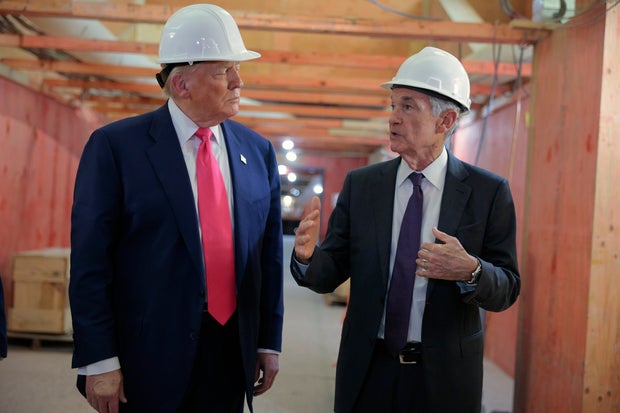
Kevin Warsh, who received an advanced copy of the report, detailed corrective measures in a letter to Inspector General Horowitz. Warsh confirmed that the Federal Reserve has retained the General Services Administration (GSA)—the federal agency responsible for managing government buildings and property—to provide expert advisory oversight. The GSA will report directly to Warsh and the Board of Governors to ensure rigorous project management moving forward.
Furthermore, Warsh announced that the Board will initiate a comprehensive, independent audit of all construction expenditures. The objective of this audit is to appraise the exact value of services rendered, identify any paid-for work that was unperformed or deficient, and aggressively pursue legal remedies, reimbursements, or financial credits from contractors.
The central bank has otherwise declined to offer additional comments beyond the commitments outlined in Warsh’s correspondence.
Broader Implications for Central Bank Independence
The conclusion of the inspector general’s investigation and the winding down of related legal battles mark a critical chapter in modern U.S. economic governance. Analysts note that the episode highlights the delicate balance between public accountability for federal expenditures and the vital institutional independence of the central bank.
While the report validates criticisms regarding administrative missteps, inefficient project management, and inadequate cost controls at the Federal Reserve, it simultaneously insulates monetary policy decision-making from external political pressures. As the Fed works to finalize the Eccles building renovations by 2027 under new leadership and stricter GSA supervision, the institutional lessons learned from the billion-dollar overruns are expected to reshape federal capital project governance for years to come.