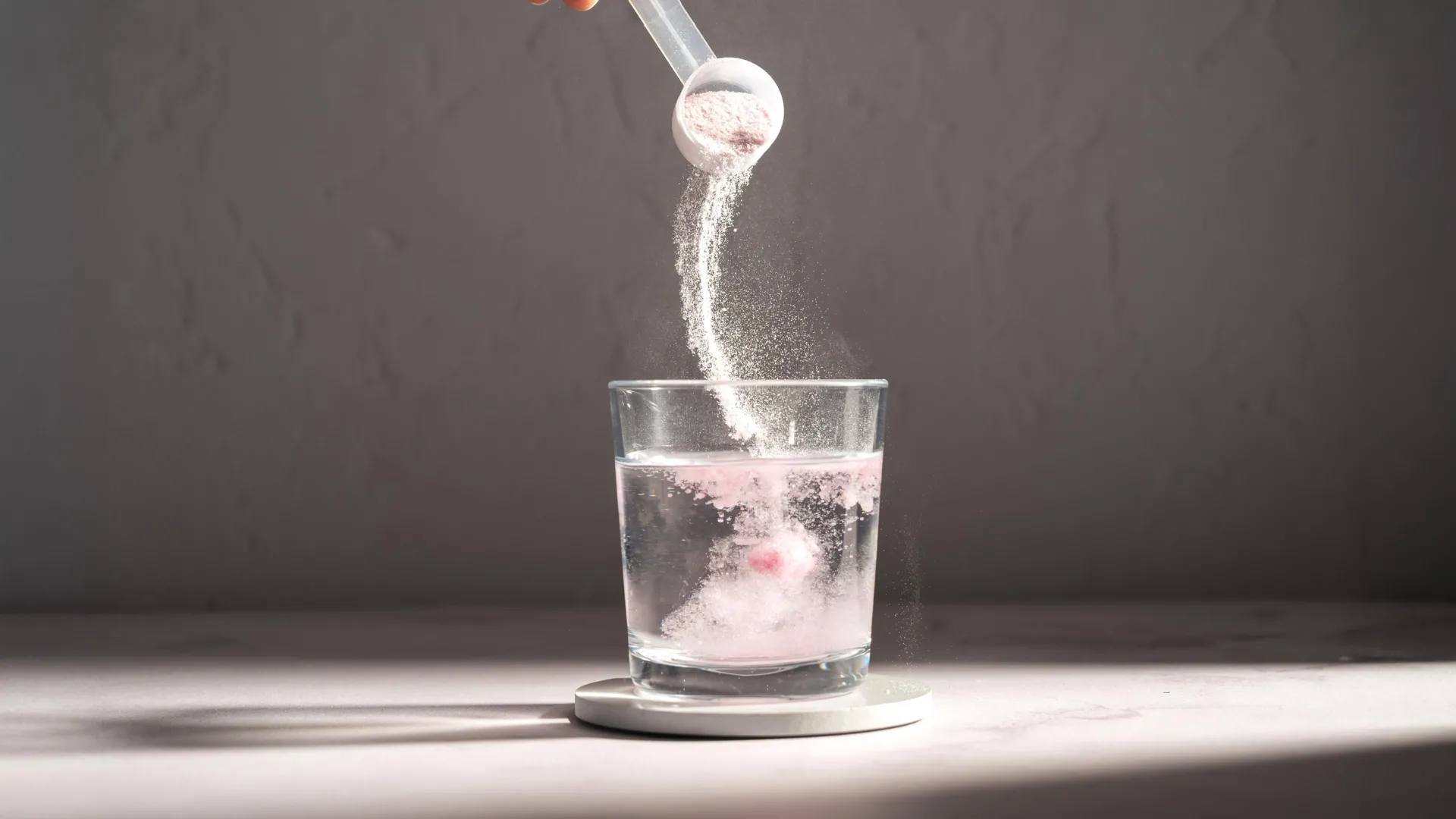
The landscape of nutritional science is undergoing a quiet revolution regarding how society perceives aging, physical decline, and cellular nutrition. While creatine has spent decades reigning as the undisputed titan of sports nutrition—prized by bodybuilders, sprinters, and elite athletes for its capacity to drive explosive power and muscle hypertrophy—a growing body of clinical research suggests its utility extends far beyond the confines of the weight room. A landmark 12-week study conducted by researchers at Texas A&M University indicates that creatine supplementation may offer profound, tangible benefits for middle-aged adults, serving as a powerful metabolic and muscular ally during a critical window of the human lifespan.
Published in the esteemed Journal of the International Society of Sports Nutrition, the study highlights that adults between the ages of 45 and 65 who incorporated daily creatine supplementation into their routines increased both their lean tissue mass and overall physical strength. Remarkably, these gains materialized even among participants who did not engage in a structured exercise regimen. For those who combined the supplement with a systematic physical training program, the results were even more pronounced, showcasing a synergistic effect that could redefine how clinicians and fitness professionals approach sarcopenia prevention—the age-related loss of muscle mass and function.
The research was spearheaded by Dr. Richard Kreider, a professor and director of the Exercise and Sport Nutrition Lab at Texas A&M University. Kreider, a globally recognized authority on the compound, has dedicated more than thirty years to studying the physiological impacts of creatine. His extensive body of work has consistently demonstrated that this naturally occurring compound, which plays a pivotal role in cellular energy restoration, holds immense promise for health optimization across the entire human lifespan.
Main Facts and Clinical Methodology
To understand the weight of these findings, one must examine the rigorous design of the Texas A&M study. The investigation enrolled 64 healthy adult participants aged 45 to 65 who successfully completed the full 12-week intervention protocol. The study structure was designed to mirror real-world behavioral patterns, allowing participants to self-select whether they wanted to participate in a structured exercise and diet-induced weight-loss program or remain part of a non-exercise cohort.
Within these broader cohorts, participants were double-blindly and randomly assigned to consume either a daily dose of 10 grams of high-purity creatine monohydrate or an identical placebo. The decision to utilize a 10-gram daily dose is particularly notable, as standard athletic protocols often rely on a loading phase followed by a 3-to-5-gram maintenance dose. By utilizing a higher daily threshold over a sustained 12-week period, the research team sought to evaluate how elevated systemic availability of creatine influences aging muscle tissue under varying physical activity loads.
The non-exercise group provided a critical baseline for researchers to isolate the independent effects of creatine. Among these sedentary participants, those taking creatine gained an average of approximately 2.4 pounds of lean tissue over the 12-week observation window. Furthermore, these individuals demonstrated measurable increases in functional strength, specifically noted in standard compound movements such as the leg press and bench press.
Conversely, participants who entered the exercise arm of the study engaged in a combined resistance and aerobic training regimen three times per week. Those within this active group who were supplemented with creatine experienced superior gains in leg press strength, bench press strength, and muscular endurance, quantified by an extended time to exhaustion. Interestingly, creatine supplementation did not confer additional improvements in aerobic capacity beyond the gains achieved by exercise alone, reinforcing the physiological consensus that creatine’s primary mechanism of action centers on anaerobic pathways, muscular strength, and cellular bioenergetics rather than cardiovascular endurance.
A Chronological Perspective: Thirty Years of Creatine Evolution
To fully appreciate the significance of the Texas A&M findings, it is essential to trace the historical trajectory of creatine research. Discovered in 1832 by the French chemist Michel Eugène Chevreul, who isolated it from skeletal muscle, creatine was initially identified as a routine constituent of meat broth. By the turn of the 20th century, scientists established that consuming creatine significantly increased the storage of the substance within muscular tissues.
However, it was not until the 1990s—following the 1992 Barcelona Olympic Games, where several elite British track athletes openly attributed their peak performances to creatine supplementation—that the compound entered the mainstream commercial consciousness. In the early decades of commercial availability, the supplement faced intense public skepticism, with critics raising concerns regarding renal safety, gastrointestinal distress, and long-term physiological side effects.
Dr. Richard Kreider and his contemporaries stood at the vanguard of the scientific movement tasked with separating empirical fact from anecdotal hyperbole. Throughout the late 1990s and 2000s, Kreider’s laboratory published dozens of landmark peer-reviewed papers establishing the safety profile, pharmacokinetic properties, and ergogenic efficacy of creatine monohydrate. These early studies largely focused on young, healthy, athletic populations, establishing that creatine rapidly resynthesizes adenosine triphosphate (ATP)—the primary energy currency of the cell—during high-intensity, short-duration bouts of physical exertion.
As the sports science community matured in the 2010s, researchers shifted their focus toward non-athletic applications. Investigators began exploring how creatine might mitigate muscle wasting in clinical populations, support neurological health, and alleviate symptoms associated with metabolic disorders. The 2025 study from Texas A&M represents the logical evolution of this three-decade arc, shifting the clinical gaze away from the twenty-something elite athlete and toward the forty-to-sixty-five-year-old demographic navigating the complex physiological shifts of middle age.
Navigating Body Composition: Building Muscle While Losing Fat
One of the most clinically relevant findings of the Texas A&M study addresses a persistent metabolic paradox: how to successfully reduce body fat through a caloric deficit without simultaneously catabolizing hard-earned lean muscle tissue.
As individuals enter their late forties and fifties, basal metabolic rates naturally decline, and hormonal shifts can make fat loss more challenging. Traditional weight-loss interventions—particularly those relying strictly on caloric restriction and aerobic exercise—frequently result in a loss of both fat mass and lean tissue. This unintended muscle loss can further depress metabolic rate and impair functional independence in later decades.
In the Texas A&M trial, participants in the exercise cohort adhered to a diet designed to induce a modest, controlled caloric deficit. At the conclusion of the 12-week intervention, participants taking creatine had successfully added nearly three pounds of lean tissue while simultaneously shedding body fat mass. By contrast, individuals who followed the identical exercise and diet protocol while consuming the placebo demonstrated negligible changes in lean tissue mass.
Furthermore, the creatine group achieved a significantly greater reduction in overall body fat percentage. According to the research team, this investigation represents the first empirical documentation that integrating creatine monohydrate into a structured exercise and diet-induced weight-loss regimen can drive superior body fat percentage reductions compared to diet and exercise alone. This dual action—simultaneous muscle accretion and fat reduction—holds transformative potential for nutritional interventions targeting metabolic syndrome, obesity, and age-related body composition deterioration.
The Physiology of Aging and the Rationale for Supplementation
As human beings age, the biological machinery responsible for maintaining muscle mass undergoes progressive alteration. Sarcopenia typically begins to manifest subtly around the fourth decade of life, characterized by a gradual annual loss of muscle mass and functional strength. Left unchecked, this decline can culminate in frailty, metabolic dysfunction, and an increased risk of falls and systemic injuries in older adulthood.
Creatine acts fundamentally at the cellular level by expanding the intracellular pool of phosphocreatine. This reserve acts as a rapid-response energy buffer, instantly donating a phosphate molecule to adenosine diphosphate (ADP) to regenerate ATP during periods of high cellular demand. Beyond its bioenergetic role, emerging research suggests that creatine signaling may influence cellular hydration, upregulate pathways associated with protein synthesis, and mitigate systemic inflammation and oxidative stress within muscular tissue.
Despite its endogenous production—the human liver, kidneys, and pancreas synthesize roughly one to two grams of creatine per day—and its presence in dietary sources such as red meat and wild-caught fish, endogenous synthesis and normal dietary intake are frequently insufficient to saturate tissue stores. Dr. Kreider has frequently underscored the practical limitations of attempting to achieve therapeutic or performance-enhancing levels of creatine solely through whole foods.
To reach a daily intake equivalent to the 10-gram dose utilized in the Texas A&M study, an individual would need to consume approximately five to ten pounds of raw meat or fish daily. Aside from the astronomical financial cost, such a dietary approach would introduce excessive saturated fats, high caloric loads, and potential environmental contaminants, rendering whole-food hyper-supplementation entirely impractical. Consequently, pharmaceutical-grade creatine monohydrate powder emerges as an exceptionally cost-effective, highly bioavailable, and practical alternative.
Safety Profile and Regulatory Scrutiny
Few nutritional supplements have undergone the rigorous, multi-decade safety scrutiny that defines creatine monohydrate. Throughout its commercial history, persistent misconceptions regarding renal impairment, dehydration, and cramping have occasionally surfaced in mainstream media. However, an overwhelming consensus of peer-reviewed clinical literature has consistently refuted these claims when creatine is consumed at recommended dosages.
Reinforcing this safety record, a comprehensive 2025 analysis conducted by Dr. Kreider and his research colleagues examined 685 distinct clinical trials evaluating creatine supplementation. The meta-analysis found no statistically significant differences in reported side-effect rates between human subjects ingesting creatine and those receiving inactive placebos. The compound’s safety profile spans diverse populations, including pediatric athletes, healthy adults, elderly cohorts, and clinical patients suffering from various neuromuscular conditions.
The financial backing of the Texas A&M study by the WoodNext Foundation, operating through the Texas A&M Foundation, reflects a growing philanthropic and academic commitment to preventive health strategies. As healthcare systems globally face mounting economic pressures driven by aging populations, interventions that preserve functional independence, enhance metabolic health, and prevent age-related muscle wasting are increasingly prioritized by funding institutions.
Broader Impact, Public Health Implications, and Future Directions
The implications of the Texas A&M findings extend far beyond individual fitness routines, offering a compelling paradigm shift for public health policy and clinical gerontology. If simple, inexpensive, and exceptionally safe nutritional compounds like creatine can meaningfully preserve lean tissue and support strength preservation in middle-aged populations—even in the absence of intensive athletic training—the potential to mitigate the societal and economic burdens of age-related frailty is immense.
Public health officials have long advocated for resistance training and balanced nutrition as the primary bulwarks against physical decline. Yet, adherence rates to structured exercise programs among middle-aged and older adults remain persistently low, hindered by time constraints, physical discomfort, and psychological barriers. The observation that creatine supplementation alone yielded measurable increases in lean tissue and strength among non-exercising participants opens new avenues for therapeutic intervention. While exercise remains the gold standard for comprehensive health, creatine may serve as a vital biochemical bridge, helping to maintain muscular integrity for individuals who are temporarily sedentary due to injury, illness, or lifestyle limitations.
Looking forward, the scientific community is already charting the next frontier of creatine research. Investigators are actively examining its neuroprotective properties, exploring whether cellular energy optimization can support cognitive function, mitigate neurodegenerative processes, and enhance recovery from traumatic brain injuries or concussions. Furthermore, ongoing trials are investigating optimal dosing strategies for specific demographic sub-groups, including post-menopausal women, who experience accelerated bone mineral density and muscle mass loss due to hormonal shifts.
As peer-reviewed data continues to accumulate, the historical perception of creatine is undergoing a permanent transformation. No longer viewed strictly as an esoteric secret of bodybuilders and professional athletes, creatine is rapidly earning recognition as a fundamental pillar of preventative nutritional science. By supporting cellular bioenergetics, combating sarcopenia, and working synergistically with diet and exercise to optimize body composition, creatine stands out as one of the most thoroughly validated and versatile nutritional tools available for human health and longevity.