With control of the United States Congress hanging precariously in the balance, the political landscape is experiencing a high-stakes convergence of legislative battles, pre-election legal maneuvers by the Department of Justice, and pressing questions regarding the corporate and technological influence of billionaire Elon Musk. As the final days wind down before the upcoming midterm elections, both major political parties are making aggressive closing arguments in battleground states across the country, turning a non-presidential election year into a referendum on the administration of President Donald Trump.
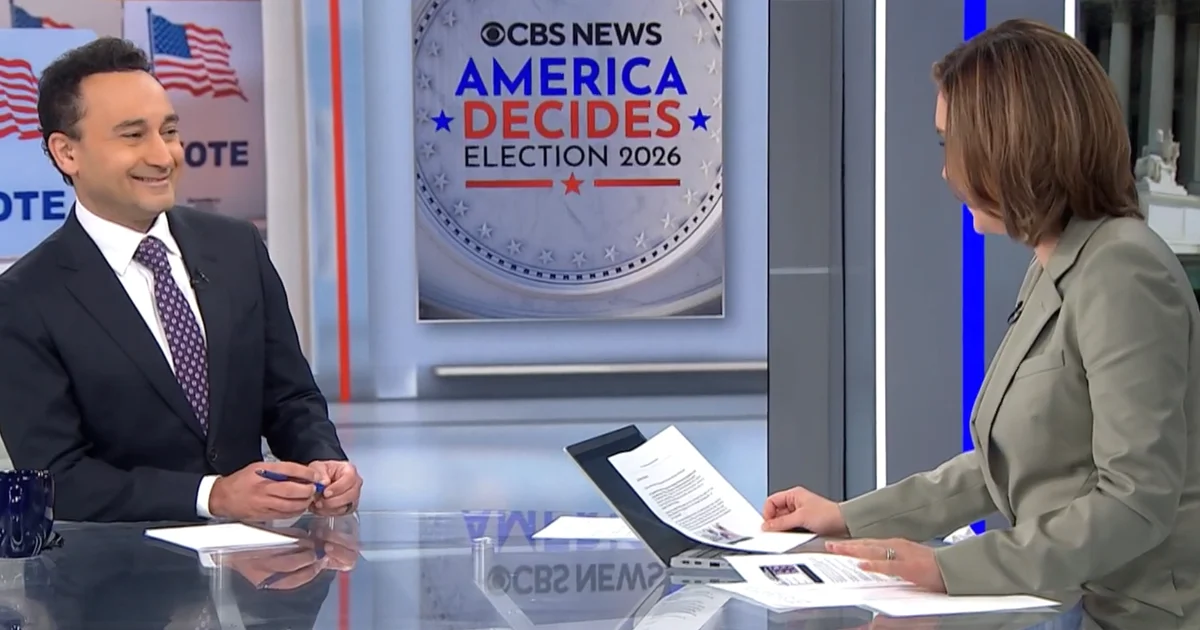
Recent polling from the CBS News Battleground Tracker indicates that Democrats are currently positioned on a narrow path toward capturing a majority in the House of Representatives, estimated at roughly 229 seats, while control of the U.S. Senate remains a statistical toss-up. Despite neither President Donald Trump nor former President Barack Obama appearing on the ballot, both figures have taken to the campaign trail to rally their respective bases. President Trump has framed the midterms as a vital battle to crush radical left policies and secure Republican control of both legislative chambers, while former President Obama has urged voters to view the ballot box as a necessary circuit breaker against current administrative trajectories.
Department of Justice Interventions Spark Bipartisan Debate
Beyond the traditional campaign trail, federal actions taken by the Department of Justice have ignited intense controversy in the closing weeks of the election cycle. U.S. Attorney General Todd Blanche addressed the administration’s recent legal challenges, specifically defending the Justice Department’s preemptive lawsuit in Alaska. The legal action seeks to address potential voter confusion stemming from the presence of a second candidate named Dan Sullivan on the ballot alongside the incumbent Republican senator.
While the Alaska Supreme Court upheld lower court rulings regarding the state-administered ranked-choice voting system and dismissed claims of bad faith, the federal lawsuit asks the courts to establish guardrails to ensure ballots are preserved for accurate determination if voter confusion occurs. Attorney General Blanche defended the department’s intervention as a necessary defense of federal law, declining to comment directly on specific communications with the President despite public statements from the White House regarding the origin of the directive.
Simultaneously, the DOJ has faced scrutiny over other enforcement actions, including investigations into former administrative advisors and warnings sent to election officials regarding mail-in ballot lists in states like California. Critics and lawmakers from both sides of the aisle have questioned the timing of these legal challenges, arguing that preemptive litigation shortly before an election risks undermining public trust in the electoral process.
Congressional Powers and the Focus on Government Corruption
As economic pressures and public anxiety over inflation remain primary motivators for the American electorate, issues of government integrity and institutional corruption have taken center stage. CBS polling reveals that an overwhelming 83 percent of voters view corruption as a critical factor in their voting decisions, presenting a significant communications hurdle for the incumbent Republican party.
Democratic lawmakers, including Representative Jason Crow of Colorado, have emphasized that a potential Democratic majority would focus heavily on accountability, middle-class economic relief, and reversing controversial tax and spending measures that critics argue threaten vital safety nets like Medicaid. Meanwhile, outgoing Republican Senator Thom Tillis of North Carolina acknowledged the political damage caused by ethical gray areas within the political establishment, stressing the need for stricter adherence to transparency and institutional integrity to restore public confidence.
The Geopolitical and Security Implications of Private Technology Monopolies
Beyond domestic electoral politics, lawmakers are grappling with unprecedented national security dilemmas involving private technology infrastructure. Recent disclosures surrounding SpaceX satellite communications in Ukraine have reignited fierce debates regarding the outsized influence of unelected tech executives over global military operations and geopolitical strategy.
Following admissions that satellite access was temporarily throttled during critical defensive maneuvers, members of Congress from both parties have expressed deep concern over a single corporate entity holding unilateral power over infrastructure vital to U.S. allies and military personnel. Lawmakers on the Intelligence and Armed Services committees have demanded greater transparency and formal legislative guardrails to prevent private actors from dictating critical national security outcomes.
With voting day rapidly approaching, the convergence of contentious federal lawsuits, economic anxieties, and emerging questions about technological governance underscores the volatile and highly consequential nature of the current political cycle. Both parties continue their final push to convince an electorate deeply polarized by competing visions for the future of American democracy.