The protracted regional conflict involving the United States, Iran, and an expanding network of allied militant groups has entered a critical new phase, characterized by severe economic fallout, intensifying maritime disruptions, and high-stakes diplomatic maneuvers. As oil prices surge to multi-month highs, disrupting global financial markets and putting heavy pressure on Western economies, leadership in Tehran, Washington, and regional capitals are recalibrating their strategies. From renewed domestic economic hardships in Iran and clandestine leadership alignments to surging Houthi-led assaults on critical infrastructure in Saudi Arabia and the United Arab Emirates, the geopolitical landscape across the Middle East remains volatile, unpredictable, and perched on the precipice of further escalation.
Leadership Continuity and Legal Demands in Tehran
In Tehran, the political apparatus continues to navigate the profound shockwaves of the conflict’s opening days. Ayatollah Mojtaba Khamenei, who has remained entirely out of public view since the beginning of hostilities following a devastating strike on the presidential palace that claimed the lives of his father, the late Ayatollah Ali Khamenei, along with several immediate family members, has reasserted his influence behind closed doors. In a recent high-level strategy session, Mojtaba Khamenei met with the head of Iran’s judiciary, Hujjat al-Islam Mohseni Ejei, to address domestic stability and legal strategies moving forward.
According to an official readout published on social media, the discussions centered heavily on the regime’s long-term diplomatic and legal demands, explicitly noting Tehran’s firm commitment to pursuing substantial financial and moral compensation from the United States and Israel for damages incurred during the war. This demand echoes historical precedents where Iranian officials conditioned peace frameworks on massive Western-funded reconstruction packages—propositions that have historically been summarily dismissed by Washington. Furthermore, the closed-door discussions touched upon leveraging advanced technologies to reinforce national infrastructure, underscoring the regime’s defensive adaptations under sustained pressure.
Economic Strain and Domestic Dissent within Iran
The prolonged conflict and punishing sanctions regime have severely impacted the domestic population inside Iran. President Masoud Pezeshkian acknowledged the gravity of the situation in a televised address, admitting that a significant portion of Iranian society is struggling to secure basic food supplies under wartime conditions. Pezeshkian openly criticized the prevailing "state of neither war nor peace," urging his administration to find a viable path out of the ongoing strategic deadlock.
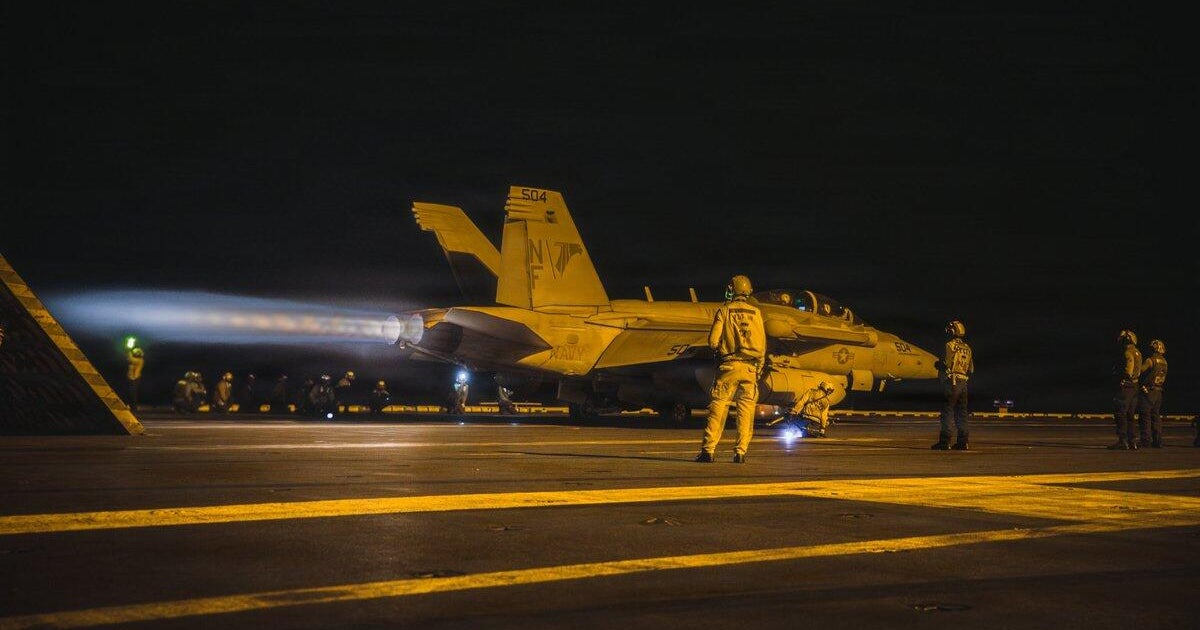
Despite these internal vulnerabilities, hardline elements within the military establishment maintain a defiant posture. Spokespeople for the Islamic Revolutionary Guard Corps (IRGC) have dismissed persistent threats of renewed U.S. military strikes as largely performative rhetoric designed for domestic and international media consumption. Senior military officials have cautioned that any renewed aggression from Washington would be met with an asymmetrical response several times greater than previous engagements, while concurrently vowing that U.S. naval assets would be permanently barred from entering the Persian Gulf under any conceivable circumstances.
Maritime Security Breakdown and Environmental Disasters in the Gulf
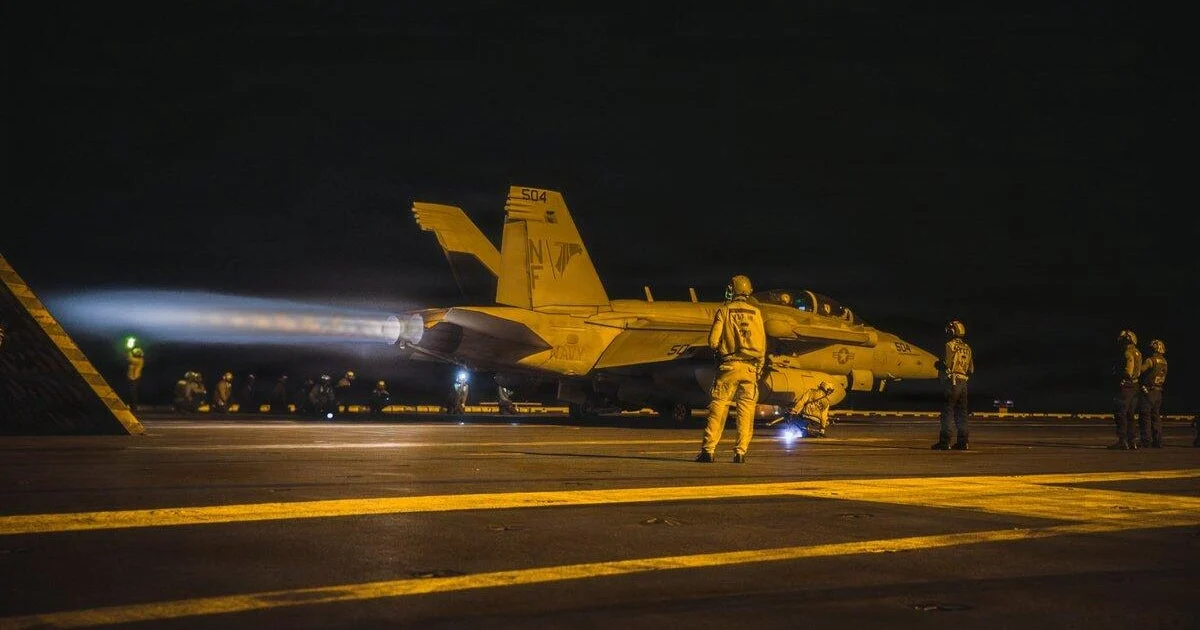
The geopolitical choke points of the Middle East have transformed into active zones of kinetic friction. The Strait of Hormuz and surrounding maritime corridors remain severely restricted, paralyzing a vital artery through which a significant percentage of global hydrocarbon supplies historically pass. While the United States and its regional allies have attempted to establish secure southern shipping lanes near the Omani coast, Iranian state media and IRGC-affiliated sources claim that transit for non-compliant commercial vessels has been entirely halted.
The friction at sea has spilled over into ecological and environmental crises. Authorities in the United Arab Emirates confirmed a major oil tanker spill affecting the beaches of Umm Al Quwain, forcing sweeping closures of coastal recreational areas and restricting fishing fleets. Independent maritime analysts and satellite imagery identified the source of the slick—covering an estimated 60 square miles—as the Panama-flagged tanker Gem No. 2, which sustained damage from an unidentified projectile weeks prior near Al Jazeera. The spill has triggered intense defensive reactions from Gulf states, underscoring the severe collateral hazards modern military friction poses to civilian and environmental security.
Simultaneously, Saudi Arabia has absorbed a sustained wave of aerial assaults orchestrated by Yemen’s Iran-backed Houthi movement. Following reported airstrikes within Yemen that resulted in civilian casualties, Houthi forces launched coordinated missile and drone attacks targeting strategic Saudi infrastructure, including the King Khalid International Airport in Riyadh, regional air bases in Dammam, Najran, and Khamis Mushait, as well as crucial energy installations. Saudi air defense systems intercepted multiple incoming projectiles over the western hubs of Yanbu and Taif, prompting temporary civil defense alerts and the postponement of major international events, such as the UN World Data Forum, as the kingdom grapples with persistent regional insecurity.
Diplomatic Impasse and International Interventions
Diplomatic efforts to de-escalate the conflict have yielded mixed results against a backdrop of entrenched military posturing. Earlier interim mediation efforts spearheaded by Pakistan and Qatar aimed to secure the reopening of the Strait of Hormuz in exchange for the lifting of the U.S. naval blockade and the initiation of broader nuclear negotiations. However, Iranian diplomats have accused Washington of undermining these diplomatic channels by insisting on the continuation of maritime blockades against Iranian commercial ports.
Amid this diplomatic chill, foreign ministers from key European powers—including Britain, France, Germany, and Italy—convened in Istanbul alongside regional counterparts from Turkey, Saudi Arabia, Pakistan, and Egypt. European delegates warned that any further escalation between Washington and Tehran would result in catastrophic outcomes for global hydrocarbon markets and energy security. Italian and French officials emphasized that the crisis cannot be resolved through purely military instruments, advocating instead for the immediate restoration of navigational freedoms and a return to structured multilateral diplomacy.
Meanwhile, bilateral relations between Iran and its strategic partners continue to solidify. Plans are underway for Iranian President Pezeshkian to travel to Moscow for high-level bilateral talks with Russian President Vladimir Putin, signaling a concerted effort by Tehran to fortify its diplomatic and economic alliances to cushion the blow of Western sanctions and military pressure.
Intelligence Warnings and Global Economic Repercussions
The operational tempo across the Middle East has prompted severe defensive posture adjustments within Western diplomatic missions. Director of National Intelligence Jay Clayton issued an unclassified advisory warning that Iranian state-backed actors have substantially intensified efforts to target U.S. personnel abroad, with targeted assassination and operational plots reaching advanced stages across the Middle East and select international territories. In response, the U.S. State Department updated travel advisories for fourteen regional nations and ordered the reduction of non-essential staffing at key embassies in Jordan, Lebanon, Qatar, and the United Arab Emirates, complementing earlier evacuation mandates issued for diplomatic personnel in Saudi Arabia.
These persistent geopolitical anxieties have inflicted immediate turbulence on global financial markets. On Wall Street, major equity indices drifted lower as international benchmark Brent crude surged past $117 per barrel—reaching its highest valuation since March. The dramatic appreciation in energy prices reflects growing investor apprehension regarding sustained supply chain bottlenecks, physical damage to Red Sea and Persian Gulf pipelines, and the looming prospect of a protracted military campaign. With U.S. leadership weighing potential military options against the backdrop of upcoming domestic midterms and Iranian officials bracing for prolonged economic resistance, the Middle East remains locked in a high-stakes struggle where the path to durable stability remains exceptionally narrow.