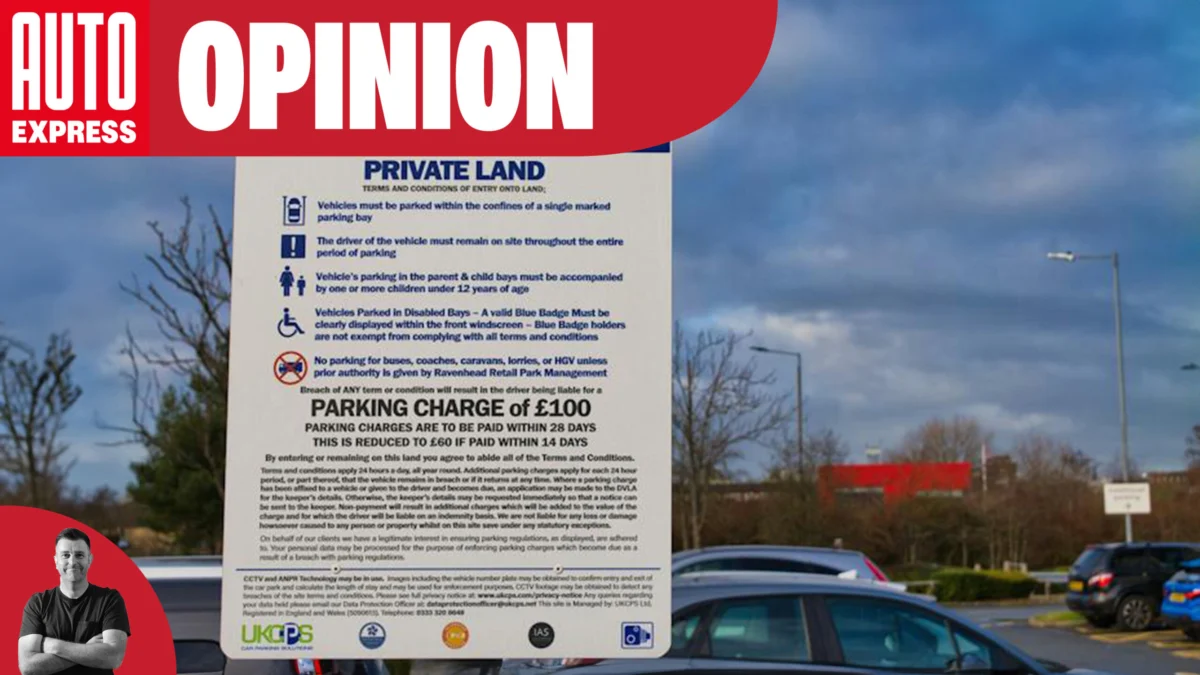
For decades, the experience of parking a car in the United Kingdom was a straightforward, transactional affair. A driver would locate a bay, deposit coins into a mechanical meter, and display a paper ticket on their dashboard. However, the modern parking landscape has shifted dramatically, transforming from a civic amenity into a highly automated, aggressive revenue-generation industry. As of October 2026, the intersection of private land ownership and sophisticated surveillance technology has created a climate where motorists are increasingly caught in a net of opaque rules, leading to a surge in disputed penalty charge notices (PCNs) and widespread consumer frustration.
The Evolution of the Parking Landscape
The transition began in earnest with the widespread adoption of Automatic Number Plate Recognition (ANPR) systems. These camera-based arrays, once reserved for high-security environments, are now the standard for private car parks, from supermarket retail sites to hospital grounds and residential developments. By removing the physical presence of parking attendants, operators have lowered their overheads while simultaneously increasing their enforcement reach.
This technological shift was accompanied by a move toward digital payment ecosystems. The reliance on mobile applications, QR codes, and web-based registration portals has introduced new friction points. A simple error—such as a typo in a registration plate entry, a failed mobile signal preventing payment, or confusion over overlapping parking zones—can now trigger an automatic, algorithmically generated fine.

Data from consumer advocacy groups suggests that the volume of private parking tickets issued annually has climbed into the millions. Unlike local authority-issued tickets, which are governed by strict statutory frameworks and established appeal routes, private parking companies have historically operated under a more permissive regime, often utilizing complex contracts and debt collection agencies to enforce their terms.
Chronology of Regulatory Intervention
The government’s decision to intervene follows years of mounting pressure from motoring organizations and parliamentary representatives. The timeline of this issue reflects a growing disconnect between private operators and public expectations:

- 2019–2021: Reports of "predatory" parking practices hit a peak, with high-profile cases of drivers being fined for minor infractions, such as stopping for seconds to check a phone or struggling with malfunctioning payment machines.
- Early 2022: The government initially signaled a crackdown, announcing a new Parking Code of Practice that included a cap on fine amounts.
- 2022–2025: The implementation of these reforms faced significant legal challenges from private parking operators, resulting in delays that left the sector in a state of regulatory limbo.
- October 2026: The government formally presented a revised, robust Parking Code of Practice in Parliament, signaling a definitive move toward standardized enforcement.
Key Provisions of the New Code
The new regulatory framework aims to restore a sense of proportionality to the industry. Central to these reforms is the introduction of a "grace period" and "cooling-off" provisions. Under the new guidelines, operators are required to allow for:
- Honest Mistakes: Fines must be waived if a driver can prove an inadvertent error, such as a mistyped registration number, provided the correct fee was paid.
- Emergency and Breakdown Provisions: Penalties will no longer be enforceable if a vehicle was stationary due to a medical emergency, a mechanical breakdown, or a failure of the payment infrastructure.
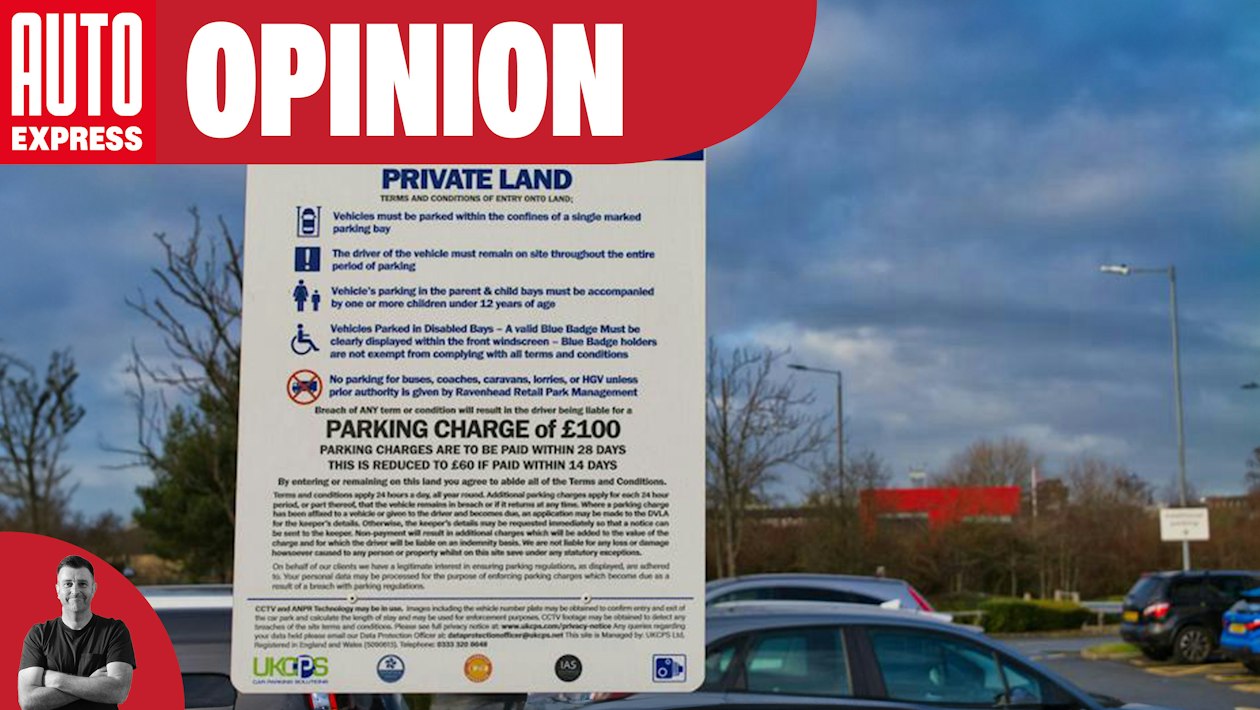
- Standardized Signage: Rules must be presented in clear, accessible language, removing the "small print" barriers that have previously allowed operators to obfuscate their terms and conditions.
- Appeal Mechanisms: An independent, accessible appeals service is to be established to mediate disputes, reducing the reliance on debt collectors as the primary mechanism for resolving disagreements.
Economic and Social Implications
The primary driver behind the aggressive enforcement culture has been the "profit-maximization" model. For many private landowners, the car park is no longer a facility intended to support their primary business; it is a source of secondary income. By outsourcing the management of these sites to third-party parking operators, landowners have effectively offloaded the risks and rewards of land use.
From an economic perspective, this has created a hostile environment for local high streets and retail parks. When consumers fear that a trip to the local shops may result in a £100 fine due to an app malfunction, they are statistically more likely to shift their spending to online retailers or shopping centers with more user-friendly parking policies. The new Code of Practice is intended to stabilize this dynamic, ensuring that parking remains a service that facilitates commerce rather than a barrier that hinders it.
Furthermore, the social impact on vulnerable populations—including the elderly or those with limited digital literacy—has been profound. The removal of cash-only machines and the insistence on digital-first payment methods have effectively excluded significant portions of the population, leading to what many advocacy groups describe as "digital discrimination." The new government mandate requires operators to maintain diverse, accessible payment methods, ensuring that no driver is penalized simply for lacking a smartphone or a stable data connection.

Industry and Stakeholder Responses
The private parking sector has largely maintained that the strictness of their enforcement is necessary to ensure the efficient turnover of parking spaces. Without deterrents, they argue, sites would be overrun by unauthorized users, leading to congestion and loss of revenue for the landowners.
However, organizations such as the British Parking Association (BPA) and the International Parking Community (IPC) have been forced to acknowledge that the industry’s reputation has suffered. In statements made following the parliamentary announcement, industry representatives indicated a willingness to cooperate with the new standards, provided that the regulations remain "fair and balanced."

Conversely, motoring lobby groups and legal experts have welcomed the move, noting that the "Wild West" era of private parking is effectively at an end. The shift marks a return to the principle that a parking ticket should be a tool for traffic management, not an instrument for aggressive revenue collection.
Future Outlook and Policy Analysis
The success of the 2026 Parking Code of Practice will hinge on the rigor of its enforcement. For the rules to be effective, the government must ensure that the independent appeals body has the teeth to impose sanctions on operators who continue to flout the spirit of the law.

Policy analysts suggest that this shift is part of a broader government strategy to improve the consumer experience in the transport sector. As the UK continues to transition toward electric vehicles and smarter, more connected infrastructure, the management of stationary vehicles is becoming as critical as the management of traffic flow.
Ultimately, the goal is to create a predictable, fair, and transparent environment. While the era of "free" parking may not return, the era of the "predatory" car park appears to be drawing to a close. By balancing the legitimate needs of landowners to manage their property with the fundamental rights of motorists to move through the country without fear of arbitrary punishment, the new framework promises to bring much-needed clarity to one of the most contentious aspects of daily driving in Britain. As the government continues to refine these measures, the focus will remain on whether these rules successfully shift the industry culture from one of extraction to one of service.