A Fresh Look for a Segment Stalwart
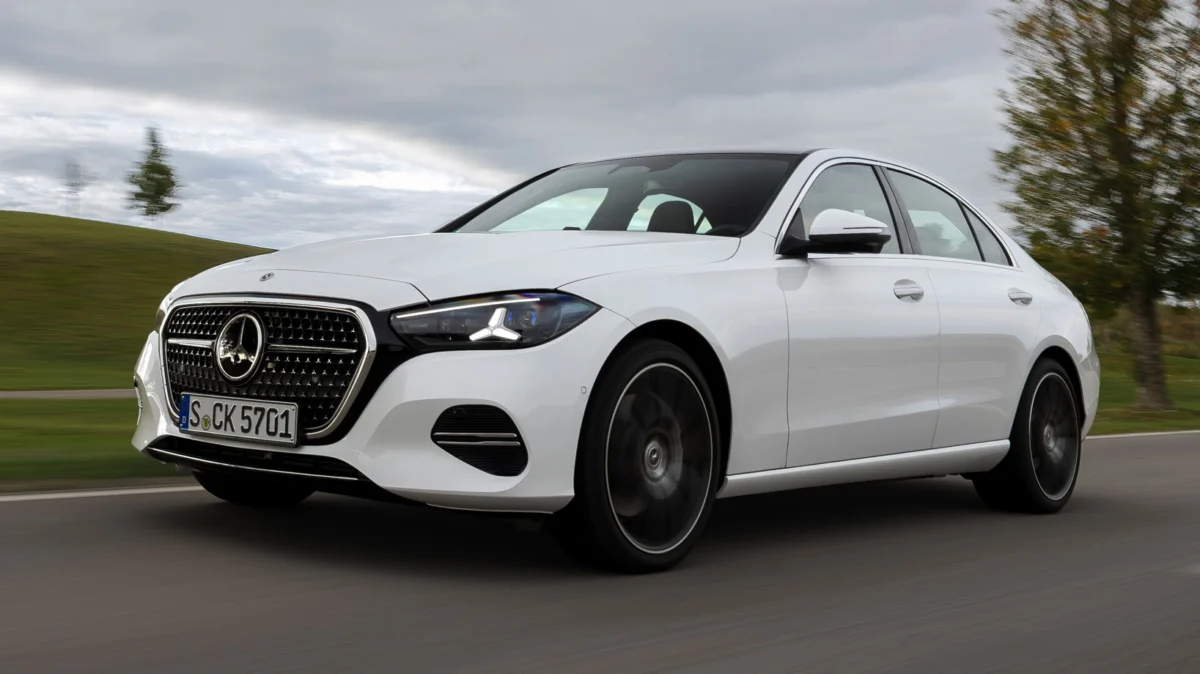
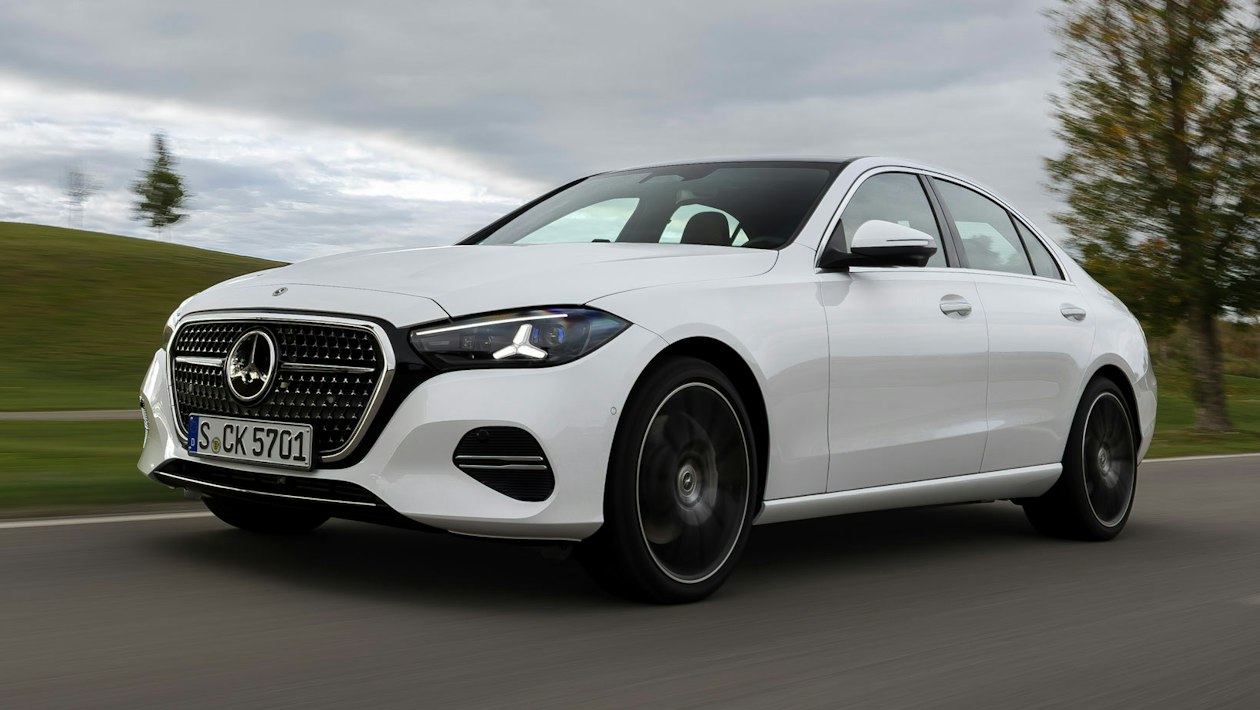
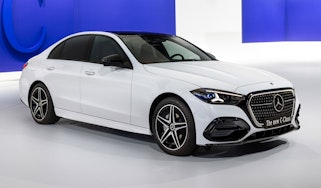
The visual updates to the 2026 Mercedes C-Class are subtle but intentional, designed to align the model with the brand’s evolving design language. At the front, the radiator grille has been sharpened, featuring a more pronounced three-dimensional star pattern that integrates seamlessly with sleeker, more aggressive LED headlamp clusters. The front bumper has been reprofiled to improve aerodynamic efficiency—a necessity for optimizing real-world fuel economy—while the rear tail lights have received a revised internal signature to emphasize the car’s width.
While the exterior changes are evolutionary rather than revolutionary, the interior remains the primary focal point of the update. Mercedes has prioritized the integration of the latest MBUX (Mercedes-Benz User Experience) software, which now boasts improved processing power and more intuitive menu structures. The vertical central touchscreen, which debuted in the current generation, remains the centerpiece, though the surrounding materials have been upgraded to include more sustainable, high-quality finishes that address prior criticisms regarding cabin refinement in an increasingly competitive market.
Historical Context and Development Timeline
The current W206 generation of the C-Class, which launched in 2021, arrived at a time of significant upheaval for the automotive industry. It was the first Mercedes-Benz model series to be electrified across the entire engine range, utilizing 48-volt mild-hybrid technology and sophisticated plug-in hybrid (PHEV) systems.
The timeline for the 2026 facelift began in early 2025, when test mules were first spotted in southern Europe. Over the subsequent 18 months, Mercedes engineers focused on refining the chassis dynamics and powertrain efficiency. By August 2026, the company confirmed the specific lineup for the British market, confirming a notable strategic shift: the omission of diesel engines. This decision reflects the wider European trend of moving away from compression-ignition engines in the premium compact segment, favoring petrol-electric hybridization instead.
Market Positioning and Competitive Pricing
The arrival of the facelifted C-Class occurs against a backdrop of intense competition. With a starting price that positions it approximately £5,000 higher than a comparable BMW 3 Series, the C-Class faces a difficult task in justifying its premium. Mercedes has responded by emphasizing the standard equipment levels, which now include more comprehensive safety suites and advanced driver-assistance systems (ADAS) that were previously relegated to the optional extras list.
Data suggests that the compact executive segment is experiencing a plateau in sales as buyers migrate toward SUVs and crossovers. However, the C-Class remains a vital pillar for Mercedes, particularly in the company car and executive fleet sectors. Fleet managers are closely watching the residual values of the new model, as the shift away from diesel engines could potentially impact long-term depreciation rates. Nevertheless, the improved electric-only range on the PHEV models is expected to mitigate these concerns by offering lower Benefit-in-Kind (BiK) tax rates for business users.
Engineering and Powertrain Dynamics
The technical core of the 2026 facelift is the focus on hybrid optimization. Mercedes-Benz has refined its 2.0-liter turbocharged four-cylinder engines to operate in tighter synergy with the integrated starter-generator (ISG). The result is a smoother stop-start transition and a more seamless power delivery under load.
The plug-in hybrid variants, which offer an electric-only range capable of covering the average daily commute, have seen a marginal increase in battery energy density. This allows for slightly faster charging times at DC stations, a feature that was previously limited on earlier iterations of this generation. For the enthusiast driver, the AMG-line trims continue to offer a sport-tuned suspension setup, although the primary engineering focus has remained on ride comfort and cabin isolation—traits that have defined the C-Class for decades.
Official Statements and Industry Reaction
While Mercedes-Benz has not issued a formal press conference regarding the specific pricing strategy, internal sources suggest the price hike is a direct reflection of the increased cost of raw materials and the integration of next-generation sensor technology. "Our focus is on providing a luxury experience that feels contemporary and connected," a spokesperson for the brand noted during the initial reveal. "The 2026 C-Class is designed to satisfy the needs of the modern executive who values efficiency just as much as they value the prestige of the three-pointed star."
Industry analysts have been cautious in their assessment. While the interior quality and technological interface are widely praised, the aggressive pricing strategy is seen as a gamble. "Mercedes is testing the loyalty of its base," noted an automotive consultant. "By moving the C-Class upmarket and removing the diesel option, they are essentially saying that this is no longer a volume-driven entry point, but a refined, high-tech alternative to the more performance-oriented offerings from rivals like BMW and Audi."
Broader Impact on the Executive Sector
The decision to exclude diesel from the UK lineup is indicative of a broader trend. As urban centers implement more stringent emission zones, the utility of diesel engines for daily commuting has diminished. The 2026 C-Class is essentially betting on the fact that the majority of its target demographic has access to home charging, or is prepared to rely on the efficiency of the mild-hybrid petrol engines for longer motorway journeys.
This transition period is critical for the C-Class. It must maintain its market share while Mercedes prepares its dedicated modular architecture for the next generation of purely electric compact vehicles. The "facelift" is therefore not merely a cosmetic exercise; it is a defensive maneuver intended to keep the C-Class relevant for the next three to four years, during which time the market is expected to reach a tipping point toward electric-only propulsion.
Implications for the Consumer
For the prospective buyer, the 2026 facelift presents a dilemma of value versus modernity. The price increase brings the C-Class into territory previously occupied by the E-Class, raising the bar for the level of service, comfort, and performance that buyers expect. Consumers choosing to lease or finance the new model will find that the monthly costs are higher, yet the technological advancements—particularly regarding the MBUX interface and the increased range of the hybrid variants—provide a tangible improvement over the pre-facelift model.
Furthermore, the secondary market impact will be a key metric to observe. With the brand moving toward a simplified, petrol-hybrid lineup, older diesel models may either see a spike in value due to their perceived utility or a sharp decline as regulatory pressures mount. For now, the C-Class remains the "peak company car" of the traditional era, currently undergoing its final transformation before the inevitable shift to a fully electrified future.
Conclusion: The Road Ahead
As the 2026 Mercedes C-Class makes its way into showrooms, its performance will serve as a bellwether for the entire executive saloon segment. If the market accepts the higher price point and the transition away from diesel, it will validate the strategy of premiumization that many European manufacturers are currently pursuing. If, however, buyers find the value proposition lacking compared to rivals like the BMW 3 Series or the Audi A4, Mercedes may find itself needing to adjust its strategy sooner than anticipated.
The facelifted C-Class is a testament to the endurance of the traditional saloon. By blending classic Mercedes-Benz comfort with a modern digital cockpit and sophisticated hybrid drivetrains, the manufacturer is attempting to bridge the gap between two very different automotive eras. Whether this model will be remembered as the last of the great combustion-engined C-Classes or the first of the modern hybrids, only time will tell. For now, it remains a potent reminder of the brand’s ability to refine its core product to meet the demands of a changing world, ensuring that the C-Class continues to carry the weight of expectation that has defined it for over four decades.