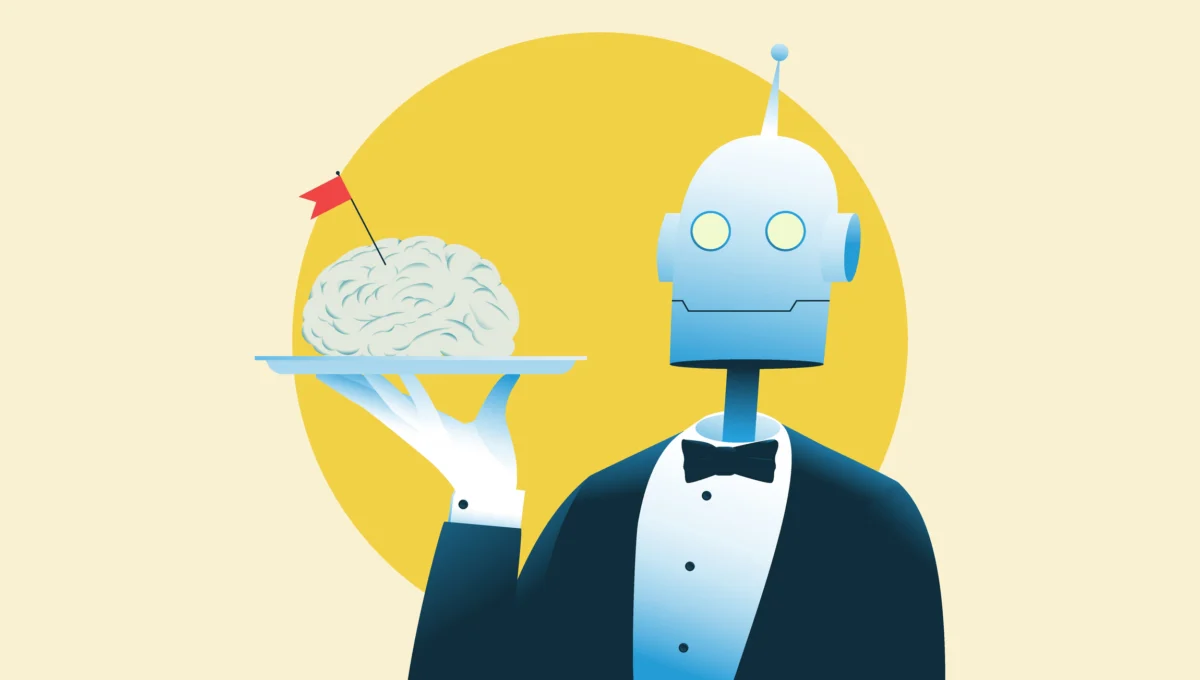
The artificial intelligence boom has ushered in a period of unprecedented capital expenditure, corporate restructuring, and technological advancement. However, it has also highlighted a growing cultural and ideological chasm between the elite executives leading the sector and the everyday consumers they intend to serve. Recent public remarks by high-profile tech leaders regarding the integration of generative AI into deeply personal aspects of daily life—such as parenting, dating, and human communication—have reignited a pressing debate across the industry: Are AI executives simply too detached from reality to design products for normal people?
This friction comes at a delicate financial juncture. As foundational AI developer Anthropic officially files for its initial public offering, Wall Street analysts are increasingly scrutinizing whether the massive, multibillion-dollar investments in artificial intelligence infrastructure will yield sustainable enterprise and consumer revenue. Against this backdrop of tightening financial expectations, the rhetoric coming from Silicon Valley’s top brass threatens to alienate a public already growing skeptical of the technology’s societal footprint.
The Chronology of Tone-Deaf Tech Rhetoric
The disconnect between executive vision and public reality has been underscored by a series of high-profile, widely publicized statements over the past several years. The pattern reveals an industry leadership increasingly bent on automating fundamental human experiences.
In late 2025, OpenAI CEO Sam Altman declared on a television appearance that he could not imagine parenting without ChatGPT. Months prior, Altman suggested that parents utilize generative AI to produce personalized podcasts to entertain their children during daily school commutes. These comments followed a trajectory of tech evangelism that envisions AI not merely as a productivity tool, but as a central pillar of family and social life.
The trend extended further when Dazzle AI CEO Marissa Mayer faced public scrutiny after revealing she utilized an AI tool to draft a school-assigned description of her daughter. In a detailed profile, Mayer mused about an ecosystem where an individual’s personal AI assistant could directly coordinate schedules and communications with another person’s AI assistant.
Similar sentiments have been expressed elsewhere in the tech ecosystem. Bumble CEO Whitney Wolfe Heard previously floated the concept of AI concierges acting as dating proxies—having AI algorithms date one another on behalf of users and arranging human-to-human interaction only after a successful algorithmic vetting process.
These proposals have crystallized a growing public sentiment that tech executives are attempting to engineer basic human interaction out of existence, viewing traditional social friction as an inefficiency to be eliminated rather than a fundamental component of the human condition.
The Product vs. Marketing Dilemma
On a recent episode of TechCrunch’s Equity podcast, journalists Amanda Silberling, Kirsten Korosec, Sean O’Kane, and Anthony Ha dissected whether this disconnect stems from a fundamental product flaw or a marketing and messaging failure.
Industry analysts point out that the marketing strategy employed by major AI firms relies heavily on convincing the public that generative intelligence should permeate every facet of existence. Yet, when executives attempt to illustrate this utility using personal anecdotes, the resulting scenarios often strike consumers as dystopian rather than helpful.
The core issue, critics argue, lies in the immediate environment of Silicon Valley leadership. High-ranking executives operating within massively capitalized technology firms often address hyper-specific administrative challenges that do not reflect the lived reality of the average consumer. While booking flights, coordinating complex corporate calendars, or managing high-volume schedules may represent frequent friction points for tech elites, the median consumer derives value from entirely different use cases—ranging from software development assistance to creative writing and basic information retrieval.
Furthermore, when executives prioritize the automation of intimate relationships—such as courtship and child-rearing—they run into a profound philosophical barrier: the public’s desire to retain autonomy over their personal lives. Rather than viewing algorithmic dating or AI-assisted parenting as conveniences, many consumers interpret these features as an encroachment on personal agency and authentic connection.
Cultural Pushback and the Counter-Trend Movement
The aggressive push toward hyper-optimization has coincided with a measurable cultural backlash. Sociologists and market researchers note a rising counter-movement among consumers who are actively seeking to reclaim physical, un-optimized reality from the grip of algorithms.
Sales of basic cellular devices—commonly referred to as "dumbphones" or flip phones—have seen steady interest among demographics looking to curb daily screen time. Similarly, physical media formats such as vinyl records and compact discs have experienced ongoing resurgences as listeners push back against predictive streaming algorithms that dictate personal taste.
This tension demonstrates that while enterprise adoption of artificial intelligence remains robust and financially critical, consumer markets operate under different psychological rules. People are beginning to evaluate technology not just by its capability to optimize tasks, but by its emotional and psychological cost. When technology encroaches upon the small, analog details of daily life—such as making a phone call to order takeout or personally observing a child—it risks stripping away the friction that many individuals find grounding.
Financial Implications and Market Realities
The debate over executive messaging is more than a public relations hazard; it directly impacts the bottom line. As Anthropic prepares for its public market debut, investors are asking fundamental questions about return on investment (ROI). Sean O’Kane noted during the Equity podcast discussion that the fundamental driver for venture capitalists and public shareholders is revenue generation. If natural human conversations and traditional social interactions generate zero direct return for software vendors, there is an immense corporate incentive to financialize and monetize those spaces.
However, forcing monetization into deeply personal domains risks triggering consumer resistance. Companies like Uber succeeded in the past by betting that early-adopter behavior in urban tech hubs like San Francisco would eventually become the global norm. The bet on AI-driven social and familial optimization, however, is encountering deeper societal friction. Consumers are explicitly stating that they want to parent their own children, conduct their own courtships, and maintain agency over their personal lives without algorithmic mediation.
Fact-Based Analysis of Future Implications
The long-term success of consumer-facing generative AI will likely depend on a recalibration of how these tools are designed and marketed.
- Refining Use Cases: Companies must pivot away from pitching AI as a replacement for human relationships and instead focus on concrete, utilitarian productivity gains—such as data analysis, code generation, and workflow automation—where consumer skepticism is significantly lower.
- Bridging the Empathy Gap: Leadership teams must recognize that the pain points of tech billionaires do not mirror the daily struggles of the working and middle classes. Building sustainable products requires broader consumer research that extends far beyond the Silicon Valley echo chamber.
- Managing Public Trust: As artificial intelligence firms transition from private startups backed by venture capital to publicly traded entities accountable to mainstream shareholders, public relations miscues and tone-deaf executive statements will carry immediate financial consequences.
Ultimately, the current friction between tech leadership and the general public serves as a necessary growing pain for the industry. As the novelty of generative AI matures into practical utility, companies that successfully respect human boundaries will likely outperform those that attempt to engineer the humanity out of daily life.