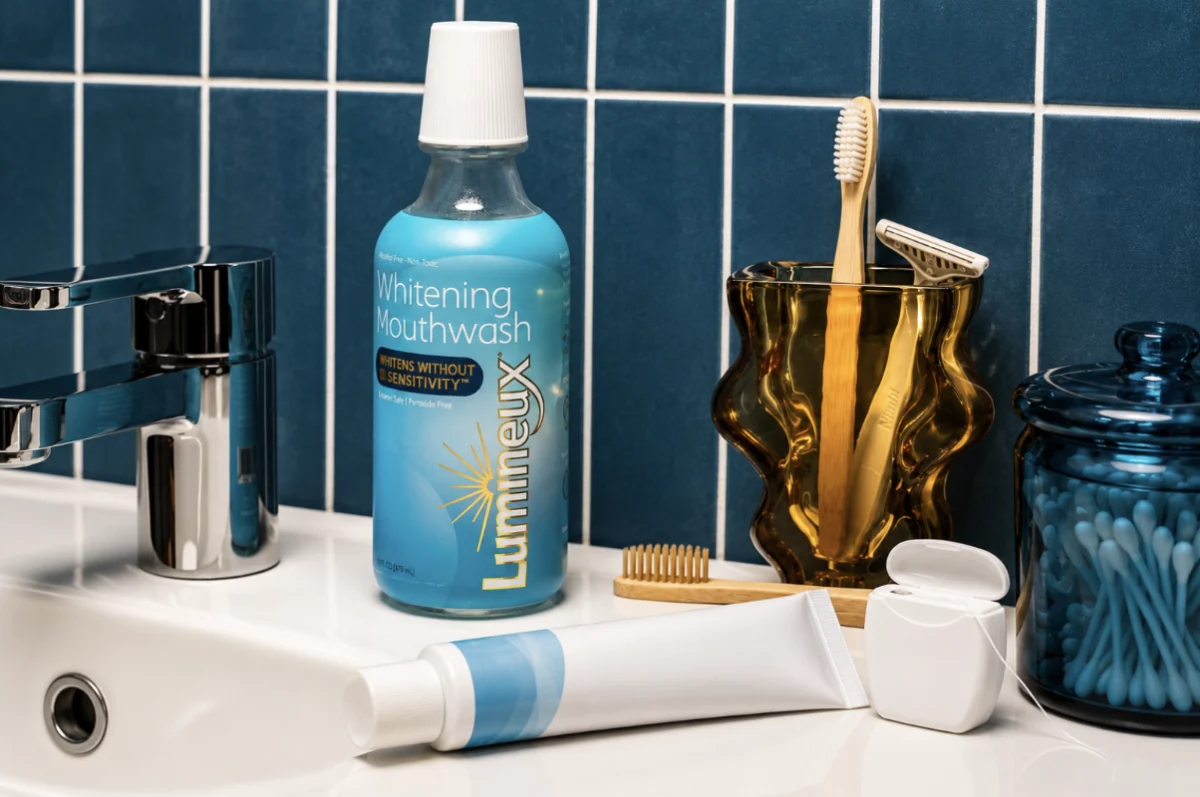
The modern bathroom trash can tells a quiet yet compelling story of consumption. Beneath the surface of daily hygiene lie empty toothpaste tubes, frayed toothbrushes, discarded floss containers, and the occasional empty bottle of mouthwash. While these items are essential to maintaining personal health and preventing periodontal disease, their cumulative environmental footprint has prompted a critical re-evaluation of daily oral care routines. As consumers grow increasingly conscious of municipal waste streams and global plastic pollution, the intersection of dental hygiene and environmental sustainability is taking center stage in household conversations.
For decades, the standard approach to oral hygiene prioritized efficacy and convenience above all else, often leaving the fate of packaging and resource consumption as an afterthought. However, shifting consumer awareness and advancements in manufacturing are making it possible to maintain optimal dental health while significantly reducing household waste. Industry experts, environmental scientists, and dental professionals are now advocating for a holistic approach to wellness—one that recognizes that a healthy mouth and a healthy planet are not mutually exclusive goals.
The Chronology and Evolution of Sustainable Oral Care
The movement toward eco-friendly dental care did not happen overnight; it is the result of a gradual evolution in consumer packaged goods and municipal waste management over the past two decades. In the early 2000s, the market for sustainable personal care was largely niche, characterized by hard-to-find alternatives in health food stores that often compromised on performance or user experience.
By the 2010s, as global awareness of single-use plastics reached a tipping point, waste reduction expanded beyond kitchen recycling bins and into the bathroom. Environmental advocacy groups began highlighting the staggering number of non-recyclable toothbrushes and multi-layered toothpaste tubes entering landfills annually. According to various environmental estimates, billions of toothbrushes are discarded worldwide each year, the vast majority of which are made from non-biodegradable plastics that persist in the environment for centuries.
In response to this ecological challenge, the latter half of the decade witnessed a surge in material innovation. Manufacturers began experimenting with alternative feedstocks, such as bamboo for handles, post-consumer recycled (PCR) plastics for liquid containers, and novel multi-material recycling streams facilitated by specialized corporate take-back programs. Academic researchers concurrently stepped up their investigations, publishing comprehensive life-cycle assessments (LCAs) to quantify the environmental impact of various dental products, from traditional manual brushes to advanced electric models and alternative packaging formats.
Main Facts and Life-Cycle Realities of Dental Products
Evaluating the environmental impact of an oral care routine requires looking past marketing claims and examining the entire life cycle of each product. A foundational element of this assessment is packaging material selection. Brands such as Lumineux have begun utilizing bottles manufactured from BPA-free recycled plastic, marking a shift away from virgin petroleum-based resins.
According to a pivotal 2023 life-cycle study published in the journal Environmental Research, manufacturing bottle-grade polyethylene terephthalate (PET) resin from used PET bottles can reduce greenhouse gas emissions by approximately 60% compared to virgin PET production under the studied scenarios. While this metric highlights the manufacturing efficiency of recycled materials rather than guaranteeing a specific carbon offset for every individual retail bottle, it underscores the profound thermodynamic and emissions advantages of circular material loops.
However, industry analysts emphasize a crucial distinction in consumer vernacular: "recycled" versus "recyclable." A recycled product contains material that has been recovered from the waste stream and reprocessed, whereas a recyclable product is merely technically capable of undergoing a recycling process under the right facility conditions. Furthermore, the presence of a universal recycling symbol on a container does not guarantee that local municipal sorting facilities possess the infrastructure to process it. Consumers must routinely cross-reference packaging symbols with local municipal guidelines to ensure proper disposal.
Water Conservation at the Bathroom Sink
While product redesigns are vital, some of the most impactful sustainability measures require no financial investment or product replacement whatsoever. Resource conservation begins the moment a consumer turns on the bathroom faucet.
Data from the U.S. Environmental Protection Agency (EPA) WaterSense program reveals that leaving the tap running while brushing teeth wastes an astonishing amount of potable water—up to eight gallons per brushing session. For an individual who habitually leaves the water running twice a day, this translates to roughly 5,840 gallons of treated municipal water wasted annually per person, or approximately 2,920 gallons for a single daily brushing routine.
Simple behavioral modifications can drastically curtail this waste. By wetting the toothbrush, turning off the faucet immediately, and keeping it off until the final rinse, households can achieve massive conservation milestones without compromising oral hygiene standards. Experts recommend filling a small cup for rinsing or quickly rinsing the basin at the very end of the routine, effectively decoupling running water from the mechanical action of brushing.
Material Comparisons: Bamboo, Electric, and Manual Toothbrushes
When a toothbrush reaches the end of its useful life—typically indicated by splayed or frayed bristles—consumers face a choice regarding its replacement. A 2020 comparative study published in the British Dental Journal evaluated four distinct toothbrush designs over a five-year simulated usage period to determine their relative environmental impacts.

The findings indicated that manual toothbrushes featuring bamboo handles or replaceable heads yielded the lowest environmental impacts across the measured categories, including climate change indicators, resource depletion, and ecosystem toxicity. Conversely, the standard electric toothbrush examined in the study demonstrated a cumulative climate-change impact roughly eleven times greater than that of the bamboo model, largely driven by energy consumption during use and the complex electronic components housed within the handle.
Despite these statistics, dental professionals caution against discarding a functional electric toothbrush prematurely. The health benefits of electric toothbrushes in removing plaque and preventing gingivitis are well-documented for many patients. Sustainability experts advocate for a pragmatic approach: utilize existing dental appliances until they are no longer operational, and subsequently evaluate alternatives—such as replaceable-head manual or electric models, or bamboo handles—when a replacement becomes necessary.
Moreover, consumers opting for bamboo handles must exercise discernment. Not all bamboo toothbrushes are entirely compostable; many feature nylon bristles that must be plucked out with pliers prior to composting the handle, as composite materials can contaminate organic waste streams.
Rethinking Toothpaste and Dental Floss Packaging
Toothpaste packaging presents a notoriously complex recycling challenge. Traditional tubes are frequently constructed from a laminate of multiple plastic resins and aluminum layers, a design necessary to protect the active ingredients from degradation but one that confounds standard sorting machinery at material recovery facilities. Consequently, many conventional tubes are diverted to landfills.
To address this, manufacturers are introducing mono-material plastic tubes designed to be compatible with specific recycling streams. Additionally, alternative formats such as toothpaste tablets, powders, and concentrated pastes housed in glass or aluminum containers have entered the marketplace. However, market analysts advise consumers to evaluate the entire ecological footprint of these alternatives rather than relying solely on buzzwords like "natural" or "zero-waste." Formulations must still deliver clinically proven cavity protection—ideally featuring ADA-accepted active ingredients like fluoride where appropriate—to safeguard long-term dental health.
Dental floss presents a similar packaging dilemma. The standard practice of discarding a rigid plastic container every time a spool of floss is exhausted generates continuous plastic waste. Refillable floss dispensers, along with alternative materials such as silk or plant-based polymers, offer viable avenues for reduction. Nevertheless, terms like "biodegradable" and "compostable" require careful scrutiny; certain coatings applied to natural fibers can inhibit breakdown, and many materials require industrial composting facilities rather than backyard compost bins to degrade properly.
Navigating Recycling Realities and Corporate Accountability
A primary hurdle in bathroom sustainability is the fragmented nature of recycling infrastructure. While a rigid mouthwash bottle made of PET may be readily accepted in standard curbside bins, a composite toothbrush or a layered toothpaste tube usually is not.
Organizations like Earth911 provide specialized guidance on navigating these recycling discrepancies. When municipal programs reject oral care items, consumers can leverage mail-back initiatives or dedicated retail collection boxes provided by eco-conscious brands and specialized recycling partnerships (such as TerraCycle programs). Active participation in these secondary channels ensures that hard-to-recycle items bypass landfills and re-enter industrial manufacturing loops.
Beyond product design and recycling logistics, consumers are increasingly scrutinizing the broader corporate ethos of oral care brands. Environmental marketing often features generalized imagery—such as green leaves or minimalist earth tones—without substantiating claims with empirical data. Industry watchdogs urge consumers to look for quantifiable metrics, such as exact percentages of PCR plastic usage, transparent carbon accounting, and verified corporate social responsibility initiatives.
For instance, certain brands incorporate tangible give-back programs, such as planting a tree for every new subscription or product bundle sold. While such initiatives demonstrate a corporate commitment to reforestation, analysts note that tree-planting pledges should be evaluated based on transparency regarding tree species selection, long-term maintenance, and survival rate monitoring to ensure genuine ecological net-gain.
Expert Perspectives and Broader Implications
Building a sustainable oral care routine does not require an immediate, wholesale replacement of every bathroom product. According to dental professionals and environmental advocates alike, the most effective strategy is incremental and pragmatic: consume existing supplies, eliminate wasteful water habits, and make deliberate, informed choices when purchasing replacements.
Dr. Kourosh Maddahi, a Beverly Hills cosmetic dentist, graduate of the University of Southern California School of Dentistry, and founder of Lumineux, emphasizes that long-term wellness encompasses both personal biology and environmental stewardship. In his clinical and educational writings, Dr. Maddahi highlights that maintaining the integrity of teeth and gums remains the paramount objective of any oral hygiene regimen, and that modern dental innovations can successfully align clinical efficacy with environmental responsibility.
Ultimately, the broader implication of the sustainable oral care movement is a cultural shift in how consumers view daily micro-habits. By critically examining the life cycle of a toothbrush, the material composition of a toothpaste tube, and the volume of water consumed at the basin, individuals can exert meaningful pressure on manufacturers to adopt circular economic principles. Through informed purchasing decisions and mindful daily routines, consumers can successfully protect their dental health while safeguarding the planet for future generations.