On November 19, the United States Senate passed the Bipartisan American Affordability and Jobs Act (BAAJA) in a 62-33 vote, signaling a significant shift in federal infrastructure policy. The legislation, which now moves to the House of Representatives, is designed to expedite the permitting process for large-scale energy projects. While proponents argue that the bill is an essential mechanism for modernizing the national grid and accelerating the transition to renewable energy, a broad coalition of environmental organizations, scientists, and Indigenous groups warns that the measure could permanently weaken bedrock protections for the nation’s air, water, and protected lands.
Legislative Background and Congressional Intent
The BAAJA represents the culmination of years of bipartisan frustration regarding the "permitting bottleneck" that has historically delayed infrastructure projects by years, if not decades. Supporters of the bill, including key Democratic voices like Senator Sheldon Whitehouse of Rhode Island, contend that the current regulatory landscape is ill-equipped to handle the rapid pace of development required to meet U.S. climate goals.
According to supporters, the legislation is forecasted to reduce carbon emissions by approximately 1.5 gigatons through 2040. By streamlining the National Environmental Policy Act (NEPA) review process, proponents believe the government can fast-track the construction of high-voltage transmission lines, which are necessary to carry wind and solar power from remote regions to urban population centers. Senator Whitehouse and other co-sponsors have emphasized that without such reforms, the United States risks failing to reach its international climate commitments due to administrative delays.
A Chronology of the Regulatory Shift
The movement toward sweeping permitting reform has been building for several legislative cycles.
- Early 2026: Bipartisan negotiations gain momentum as industry leaders and clean energy advocates identify cross-sector alignment on the need for faster transmission build-outs.
- Mid-2026: Initial drafts of BAAJA emerge, incorporating provisions that seek to limit litigation windows and reduce the scope of mandatory environmental impact statements (EIS).
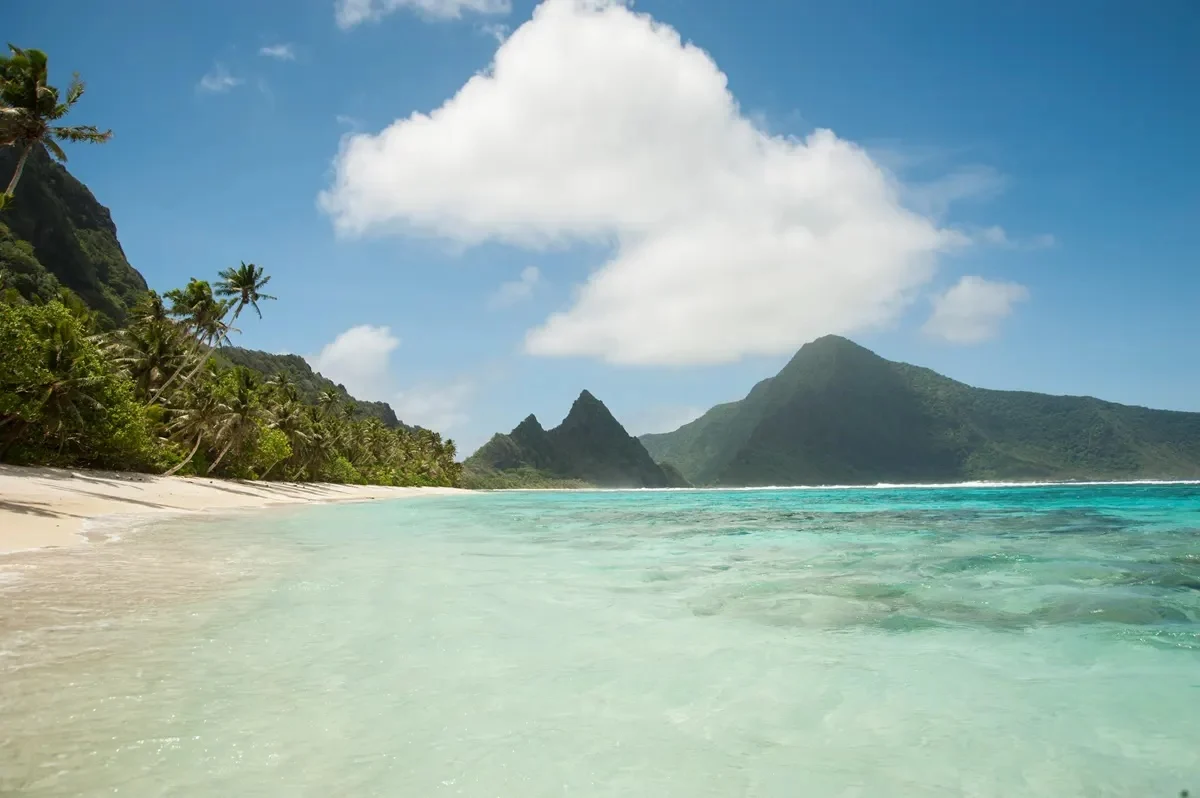
- November 19, 2026: The Senate holds its final floor vote, passing the bill with a 62-33 margin. On the same day, the federal government proceeds with an offshore critical mineral lease sale in American Samoa, fueling criticism from environmental groups who view these events as a consolidated push toward deregulation.
- Late November 2026: Scientific organizations and civil society groups issue formal letters of opposition, requesting that the House of Representatives intervene to modify or reject the bill.
Analysis of the "Project Certainty" Provision
One of the most contentious aspects of the BAAJA is Section 1401, colloquially known as the "project certainty" provision. This section effectively strips federal agencies of the authority to revisit or modify permits once they have been issued.
Legal experts point out that this creates a "lock-in" effect. Under current law, agencies may occasionally re-evaluate permits if significant new data regarding ecological damage emerges or if the original environmental review is found to be legally deficient. Under BAAJA, these pathways for correction would be severely restricted. Critics argue that this provision creates a dangerous precedent, as it immunizes developers from the consequences of unforeseen environmental catastrophes, even if the initial approval process was expedited under flawed data.
Perspectives from the Environmental and Scientific Communities
The opposition to BAAJA is wide-ranging, encompassing climate scientists, conservationists, and tribal advocacy groups. A letter signed by over 120 scientists addressed to the House of Representatives warned that the bill’s "technology-neutral" language is a misnomer. By applying the same fast-track procedures to all energy projects, the bill fails to distinguish between zero-emission renewables and high-emission fossil fuel infrastructure.
Brad Campbell, CEO of the Conservation Law Foundation, has been particularly vocal, describing the bill as a "one-way ratchet for fossil fuels." Campbell and other critics argue that in the hands of an administration that may prioritize short-term energy production over long-term climate stability, the bill’s provisions will be used primarily to lower barriers for oil, gas, and pipeline projects.

Furthermore, groups like Oceana have raised concerns about the expansion of offshore drilling. They argue that the bill will significantly curtail the ability of the public to challenge leases in federal waters, potentially leading to increased pollution and threats to marine biodiversity. The concerns are not merely abstract; they are tied to specific regional impacts, such as the recent seabed mining auctions off the coast of American Samoa.
Indigenous Concerns and Tribal Sovereignty
Native American organizations have expressed profound disappointment with the legislation, citing the potential for the bill to further marginalize Indigenous voices. Many projects currently undergoing review are located on or near ancestral lands, where tribal consultation is a critical, albeit often insufficient, legal requirement.
Sabrina Suluai-Mahuka, founder of the American Samoan NGO Finafinau, emphasized that the pursuit of economic growth often comes at the expense of local communities. "If progress requires weakening environmental protections, diminishing Indigenous voices, and asking communities with limited political power to shoulder disproportionate risks, then perhaps we need to reconsider our definition of progress," she stated in an interview. The exclusion of robust tribal consultation in the new permitting framework remains a primary point of contention for activists seeking to block the bill in the House.
Broader Economic and Environmental Implications
The economic argument for BAAJA centers on "certainty." Proponents argue that investors are currently hesitant to fund large-scale renewable projects because the risk of litigation and regulatory shift is too high. By providing a fixed, shortened timeline, the bill is expected to unlock billions in private capital.
However, a fact-based analysis of the legislation reveals that the "certainty" provided to investors is effectively an erosion of "accountability" for the public. The shortening of consultation windows for the Endangered Species Act, for instance, implies that the thoroughness of species-impact assessments will be sacrificed to meet administrative deadlines.
The question facing the House of Representatives is whether the speed of the energy transition justifies the cost of institutionalized deregulation. While the climate benefits of faster transmission are statistically significant, the potential for "locked-in" fossil fuel infrastructure poses a long-term risk that critics argue could undermine the very climate goals the bill purports to support.
The Road Ahead
As the bill moves toward a vote in the House, the political climate remains highly charged. The 62-33 vote in the Senate demonstrates that there is enough bipartisan support to push the legislation through, but the growing public outcry from environmental groups suggests that the political cost of passing BAAJA may be higher than initial estimates suggested.
Industry groups, including major utility companies and energy developers, are heavily lobbying for the bill’s passage, arguing that the current status quo is a barrier to the nation’s energy security and economic competitiveness. Conversely, environmental NGOs are organizing, hoping to convince House representatives that the current draft of the bill requires significant amendments to ensure that "fast-tracking" does not become synonymous with "lawless development."
The final outcome of the House vote will be a litmus test for the current administration’s approach to balancing industrial growth with environmental stewardship. For now, the nation remains in a state of watchful waiting as the final fate of the Bipartisan American Affordability and Jobs Act is determined in the halls of Congress. Whether the legislation will truly serve as a bridge to a cleaner future or an opening for unchecked environmental degradation remains the central question of this legislative session.