In a move that signals a growing national tension between the rapid expansion of digital infrastructure and the preservation of local resources, the Maine House and Senate have passed LD 307, making Maine the first state in the nation to implement a formal moratorium on the development of large-scale data centers. The legislation, which cleared the House with a 79-62 vote and the Senate with a 21-13 margin, effectively halts the approval of any data center requiring 20 megawatts or more of electricity until at least October 2027. This legislative pause is designed to allow state regulators and lawmakers the necessary time to evaluate the long-term impacts of these energy-intensive facilities on the state’s electrical grid, water supplies, and economic landscape. The bill now sits on the desk of Governor Janet Mills, whose decision to sign, veto, or allow the bill to become law without her signature remains the subject of intense speculation among industry stakeholders and environmental advocates alike.
The Scope and Mechanics of LD 307
The core of LD 307 is a strategic pause. By setting a threshold of 20 megawatts, the legislation targets "hyperscale" facilities—massive complexes typically operated by tech giants like Amazon, Google, or Microsoft—rather than smaller, localized server rooms that support municipal or small business operations. For context, 20 megawatts is enough electricity to power roughly 15,000 to 20,000 homes. The moratorium applies to both state and local government approvals, ensuring a uniform standard across Maine’s various jurisdictions.
During the moratorium period, which is slated to last approximately three and a half years, the bill mandates the formation of a special investigative council. This body will be tasked with conducting a comprehensive review of the data center industry’s footprint. Their mandate includes analyzing the projected demand on the regional power grid, assessing the impact on utility rates for residential consumers, and evaluating the high volume of water required by these facilities for cooling purposes. The council’s findings will serve as the foundation for a new regulatory framework that the legislature intends to implement before the moratorium expires in 2027.
A Growing National Trend of Skepticism
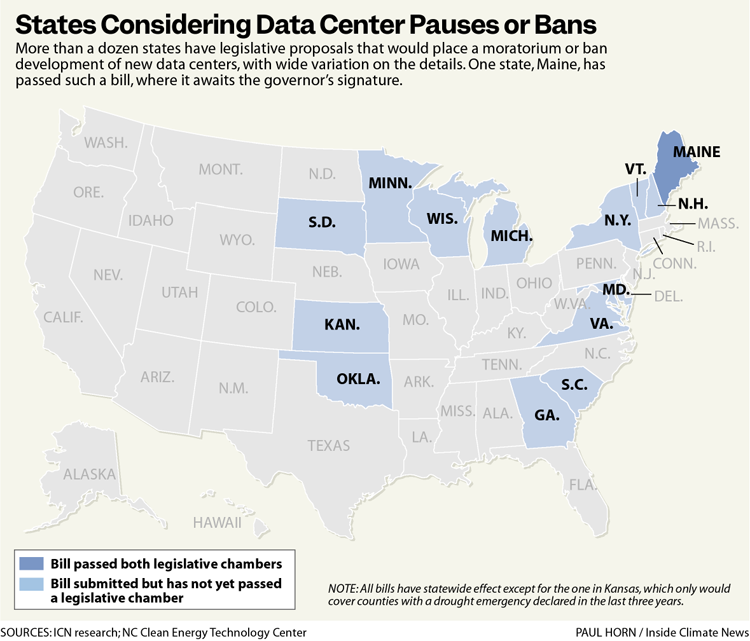
Maine’s legislative action does not exist in a vacuum. It reflects a burgeoning national movement as communities across the United States grapple with the "physicality" of the internet. While data centers were once viewed as clean, high-tech boons for local tax bases, the scale of modern AI-driven facilities has shifted public perception. Analysts note that approximately 13 other states, including Minnesota, Georgia, and South Carolina, have introduced various forms of legislation this year aimed at curbing or more strictly regulating data center growth.
In Minnesota, lawmakers are considering similar pauses as the state’s utility providers warn of "unprecedented" demand spikes. In Illinois, though a formal bill has yet to be filed, discussions in the statehouse suggest that the era of unrestricted tax incentives for data centers may be coming to an end. This shift is driven by the realization that while these facilities represent billions of dollars in capital investment, they often create relatively few permanent jobs once construction is complete, while placing a permanent, massive load on public infrastructure.
The Energy Crisis: AI and the Grid
The primary driver behind the Maine moratorium is the sheer volume of electricity required to sustain the modern digital economy. As of late 2023, U.S. data centers accounted for more than 50 gigawatts of electricity demand. To put this in perspective, this total is double the peak demand of the entire New England power grid (ISO-NE), which services six states combined.
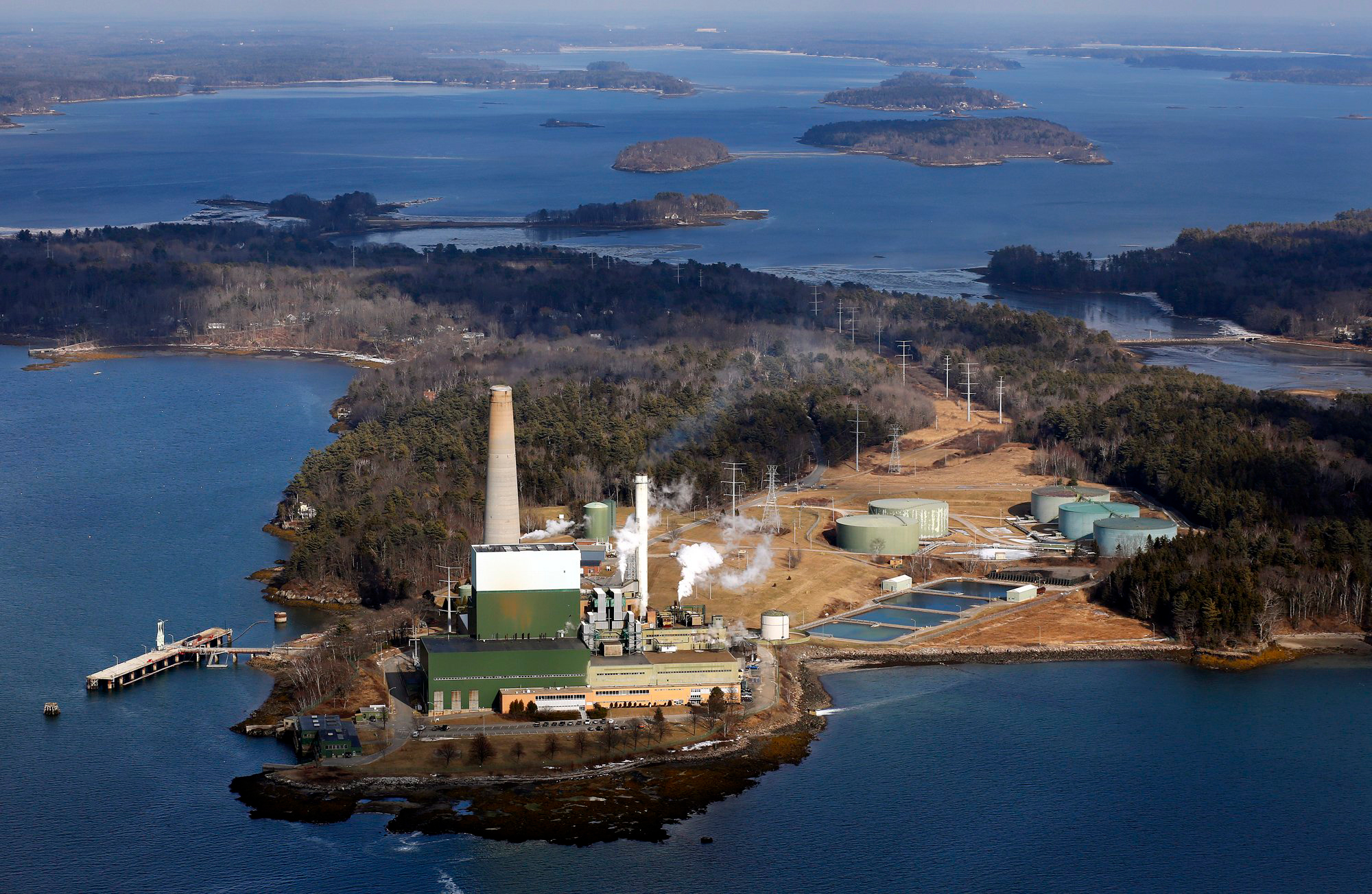
The rapid integration of Artificial Intelligence (AI) into consumer and enterprise software has accelerated this demand. AI processing requires specialized chips that run hotter and consume significantly more power than traditional server hardware. Experts suggest that a single AI query can consume ten times the electricity of a standard Google search. This "AI gold rush" has led to the planning of "gigawatt-scale" data centers—facilities so large they require their own dedicated power plants.
In Maine, where the transition to renewable energy is a top policy priority, the sudden arrival of hyperscalers threatens to consume the very "green" energy the state is working to bring online. There is a profound concern that if data centers monopolize the available capacity of wind and solar farms, the state will be forced to keep aging fossil-fuel plants operational longer than planned, or face skyrocketing electricity prices for residents as the cost of grid upgrades is passed down to ratepayers.
Political Divisions and Economic Arguments
The debate over LD 307 has largely fallen along partisan lines, highlighting a fundamental disagreement over the definition of economic progress. Democratic proponents, led by State Representative Melanie Sachs, argue that the moratorium is an act of "responsible stewardship." Sachs has characterized the bill as a way to learn from the "cautionary tales" of states like Virginia, where the rapid, unregulated growth of data centers in Loudoun County has led to noise complaints, visual blight, and concerns over grid reliability.
"Let’s just make sure our regulatory framework can meet the moment," Sachs stated during the legislative session. Her supporters argue that a temporary pause is a small price to pay to avoid permanent damage to the state’s infrastructure and environment.
Conversely, Republican lawmakers have criticized the move as a "closed for business" sign. State Senator Matt Harrington, a prominent opponent of the bill, argued that the moratorium would stifle billions of dollars in potential investment. He specifically pointed to planned projects in the communities of Sanford and Jay. In Jay, a proposed data center was intended to revitalize the site of a former paper mill—a project that promised to replace lost industrial jobs and bolster the local tax base.
Governor Janet Mills had previously expressed interest in including an exemption for the Jay project, recognizing its potential to aid a struggling rural community. However, the final version of the bill passed by the legislature did not include this carve-out, creating a point of friction that may influence her final decision on the legislation.
Environmental and Community Impacts
Beyond energy consumption, the environmental footprint of data centers extends to water usage. Large facilities can consume millions of gallons of water per day for evaporative cooling systems. In a period of increasing climate volatility and periodic droughts, the diversion of such vast quantities of water from local aquifers or municipal systems has become a flashpoint for community activists.
Sarah Woodbury, legislative director for Maine Conservation Voters, emphasized that local opposition is often the strongest deterrent to these projects. "Voters do not want these facilities in their backyard," Woodbury noted, citing instances where Maine towns have successfully lobbied against proposed developments. The noise generated by massive cooling fans and the aesthetic impact of "windowless grey boxes" in scenic or rural areas have also fueled the "Not In My Backyard" (NIMBY) sentiment that LD 307 seeks to address at a state level.
Timeline of Key Events
- Late 2023: Early reports indicate a surge in interest from data center developers looking at Maine’s relatively cool climate and available land.
- January 2024: LD 307 is introduced by Rep. Melanie Sachs, aiming to establish a regulatory framework before major "hyperscalers" break ground.
- March 2024: Public hearings reveal deep divisions between environmental groups and economic development agencies.
- April 2024: The Maine House and Senate pass the bill following intense debate over the lack of exemptions for specific rural redevelopment projects.
- Late April 2024: The bill reaches Governor Janet Mills’ desk.
- October 2027: The scheduled expiration of the moratorium, pending the implementation of new state regulations.
Implications for the Future of Digital Infrastructure
The passage of LD 307 in Maine serves as a bellwether for the tech industry. For decades, data center operators moved with relative stealth, securing tax breaks and fast-tracked permits in exchange for the promise of high-tech prestige. That era appears to be ending.
If Governor Mills signs the bill, Maine will become the primary case study for how a state can successfully—or unsuccessfully—balance the needs of the digital age with the limits of physical resources. The outcome of the special council’s investigation will likely be scrutinized by lawmakers in every other state currently facing similar pressures.
Furthermore, the federal government is beginning to take notice. U.S. Senator Bernie Sanders and Representative Alexandria Ocasio-Cortez have already proposed a national moratorium on AI-specific data centers, citing many of the same concerns raised in the Maine State House. While a federal ban remains unlikely in the current political climate, the momentum at the state level suggests that the "invisible" cloud is becoming a very visible, and highly regulated, part of the American landscape.
As the tech industry continues its pivot toward AI, the struggle for power—both literal and political—will only intensify. Maine has taken the first definitive step in asserting that the public interest must be secured before the servers start humming. Whether this leads to a more sustainable tech sector or a migration of investment to less-regulated states remains the critical question for the next three years.