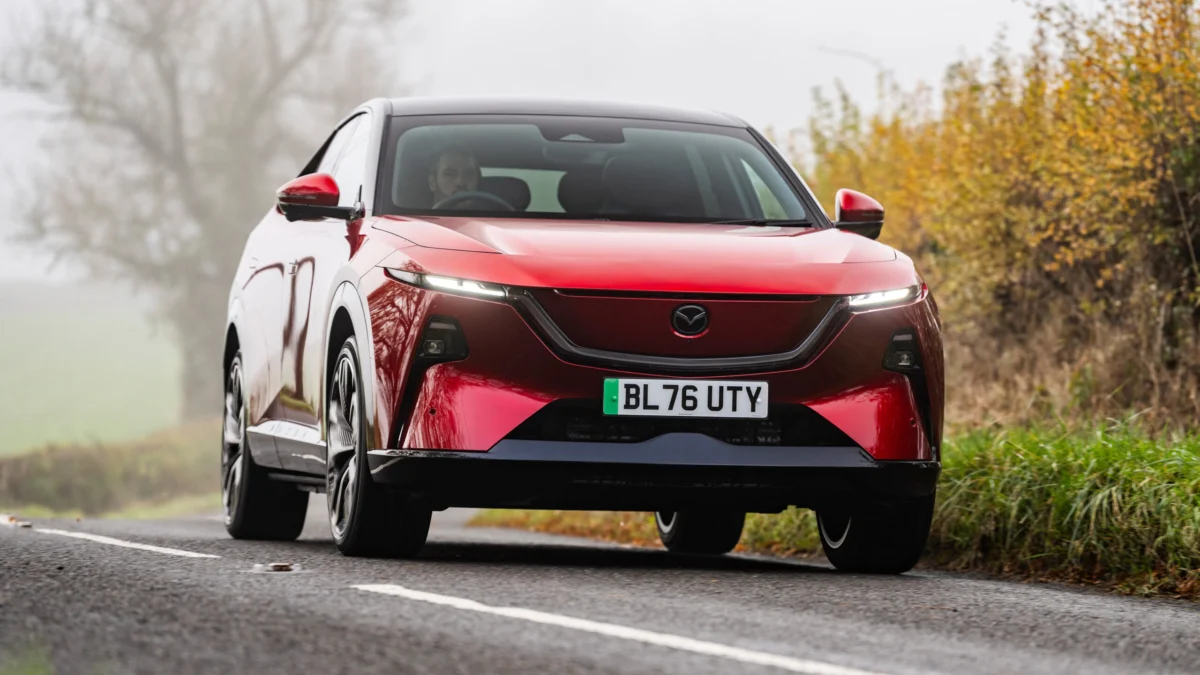
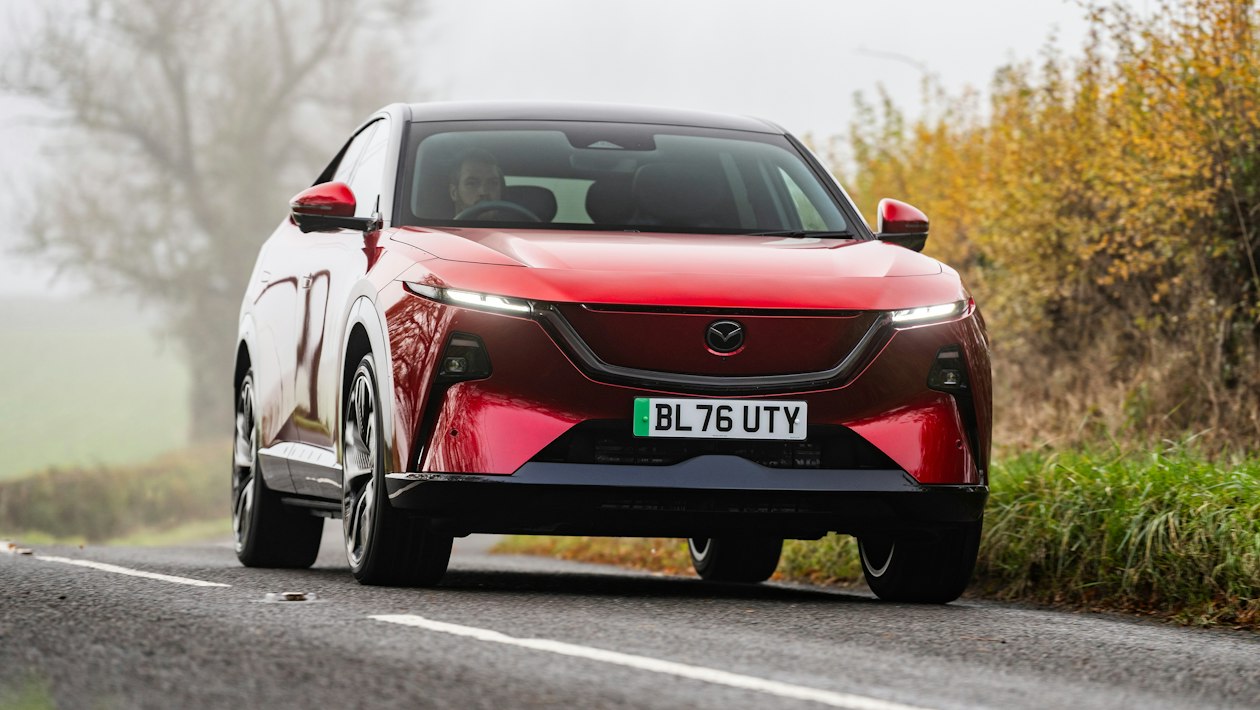
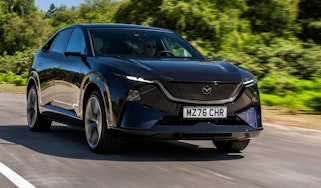
The automotive landscape in the United Kingdom has witnessed a significant development as the Mazda CX-6e, the brand’s highly anticipated electric SUV, has been spotted undergoing extensive testing on local tarmac. This sighting marks a pivotal moment for the Japanese manufacturer as it accelerates its electrification strategy, moving beyond its traditional internal combustion engine dominance to compete in the burgeoning global EV market. Known in the Chinese market as the Mazda EZ-60, this vehicle is the product of a strategic collaboration between Mazda and the Chinese automotive giant Changan, representing a shift in how Mazda approaches the development and deployment of battery-electric vehicle (BEV) platforms.
A New Chapter for Mazda’s Electric Ambitions
For years, Mazda maintained a cautious approach to full electrification, focusing instead on refining its "Skyactiv" combustion technology and plug-in hybrid powertrains. However, the CX-6e signifies a definitive pivot. By leveraging the manufacturing prowess and R&D capabilities of its partnership with Changan, Mazda is effectively shortcutting the development cycle for a dedicated electric SUV.
The vehicle, which has been observed in various camouflage liveries on British motorways and suburban roads, suggests that Mazda is in the final stages of localizing the model for European and UK consumer preferences. Observers note that the SUV displays a design language that remains quintessentially Mazda—sculpted, athletic, and sophisticated—despite the fundamental structural differences required by its electric architecture.
Chronology of the CX-6e Project
The trajectory of the CX-6e is rooted in a broader international strategy that began to gain momentum in early 2025.
- Q1 2025: Mazda announces the expansion of its partnership with Changan, specifically targeting the joint development of mid-sized electric vehicles for international markets.
- Q3 2025: The vehicle is unveiled in China under the EZ-60 moniker. Technical specifications and design philosophies are finalized, emphasizing "Jinba Ittai"—the feeling of oneness between driver and car—even in an electric format.
- Q1 2026: European homologation testing begins. Mazda engineers focus on chassis tuning, specifically adjusting the suspension geometry and steering feedback to suit the specific demands of UK road surfaces, which are often more undulating and technical than those found in Asia.
- November 2026: Widespread sightings of undisguised or lightly masked test mules in the UK signal that the production-ready model is nearing its retail launch.
- Early 2027 (Projected): Commercial availability in the UK market, accompanied by a full rollout of marketing and dealer training initiatives.
Technical Foundations and Performance Data
While full UK-specific specifications are pending final confirmation, the CX-6e is expected to offer a versatile range of configurations. In its current iteration, the platform supports a high-density lithium-ion battery pack designed to optimize both energy efficiency and cabin space.
Industry analysts suggest that the model will likely offer a range exceeding 300 miles on the WLTP cycle, positioning it competitively against segment rivals such as the Tesla Model Y, the Hyundai Ioniq 5, and the Volkswagen ID.4. The integration of advanced thermal management systems is expected to allow for rapid DC charging, capable of taking the battery from 10% to 80% in approximately 25 to 30 minutes under optimal conditions.
Unlike some competitors that prioritize raw, off-the-line acceleration, Mazda has signaled that the CX-6e will prioritize refined driving dynamics. The electric powertrain allows for a low center of gravity and excellent weight distribution, which engineers have reportedly utilized to minimize body roll and enhance cornering precision—a hallmark of the Mazda brand that the company is keen to maintain in its transition to EVs.
Strategic Implications of the Mazda-Changan Partnership
The collaboration with Changan is not merely a manufacturing arrangement; it is a strategic response to the rapid evolution of the Chinese EV market, which currently leads the world in battery technology and software integration. By tapping into Changan’s supply chain, Mazda secures access to advanced battery cells and power electronics, which are critical for maintaining price competitiveness in the UK.
This partnership has faced scrutiny from industry observers concerned about brand identity. However, early assessments of the vehicle suggest that while the "underpinnings" may be shared, the "experience" remains distinctly Mazda. The interior ergonomics, material choices, and HMI (Human-Machine Interface) systems are being refined by Mazda’s design teams in Hiroshima to ensure that owners of previous CX-series SUVs feel an immediate sense of familiarity and quality.
Market Positioning and Competitive Landscape
The UK SUV market is arguably the most competitive segment in the automotive industry. The arrival of the CX-6e comes at a time when consumer sentiment is shifting toward electric vehicles, driven by both environmental mandates and the decreasing total cost of ownership.
Mazda’s entry into this space is timed to capitalize on a gap for "driver-focused" electric SUVs. While many manufacturers have opted for a minimalist, screen-heavy interior approach, there are indications that Mazda will retain a balance of digital innovation and tactile, physical controls, appealing to a demographic that values traditional ergonomics alongside modern electric capability.
Furthermore, the vehicle will be arriving as the UK’s charging infrastructure continues to expand, with the government’s 2030 and 2035 targets for the phase-out of fossil-fuelled cars creating a long-term tailwind for sales of EVs like the CX-6e.
Official Stance and Future Outlook
While Mazda has remained tight-lipped regarding specific pricing tiers, the company has emphasized that the CX-6e will represent a "premium-adjacent" value proposition. This indicates that while it will be priced higher than entry-level budget EVs, it will undercut the traditional German premium brands, aiming to secure a significant slice of the mid-market share.
A spokesperson for the company recently noted that the UK testing phase is essential for ensuring that the vehicle’s driver-assistance systems—including adaptive cruise control and lane-keeping technology—are calibrated for the unique signage and traffic flow patterns found on British roads.
Broader Industry Context: The EV Transition
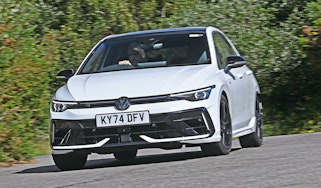
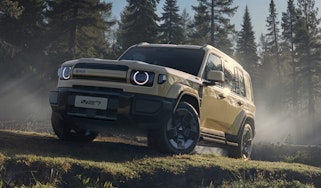
The Mazda CX-6e does not exist in a vacuum. Its launch is part of a larger, industry-wide race to adapt to stricter emissions regulations. For instance, manufacturers such as Volkswagen are currently re-engineering their performance models—like the Golf R—to incorporate advanced tech like electric superchargers to maintain performance while meeting Euro 7 standards. Similarly, new entrants like iCaur are challenging the status quo with aggressive pricing and unique service models, such as the "super hub" parts distribution network.
For Mazda, the success of the CX-6e is critical. It serves as the litmus test for the company’s ability to evolve its brand DNA for a post-combustion world. If the SUV can successfully marry the brand’s reputation for reliability and driving engagement with the efficiency of an electric drivetrain, it will likely become the cornerstone of Mazda’s sales volume for the next decade.
Conclusion: The Road Ahead
As the Mazda CX-6e continues its rigorous testing cycle across the UK, the industry watches with interest. The SUV is more than just a new model; it is a manifestation of Mazda’s agility in a rapidly changing geopolitical and technological environment. By effectively managing the balance between global cooperation and local brand identity, Mazda is positioning itself to be a significant player in the transition to sustainable transport.
Prospective buyers and enthusiasts should look for official announcements in the coming months regarding finalized trim levels, interior feature sets, and the opening of order books. As the 2027 launch date approaches, the CX-6e is set to be one of the most significant arrivals in the SUV segment, testing whether a heritage-rich manufacturer can successfully pivot to the demands of the electric era without sacrificing the very qualities that earned it a loyal following in the first place.