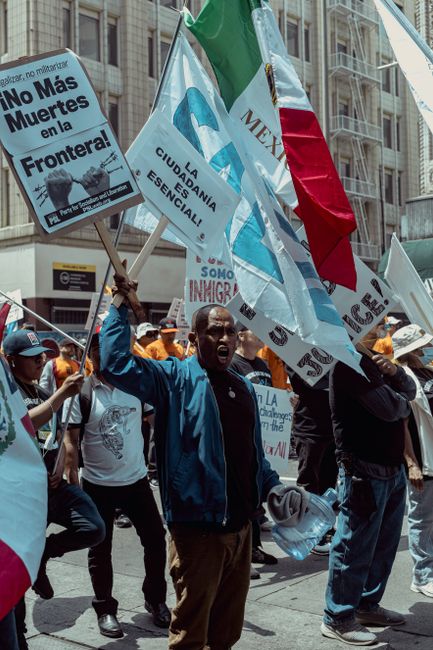
The Ice Immigration Protests: A Deep Dive into National Uprising and Policy Implications
The landscape of immigration policy in the United States has been a perennial source of national debate, but in recent years, this discourse has been amplified by widespread public demonstrations. These protests, often collectively referred to as "Ice immigration protests," represent a potent expression of societal concern, fueled by a complex interplay of humanitarian issues, legal frameworks, and political ideologies. Understanding the origins, motivations, and implications of these demonstrations is crucial for grasping the current state of immigration affairs and anticipating future policy directions. These protests are not monolithic; they encompass a diverse range of voices and objectives, from advocating for the rights of asylum seekers and undocumented individuals to demanding stricter border enforcement and changes in deportation practices. The sheer scale and frequency of these demonstrations underscore a deep societal division regarding how the nation should address its borders, its laws, and the human beings caught within this intricate system.
At the heart of many Ice immigration protests lies the controversial role of U.S. Immigration and Customs Enforcement (ICE). Established in 2003, ICE is the principal federal law enforcement agency responsible for enforcing immigration and customs laws. Its mandate includes investigating and prosecuting immigration-related crimes, deporting individuals who are in the country unlawfully, and maintaining the integrity of the nation’s borders. However, ICE’s operations, particularly its detention and deportation activities, have become a focal point of intense scrutiny and public outcry. Critics often point to the agency’s involvement in family separations at the border, the conditions within immigration detention centers, and the perceived harshness of deportation proceedings as primary drivers for their activism. The "zero tolerance" policy implemented during the Trump administration, which led to the separation of thousands of children from their parents, served as a significant catalyst for many of the most visible and emotionally charged Ice immigration protests. This policy, though officially rescinded, left a lasting impact on public perception and galvanized a broad coalition of advocacy groups.
The motivations behind participating in Ice immigration protests are multifaceted and deeply personal for many. For individuals directly affected by immigration enforcement – undocumented immigrants, asylum seekers, and their families – the protests are an act of survival and a desperate plea for dignity and justice. They often share harrowing stories of fear, uncertainty, and the disruption of their lives due to detention and deportation. For immigrant rights advocates, the protests are an extension of their ongoing work to challenge what they view as unjust and inhumane immigration policies. They draw upon legal precedents, international human rights conventions, and ethical principles to argue for more compassionate and equitable treatment of immigrants. Beyond direct involvement, a significant portion of protestors are allies who believe in the inherent worth and contributions of immigrants to American society. These allies are motivated by a sense of solidarity, a commitment to social justice, and a belief that the current immigration system is morally flawed and detrimental to the nation’s values. Their participation is often driven by a desire to amplify the voices of those most impacted and to pressure policymakers to enact reforms.
Geographically, Ice immigration protests have occurred across the nation, reflecting the widespread impact of immigration policies. Major cities with large immigrant populations, such as Los Angeles, New York, and Chicago, have frequently been sites of large-scale demonstrations. However, protests are not confined to urban centers. Smaller communities, particularly those near border regions or those with significant immigrant populations, have also witnessed significant activism. This national scope highlights the pervasive nature of immigration issues and the fact that no single region is immune to their effects. Border towns, in particular, often bear the brunt of increased enforcement and asylum backlogs, leading to sustained local protests and community organizing efforts. The presence of ICE facilities, detention centers, and the implementation of specific immigration enforcement operations in various communities also serve as triggers for localized protests.
The tactics employed in Ice immigration protests are as varied as the groups involved. They range from peaceful marches and rallies in public spaces to civil disobedience, including sit-ins at government buildings or ICE offices, and sometimes symbolic actions like hunger strikes. Media engagement is a crucial component, with activists leveraging social media platforms, traditional news outlets, and public forums to disseminate their messages and raise awareness. The goal is often to disrupt the routine operations of immigration enforcement agencies, draw media attention to their cause, and put public pressure on elected officials. The strategic targeting of ICE facilities, courthouses, and congressional offices is a common approach to directly confront the institutions responsible for immigration policy and enforcement. The use of art, music, and storytelling are also frequently employed to convey the human impact of immigration policies and to foster empathy among the broader public.
The policy implications of these widespread Ice immigration protests are significant and far-reaching. They have undoubtedly brought immigration issues to the forefront of public and political discourse, forcing policymakers to confront the ethical and practical challenges of the current system. The sustained pressure from activists has contributed to policy shifts, albeit often incremental and contested. For instance, some of the most visible protests have been linked to the eventual rescinding of certain enforcement policies and the introduction of new legislative proposals aimed at reform. The protests have also influenced public opinion, making a segment of the population more receptive to comprehensive immigration reform, including pathways to citizenship for undocumented immigrants and more humane treatment of asylum seekers. However, these protests have also encountered significant opposition, leading to a hardening of stances on border security and enforcement for other segments of the population.
The political landscape surrounding immigration is profoundly shaped by these demonstrations. Elected officials are often forced to navigate the competing demands of their constituents, many of whom are directly affected by immigration policies, and those who advocate for stricter enforcement. The protests can mobilize voters, influence campaign rhetoric, and shape electoral outcomes. For political parties, the issue of immigration has become a defining wedge issue, with different approaches to protest and policy signaling distinct ideological orientations. The rise of grassroots movements and advocacy organizations has also empowered communities to become more politically active, lobbying for their interests and holding elected officials accountable. This increased civic engagement can lead to significant shifts in political power and policy priorities over time.
Beyond the immediate political ramifications, Ice immigration protests have also had a profound impact on the legal and judicial interpretation of immigration law. Court challenges, often initiated by advocacy groups that are deeply involved in the protests, have sought to redefine the boundaries of executive authority in immigration enforcement. These legal battles can influence deportation practices, detention conditions, and the rights of immigrants in the U.S. legal system. The visibility of protests can also put pressure on judges and legal scholars to re-examine existing laws and their application in light of humanitarian concerns and societal values. Furthermore, the ongoing debate fueled by protests can lead to the introduction of new legislation, aiming to either reform or reinforce existing immigration laws, thereby creating new legal challenges and interpretations.
The role of media in amplifying or shaping the narrative of Ice immigration protests cannot be overstated. News coverage, social media trends, and public discourse all contribute to how these demonstrations are perceived by the wider public. Activists strategically utilize media to frame their message, highlight specific injustices, and garner public sympathy. Conversely, counter-movements and critics also leverage media to present their perspectives, often emphasizing border security and national sovereignty. The competition for narrative control is a significant aspect of the protest landscape, influencing public opinion and, by extension, policy decisions. The selective reporting or sensationalization of events can either galvanize support or create backlash, making the media a critical, albeit complex, player in the dynamics of immigration protests.
Looking ahead, the legacy of Ice immigration protests is likely to be one of continued activism and evolving policy. The issues that fuel these demonstrations – humanitarian concerns, economic impacts, and national security – remain deeply contested. As long as these tensions persist, public demonstrations are likely to continue as a vital mechanism for citizens to express their grievances and advocate for change. The effectiveness of these protests will depend on their ability to sustain public engagement, build broad coalitions, and translate public pressure into tangible policy reforms. The ongoing evolution of immigration laws and enforcement practices will continue to be shaped by the voices and actions of those who take to the streets, demanding a more just and humane immigration system. The persistent visibility of these protests ensures that immigration remains a critical topic of national conversation, pushing for a more inclusive and compassionate approach to those seeking refuge and opportunity within the United States. The impact of these protests extends beyond immediate policy changes, contributing to a broader societal conversation about national identity, human rights, and the moral obligations of a nation built on immigration.
