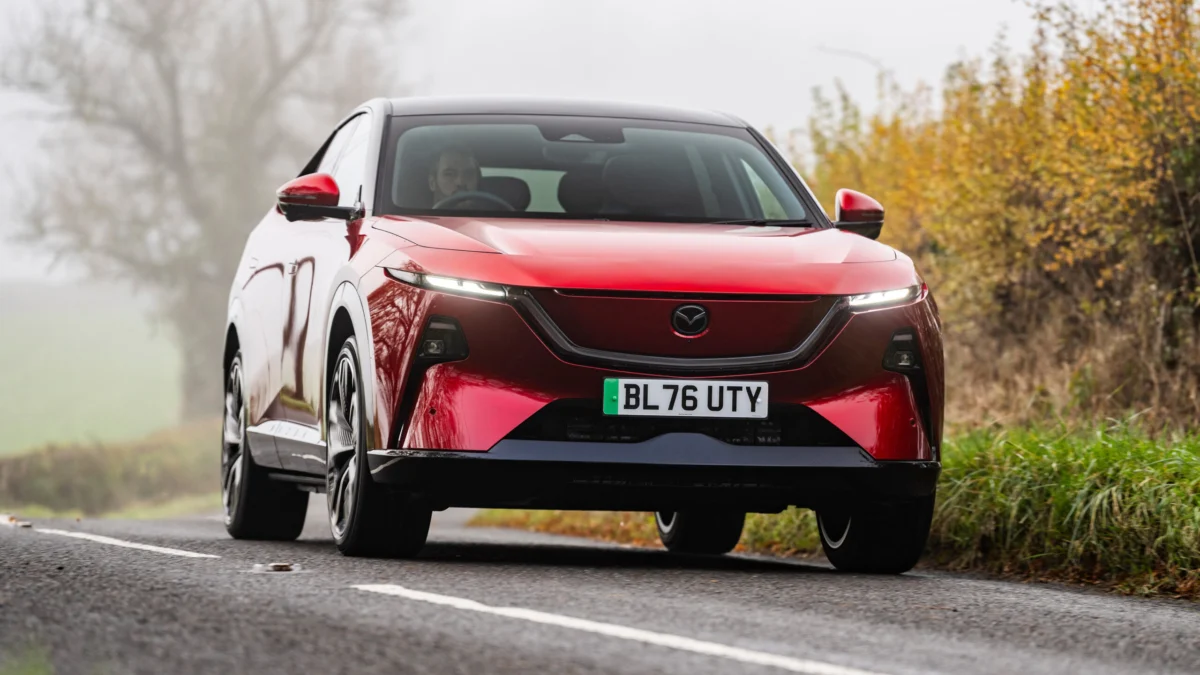
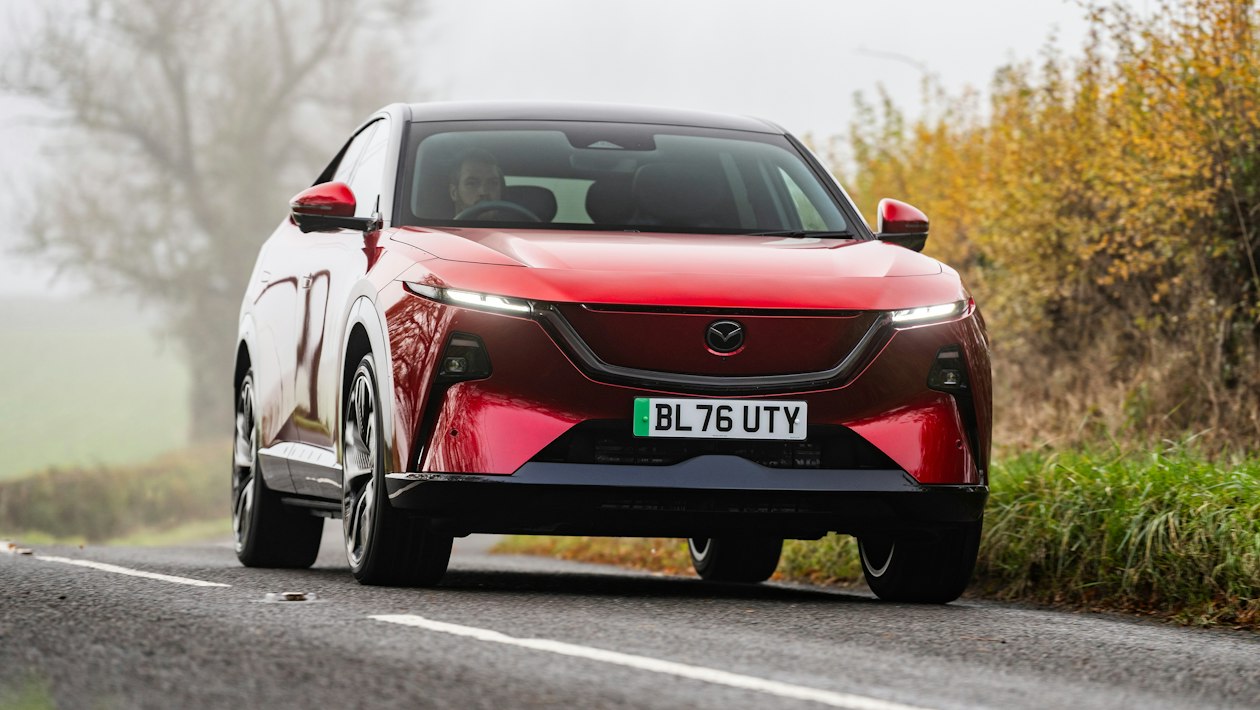
The automotive landscape shifted significantly in early 2026 when Mazda, historically known for its commitment to internal combustion and lightweight driving dynamics, accelerated its electrification strategy through a strategic joint venture with the Chinese automotive giant, Changan. The resulting product of this collaboration, the Mazda CX-6e, represents a bold pivot for the Japanese manufacturer. Positioned as a mid-size electric SUV, the CX-6e arrives as the second major release from the Mazda-Changan partnership, following the 6e saloon. While the two vehicles share a common DNA in terms of powertrain and charging architecture, the CX-6e differentiates itself through a bespoke interior, a distinct SUV silhouette, and a focus on premium cabin experiences that challenge established segment leaders.
Strategic Context and Development Timeline
The genesis of the CX-6e lies in Mazda’s need to secure its place in the rapidly evolving electric vehicle (EV) market. By leveraging Changan’s established expertise in EV platforms, Mazda aimed to fast-track its entry into the high-volume mid-size SUV segment. The 6e saloon, which debuted in early 2026 as a direct competitor to the Tesla Model 3, established the technical foundation, offering a 78kWh battery and a competitive range of up to 348 miles.
The CX-6e, launched later that year, acts as the primary volume driver for the brand’s electric ambitions. Despite the shared underpinnings, the development team opted for a surprising degree of divergence. While the 6e saloon leans into a minimalist, driver-focused aesthetic, the CX-6e features a completely re-engineered interior architecture, including a massive 26-inch central touchscreen and an unconventional absence of a dedicated instrument cluster. This decision reflects a broader trend in automotive design where software-defined vehicles prioritize screen real estate over traditional switchgear, though it also signals the unique challenges of integrating Mazda’s design language with a platform co-developed with an external partner.
Technical Specifications and Performance Metrics

At the heart of the CX-6e is a 78kWh battery pack (77kWh usable), paired with a single-motor, rear-wheel-drive configuration. This setup delivers 254bhp, allowing the SUV to achieve a 0-62mph sprint in 7.9 seconds. While these figures are not designed to challenge hyper-EVs, they provide a balanced, punchy driving experience suitable for the stop-start nature of urban environments and the sustained speeds of motorway cruising.
A standout feature of the vehicle’s electrical architecture is its 200kW fast-charging capability. In real-world testing, this allows for a 10 to 80 per cent charge in approximately 24 minutes. This charging performance is critical, as it places the Mazda ahead of several key competitors, including the Skoda Enyaq, and ensures that the vehicle remains viable for long-distance travel despite a maximum range that, at 300 miles, trails the current segment leaders like the Tesla Model Y.
The driving experience is characterized by a mature, composed ride. Unlike the lighter, more agile Mazda models of the past, the CX-6e prioritizes comfort and stability. The damping system effectively masks road imperfections, providing a "grown-up" feel that aligns with its premium positioning. However, the influence of the joint-venture platform is evident in the vehicle’s driver-assistance systems. The lane-keeping and safety alerts are notably sensitive, and the integration of these features into a complex, menu-heavy infotainment system can lead to a frustrating user experience, particularly when attempting to customize settings during a commute.

Interior Architecture and User Interface Challenges
The cabin of the CX-6e is perhaps its most polarizing feature. By replacing the traditional instrument cluster with a 26-inch panoramic display that extends from the centre console to the passenger side, Mazda has embraced a radical, tech-centric design. While visually impressive, the layout poses ergonomic questions. Key information, such as the speedometer, is relegated to the top-right corner of the central screen. Although a head-up display is provided as standard to mitigate this, the visibility and clarity of the digital readouts can be compromised in varying light conditions.
The material quality, however, is indisputably high-end. Mazda has utilized soft-touch fabrics, high-quality leather alternatives, and robust assembly techniques that allow the interior to compete with vehicles from the premium German marques. The decision to include a passenger-side display is a nod to modern digital expectations, though its long-term utility remains to be seen. The lack of physical buttons, while contributing to a clean aesthetic, necessitates a reliance on the touchscreen for even minor climate or safety adjustments. This creates a reliance on a menu structure that, while responsive, lacks the intuitive nature of traditional tactile controls.

Market Positioning and Competitive Analysis
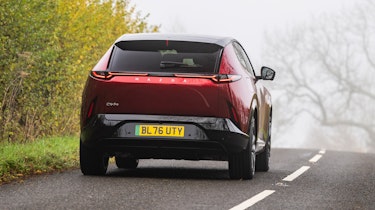
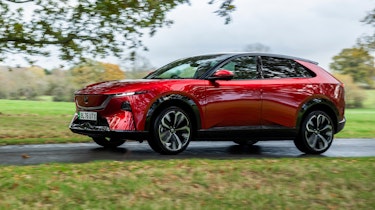
The CX-6e is priced starting just under £43,000, placing it at the upper end of the mainstream SUV market and the entry point of the premium segment. In terms of dimensions, the vehicle measures 4,850mm in length, making it slightly longer than the Tesla Model Y and significantly larger than the Skoda Enyaq. This extra length translates to a generous wheelbase, which provides ample legroom for rear-seat passengers, making it a viable family vehicle.
Boot space is rated at 468 litres, which, while appearing modest on paper compared to some rivals, is highly usable due to the clever layout and the addition of a useful front trunk (frunk). The frunk provides a dedicated space for charging cables, freeing up the main boot for luggage—a feature that significantly boosts the vehicle’s daily utility.

From an economic perspective, the CX-6e benefits from favorable company car tax rates and escapes the luxury car tax surcharge in the UK due to its price point. While insurance groups are currently high, reflecting the "unknown" nature of the vehicle’s repair and technology costs, early depreciation models suggest that the CX-6e will hold its value reasonably well—outperforming some of its direct rivals in the mid-size SUV class.
Broader Implications of the Mazda-Changan Partnership
The launch of the CX-6e serves as a litmus test for the future of international automotive joint ventures. By tapping into Changan’s R&D capabilities, Mazda has been able to bring a sophisticated, tech-laden EV to market significantly faster than it could have through internal development alone. However, the "Mazda-ness" of the driving experience is a subject of ongoing debate among automotive critics. While the vehicle remains predictable and nimble, it lacks the signature steering feedback and "pointy" front-end handling that have defined the brand’s ethos since the introduction of the MX-5.

Industry analysts suggest that this shift is necessary to ensure the brand’s survival in a market where electric range, software integration, and interior technology are the primary metrics of success. The managing director of Mazda UK has indicated that the company’s current focus is on "volume segments," suggesting that the CX-6e is merely the first in a broader wave of electric vehicles expected from the partnership. This implies that the brand is willing to trade some of its traditional enthusiast-focused DNA for the broader market appeal required to remain competitive in a post-combustion era.
Safety and Reliability Considerations
While the CX-6e is a new entrant, the parent companies bring decades of experience to the table. The 6e saloon has already secured a five-star rating from Euro NCAP, and it is widely expected that the CX-6e will mirror this achievement when it undergoes testing in 2027. Mazda’s commitment to reliability is bolstered by a generous six-year, 100,000-mile warranty for all new vehicles, alongside an eight-year guarantee for the battery pack.
These long-term assurances are vital for building consumer confidence in a new, unproven vehicle platform. The primary concern for early adopters will not be mechanical failure, but rather the software-heavy interface and the potential for over-the-air updates to resolve the current usability quirks. As the vehicle matures, the integration between the Changan-sourced electronics and the Mazda-tuned chassis will likely refine, potentially addressing the criticisms surrounding the overactive safety nannies and menu complexity.
Conclusion and Future Outlook
The Mazda CX-6e is a complex vehicle that balances high-end interior quality with the inherent challenges of an all-new electric platform. It offers a compelling alternative to the Tesla Model Y for those who prioritize cabin atmosphere, material quality, and a more traditional SUV form factor. While it may not satisfy those looking for the sharpest driving dynamics in the segment, it succeeds as a practical, refined, and technologically advanced family transport.
As Mazda continues to integrate its lessons from the 6e and CX-6e projects, the next phase of its electric evolution will likely focus on refining the balance between digital integration and human-centric ergonomics. For now, the CX-6e stands as a testament to the brand’s adaptability, proving that it can successfully pivot to electric propulsion while maintaining the premium standards that its customers have come to expect. Whether this strategy will be sufficient to secure a long-term position in the fiercely competitive EV market remains a question that will be answered by sales performance and long-term owner feedback over the coming years.