
A Decade of Evolution: From Eight to Hundreds
The journey toward community-based forestry in the DRC has been marked by significant bureaucratic milestones. Ten years ago, the legal landscape was disparate and often hostile to local land claims. The turning point arrived with a 2016 ministerial decree that provided the first formal framework for communities to apply for, manage, and legally operate their traditional forests.
Since that landmark regulation, the growth has been exponential. In 2017, the country hosted only eight formally recognized concessions. By 2026, that figure has surged to over 350, with at least 236 having achieved full legal status. This rapid expansion signifies a clear shift in government policy and NGO support, moving away from centralized, state-controlled forestry toward a model of community stewardship. However, the sheer speed of this growth has created an administrative bottleneck, leaving many communities with legal titles but insufficient resources to implement sustainable management plans.

The Mechanism of Land Security
The core objective of the CFCL program is twofold: to grant legal protection against the encroachment of industrial logging and mining interests, and to empower local communities to derive economic value from their land. In a country where land tenure is often a source of intense conflict, the CFCL provides a vital safeguard.
Blaise Mudodosi, a doctoral researcher at the University of Goma and coordinator for the NGO Actions for the Promotion and Protection of Threatened Peoples and Species (APEM), notes that the primary achievement to date is security. "Communities have placed a great deal of hope in this process," Mudodosi explains. "The fact that they hold a concession provides a psychological and legal sense of security that was previously absent. It is the most important part of the transition."
Yet, this legal shield does not automatically translate into prosperity. The transition from holding a title to generating sustainable income is fraught with technical, infrastructural, and economic obstacles.
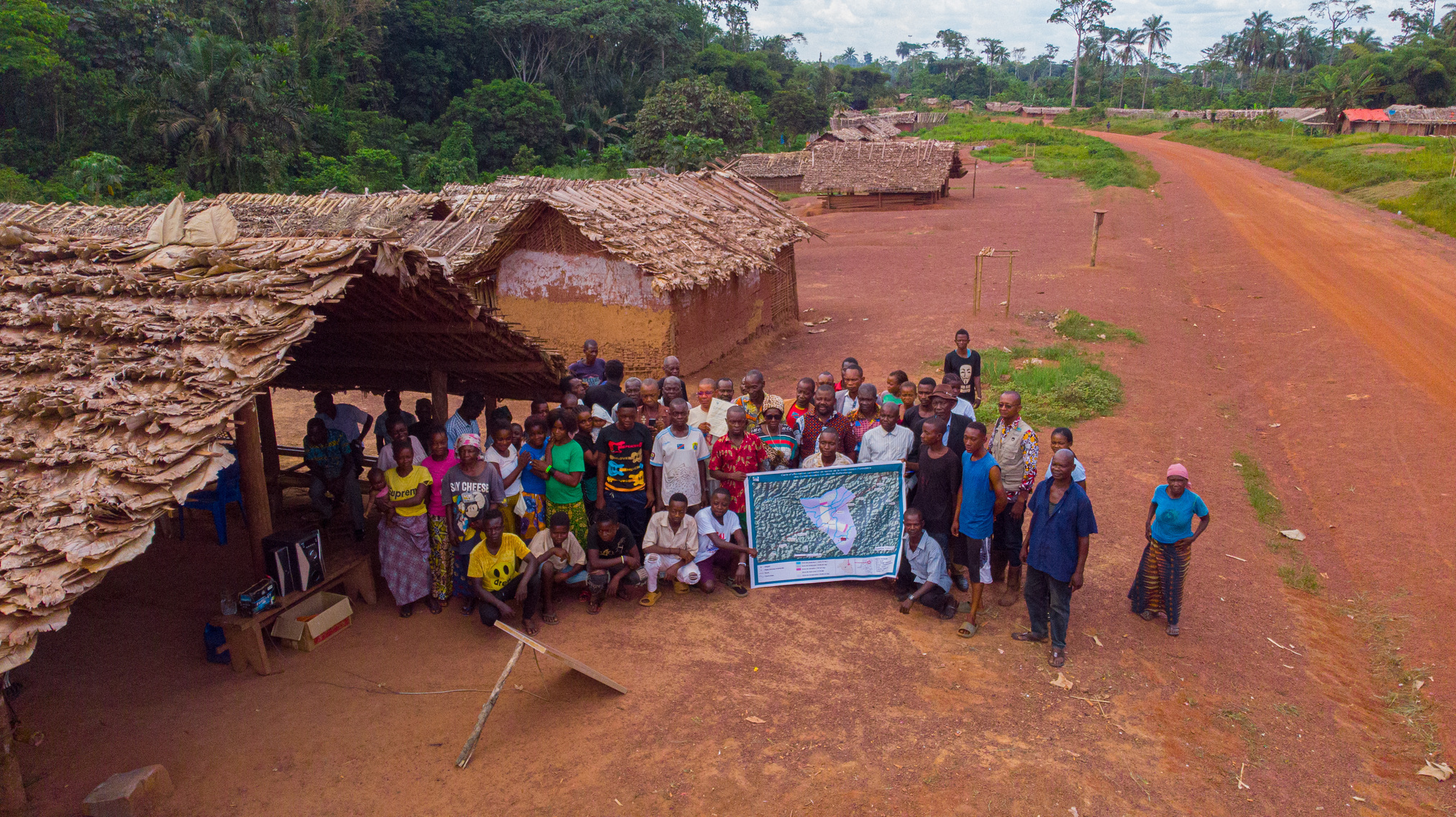
The Gap Between Policy and Reality
While the legal framework exists, the ground-level implementation reveals a series of systemic failures. According to Védaste Cituli, a researcher at the Higher Institute for Rural Development in Bukavu (ISDR-Bukavu), the promise of the CFCL program is often undermined by corruption and institutional inertia.
"The community forest approach is vital for conservation and the preservation of indigenous knowledge," Cituli states. "But at the local level, we see serious problems. Despite the law stipulating that permits should be issued free of charge, many communities report being forced to pay large sums to government officials to expedite their applications. Corruption is taking root in the very process intended to empower these groups."
Furthermore, the lack of coordination between government agencies remains a primary point of friction. In many provinces, a forest concession might be granted to a community, only for the Ministry of Mines to issue a mining title over the same land. Because the mining sector operates under a special, high-priority legal regime in the DRC, the community’s forest rights can be effectively neutralized or ignored, leading to environmental degradation and social displacement.

Economic Hurdles and Infrastructure Constraints
The economic sustainability of these forests depends on the ability of communities to extract value without destroying the ecosystem. However, the logistical reality of the Congo Basin makes this an uphill battle.
Many of these concessions are located in remote areas with non-existent road networks and no access to electricity. In some regions, even basic necessities like salt or soap must be transported by air, making it nearly impossible to bring forest products to regional or international markets at a competitive price.
"The first obstacle is technical capacity," Mudodosi points out. "We expect these communities to manage complex ecosystems, yet the support providers often leave before a management plan is finalized. Even when plans are created, they are often academic in nature and poorly understood by the very people tasked with executing them."

The data supports this concern: of the 358 CFCLs identified, only 67 possess approved management plans. Without these plans, the forests are often managed according to historical, informal practices, which—while traditional—may not be sufficient to combat modern pressures such as commercial poaching or illegal charcoal production.
The Carbon Credit Dilemma
A significant driver for the initial enthusiasm surrounding community forestry was the promise of the carbon market. Communities were led to believe that by protecting their forests, they would receive regular payments from international entities looking to offset their carbon emissions.
"We were told there would be carbon markets," residents in South Kivu told researchers. "But we no longer see anyone willing to buy credits or compensate us for our stewardship. We are forced to exploit our forest just like in the old days to survive."

This failure of the "conservation-for-payment" model has left many communities disillusioned. When the promised financial incentives do not materialize, the temptation to engage in short-term, destructive exploitation becomes a rational survival strategy rather than a choice.
Inclusivity and Governance
Another critical concern is the internal power structure of the CFCLs. Research indicates that despite the democratic intent of the committees, marginalized groups—specifically women and Indigenous peoples—are frequently excluded from decision-making.
Cituli highlights that the reliance on simple "show-of-hands" voting in some communities naturally favors the dominant demographic groups, effectively silencing the voices of women and minorities. For the CFCL model to be truly effective, experts argue that there must be a rigorous, institutionalized mechanism to ensure that those who are most dependent on the forest are the ones holding the keys to its management.

The Path Forward: Recommendations
Experts like Mudodosi and Cituli emphasize that the next phase of community forestry in the DRC must focus on "synergy." This requires a coordinated effort between the Ministry of Environment, the Ministry of Mines, and local government authorities to ensure that overlapping titles do not continue to undermine conservation efforts.
- Direct Investment: Community forestry currently receives less than 10% of the total funding allocated to forest management in the DRC. Increasing this proportion is essential to provide the infrastructure—roads, storage, and processing facilities—needed for communities to transition to sustainable livelihoods.
- Capacity Building: Support must shift from the initial "title-gathering" phase to a long-term "management" phase. This includes training community members in sustainable harvesting techniques, basic accounting, and legal defense to protect their rights against corporate encroachment.
- Local Entrepreneurship: Success stories already exist, such as communities in Maï-Ndombe finding success with sustainable cocoa, coffee, and improved cassava processing. These models should be scaled and replicated to demonstrate that forest protection can be an engine for economic growth.
- Institutional Reform: The process for obtaining permits must be digitized and audited to eliminate the corruption that currently plagues the application stage.
Implications for the Congo Basin
The DRC holds a significant portion of the Congo Basin, which is widely considered the world’s last major land-based tropical carbon sink as the Amazon and Southeast Asian forests face increasing degradation. The success or failure of the CFCL initiative is not merely a local administrative issue; it is a global environmental priority.
If the DRC can bridge the gap between its progressive legal framework and the reality of local implementation, it could provide a blueprint for forest-rich nations worldwide. If it fails, the country risks losing its most valuable natural asset to uncoordinated exploitation, while simultaneously failing the millions of people who have acted as the forest’s traditional guardians.

The next five years will be decisive. As the number of legally established concessions continues to climb, the pressure on the state to provide meaningful oversight, technical support, and fair access to international carbon markets will only intensify. The "hope" mentioned by researchers remains, but as the last decade has shown, hope alone cannot preserve the forest. Only consistent, transparent, and adequately funded governance will ensure that the CFCL model survives the transition from a hopeful policy to a permanent, sustainable reality.