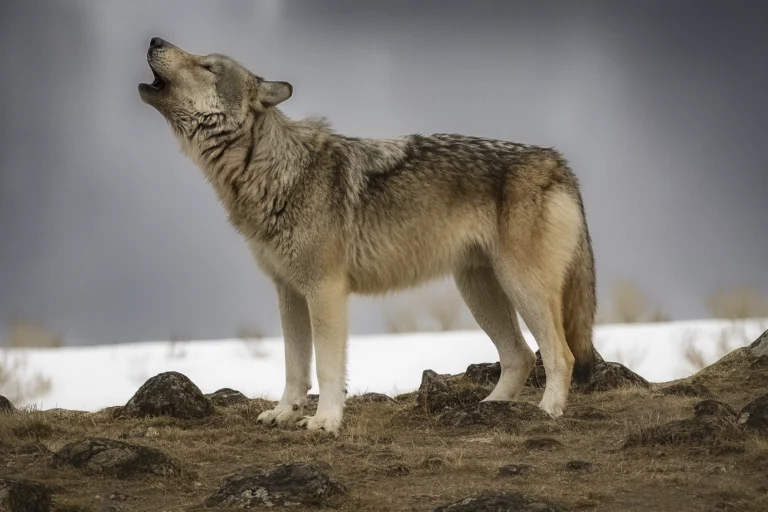
Jeff Reed was raised on the classic folklore of the American West, where the silhouette of a wolf was long synonymous with a threat to be neutralized. Like many who grew up in rural Montana, the ingrained "Little Red Riding Hood" myth—that wolves were predatory villains—shaped his early worldview. For decades, the reflexive response to spotting a wolf was a simple, brutal calculation: reach for the rifle. However, a singular, quiet encounter on his Montana farm five years ago shattered that narrative, triggering a transformation that has led Reed from the high-tech boardrooms of Silicon Valley to the backcountry of Yellowstone National Park.

That night, a large gray wolf stood broadside in the beams of Reed’s truck headlights, a mere 10 yards away. As he reached for his weapon, the instinct to hunt collided with a sudden, profound dissonance. "What the hell am I doing?" he recalls asking himself. He fired into the air, intentionally missing the animal. The wolf did not bolt; it simply trotted alongside him for a moment before disappearing into the night. That hesitation marked the beginning of a radical shift, moving Reed from a skeptic of predator presence to one of the world’s most innovative advocates for their conservation.
The Intersection of Linguistics and AI
The transition for Reed, a Ph.D. linguist and former software engineering lead, was not as disjointed as it might appear. His professional career in language structure and computer science provided a unique toolkit for analyzing animal behavior. In 2023, he launched the Cry Wolf Project, an initiative that fuses bioacoustics with advanced artificial intelligence to study the communication patterns of wolves. Operating within the framework of the long-standing Yellowstone Wolf Project, Reed has transformed the study of apex predators into a data-driven science of "wolfish."
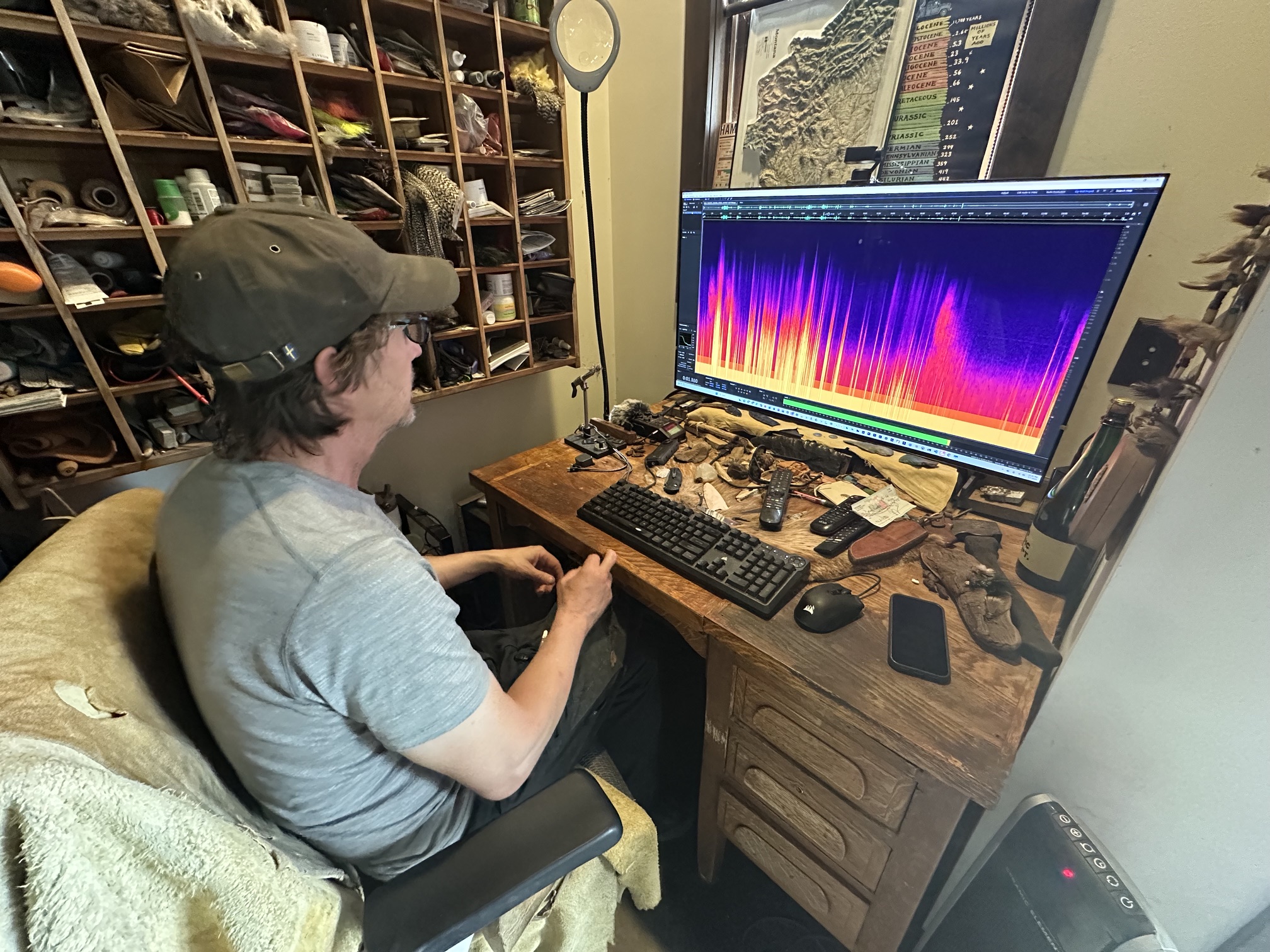
While traditional field biology relies on invasive methods such as collaring and aerial tracking, Reed’s approach is entirely non-invasive. He has deployed approximately 50 automated recording units (ARUs) across the Yellowstone wilderness. These devices capture 500,000 hours of audio annually, creating a massive, raw soundscape database. By training AI models to filter this acoustic data, Reed has successfully isolated over 8,000 hours of continuous wolf vocalizations, the largest collection of its kind in the world.
A Chronology of Conflict and Restoration
To understand the significance of Reed’s work, one must look at the turbulent history of wolves in Yellowstone. Wolves were systematically eradicated from the park between 1918 and 1926, driven by a combination of government policy and intense pressure from the ranching community. The result was a catastrophic collapse of the local ecosystem. Without their primary predator, elk populations exploded, leading to severe overgrazing, the destruction of riparian vegetation, and a decline in beaver populations, which depend on healthy willow and aspen growth.

The 1995 reintroduction of wolves was a landmark environmental effort aimed at restoring trophic cascades—the ecological phenomenon where predators control herbivore populations, which in turn allows vegetation to recover. Dan Stahler, the current chief wildlife biologist at Yellowstone and manager of the Yellowstone Wolf Project, has overseen the evolution of this population since the late 1990s. Today, there are eight distinct packs in the park, totaling approximately 84 wolves. Stahler views Reed’s technological contributions as a vital "new prong" in the park’s research, providing a bridge between decades of field observations and cutting-edge bioacoustic analysis.
Technical Breakthroughs in Bioacoustics
The core of Reed’s methodology involves transforming wolf vocalizations—barks, whimpers, moans, and the iconic chorus howls—into spectrograms. These visual representations of sound allow for precise, repeatable analysis. Reed notes that wolves utilize more than 20 distinct call types. By mapping these frequencies, he is not attempting to translate wolf sounds into human language, but rather "narrating the howl."
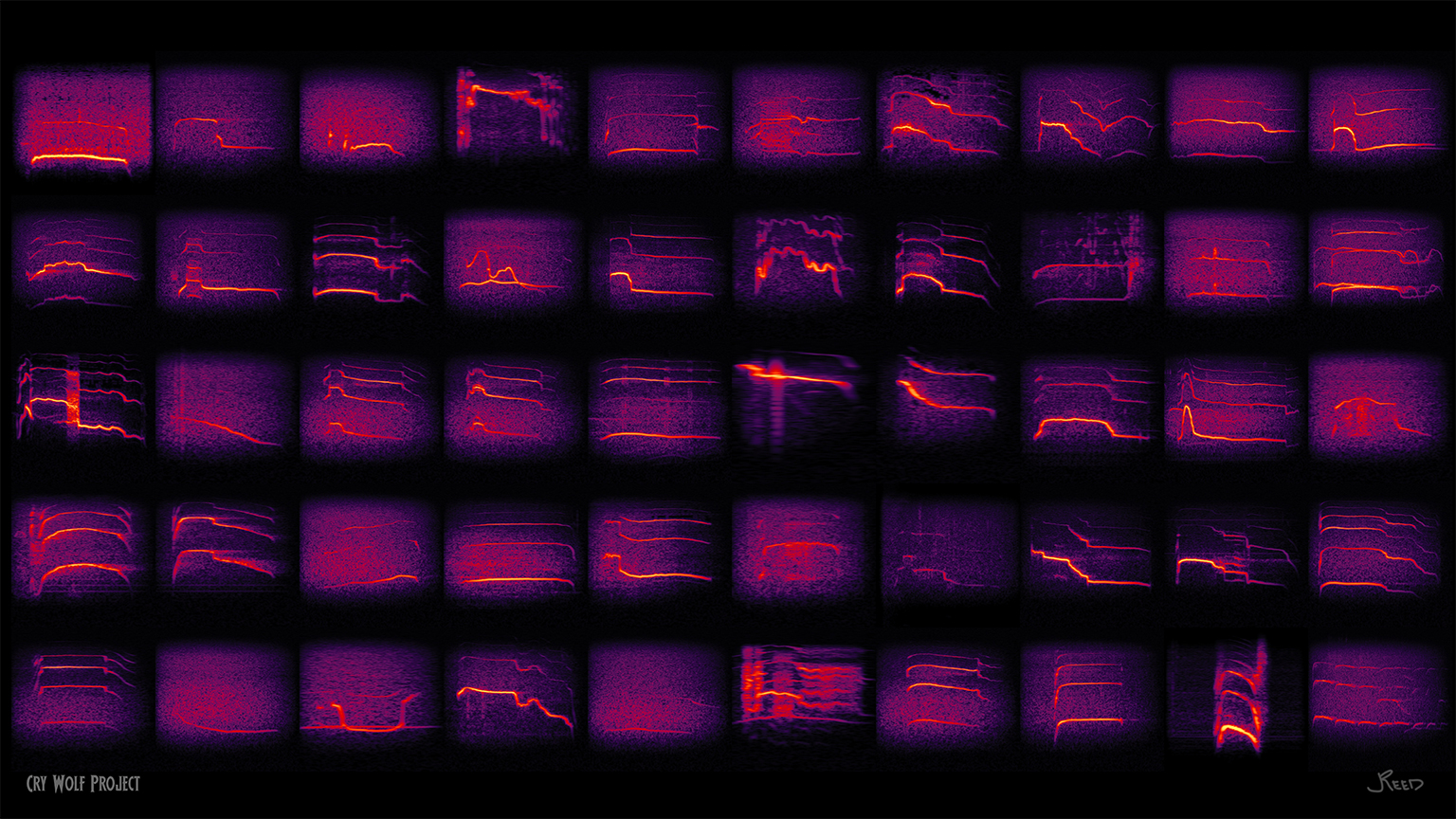
This work is labor-intensive. Despite the efficiency of AI in scanning audio, the human element remains paramount. Reed is currently annotating the massive library of wolf sounds, manually identifying the context—such as a successful hunt, a river crossing, or a territorial dispute—that accompanies specific vocalizations. By recognizing individual wolves by their unique acoustic signatures, Reed is building a narrative of pack life that reveals the social complexity of these animals. He has successfully tracked the vocalizations of specific wolves, such as the now-deceased, long-lived wolf 907, providing researchers with insights into their last hours and social interactions.
The Public-Private Partnership Model
The success of the Cry Wolf Project lies in the synergy between private technological agility and academic rigor. Mark Hebblewhite, a conservation ecologist at the University of Montana, highlights the efficiency of this collaboration. While universities are often hampered by slow institutional processes and funding hurdles, Reed’s startup, Grizzly Systems, provides the rapid deployment of hardware and software necessary to keep pace with the volatile nature of wildlife monitoring.

This model is already expanding beyond the borders of Yellowstone. In Italy, researcher Paolo Mainardi of the Osservatorio Lupi (Wolf Observatory) has adopted Reed’s ARUs to track Apennine wolves in the Po Valley. The goal in Italy is not just scientific discovery, but practical coexistence. By detecting the approach of wolf packs near human settlements or livestock, the system provides an early-warning mechanism that can prevent conflict without the need for lethal measures.
Broader Implications for Conservation
The potential for this technology extends far beyond wolves. Scientists studying bears, migratory species, and wildlife crossings are eyeing the Cry Wolf Project as a blueprint for non-invasive species monitoring. Erin Hecht, an evolutionary neuroscientist at Harvard, notes that machine learning can identify patterns in animal communication that are invisible to the human ear. "Our minds are built to process our own vocal communication," she explains. "We are not naturally equipped to process the nuanced vocal signals of other species."
The ultimate goal of this research is a shift in public perception. By making the "wolfish" language accessible and telling the stories of these family-oriented animals, Reed hopes to foster a culture of empathy. The narrative arc from "villain" to "intelligent, social creature" is, in his view, the most effective tool for long-term conservation. If landowners and communities can identify with the wolves—recognizing their family dynamics, their joys, and their struggles—the impulse to kill them diminishes.
Future Directions and Ethical Considerations
As Reed continues to compile his data for a forthcoming book, the project faces the challenge of scalability. While the AI models are becoming increasingly sophisticated, they require vast amounts of annotated training data. Reed estimates he is only about 20% of the way through his current dataset, underscoring the immense scope of the project.

There is also the question of how to integrate these findings into federal policy. If bioacoustic monitoring can prove that wolves are avoiding specific areas or shifting their hunting patterns in response to human infrastructure, these data could be used to design more effective wildlife corridors and reduce human-wildlife conflict.
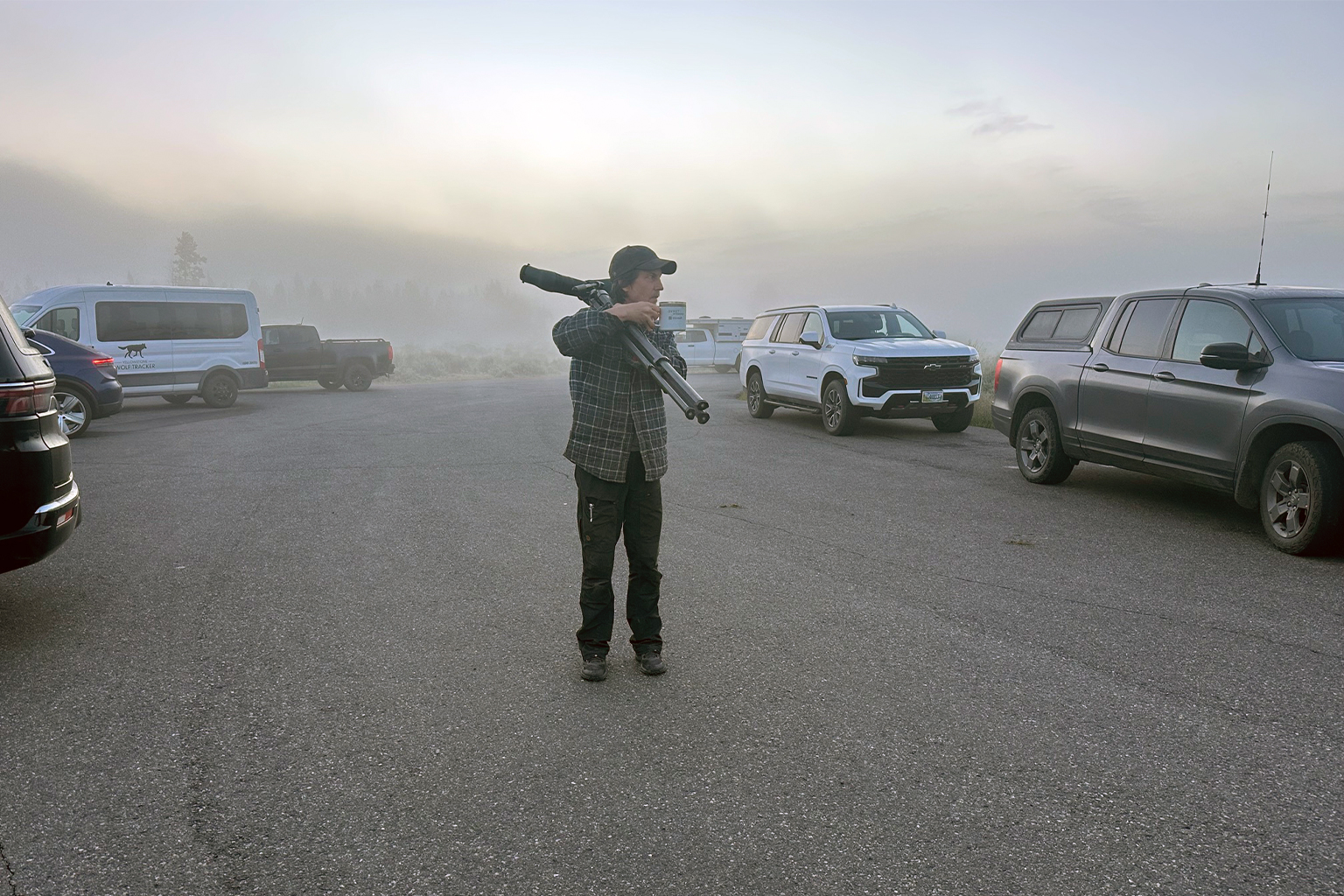
For now, the work remains focused on the ground. At 5:44 a.m. on the Blacktail Deer Plateau, the scene is a testament to the intersection of science and wonder. A group of "wolfies"—enthusiastic citizen scientists—watch through scopes as the Rescue Creek Pack, including seven pups, plays in the dawn light. Jeff Reed, standing among them with his gear, represents a new breed of conservationist: one who uses the binary language of silicon to protect the ancient, wild language of the wilderness. Through his work, the howl of the wolf is no longer just a sound in the night; it is a complex, meaningful, and deeply social story that demands to be heard.