The landscape of American transportation is currently dominated by a trend toward "segment creep," a phenomenon where each successive generation of vehicles becomes larger, heavier, and more resource-intensive than its predecessors. As electric vehicle (EV) adoption grows, this trend has manifested in the production of massive electric trucks and SUVs that, while zero-emission at the tailpipe, require enormous battery packs and significant energy to move. Addressing this paradox, a new Palo Alto-based startup named Also has emerged as a spinoff from Rivian Automotive. The venture, which remained under development in secrecy until recently, aims to provide a sustainable alternative to the oversized electric vehicles currently saturating the market.
Also enters the market with significant financial backing and strategic ties to its parent company. The startup recently secured a $105 million investment led by Eclipse Ventures, a venture capital firm known for its focus on complex hardware and "deep tech" industrial transformations. Demonstrating the strategic importance of this venture, Rivian founder and CEO RJ Scaringe will serve as the chairman of Also and hold a seat on its board of directors. While Also operates as an independent entity, Rivian maintains what it describes as a "substantial minority stake" in the company. This relationship is expected to yield future collaborations, potentially allowing Also to utilize Rivian’s growing retail and service footprint to reach consumers.
The Mission: Redefining Efficiency in Local Travel
The core philosophy behind Also is a rejection of the "bigger is better" mentality that has characterized the U.S. automotive market for decades. The company’s mission is centered on the reality of daily transportation habits. According to data cited by Also, approximately 80% of car trips in the United States are 15 miles or less, and nearly half of all trips are under six miles. Despite these short distances, the majority of these trips are currently undertaken in full-sized cars, trucks, and SUVs designed for highway speeds and long-range travel.
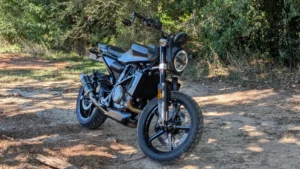
Also aims to replace these "local miles" with vehicles that are significantly more efficient. In its mission statement and recent job postings, the company claims its upcoming products will be 10 to 50 times more efficient than traditional internal combustion engine (ICE) vehicles or full-sized EVs. This level of efficiency suggests a focus on weight reduction and optimized aerodynamics that far exceeds current automotive standards. By focusing on the "micromobility" segment—a category that typically includes electric bikes, scooters, and light three- or four-wheeled vehicles—Also intends to offer a middle ground between a traditional car and a bicycle.
Technical Foundations and Vertical Integration
A defining characteristic of Also’s strategy is its commitment to vertical integration. Unlike many startups in the micromobility space that rely on off-the-shelf components from third-party suppliers, Also is developing its own proprietary technology platform. This includes in-house design and manufacturing of electric motors, battery systems, power electronics, and software.
This vertically integrated approach mirrors the strategy employed by Rivian and Tesla, allowing for tighter control over the "user experience" and the ability to optimize every component for maximum efficiency. By controlling the hardware-software stack, Also claims it can deliver a product that is "unlike anything seen in these segments before." The company’s flagship product, scheduled for an early 2026 launch, will be the first in a broader range of "exciting, small EVs." While specific details regarding the form factor remain confidential, the emphasis on being "delightful to use" and "sustainable" suggests a focus on premium design and intuitive interfaces.
Chronology of Development and Market Entry
The timeline for Also’s market entry is aggressive but calculated. Following its quiet incubation period within Rivian, the spinoff and funding announcement mark the beginning of its public-facing phase.
- 2023–2024: Internal development and incubation at Rivian’s Palo Alto facilities.
- Late 2024: Official announcement of the spinoff, $105 million funding round from Eclipse Ventures, and the appointment of RJ Scaringe as Chairman.
- 2025: Intensive prototyping, testing, and regulatory certification for the U.S. and European markets.
- Early 2026: Launch of the flagship small EV product.
- Post-2026: Global expansion beyond the initial North American and European markets.
Initially, Also will focus its efforts on the U.S. and Europe, regions where urban congestion and the push for "15-minute cities" have created a growing demand for alternative transportation. The European market, in particular, has a long history of embracing "micro-cars" and quadricycles, such as the Citroën Ami or the Microlino, providing a potentially receptive audience for Also’s high-tech interpretation of the segment.
The Problem of Segment Creep and Environmental Impact
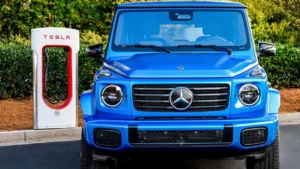
The emergence of Also comes at a critical juncture for the automotive industry. Road transportation remains the leading contributor to global CO2 emissions, and while the shift to electric power is a vital component of decarbonization, the size of vehicles remains a problem. The "segment creep" mentioned by industry analysts refers to the way vehicles like the Honda Civic or Toyota RAV4 have grown significantly larger with every new generation.
In the EV era, this size increase results in a "battery arms race." Larger vehicles require larger batteries to achieve acceptable range, which in turn increases the vehicle’s weight, requiring even more energy to move. A typical electric SUV might weigh between 5,000 and 7,000 pounds. Also argues that using such a massive machine to transport a single person five miles to a grocery store is fundamentally inefficient. By offering vehicles that are "10-50x more efficient," Also targets the reduction of the total energy footprint of the transportation sector, not just the elimination of tailpipe emissions.

Rivian’s Broader Strategic Context
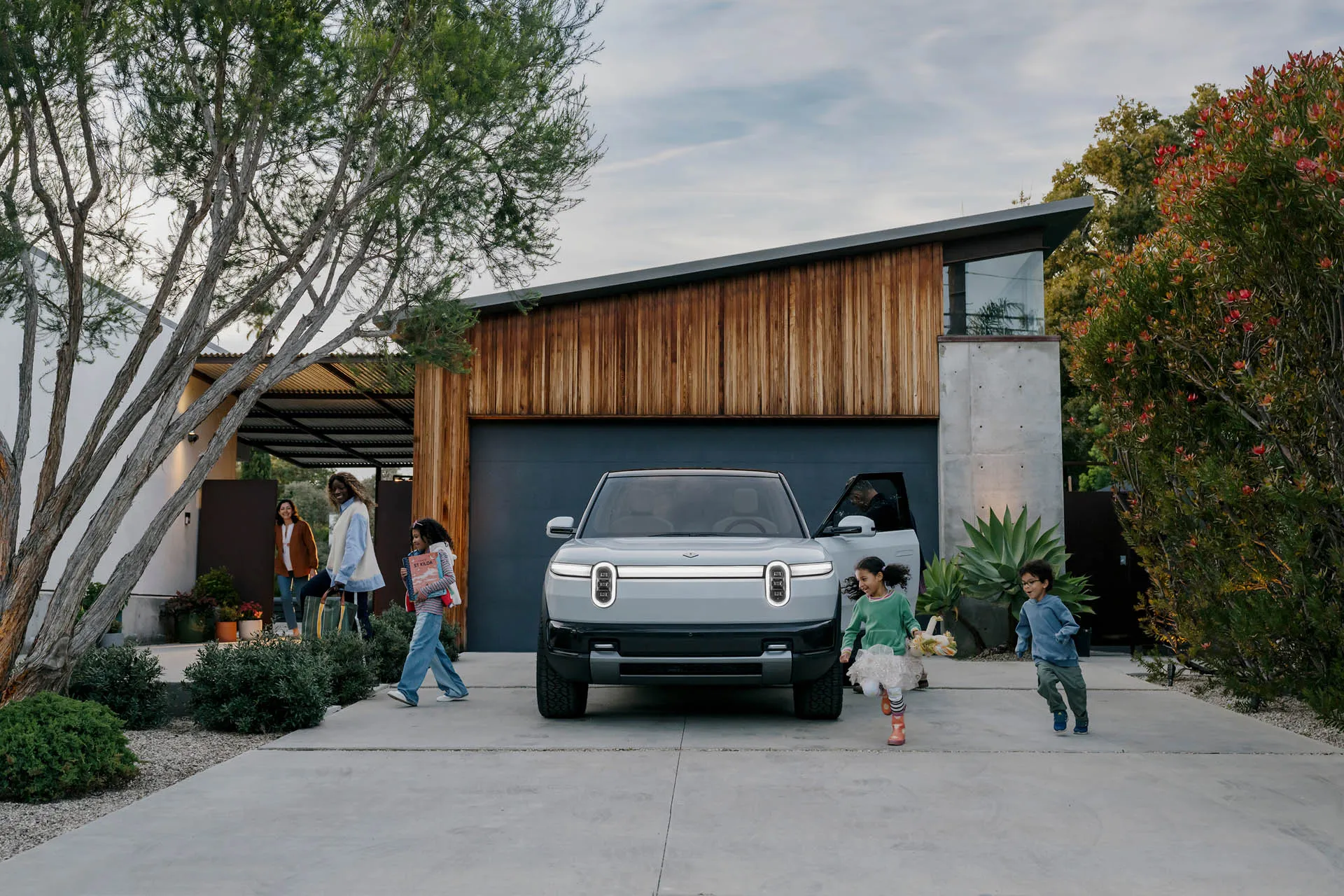
The spinoff of Also is part of a larger, multifaceted strategy by Rivian to diversify its offerings and stabilize its financial future. While Rivian is best known for its premium R1T pickup and R1S SUV—vehicles that sit at the top of the price and size spectrum—the company is rapidly moving "down-market" to capture a broader consumer base.
Rivian is currently preparing for the 2026 launch of the R2, a mid-sized electric SUV with a targeted starting price of $45,000. Following the R2, the company has teased the R3 and R3X, which are even smaller, more rugged hatchbacks designed to revive interest in the small-car market. Furthermore, Rivian recently entered into a $5.8 billion joint venture with the Volkswagen Group. This partnership is focused on developing a next-generation "zonal architecture"—a sophisticated electronic and software framework that simplifies vehicle wiring and enhances computer processing power.
The technology developed through the VW-Rivian partnership is expected to influence future Volkswagen Group EVs and could potentially share synergies with Also’s vertically integrated platform. By spinning off Also, Rivian can focus its primary brand on "adventure" vehicles and passenger SUVs while maintaining a foothold in the burgeoning urban micromobility market through a specialized, agile subsidiary.
Market Implications and Industry Reaction
Industry analysts view the creation of Also as a hedge against changing urban regulations and shifting consumer sentiment. Many major cities, particularly in Europe and increasingly in parts of the U.S. like New York and San Francisco, are implementing policies to discourage the use of large personal vehicles in city centers. These include congestion pricing, the removal of parking spaces, and the creation of car-free zones.
"The micromobility market has seen a lot of volatility with scooter-sharing startups, but there is a massive, untapped demand for high-quality, privately owned small EVs," notes one transportation analyst. "By leveraging Rivian’s engineering pedigree and RJ Scaringe’s leadership, Also is positioning itself as a premium hardware player rather than just a software or service provider."
The $105 million investment from Eclipse Ventures is a substantial sum for a seed-stage spinoff, indicating strong investor confidence in the hardware-centric approach. Eclipse Ventures has a track record of backing companies that combine physical manufacturing with advanced digital infrastructure, suggesting that Also’s "platform" approach was a key selling point.
Potential Challenges Ahead
Despite the strong backing and clear mission, Also faces significant hurdles. The U.S. market has traditionally been hostile to very small vehicles due to safety concerns and a lack of dedicated infrastructure. Convincing American consumers to "say no" to super-sized products requires not just a compelling vehicle, but a shift in societal perception.
Furthermore, Also will need to navigate a complex web of international regulations. Small EVs often fall into different regulatory categories (such as Neighborhood Electric Vehicles in the U.S. or L-category quadricycles in Europe), which have different safety standards and speed limitations. Ensuring that their "flagship product" is both safe enough for mixed traffic and light enough to maintain its efficiency targets will be a primary engineering challenge.
Conclusion: A New Frontier for Electric Mobility
As the automotive world continues to grapple with the complexities of climate change and urban density, Also represents a bold experiment in downsizing. By focusing on the 80% of trips that are short-distance and local, the startup is challenging the notion that an EV must be a direct, 1:1 replacement for a gasoline-powered SUV.
With the support of Rivian’s retail footprint, the technical oversight of RJ Scaringe, and a significant capital infusion, Also is well-positioned to lead a new segment of the market. Whether American and European consumers are ready to embrace "10-50x efficiency" over the comfort of a full-sized truck remains to be seen, but the 2026 launch of Also’s flagship product will undoubtedly be a pivotal moment for the future of urban transportation.