The fashion industry reached a significant turning point this month with the announcement that Everlane, the San Francisco-based pioneer of "radical transparency" and minimalist ethical fashion, has been acquired by the ultra-fast fashion behemoth Shein. The transaction, orchestrated by Everlane’s majority owner, the private equity firm L Catterton, marks the end of an era for the direct-to-consumer (DTC) movement that defined millennial retail habits for over a decade. While financial terms of the deal were not disclosed, the acquisition has sparked an intense debate among industry analysts, environmental advocates, and consumers regarding the viability of sustainable business models in a global market increasingly dominated by hyper-consumption and AI-driven logistics.
The Rise of Everlane and the Millennial Ethos
Everlane was founded in 2011 by Michael Preysman and Jesse Farmer with a mission that disrupted the traditional retail landscape. Launched during the height of the Obama era, the brand capitalized on a burgeoning consumer desire for ethical production and price transparency. At the time, the fashion industry was largely opaque; consumers had little insight into the markups applied by luxury brands or the conditions within the factories where their clothes were made.
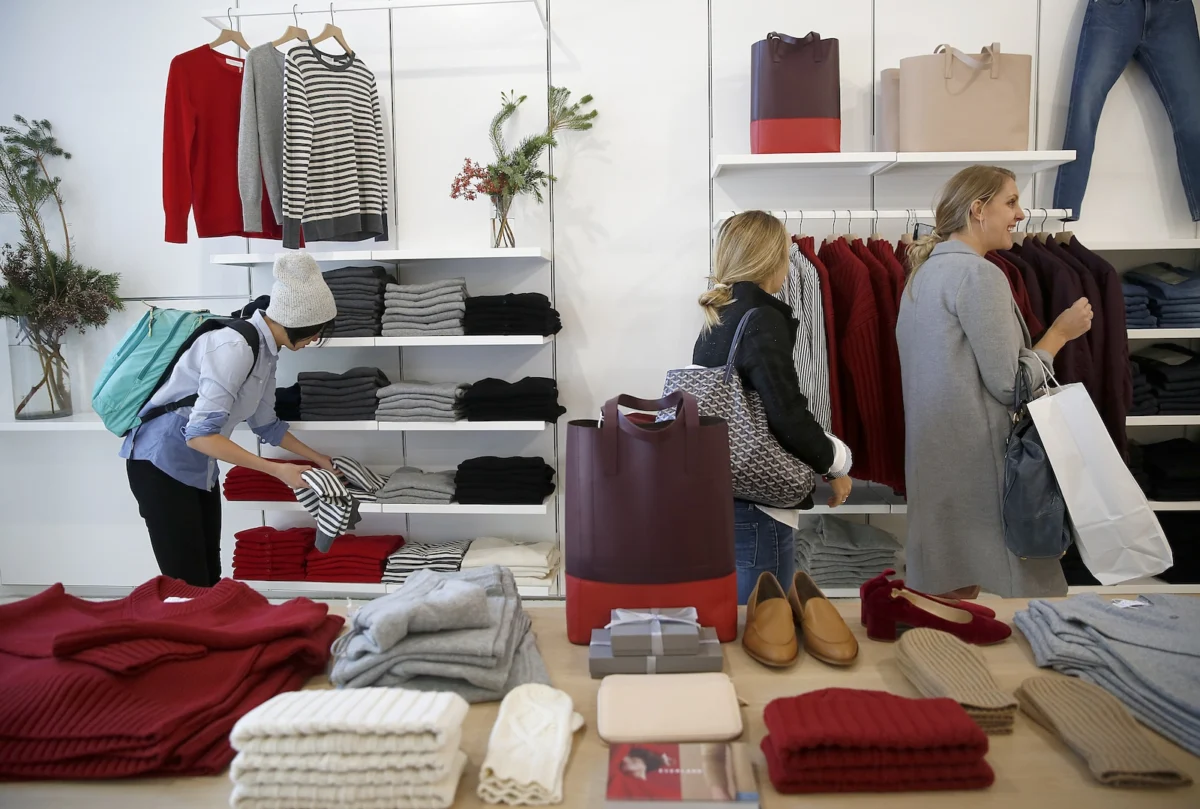
Everlane’s "Radical Transparency" campaign changed this by breaking down the costs of every garment—from materials and hardware to labor and transportation—and showing the profit margin the company took. By operating exclusively online in its early years, Everlane claimed to cut out the "middleman," allowing it to offer high-quality "modern basics" at a fraction of the cost of traditional luxury retailers. The brand’s aesthetic—muted tones, boxy silhouettes, and timeless designs—appealed to a demographic that sought to distance itself from the "disposable" nature of fast fashion.
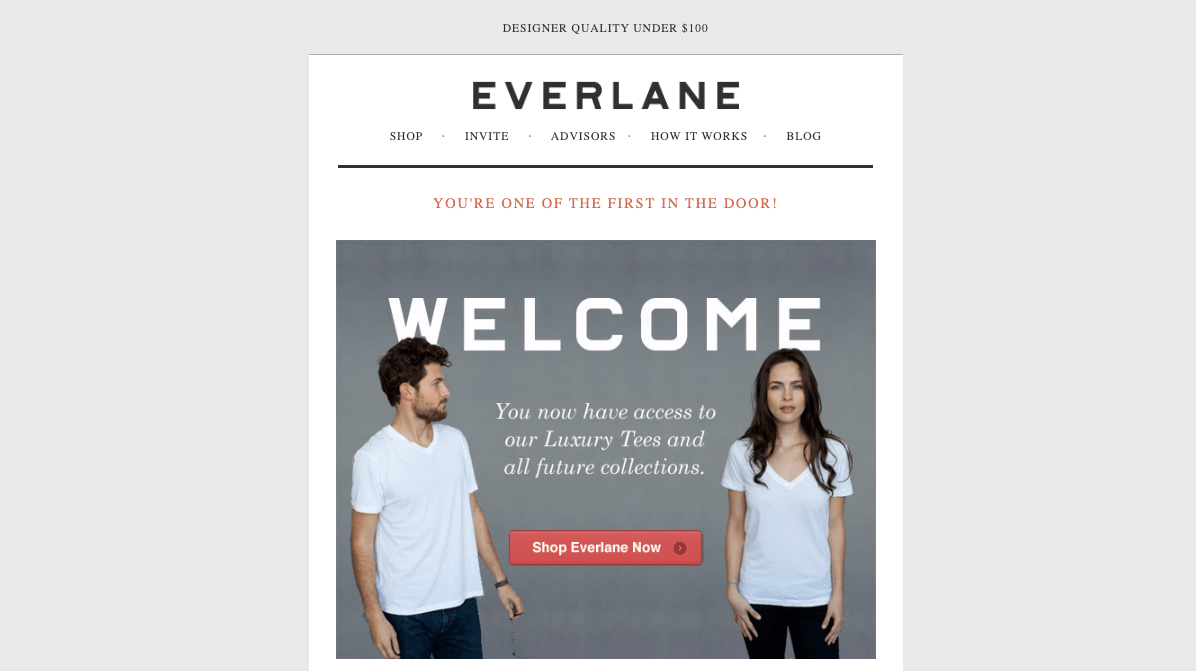
The company’s growth was fueled by significant venture capital investment, totaling approximately $110 million over several funding rounds. Investors were drawn to Everlane’s ability to build a cult-like following through clever digital marketing, including an invitation-only launch phase that mirrored the early exclusivity of platforms like Gmail. By 2017, despite Preysman’s earlier insistence that the company would never open physical stores, Everlane expanded into brick-and-mortar retail, opening flagship locations in New York and San Francisco.
Sustainability Goals and Environmental Milestones
As the brand matured, its focus shifted from price transparency to environmental stewardship. In 2021, Everlane announced an ambitious roadmap to reach net-zero emissions by 2050, with a shorter-term goal of reducing per-product carbon emissions by 55 percent by 2030. According to the company’s 2024 sustainability report, it had already made significant strides, reducing its Scope 1, 2, and 3 emissions by 60 percent since 2019.
Everlane’s environmental strategy was built on several key pillars:
- Material Innovation: The brand transitioned to using 100 percent certified organic cotton and sought to eliminate virgin plastics from its entire supply chain, including packaging and synthetic fibers.
- Factory Transparency: Everlane maintained a public database of its factories in Vietnam, China, Italy, and Peru, sharing photographs of the facilities and auditing them for fair wages and worker safety.
- Longevity: The brand marketed its clothing as "made to last," encouraging consumers to buy fewer, higher-quality items rather than participating in the weekly trend cycles of traditional fast fashion.
Despite these efforts, the company faced internal and external challenges. In 2020, Everlane was criticized by former employees and labor advocates for its response to a unionization effort, which some argued contradicted the brand’s "ethical" image. Furthermore, as the DTC market became saturated and digital advertising costs skyrocketed, Everlane struggled to maintain the explosive growth its venture capital backers expected.
The Shein Phenomenon: A Contrast in Models
The acquisition by Shein represents a radical departure from Everlane’s founding principles. Founded in China and now headquartered in Singapore, Shein has become the world’s largest fashion retailer by leveraging a "small-batch" production model powered by sophisticated AI algorithms. Unlike Everlane, which releases curated seasonal collections, Shein reportedly adds up to 10,000 new items to its platform every single day.
Shein’s success is built on unprecedented speed and ultra-low prices, often selling garments for less than $10. This model has made it a target for environmentalists and human rights organizations. A 2023 report highlighted that Shein’s carbon footprint is massive, driven by a high-volume air freight logistics chain and the promotion of a "wear-it-once" culture. While Shein has made attempts to rehabilitate its image—such as launching a $50 million "Extended Producer Responsibility" fund and hosting highly publicized influencer tours of its facilities—critics dismiss these moves as "greenwashing."
The juxtaposition of the two companies is stark. While Everlane spent a decade trying to convince consumers that a $25 T-shirt was a sustainable investment, Shein convinced a new generation that a $5 top is a disposable commodity. The sale of Everlane to Shein suggests that the market for "ethical basics" may have hit a ceiling, while the appetite for ultra-fast fashion remains bottomless.
Chronology of the Acquisition and Leadership Response
The sale of Everlane was finalized following a period of financial restructuring. L Catterton, the private equity firm backed by the luxury conglomerate LVMH, had taken a majority stake in Everlane in 2020 as the brand faced pandemic-related headwinds. According to industry reports, the decision to sell to Shein was driven by L Catterton’s desire to exit the investment amid a challenging environment for mid-market fashion brands.
The reaction from Everlane’s leadership has been one of public distancing. Michael Preysman, who stepped down as CEO in 2022 but remained an executive chairman, reportedly learned of the sale through media reports. In a statement on LinkedIn, Preysman expressed surprise at the move and signaled his intention to launch a new venture. He noted that his next project would eschew venture capital and private equity funding, aiming to return to the "authentic" roots of sustainable retail without the pressure of hyper-growth.
Industry analysts have reacted with skepticism regarding the future of the Everlane brand under Shein’s umbrella. "The sale of Everlane to Shein is the ultimate irony," noted one retail consultant. "It suggests that the very brand that promised to fix the fashion industry has been swallowed by the company that many believe is breaking it."
Industry Implications and the Future of Sustainability
The Everlane-Shein deal raises fundamental questions about the future of the "sustainable" fashion industry. If a brand with Everlane’s pedigree and consumer loyalty cannot survive as an independent entity, what does that mean for smaller, emerging ethical labels?
- The Death of the Millennial Sustainability Myth: For years, the prevailing narrative was that consumers would "vote with their wallets" for better environmental outcomes. However, data from 2024 and 2025 suggests a "sustainability paradox." While consumers express a preference for ethical brands in surveys, their purchasing behavior remains dominated by price and convenience. Even the rise of the resale market (thrifting) has not slowed the production of new clothes; rather, it has often functioned as a way for consumers to clear out old "fast fashion" to make room for new purchases.
- The Consolidation of Fast Fashion: Shein’s acquisition of Everlane is part of a broader strategy to diversify its portfolio and gain a foothold in "premium" segments. By owning Everlane, Shein gains access to a more affluent, Western demographic and a wealth of data on sustainable supply chains—even if it chooses not to implement those practices across its primary platform.
- The Impact of Private Equity: The role of L Catterton in this deal highlights the tension between sustainability and the "exit" requirements of private equity. For a private equity firm, the goal is to maximize return on investment within a specific timeframe. When a brand’s growth slows, even if it is meeting its environmental goals, it becomes a candidate for sale to the highest bidder, regardless of the buyer’s ethical alignment.
Fact-Based Analysis of Market Trends
The fashion industry is currently responsible for approximately 10 percent of global carbon emissions and 20 percent of global wastewater. While brands like Everlane represent a step toward a circular economy, they remain a small fraction of the total market. The "Everlane model" was predicated on the idea that high-quality garments would be kept longer, thereby reducing overall consumption. However, the reality of the 2020s retail environment is one of "hyper-consumerism," where social media trends (such as TikTok "hauls") drive a cycle of constant novelty.
According to McKinsey’s "State of Fashion 2025" report, the mid-market segment—where Everlane resides—is under the most pressure. Consumers are either trading up to true luxury goods or trading down to value-driven platforms like Shein and Temu. This "hollowing out" of the middle makes it increasingly difficult for brands with higher overheads (due to ethical sourcing) to compete.
Conclusion
The acquisition of Everlane by Shein serves as a sobering reminder of the economic realities of the modern fashion industry. While Everlane succeeded in bringing issues of transparency and sustainability into the mainstream, its eventual sale to the world’s largest polluter in fast fashion underscores the difficulty of scaling an ethical business in a system designed for maximum throughput.
As the brand is integrated into Shein’s vast ecosystem, the "Radical Transparency" that once defined Everlane will likely face its greatest test. Whether the brand can maintain its integrity under new ownership remains to be seen, but for many, the sale marks a definitive end to the optimism of the early 2010s, proving that in the world of global retail, price and speed still reign supreme over ethics and endurance.