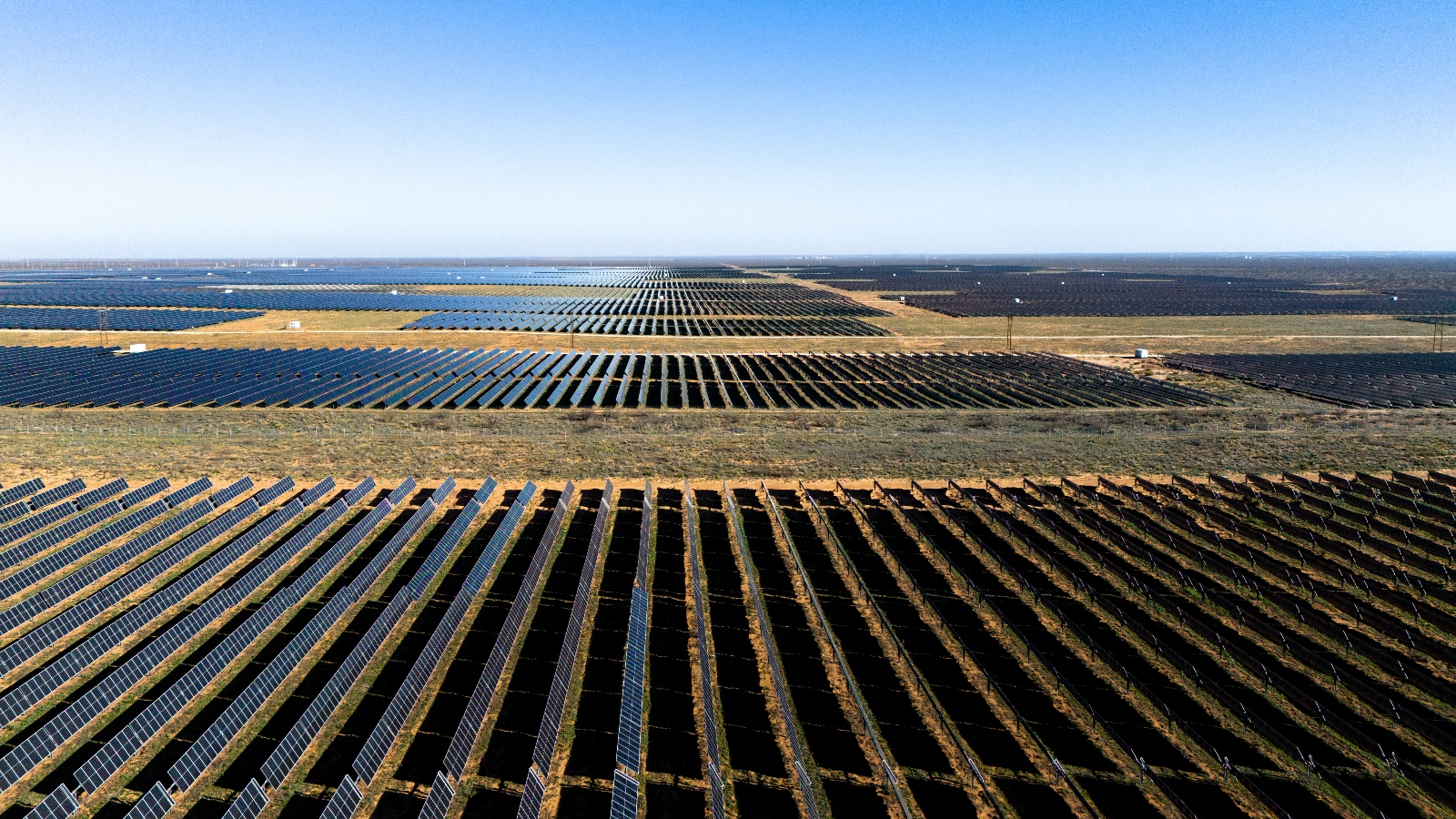
The energy landscape in Texas is undergoing a structural transformation that is poised to redefine the state’s power sector for decades to come. For the first time in history, utility-scale solar power is projected to generate more electricity than coal-fired plants within the territory managed by the Electric Reliability Council of Texas (ERCOT). This shift represents more than just a seasonal fluctuation; it is a permanent realignment of the state’s energy mix, driven by market economics, geographic advantages, and an unprecedented pace of infrastructure development. According to recent projections from the U.S. Energy Information Administration (EIA), ERCOT is expected to receive approximately 78 billion kilowatt-hours (kWh) of electricity from solar sources in 2026, significantly outpacing the 60 billion kWh forecast for coal.
This transition marks a dramatic reversal of fortune for the coal industry, which was once the backbone of the Texas grid. As developers continue to add solar capacity in Texas at a rate faster than anywhere else in the United States, the traditional reliance on fossil fuels is being challenged by the zero-marginal-cost efficiency of photovoltaic technology. By 2027, the gap is expected to widen even further, with solar generation projected to reach 99 billion kWh—a 27 percent increase over its 2026 levels—leaving coal in a distant second place.
The Market-Driven Evolution of the ERCOT Grid
The rise of solar in Texas is not the result of a centralized state mandate for renewable energy, but rather the byproduct of a unique market structure. In the late 1990s and early 2000s, Texas policymakers reformed the state’s electricity system to favor free-market competition over the monopoly utility models prevalent in much of the country. This deregulated environment, coupled with the state’s vast geography and relatively streamlined permitting processes, created a "gold rush" for renewable energy developers.
Unlike other states that have faced bureaucratic hurdles or intense local opposition, Texas offers a combination of high solar irradiance and a "can-do" regulatory environment. This has allowed the state to bypass the slow, centralized planning processes that often hinder energy transitions in more liberal states. The ERCOT market operates on an "energy-only" basis, meaning power producers are paid for the electricity they provide in real-time. Because solar and wind have no fuel costs, they can offer power at lower prices than coal or gas, effectively pushing more expensive fossil fuel plants out of the daily dispatch order.
A Chronology of the Texas Energy Transition
The path to solar dominance has been decades in the making. To understand how Texas reached this milestone, it is necessary to examine the timeline of the state’s energy evolution:
- 1999: Governor George W. Bush signs Senate Bill 7, which deregulates the Texas electricity market and establishes a modest renewable energy requirement. This primarily benefited the burgeoning wind industry.
- 2005: The Texas Legislature creates "Competitive Renewable Energy Zones" (CREZ). This $7 billion transmission project was designed to move wind power from the remote West Texas and Panhandle regions to the high-demand centers of Dallas, Houston, and San Antonio. This infrastructure later became the backbone for solar expansion.
- 2010–2015: Wind energy becomes a major player in the Texas grid, eventually surpassing coal in total installed capacity. During this period, solar remains a niche player due to higher costs.
- 2018–2022: The cost of solar panels and installation drops precipitously. Developers begin shifting focus to large-scale solar farms, particularly in West Texas. By 2022, solar starts breaking records for daily generation during summer heatwaves.
- 2023: Solar output begins to beat coal on a monthly basis during the peak sun months of March through August.
- 2024: National data from the think tank Ember confirms that the combined generation of wind and solar has surpassed coal across the entire United States. Texas, however, shows a more aggressive trend specifically in solar adoption.
- 2025–2026 (Projected): Solar is expected to outproduce coal on a consistent annual basis within ERCOT, fueled by tens of gigawatts of new capacity currently in the interconnection queue.
Supporting Data: The Collapse of Coal vs. the Solar Surge
The data provided by the EIA and ERCOT highlights a stark divergence in investment. While no new coal plants have been built in Texas in years, and several aging units have been retired or mothballed, the solar pipeline is overflowing. As of early 2024, Texas had over 22,000 megawatts (MW) of utility-scale solar capacity, with another 10,000 to 15,000 MW expected to be added by the end of 2025.
In contrast, coal’s share of the ERCOT mix has plummeted. In the early 2000s, coal provided nearly 40 percent of the state’s electricity. By 2023, that figure had dropped to roughly 14 percent. The EIA’s 2026 forecast of 78 billion kWh for solar versus 60 billion kWh for coal reflects a total reversal of the energy hierarchy. Furthermore, the capacity factor of coal plants—a measure of how often they run at maximum power—has declined as they are increasingly used only when solar and wind are unavailable or when demand is exceptionally high.
Political Friction and the Federal Narrative
The Texas solar boom stands in direct contrast to the energy narratives often promoted at the federal level. During the Trump administration, there were significant efforts to revitalize the coal industry through subsidies and the relaxation of environmental regulations. Federal officials argued that coal was essential for "energy dominance" and grid reliability because it provides "baseload" power that can operate 24/7.
The Department of Energy (DOE) under the previous administration attempted to keep struggling coal plants operational, sometimes at a high cost to taxpayers, citing national security and grid resilience. Simultaneously, the Department of the Interior faced criticism for slowing or blocking wind and solar projects on public lands.
However, the reality in Texas has largely ignored these federal leanings. Despite the pro-fossil fuel rhetoric from some state and federal leaders, the Texas grid has embraced renewables because they are the most cost-effective option for private investors. The "war on coal" in Texas was not won by environmental activists alone, but by the relentless math of the wholesale power market.
Solving the Reliability Challenge: The Role of Batteries
A common critique of solar energy is its intermittency—the fact that it does not produce power at night or during heavy cloud cover. Skeptics argued that relying on solar would lead to grid instability. However, Texas has mitigated this risk by diversifying its portfolio and, more recently, by becoming a national leader in battery energy storage systems (BESS).
ERCOT now manages a complex mix that includes natural gas, nuclear, wind, and solar. When the sun sets and solar production drops, natural gas plants and wind farms typically ramp up to meet evening demand. Increasingly, batteries are filling the "duck curve" gap. These massive battery installations store excess solar energy during the middle of the day when prices are low and discharge it into the grid during the high-demand evening hours.
By the end of 2024, Texas is expected to rival California in total battery storage capacity. This technological synergy allows the grid to maintain reliability even as coal plants, which are slower to start and stop, become less economically viable.
Economic and Rural Implications
The solar surge is also a major economic driver for rural Texas. Landowners in regions like West Texas and the Coastal Bend, who traditionally relied on ranching or oil and gas royalties, are now signing long-term leases with solar developers. These leases provide a stable, "drought-proof" source of income for families and significant tax revenue for local school districts.
For example, a typical 200-MW solar farm can generate millions of dollars in local tax revenue over its lifespan, often without requiring the same level of public services (such as roads or schools) as residential developments. This influx of capital is revitalizing rural communities that have seen declining populations and shrinking tax bases.
Lessons for the National Energy Transition
The Texas experience offers a blueprint—and a challenge—to other states. Liberal states like New York and California have set ambitious, legally mandated climate goals but have often struggled with slow permitting, high costs, and grid interconnection delays.
Texas demonstrates that a market-oriented approach can achieve rapid decarbonization even without explicit climate mandates. By focusing on transmission infrastructure (the CREZ project) and maintaining a competitive market, Texas has allowed technology to move at the speed of capital. Experts suggest that if other states want to replicate the Texas solar surge, they must address the "interconnection queue" bottleneck, where projects sit for years waiting for approval to join the grid.
Furthermore, the Texas model suggests that "legacy utilities" with vested interests in older power plants should not have the final say in grid planning. In ERCOT, the competition is fierce, and the most efficient technology wins.
Conclusion: A New Era for Texas Electricity
As 2026 approaches, the symbolic and practical overtaking of coal by solar power in Texas will mark the end of one era and the beginning of another. The state that built its fortune on oil and gas is now becoming the vanguard of the solar revolution. While political debates over "energy dominance" continue in Washington D.C., the Texas sun is quietly and efficiently rewriting the rules of the American power grid. With a projected 99 billion kWh of solar generation by 2027, the Lone Star State is proving that the transition to cleaner energy is not just an environmental imperative, but an economic inevitability.