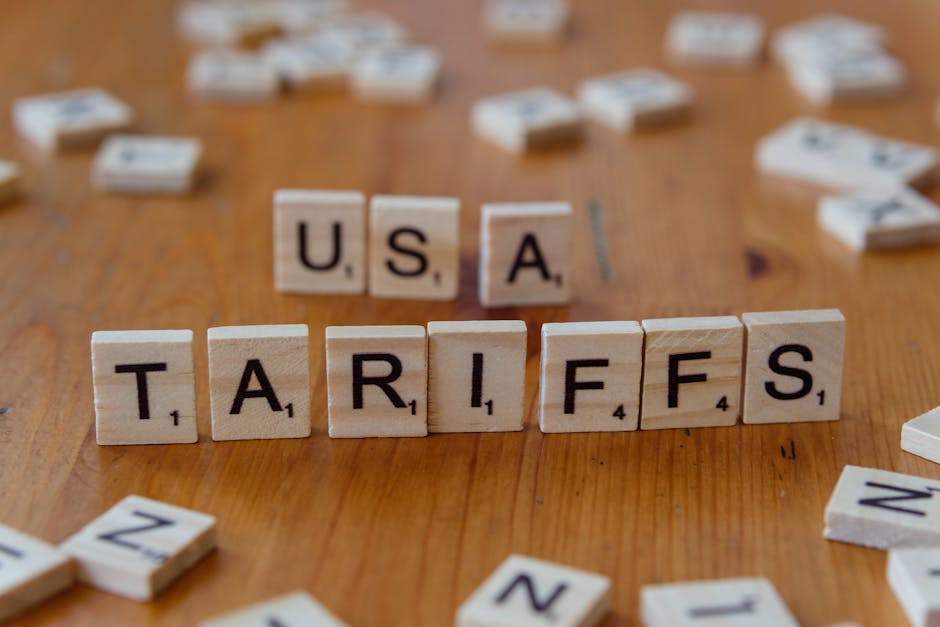
EU to Champion Tariff Cuts with the US This Week: A Strategic Imperative for Global Trade
The European Union is poised to launch a significant diplomatic offensive this week, aiming to persuade the United States to implement substantial tariff cuts. This initiative represents a critical juncture in transatlantic trade relations, driven by a confluence of economic pressures, evolving geopolitical landscapes, and a shared desire to foster global economic recovery. The EU’s strategic objective is to dismantle existing trade barriers, arguing that a reduction in tariffs will unlock considerable economic benefits for both the US and the EU, stimulate investment, boost consumer spending, and ultimately contribute to a more stable and predictable global trading environment. This push for tariff reductions is not merely a tactical negotiation; it is a multifaceted strategy designed to address a range of pressing economic and strategic concerns that have emerged in recent years, exacerbated by global supply chain disruptions, inflationary pressures, and increased international competition.
The core of the EU’s argument will center on the mutual economic advantages derived from lower tariffs. By reducing import duties, the EU contends that American consumers and businesses will gain access to a wider array of European goods at more competitive prices. This increased affordability can lead to higher consumer purchasing power, directly contributing to economic growth. Simultaneously, American businesses exporting to the EU will face fewer hurdles, allowing them to expand their market reach and increase sales. This symbiotic relationship, the EU believes, is a fundamental driver of prosperity. Furthermore, the reduction of tariffs can alleviate cost pressures for manufacturers on both sides of the Atlantic that rely on imported components, thereby enhancing their ability to compete globally. This is particularly relevant in industries where supply chains are internationalized and where the cost of inputs significantly impacts the final product price. The EU will likely present data and economic modeling to underscore these potential benefits, highlighting projections of increased GDP, job creation, and enhanced competitiveness.
Beyond the immediate economic gains, the EU’s push for tariff cuts is also framed as a crucial step in reinforcing the transatlantic alliance and fostering geopolitical stability. In an era marked by increasing global uncertainty and the rise of protectionist tendencies in various parts of the world, a robust and collaborative economic relationship between the EU and the US serves as a powerful counterweight. Lower tariffs can signal a renewed commitment to multilateralism and open trade, setting a positive example for other nations. The EU will emphasize that by working together to reduce trade barriers, they can jointly address global economic challenges, such as climate change and the need for sustainable development, through coordinated economic policies and investment initiatives. The argument will be made that a unified front on trade issues strengthens the collective bargaining power of the US and EU in international forums and allows them to better shape global trade rules in line with their shared democratic values and market-based economic principles.
The specific tariffs that the EU is likely to target are those that disproportionately impact key European industries and export sectors. These could include, but are not limited to, tariffs on agricultural products, manufactured goods such as automobiles and machinery, and certain chemical products. The EU may also advocate for the removal of tariffs that have been imposed in response to specific trade disputes, arguing for a reset and a more collaborative approach to resolving disagreements. The emphasis will be on identifying tariffs that are seen as protectionist in nature, distorting trade flows, and hindering the efficient allocation of resources. The EU’s delegation will likely present a carefully curated list of tariff reductions that are both economically significant and politically palatable, aiming to demonstrate a willingness to compromise while also advocating for substantial progress.
The current geopolitical context provides a strong impetus for the EU’s initiative. With ongoing global conflicts, heightened geopolitical tensions, and the persistent challenges posed by the COVID-19 pandemic, economic cooperation and stability are more important than ever. The EU will argue that by reducing trade barriers, they can contribute to greater economic resilience and reduce vulnerabilities to external shocks. A more integrated and open transatlantic market can act as a stabilizing force, fostering mutual dependence and reducing the incentives for economic coercion. This argument gains traction when considering the need for secure and diversified supply chains, a lesson learned acutely from recent global events. By making it easier for European companies to supply the US market and vice versa, the EU aims to contribute to the overall robustness of transatlantic economic linkages.
Furthermore, the EU will likely highlight the potential for increased investment flows between the US and the EU in conjunction with tariff cuts. Lower tariffs can make direct foreign investment more attractive, as businesses will face fewer operational costs and greater market access. This can lead to job creation, technology transfer, and the development of new industries on both sides of the Atlantic. The EU will present this as a win-win scenario, where increased investment not only boosts economic activity but also strengthens the strategic ties between the two economic powerhouses. This focus on investment aligns with broader economic development goals, aiming to foster innovation and long-term sustainable growth.
The EU’s approach is expected to be strategic and persuasive, focusing on data-driven arguments and highlighting the shared benefits. The delegation will likely engage in high-level discussions with their American counterparts, including representatives from the US Trade Representative’s office and other relevant government agencies. The aim is to build consensus and secure a commitment to meaningful tariff reductions. The EU recognizes that achieving significant tariff cuts will require skillful negotiation and a willingness to address US concerns. Therefore, they are likely to emphasize a collaborative problem-solving approach, seeking to identify areas of mutual interest and explore potential trade-offs.
The EU’s commitment to this initiative underscores its belief in the power of open trade to drive economic prosperity and promote global stability. By advocating for substantial tariff cuts with the US this week, the EU is not only seeking to improve its own economic standing but also aiming to reinforce the fundamental principles of a rules-based international trading system. The success of this diplomatic effort could have far-reaching implications, not only for the US and the EU but also for the broader global economy, setting a precedent for future trade negotiations and contributing to a more interconnected and prosperous world. The EU’s proactive stance signals a clear intention to shape the future of global trade in a manner that is beneficial for its citizens and aligns with its strategic priorities. This is a critical moment for transatlantic trade, and the EU is prepared to make a compelling case for a more open and integrated economic future. The arguments will be presented with a clear understanding of the US domestic economic landscape and the political considerations that influence trade policy. The EU’s aim is to foster a constructive dialogue that leads to tangible and mutually beneficial outcomes, thereby strengthening the economic foundations of the most important transatlantic partnership.
