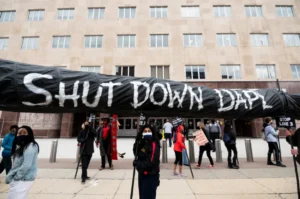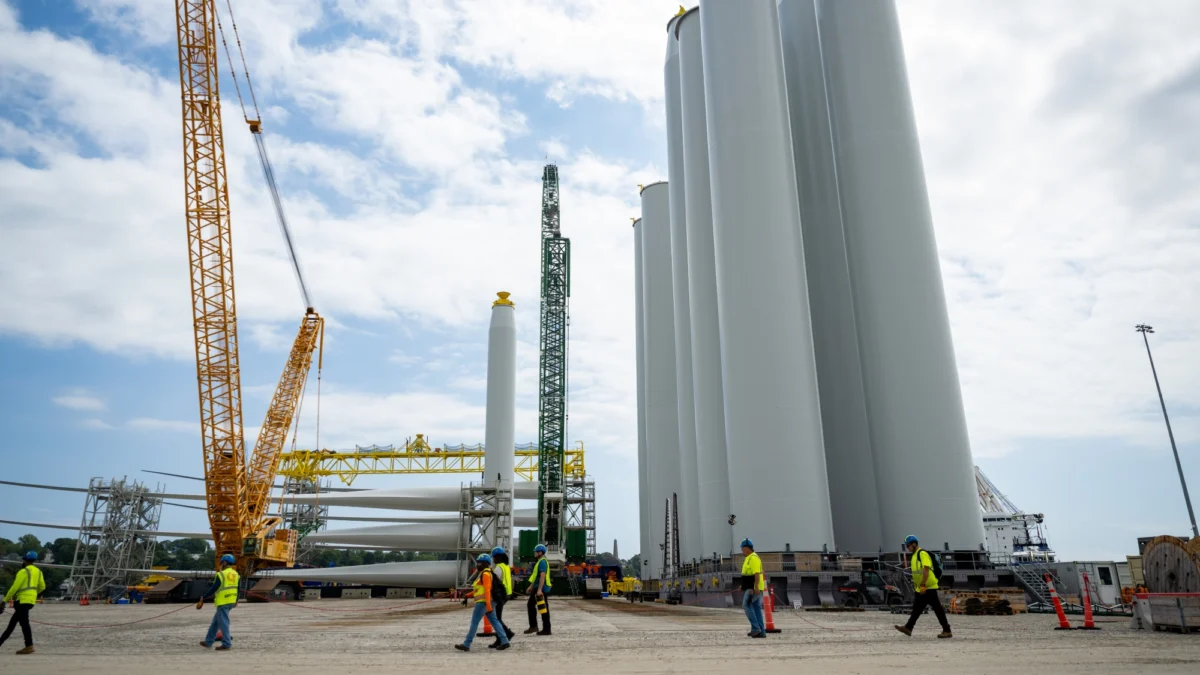
The landscape for renewable energy in the United States appeared increasingly precarious in the spring of 2025 as political shifts in Washington triggered a significant reevaluation of federal climate policy. Following a period of unprecedented growth fueled by the Inflation Reduction Act (IRA), Republicans in Congress moved to dismantle key provisions of the legislation, specifically targeting the generous tax credits that had underpinned the wind and solar sectors. Concurrently, the Department of the Interior introduced a complex framework of regulations that many industry observers characterized as "byzantine," designed to limit the expansion of clean energy projects on federal lands. This regulatory tightening led to widespread concern that the momentum of the energy transition would be permanently stalled, potentially chilling investment on private lands as well.
However, a year into this era of heightened scrutiny and regulatory friction, the solar industry has demonstrated a surprising and robust resilience. While the wind industry has struggled under the weight of new restrictions and permitting delays, solar power has continued to expand at a record pace. This growth is being driven by an unlikely confluence of factors: a shift in conservative rhetoric, the insatiable energy demands of the artificial intelligence boom, and a global supply chain crisis that has made traditional fossil fuel infrastructure more difficult to build. Rather than facing a sunset, the American solar industry is currently navigating a complex realignment that bridges the gap between partisan ideology and economic necessity.
The Statistical Reality of the Solar Boom
Despite the political headwinds, the data suggests that the transition to solar energy is accelerating rather than slowing. According to the Solar Energy Industries Association (SEIA) and the latest Solar Market Insight Report, solar power combined with battery storage accounted for a staggering 79 percent of all new electricity generation capacity brought online in the United States during 2025. This figure represents a significant increase from previous years and underscores the technology’s dominance in the new-build market.
Industry analysts at the Rhodium Group’s Clean Investment Monitor have pointed out that the narrative of a "total freeze" on clean energy is not supported by the numbers. Hannah Hess, director of the team, noted that while federal red tape has certainly created hurdles, the sheer volume of projects moving forward remains high. Current projections from the Energy Information Administration (EIA) suggest that solar capacity is expected to grow by another 49 percent before the current cycle of IRA tax credits is scheduled to expire at the end of 2027.
This growth is not merely a byproduct of previous policy but is being sustained by the inherent cost-competitiveness of the technology. In many regions of the U.S., utility-scale solar is now the cheapest form of new electricity generation, even when accounting for the costs of intermittent storage. This economic reality is forcing a pragmatic shift among policymakers who once viewed renewable energy through a purely ideological lens.
Chronology of a Policy Pivot: From Restriction to Realignment
The timeline of the past 18 months reveals a rapid evolution in the federal government’s approach to solar power.
Spring 2024 – Early 2025: Following the shift in congressional leadership, a concerted effort began to "gut" the Inflation Reduction Act. Lawmakers argued that the subsidies were market-distorting and contributed to federal overreach. The Department of the Interior simultaneously rolled out new rules for federal land use, which environmentalists argued were being used as a legal playbook against the very industries they were meant to support.
Late 2024: The offshore wind industry faced a series of legal and regulatory setbacks, with several major projects halted or canceled due to increased costs and new permitting requirements. This period marked the height of pessimism for the renewable sector.
February 2025: A notable shift in the Trump administration’s stance became apparent. The administration announced it would allow several large-scale solar projects—which had previously been blocked by the Interior Department’s new regulations—to move forward. This move coincided with a change in rhetoric from key administration figures and influencers.
Late 2025: The introduction and passage of the Standardizing Permitting and Expediting Economic Development (SPEED) Act in the House of Representatives signaled a bipartisan appetite for permitting reform. The bill aimed to overhaul the National Environmental Policy Act (NEPA), a move supported by both fossil fuel interests and renewable developers frustrated by years of litigation and delay.
The Data Center Catalyst: AI and the Demand for Power
Perhaps the most significant driver of the solar surge is the explosive growth of data centers. As tech giants like Microsoft, Google, and Amazon race to build out infrastructure for artificial intelligence, their demand for electricity has reached unprecedented levels. This "crazy" demand, as described by regional energy leaders, has fundamentally changed the conversation around the grid.
Data center developers are increasingly looking to solar power not as a competitor to oil and gas, but as a necessary complement. The primary reason is speed and availability. Currently, the United States is facing a critical shortage of gas turbines—the internal combustion engines used to convert natural gas into electricity. The backlog for these turbines is estimated to be between five and nine years.
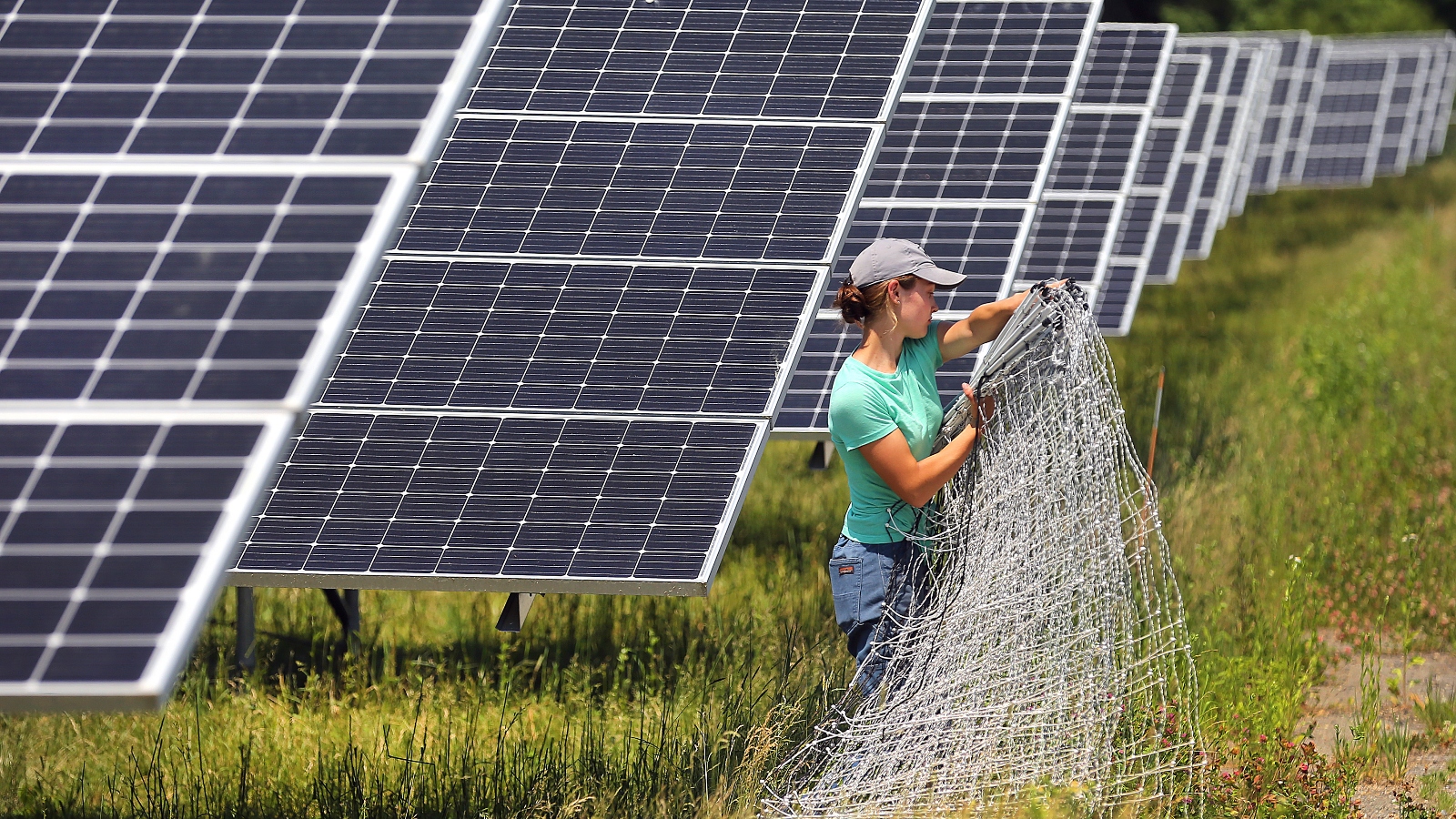
"If you want to build a natural gas plant today, you’re looking at a decade-long timeline," said Mike Hall, CEO of Anza Renewables. "You have the turbine backlog, then the permitting, then the proximity to pipelines, and finally the carbon issues. Solar can be deployed in a fraction of that time."
A study by Sightline Climate found that up to half of the world’s planned data centers may face delays this year due to power constraints. For developers, waiting for a gas turbine is no longer a viable business strategy. Solar, paired with battery storage, offers the fastest route to getting "power to the plug." This has led to unexpected partnerships; in New Mexico, the state’s Oil and Gas Association recently reached out to sponsor the annual conference of the Renewable Energy Industries Association, signaling a move toward a "total energy" approach.
The Changing Politics of "Energy Dominance"
The political identity of solar power is also undergoing a transformation. While support for solar among rank-and-file conservatives had previously dipped due to partisan culture wars, a new narrative centered on "affordability" and "energy dominance" is gaining traction.
A recent poll conducted by GoodPower and NORC at the University of Chicago revealed that 69 percent of Republicans support solar energy, provided it leads to lower electricity costs for consumers. This pragmatic view is being echoed by prominent conservative figures. Katie Miller, a former Trump administration official, recently described solar as the "energy of the future," framing it as a geopolitical necessity. "Giant fusion reactor up there in the sky—we must rapidly expand solar to compete with China," she stated, linking renewable growth to national security and manufacturing competition.
Even Energy Secretary Chris Wright, previously a vocal critic of renewable mandates, has acknowledged the commercial role of solar. Wright has recently stated that solar can contribute "affordable, reliable energy" to the grid, provided it is integrated within a market-driven framework. The Solar Energy Industries Association has leaned into this, arguing that the industry is a key pillar of President Trump’s "energy dominance" agenda, focusing on domestic jobs and energy independence.
Legislative Overhauls and the Permitting Bottleneck
While the market demand is clear, the primary obstacles to solar expansion remain structural. The "bottlenecks," according to industry experts, are no longer just federal regulations but local permitting and the "interconnection queue"—the process by which new projects are granted permission to plug into the existing electrical grid.
The SPEED Act represents a major attempt to address these issues. By overhauling NEPA, the bill seeks to limit the time federal agencies can spend on environmental reviews, which can currently take upwards of half a decade for complex projects. While some environmental groups fear this will lead to ecological damage, many clean energy advocates argue that the current system is the single greatest barrier to meeting climate goals.
Democratic senators like Martin Heinrich and Sheldon Whitehouse have expressed a willingness to return to the negotiating table on permitting reform, despite recent clashes with the administration over offshore wind projects. The consensus forming in Washington is that the current permitting regime is "leaving electrons on the table," forcing Americans to endure higher energy costs due to artificial scarcity.
Geopolitical Pressures and "Energy Poverty"
The broader global context is also playing a role in the solar pivot. The ongoing conflict in the Middle East, particularly tensions involving Iran, has caused volatility in global oil prices. This instability has highlighted the vulnerability of the U.S. economy to external energy shocks, making the fixed-cost nature of solar power increasingly attractive.
"Energy poverty has always been a problem in the U.S., and it’s gotten significantly worse," said Brad Townsend of the Center for Climate and Energy Solutions. He cited research showing that one in three American households struggles to pay utility bills. For many policymakers, renewable energy is no longer seen as a luxury or an environmental statement, but as a hedge against inflation and a tool for economic relief.
The geopolitical argument for solar is perhaps the most straightforward. As Jim DesJardins of the Renewable Energy Industries Association of New Mexico pointed out, "No one has fought a war over the sun." In an era of heightened global tension, the ability to generate power domestically from a source that cannot be embargoed or depleted is becoming a cornerstone of American strategic planning.
Conclusion: A Pragmatic Path Forward
The story of solar energy in 2025 is not one of a partisan victory or a regulatory defeat, but of an industry that has become too economically essential to ignore. The convergence of AI-driven demand, a shortage of traditional power equipment, and a shifting political narrative has created a new environment where solar is increasingly viewed as a practical solution to urgent problems.
While significant challenges remain—particularly regarding grid modernization and the long-term future of federal tax incentives—the momentum of the solar sector appears durable. As the United States continues to grapple with the dual challenges of energy security and economic affordability, the "giant fusion reactor in the sky" is likely to play an ever-larger role in the nation’s power portfolio, regardless of which party holds the gavel in Washington.