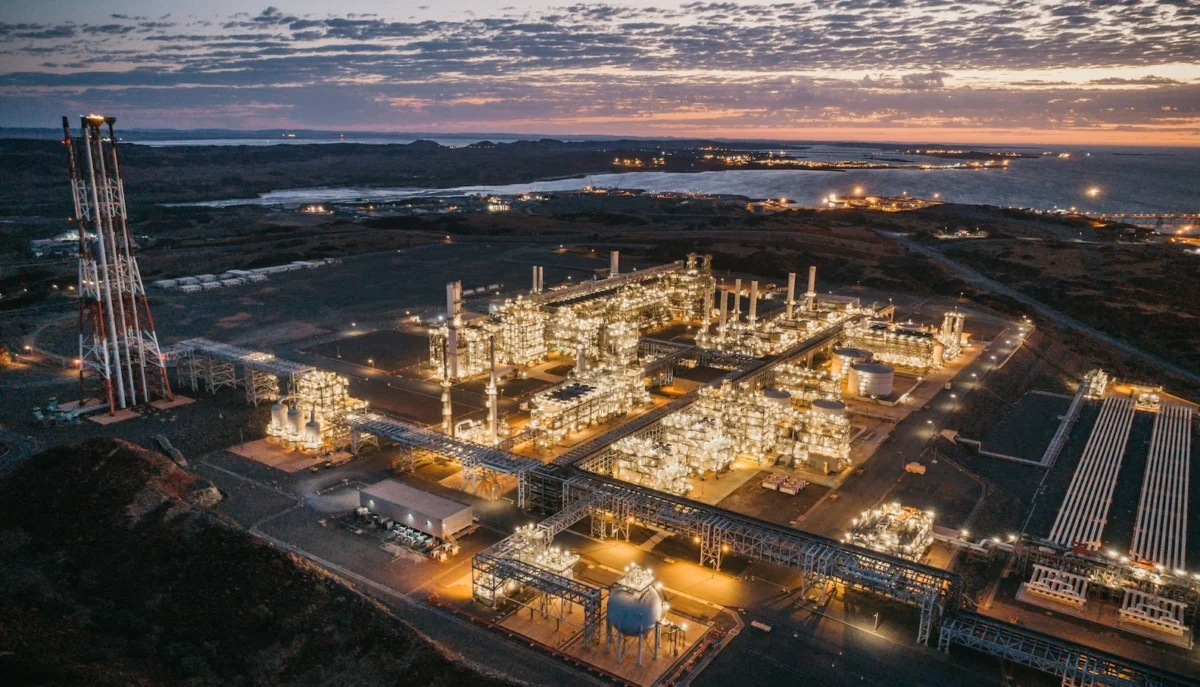
The landscape of the American energy sector is undergoing a seismic shift as Louisiana, the epicenter of the nation’s natural gas export industry, prepares for its largest and most carbon-intensive project to date. Since the state inaugurated the country’s liquefied natural gas (LNG) export boom in 2016, the industry has been marketed as a pivotal tool for a global transition toward cleaner energy. However, new data regarding a massive facility currently under construction near Lake Charles reveals a stark contrast between the industry’s climate-friendly branding and the sheer volume of greenhouse gases projected to be released into the atmosphere.
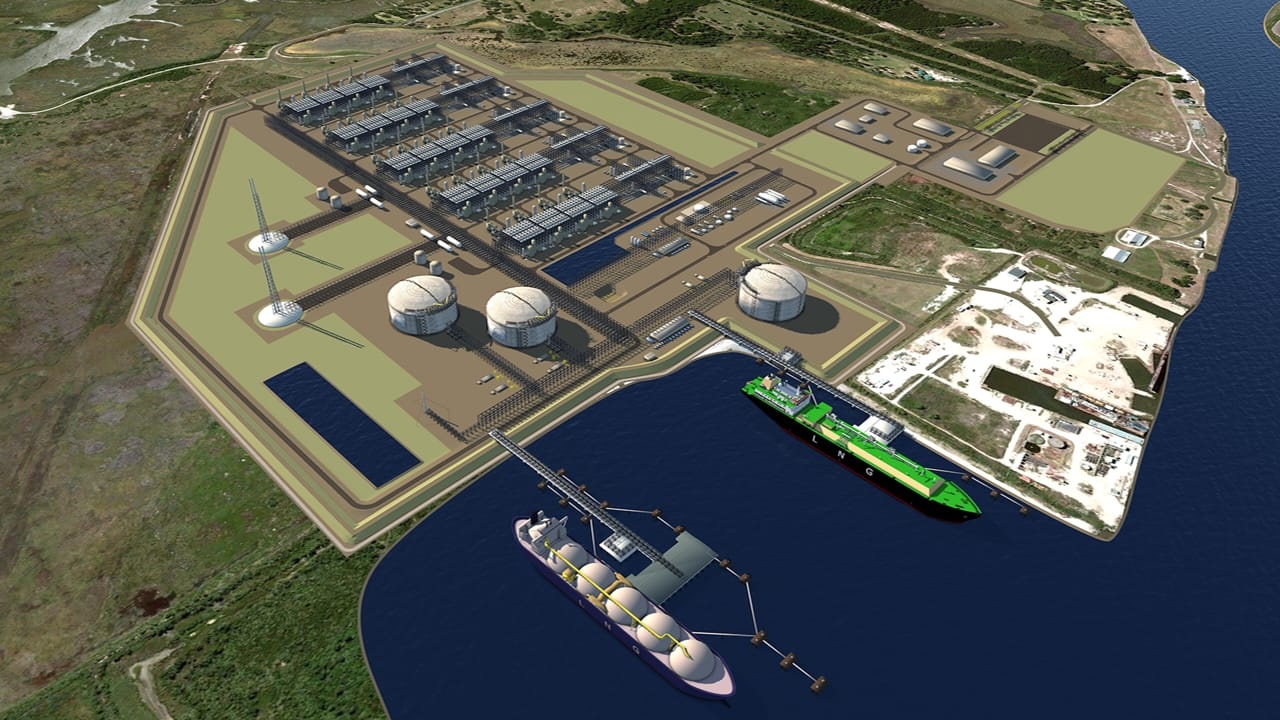
The project, known as Louisiana LNG and owned by the Australian energy giant Woodside Energy, is poised to become a dominant force in the global energy market. Yet, according to a comprehensive analysis of state and federal regulatory filings, it is also set to become the most significant source of greenhouse gas emissions among all existing and proposed LNG terminals in the United States. As construction progresses on the 1,000-acre site, the facility is drawing intense scrutiny from environmental scientists and local advocates who warn that the project’s massive carbon footprint could undermine global climate goals and exacerbate the very environmental vulnerabilities that threaten the Gulf Coast.
The Evolution of Louisiana’s LNG Dominance
Louisiana’s journey to becoming a global LNG powerhouse began nearly a decade ago with the commissioning of the Sabine Pass LNG terminal. At the time, the facility was heralded as a breakthrough that would allow the United States to leverage its domestic shale gas reserves to provide a "bridge fuel" for nations looking to move away from coal. In the years following its launch, Sabine Pass quickly rose to become one of the state’s largest industrial polluters, emitting more greenhouse gases than some of the region’s most expansive oil refineries.
The success of Sabine Pass catalyzed a massive wave of investment across the Gulf Coast. Today, the United States has surpassed Qatar and Australia to become the world’s leading exporter of LNG, with a total export capacity reaching approximately 15 billion cubic feet per day. This growth has been driven by a combination of technological advancements in hydraulic fracturing, high global demand, and a shifting geopolitical landscape that has made American gas a critical component of international energy security.
However, the scale of the Woodside Energy project represents a new chapter in this expansion. Originally developed by Houston-based Tellurian under the name Driftwood LNG, the project was acquired by Woodside in 2024. With an estimated construction cost of $18 billion, the terminal is one of the largest foreign direct investments in Louisiana’s history. Once fully operational in 2029, the facility will represent a cornerstone of the state’s industrial economy, supported by the administration of Republican Governor Jeff Landry, who has championed the project as a victory for both the state’s workforce and national energy dominance.
Projecting the Carbon Footprint
The environmental implications of the Woodside terminal are rooted in the energy-intensive nature of the LNG production process. To transform natural gas into a liquid state suitable for overseas transport, the gas must be supercooled to approximately -260 degrees Fahrenheit. This process requires massive amounts of energy, typically generated by on-site turbines that burn a portion of the gas itself, resulting in significant carbon dioxide emissions. Additionally, the infrastructure associated with the terminal, including pipelines and storage tanks, is prone to methane leakage—a greenhouse gas far more potent than carbon dioxide in the short term.
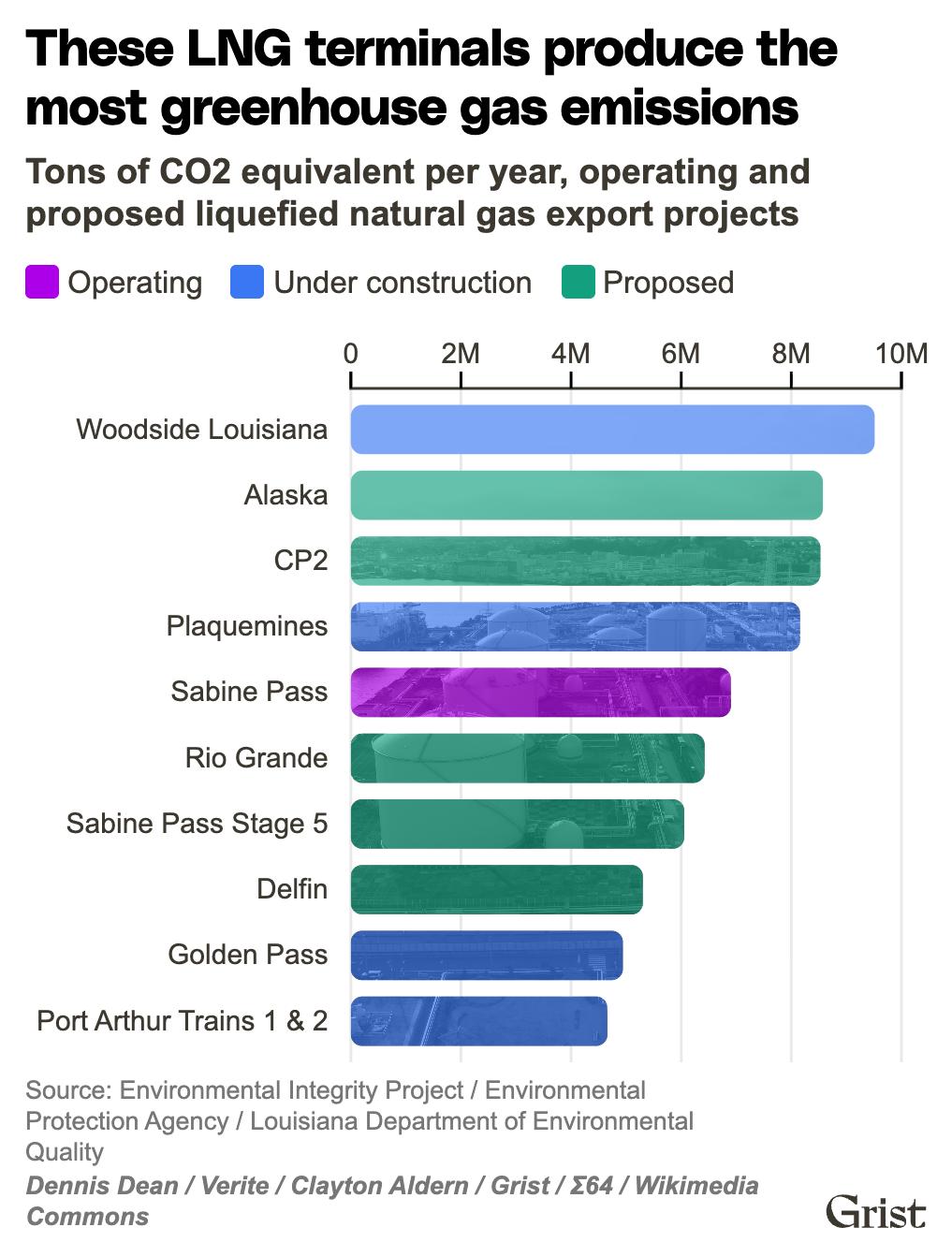
Permitting documents filed with the Louisiana Department of Environmental Quality indicate that the Woodside facility is expected to generate more than 9.5 million tons of greenhouse gases annually. To put this figure into perspective:
- It exceeds the 7 million tons emitted annually by the Sabine Pass terminal.
- It surpasses the emissions of every other operating LNG terminal in the country.
- It is higher than the projected emissions of nearly two dozen other proposed terminals currently in the federal pipeline.
- The only project that comes close is a proposed terminal in Alaska, which is estimated to emit 8.6 million tons per year.
Within the context of Louisiana’s industrial landscape, the Woodside terminal’s emissions would rank it as the second-largest source of greenhouse gases in the state, surpassed only by the CF Industries ammonia complex in Donaldsonville, which is currently the world’s largest producer of nitrogen-based fertilizers.
The Scientific and Environmental Critique
The disconnect between the industry’s climate narrative and the projected emission data has sparked a fierce debate among experts. While companies like Woodside and Cheniere Energy have long argued that natural gas produces roughly half the emissions of coal when burned for electricity, environmental researchers argue that this comparison is misleading because it often ignores the "lifecycle" emissions of the fuel.
A 2024 study from Cornell University suggests that when the energy required for liquefaction, shipping, and regasification is factored in, along with methane leaks during extraction and transport, the total greenhouse gas footprint of LNG can be at least 33 percent worse than that of coal. This finding was a primary driver behind a letter signed by 170 scientists in late 2023, urging the federal government to halt the expansion of LNG infrastructure to avoid "escalating climate chaos."
In Louisiana, the stakes are particularly high. Anne Rolfes, executive director of the Louisiana Bucket Brigade, has been a vocal critic of the state’s rapid industrialization. She points to the irony of Louisiana hosting massive sources of climate-warming pollution while being one of the most vulnerable regions in the world to climate change. The state faces a dual threat of rising sea levels and increasingly frequent, high-intensity hurricanes. Rolfes cites the devastation of Hurricane Laura in 2020, which caused $14 billion in damages and nearly decimated the city of Lake Charles, as a warning of what the future holds if global emissions are not curtailed.
Geopolitical Drivers and the Regulatory Seesaw
Despite environmental concerns, the momentum behind LNG expansion is reinforced by global geopolitics. The Russian invasion of Ukraine in 2022 fundamentally altered the European energy market. As pipeline gas from Russia was cut off, European nations turned to the United States to fill the void. According to the International Energy Agency, U.S. LNG has filled more than 40 percent of the supply gap in Europe, playing a vital role in stabilizing the continent’s economy and preventing energy shortages.
Germany, in particular, has become a key partner for Gulf Coast exporters. At the groundbreaking ceremony for the Woodside terminal, German officials noted that nearly all of their country’s LNG imports now originate from the U.S. From their perspective, LNG is a necessary "bridge" that allows them to phase out coal-fired power plants by 2038 while maintaining a reliable energy supply.
Domestically, the regulatory environment has fluctuated significantly. In early 2024, the Biden administration issued a temporary pause on the permitting of new LNG export terminals to allow for a more thorough review of their climate and economic impacts. However, this pause was met with fierce opposition from industry leaders and Republican lawmakers, who argued it stifled economic growth and weakened American influence abroad. Following the transition to the Trump administration in 2025, the pause was reversed as part of a broader "energy dominance" agenda, leading to the fast-tracking of several stalled projects, including those in the Louisiana and Texas regions.
Economic Promises and Corporate Decarbonization Claims
For state officials, the economic benefits of the Woodside project are too significant to ignore. The terminal is expected to create thousands of temporary construction jobs over the next four years and hundreds of high-paying permanent positions once operational. Furthermore, the facility will generate substantial tax revenue for local governments in southwest Louisiana, providing funding for schools, roads, and public services.
In response to the data regarding its projected emissions, Woodside Energy has emphasized its commitment to a "decarbonization" strategy. A company spokesperson stated that all Woodside-operated assets must develop plans to identify technical opportunities for emission reductions. The company has set a target to reduce its net equity greenhouse gas emissions by 30 percent by 2030, with an ultimate goal of reaching net-zero by 2050.
To achieve these goals, Woodside plans to implement several strategies:
- Design Improvements: Enhancing facility engineering to minimize methane leaks and optimize energy efficiency during the liquefaction process.
- Carbon Offsets: Investing in large-scale forest restoration and other carbon sequestration projects to balance out the emissions generated by its industrial operations.
- Technological Innovation: Exploring the potential for carbon capture and storage (CCS) technology to be integrated into future phases of the project.
Critics, however, remain skeptical of the efficacy of carbon credits and offsets, arguing that they do not address the fundamental issue of the massive volumes of CO2 and methane being released at the source.
Conclusion: A Region at a Crossroads
As the Woodside Energy terminal begins to rise from the marshlands near Lake Charles, it stands as a monument to the complexities of the modern energy era. It represents a massive economic opportunity and a pillar of international security, yet it also poses a significant challenge to environmental stability.
The data is clear: Louisiana LNG will be a powerhouse of both energy production and greenhouse gas emissions. For a state that is both a leader in the fossil fuel industry and a victim of its environmental consequences, the project highlights a profound tension. As the world watches to see if the U.S. can balance its role as a global energy supplier with its climate commitments, the outcome of projects like the Woodside terminal will likely define the trajectory of the energy transition for decades to come. For the residents of southwest Louisiana, the arrival of the nation’s most carbon-intensive terminal is a reminder that the price of global energy leadership is often paid on the local level, in the form of increased vulnerability to a changing climate.