A landmark legal challenge filed in New Mexico District Court alleges that ExxonMobil, Empire Petroleum, and their respective subsidiaries engaged in a sophisticated accounting fraud scheme that could leave New Mexico taxpayers responsible for nearly $200 million in environmental cleanup costs. The lawsuit, brought under the state’s Fraud Against Taxpayers Act, targets a 2021 transaction involving the sale of hundreds of aging oil and gas wells. Plaintiffs argue that the companies deliberately undervalued future liabilities to facilitate the transfer of "economic fossils" to an undercapitalized firm, a move they claim makes the state the de facto insurer for the industry’s eventual abandonment of infrastructure.
The litigation centers on the sale of approximately 670 wells from XTO Energy—a subsidiary of ExxonMobil—to Empire New Mexico, a subsidiary of the Tulsa-based Empire Petroleum. According to the complaint, the two companies "massively" undervalued the debt obligations inherent in the sale, specifically the Asset Retirement Obligations (AROs). AROs represent the legal and financial responsibility to plug wells and remediate the surrounding land once production ceases. By allegedly understating these costs, the plaintiffs claim the companies created a transaction that allowed ExxonMobil to offload significant liabilities while making Empire Petroleum appear solvent on paper, despite the company taking on debts it could never realistically afford to pay.
The Mechanics of the Alleged Fraud
The core of the legal argument rests on a stark discrepancy in accounting figures. In its 2022 year-end filing with the Securities and Exchange Commission (SEC), Empire Petroleum reported that the acquisition of the 670 wells came with a $6.1 million ARO. This figure suggests a cleanup and remediation cost of roughly $9,100 per well. However, data from the New Mexico Oil Conservation Division (OCD) presents a different reality. In its 2023 annual report, the OCD estimated the state-wide average for plugging and remediating a single well at approximately $214,000.
The plaintiffs, Theron Horton, a forensic data analyst from Taos, and Greg Rogers, a corporate and environmental attorney, argue that the actual liability for these specific wells is closer to $199.5 million. Their calculation, which factors in the depth of the wells in the Permian Basin and a 30 percent contingency fee for unforeseen environmental complications, puts the per-well cost at roughly $306,000.
"Either the assets are worth a lot more than they say they’re worth," Rogers stated, "or they’re discounting the [asset retirement obligation] based on the likelihood that they’ll never have to pay it."
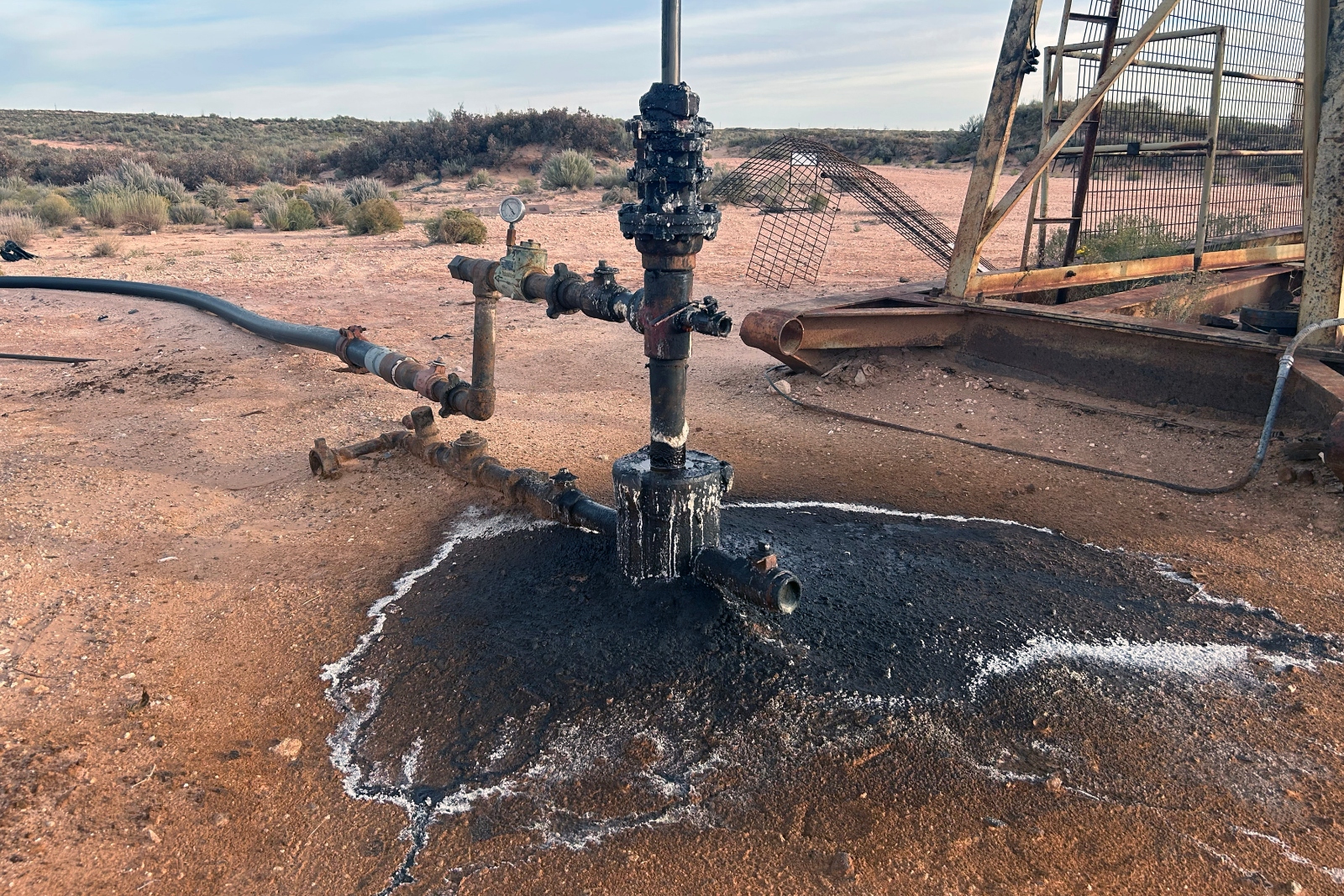
The lawsuit characterizes the 2021 deal as the "first link in a chain" of a corporate shell game. In this pattern, major oil producers sell declining assets to smaller firms. These smaller companies attempt to squeeze remaining profits from the wells with lower overhead. Eventually, as production fails to cover operating expenses, the wells are sold again to even smaller, less stable entities until the final owner enters bankruptcy, leaving the state to deal with the "orphaned" infrastructure.
A Novel Legal Strategy: From Environmental Law to Accounting Standards
The case is being pursued as a Qui Tam suit, a legal mechanism that allows private individuals to file actions on behalf of the government. Under New Mexico law, the state’s Attorney General is given the first right to prosecute such cases. After a months-long review, the Attorney General’s office declined to take over the case, allowing Horton and Rogers to move forward independently.
What sets this case apart from typical environmental litigation is its focus on bookkeeping rather than just physical violations. By alleging violations of the Fraud Against Taxpayers Act, the plaintiffs are shifting the battlefield from oilfield regulations to financial transparency and accounting standards. They argue that by misrepresenting AROs in financial disclosures and transfer documents, the companies effectively defrauded the state by ensuring the public would eventually bear the cost of the cleanup.
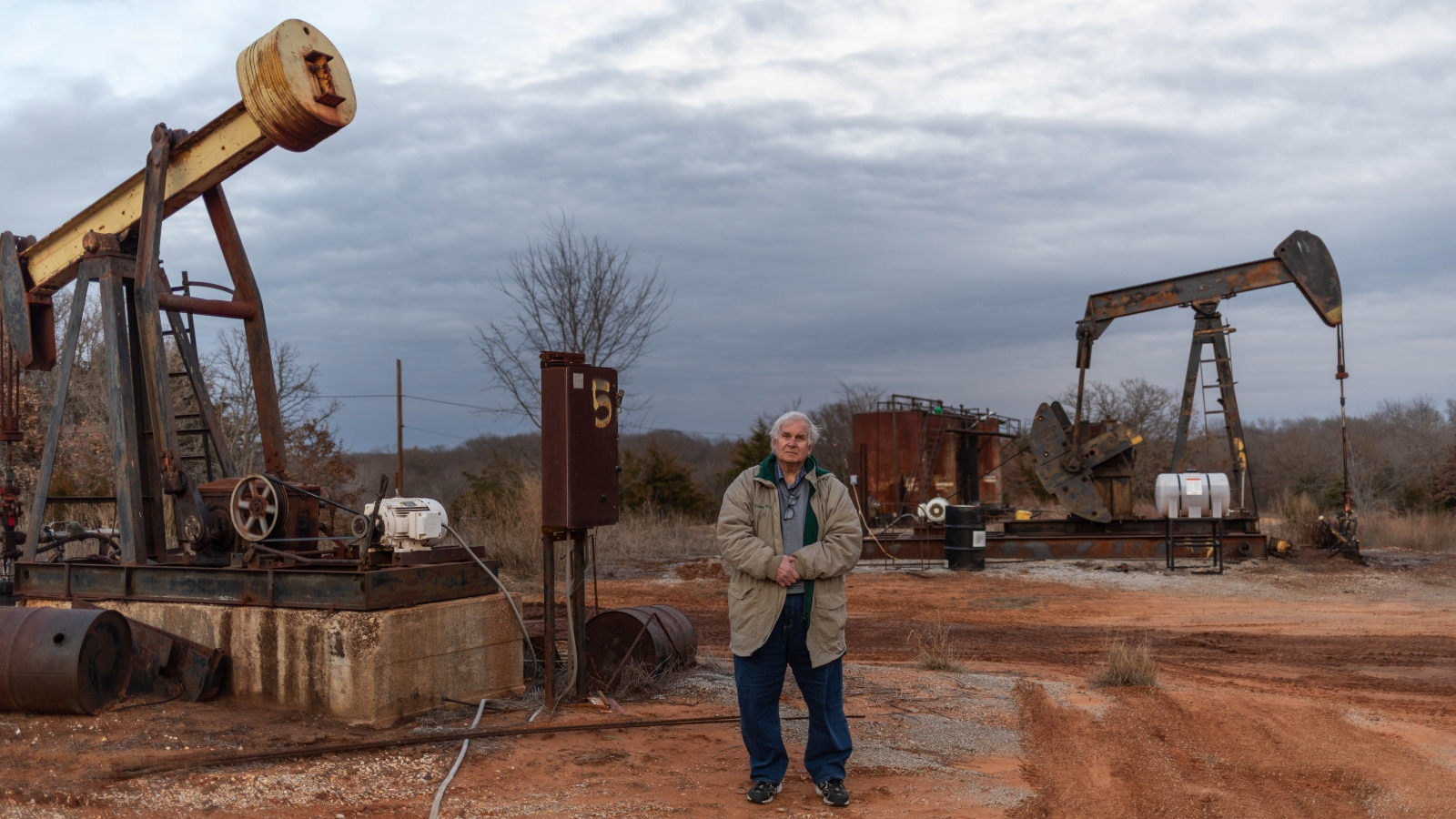
Greg Rogers, a former CPA who worked for the primary law firm of the energy giant Enron, noted the moral and financial implications of such practices. Having served as an adviser to the Master of Accounting program at the University of Cambridge, Rogers emphasized that environmental accounting fraud is a systemic threat to both the economy and the environment.
The Economic and Environmental Stakes in New Mexico
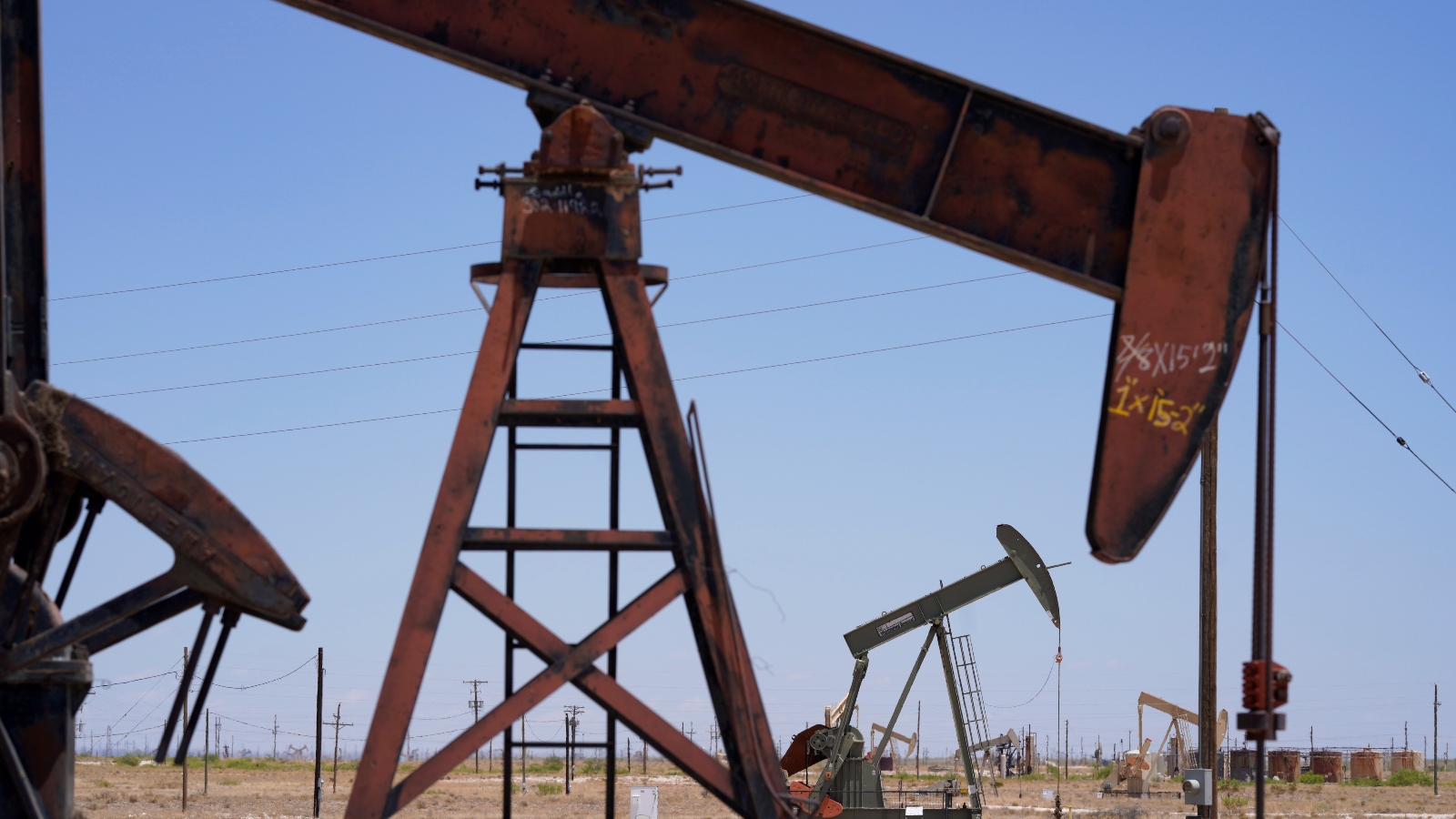
New Mexico is currently the second-largest oil-producing state in the United States and the third-largest producer of natural gas. This industry is the backbone of the state’s economy, but it also leaves behind a massive footprint. There are more than 50,000 active wells in the state, primarily concentrated in the Permian Basin.
The financial health of Empire Petroleum, the purchaser in the 2021 deal, has come under scrutiny in the wake of the lawsuit. SEC filings reveal that the company has recorded total net losses of approximately $100 million over the past three years. Its long-term debt has more than tripled, and its stock price has plummeted by nearly 90 percent from its peak four years ago. Furthermore, production figures show that Empire New Mexico sold 17 percent less oil and 18 percent less natural gas in 2025 than it did in 2022.
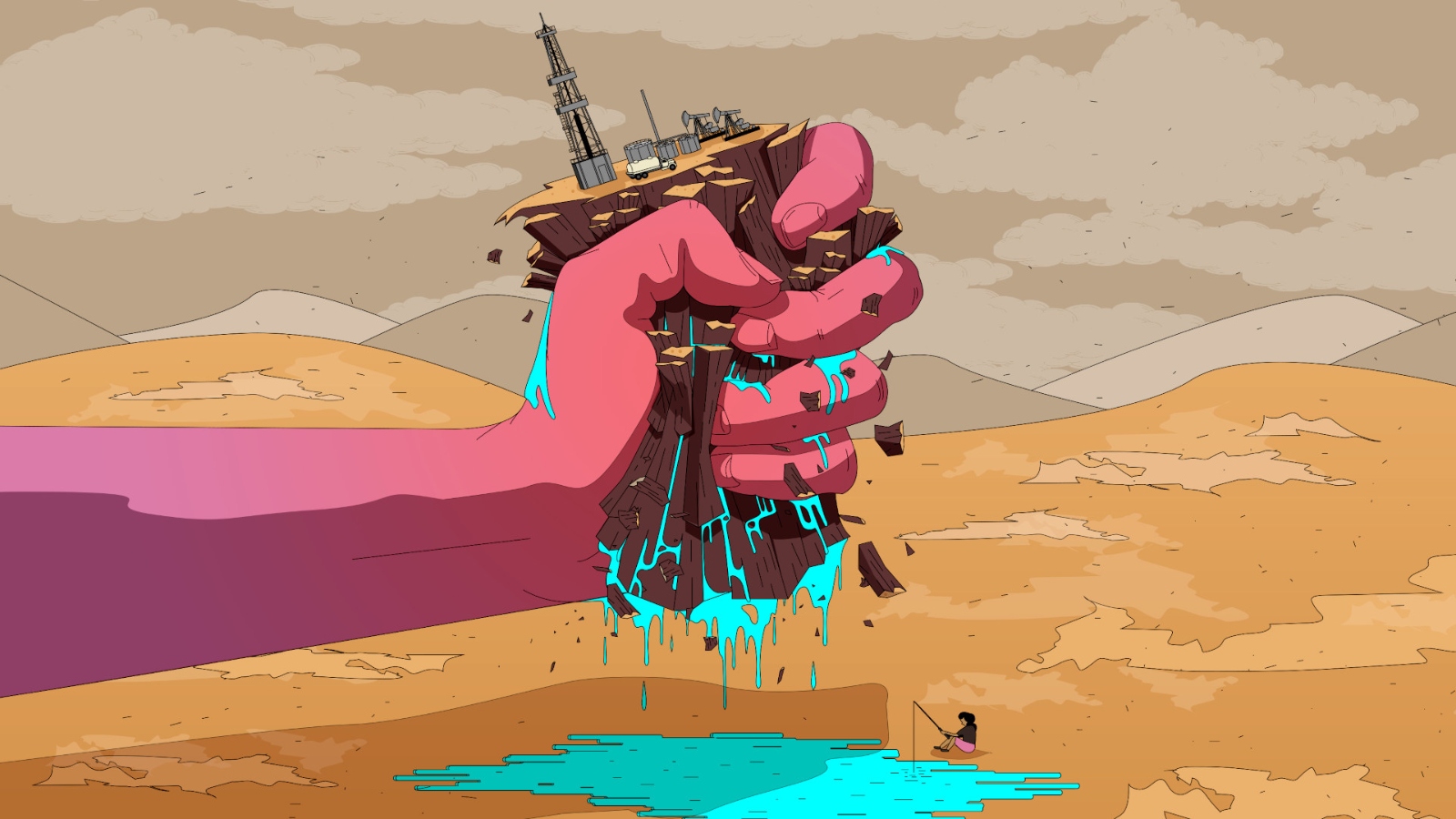
Of the wells listed as "active" by Empire New Mexico, a significant portion are classified as "stripper wells"—facilities that produce less than 10 barrels of oil equivalent per day. Such low production levels typically indicate that a well is nearing the end of its economic life and will soon require plugging. If a company lacks the capital to perform this task, the wells become "orphaned."
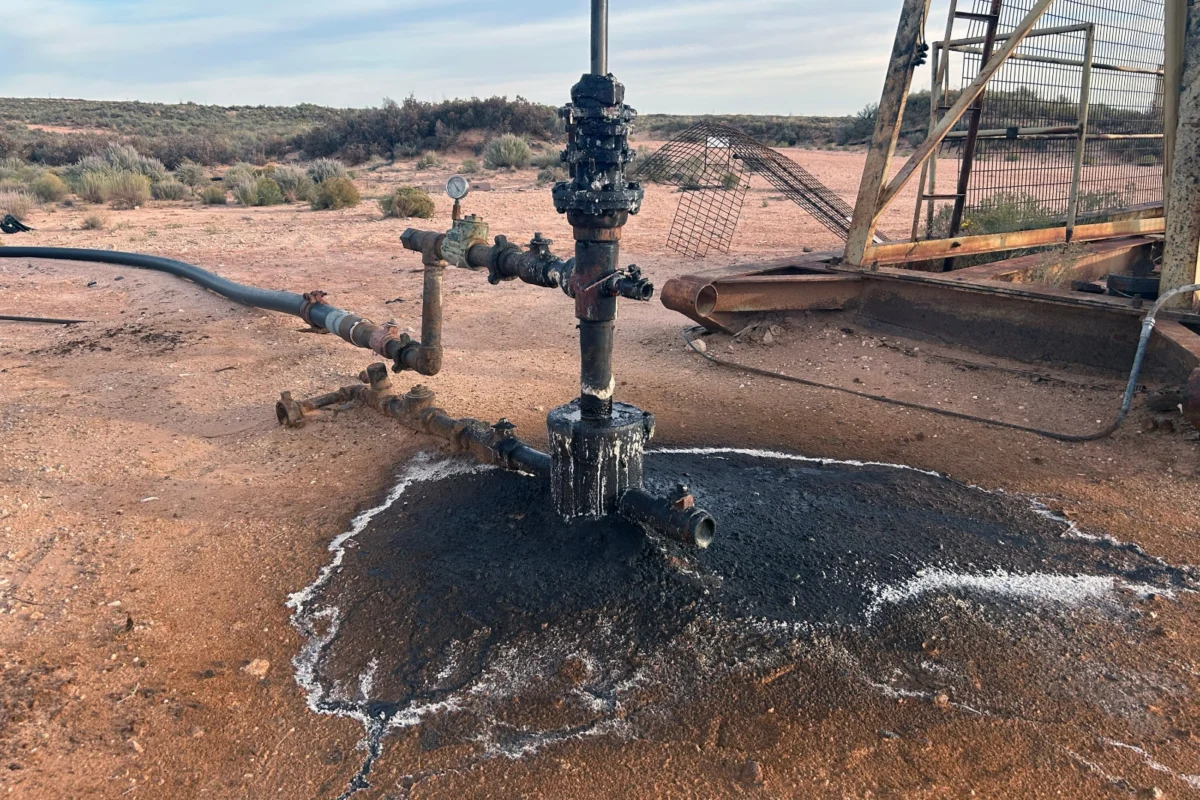
Orphan wells are not merely financial liabilities; they are environmental hazards. Unplugged wells can leak methane, a potent greenhouse gas, and contaminate groundwater with brine, petroleum byproducts, and toxic wastewater. In the town of Loving, New Mexico, monitoring stations have recorded extreme levels of air pollution linked to oil and gas infrastructure, with air quality occasionally measuring worse than downtown Los Angeles.
The Broader Impact and Regulatory Response
The New Mexico Legislative Finance Committee reported last year that the state is already liable for more than $200 million in cleanup costs for existing orphan wells. Without significant changes to bonding and transfer regulations, that liability could balloon to between $700 million and $1.6 billion in the coming years.
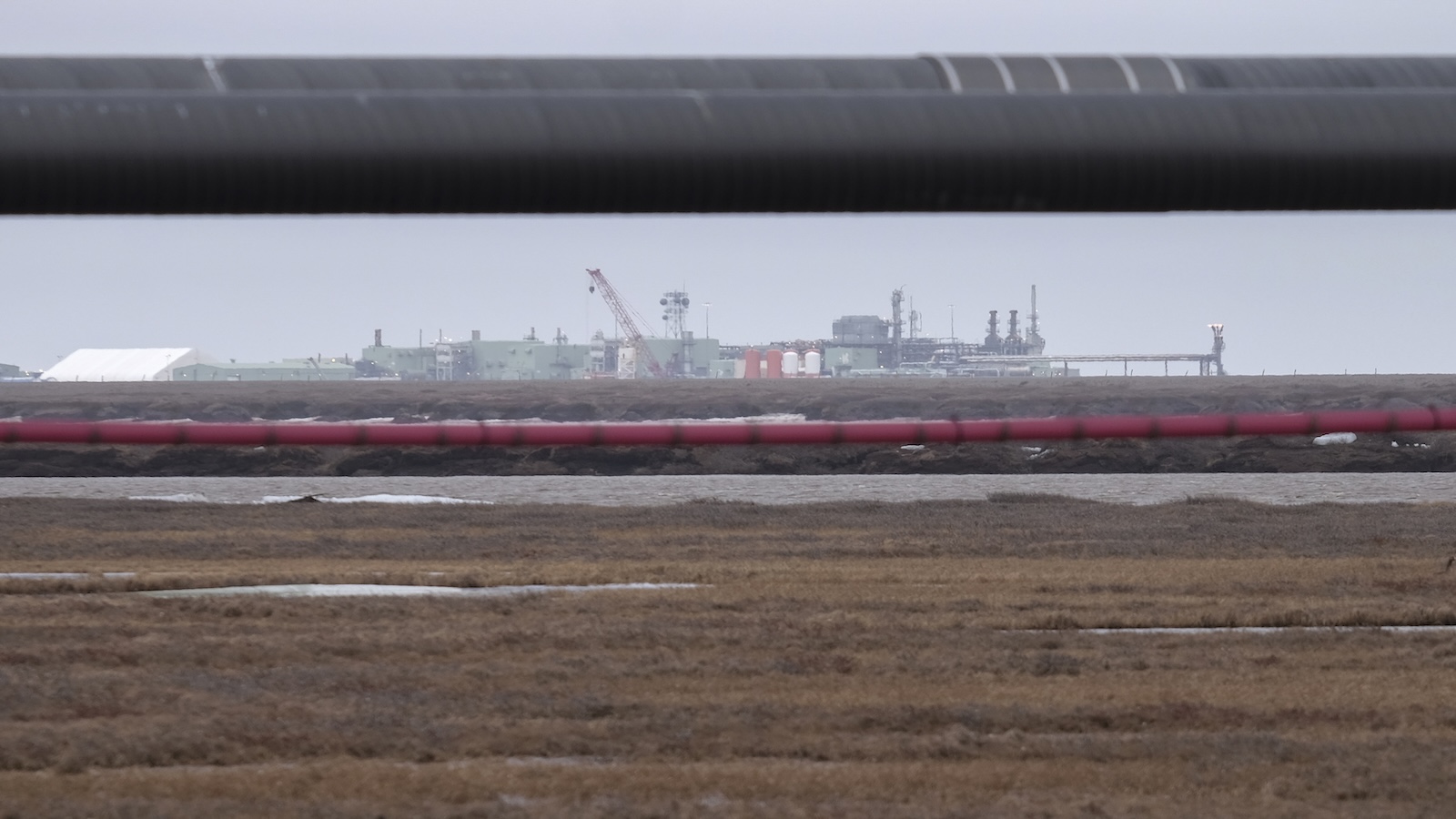
Currently, bonding requirements—the financial assurances companies must provide to cover cleanup costs—are notoriously low. In many cases, the bonds held by the state cover only a fraction of the actual cost to plug a well. Ben Shelton, deputy secretary of the New Mexico Energy, Minerals, and Natural Resources Department, famously told a legislative committee that "the juice is not worth the squeeze" when it comes to pursuing small bonds through expensive legal channels.
In response to the growing crisis, New Mexico has seen a flurry of legislative and regulatory activity:
- The Reclamation Fund: A bipartisan bill passed earlier this year redirects the state’s oil and gas conservation tax into a dedicated fund for well cleanup, diverting tens of millions of dollars annually from the General Fund.
- Proposed Rule Changes: Groups like the Western Environmental Law Center have petitioned the Oil Conservation Commission to increase bonding amounts and tighten rules for inactive wells and asset transfers.
- Legislative Proposals: Representative Matthew McQueen has proposed "chain of title" liability, which would allow the state to pursue previous solvent owners of a well if the current owner goes bankrupt. This model is already utilized by the federal Bureau of Land Management.
Chronology of the Case and Related Events
- 2021: XTO Energy (ExxonMobil) sells 670 aging wells to Empire New Mexico (Empire Petroleum) for $17.8 million.
- 2022: Empire Petroleum files SEC documents valuing the ARO for the acquired wells at $6.1 million.
- August 2023: Theron Horton and Greg Rogers file a Qui Tam lawsuit under seal in New Mexico District Court.
- Late 2023: New Mexico OCD reports average well-plugging costs have risen to $214,000 per well.
- January 2025: Representative Matthew McQueen’s legislative proposal to reform well-transfer liability fails to pass, though discussions continue.
- February 2025: The lawsuit is unsealed after the New Mexico Attorney General declines to take over the prosecution.
- March 2025: ExxonMobil declines to comment on the litigation; Empire Petroleum remains silent as its stock continues to struggle.
Analysis of Implications
If the lawsuit is successful, it could fundamentally alter the landscape of the American energy industry. By establishing a precedent that undervaluing environmental liabilities constitutes actionable fraud against taxpayers, states would gain a powerful tool to prevent the "dumping" of unprofitable wells.
Industry analysts suggest that such a ruling would force major oil companies to either plug their own wells or ensure that any buyer has the verified financial liquidity to handle future remediation. This would likely decrease the market value of aging assets, potentially leading to an earlier phase-out of marginal wells.
For New Mexico, the case is a pivotal moment in its relationship with an industry that provides a third of its budget but threatens its long-term fiscal and environmental health. As the state grapples with a potential billion-dollar cleanup bill, the outcome of this litigation will determine whether the "right to profit" from natural resources includes a permanent "right to walk away" from the mess left behind.
The legal proceedings are expected to continue through 2026, with the next major hearings scheduled for the spring. For now, the hundreds of wells in the Permian Basin continue to pump a dwindling supply of oil, while the clock ticks on a cleanup bill that grows larger with every passing year.