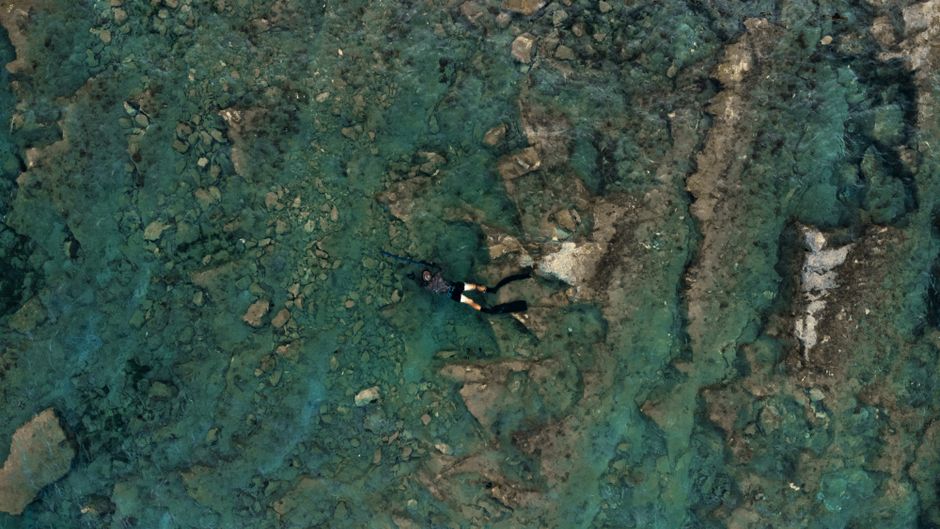
Divers Cleaning Alonissos Seabed Raise Alarm Over Alarming Marine Debris Levels
The crystal-clear waters surrounding Alonissos, a jewel of the Aegean Sea and home to Greece’s first protected marine park, are being choked by a growing tide of marine debris. A recent, intensive cleanup operation spearheaded by dedicated divers has unearthed a disturbing reality: the seabed is not only littered but actively overwhelmed by discarded fishing gear, plastic waste, and other human-generated refuse. This alarming discovery, emerging from the very heart of a sanctuary meant to protect marine life, has amplified urgent calls for greater environmental stewardship and immediate action to curb pollution in the Mediterranean. The divers, working tirelessly to remove visible trash, report an ever-increasing volume of material, suggesting a systemic problem far beyond the capacity of voluntary cleanup efforts alone. Their firsthand accounts paint a grim picture of ecosystems struggling under the weight of human carelessness.
The scale of the problem, as revealed by the Alonissos cleanup, is particularly concerning given the area’s designation as a marine protected area (MPA). MPAs are established with the explicit purpose of safeguarding biodiversity, allowing fragile ecosystems to recover and thrive. However, the findings from Alonissos demonstrate that even these protected zones are not immune to the pervasive threat of marine pollution. The debris collected ranged from commonplace plastic bottles and bags to more insidious items like ghost fishing nets, discarded fishing lines, and fragments of larger plastic items that have broken down into microplastics. These items not only create an unsightly environment but pose a direct and severe threat to marine organisms. Fish, turtles, and marine mammals can become entangled in nets and lines, leading to injury, suffocation, or starvation. Ingestion of plastic fragments can cause internal damage, block digestive tracts, and lead to malnutrition. The long-term consequences of this pollution are far-reaching, impacting the health of the entire marine food web and, by extension, human health through the consumption of seafood.
The divers involved in the Alonissos cleanup, many of whom are experienced marine biologists or passionate environmentalists, have consistently reported an escalating trend in recent years. What began as isolated incidents of discarded items has evolved into a widespread contamination of the seabed. Their efforts, while heroic and essential, are akin to bailing out a sinking ship with a teacup when the fundamental source of the water ingress remains unaddressed. The sheer volume of debris unearthed during each dive suggests that the pollution is not a static issue but a continuous influx. This continuous deposition of waste implies that the primary sources of this pollution are active and ongoing, likely originating from maritime activities, inadequate waste management on coastal communities, and unfortunately, direct illegal dumping. The visual evidence, captured in photographs and videos shared by the cleanup teams, starkly illustrates the extent of the problem, showing fish and other marine life navigating through a landscape dominated by human detritus.
Ghost fishing gear, in particular, has been identified as a significant and insidious component of the debris. These are nets, traps, and lines that have been lost or abandoned at sea. Unlike other forms of plastic, ghost gear continues to be a deadly threat to marine life for decades, even centuries, without any human intervention. The nets, often made of durable synthetic materials, can drift with ocean currents, entangling any organism that comes into contact with them. This silent killer indiscriminately traps fish, dolphins, seals, and seabirds, contributing significantly to population declines of vulnerable species. The divers report finding extensive networks of these nets, some so large they cover considerable areas of the seabed, effectively creating underwater death traps. The effort and resources required to safely remove these nets are substantial, often involving specialized equipment and considerable risk to the divers themselves. The discovery of such extensive ghost fishing operations in a protected area underscores the urgent need for better regulation and enforcement of fishing practices.
Beyond fishing gear, the pervasive presence of single-use plastics is a glaring indictment of societal consumption patterns. Plastic bags, bottles, straws, and food packaging, all designed for fleeting use, are finding their way into the marine environment with alarming frequency. The slow decomposition rate of plastic means these items persist for hundreds of years, breaking down into smaller and smaller pieces known as microplastics and nanoplastics. These microscopic particles are now ubiquitous in the ocean, ingested by organisms at all trophic levels, from plankton to whales. The long-term health impacts of microplastic ingestion on marine life, and consequently on humans who consume seafood, are still being actively researched but are a growing cause for concern. The divers in Alonissos are not only removing larger pieces of plastic but also observing the widespread presence of smaller plastic fragments, a stark reminder of the pervasive nature of this pollutant.
The implications of these findings extend beyond the immediate ecological damage. The economic viability of a region like Alonissos, which relies heavily on tourism and sustainable fishing, is intrinsically linked to the health of its marine environment. Tourists are drawn to the pristine beauty of the Aegean, and a polluted seabed diminishes this appeal. Furthermore, the sustainability of local fishing communities is threatened by declining fish stocks, exacerbated by pollution and overfishing. The divers’ alarm is a direct economic warning as well as an environmental one. A degraded marine ecosystem impacts local economies, affecting livelihoods and potentially leading to a decline in tourism revenue. The long-term vision for Alonissos, as a model for marine conservation and sustainable tourism, is jeopardized by this escalating pollution.
The successful cleanup operations, while a testament to the dedication of the divers, highlight the inadequacy of current waste management and pollution control measures. The presence of such significant quantities of debris within a protected area strongly suggests that existing regulations are either insufficient, unenforced, or circumvented. There is a critical need for a multi-pronged approach to address this crisis. This includes implementing stricter regulations on maritime waste disposal, improving waste management infrastructure in coastal communities, and launching robust public awareness campaigns to educate both residents and visitors about the impact of plastic pollution. Furthermore, innovative solutions for the collection and recycling of marine debris, as well as the development of biodegradable alternatives to single-use plastics, are paramount.
The international dimension of marine pollution cannot be overstated. The Mediterranean Sea is a semi-enclosed body of water, meaning that pollution originating from one country can easily travel and impact others. The debris found off Alonissos may have traveled considerable distances, originating from various sources around the Mediterranean basin. This necessitates a coordinated, international effort to tackle the problem. Regional agreements, collaborative research initiatives, and shared best practices are essential to effectively combat marine pollution across the entire Mediterranean. The EU’s initiatives and various regional seas programmes are steps in the right direction, but their impact needs to be amplified through greater commitment and concrete action.
The Alonissos seabed cleanup serves as a potent wake-up call for Greece and the broader European Union. It underscores that marine protected areas, while crucial, are not impenetrable shields against human-induced environmental degradation. The urgency of the situation demands a shift from reactive cleanup efforts to proactive prevention strategies. This involves not only tightening regulations and enforcement but also fostering a profound cultural shift towards a circular economy and a greater respect for the natural world. The divers’ efforts are a vital component of this fight, but they cannot bear this burden alone. Governments, industries, and individuals must all play their part in ensuring that the pristine beauty of the Aegean, and indeed all marine environments, is preserved for future generations. The data gathered by these cleanup missions, detailing the types and quantities of debris, can and should be used to inform policy decisions and direct future conservation efforts, making the work of these divers not just an act of immediate restoration but a critical source of long-term environmental intelligence.
