The year 2025 marked a period of profound contradiction for the global human rights movement, as record-breaking legal victories for environmental protection were overshadowed by a relentless campaign of violence against those on the front lines of conservation. Despite landmark rulings by international courts that affirmed the legal obligation of states to protect the environment and its defenders, 358 human rights advocates were killed globally over the course of the year. According to the latest annual report from Front Line Defenders, a Dublin-based international organization, environmental and Indigenous rights activists remain the most targeted groups, frequently finding themselves in the crosshairs of powerful "economies of violence."
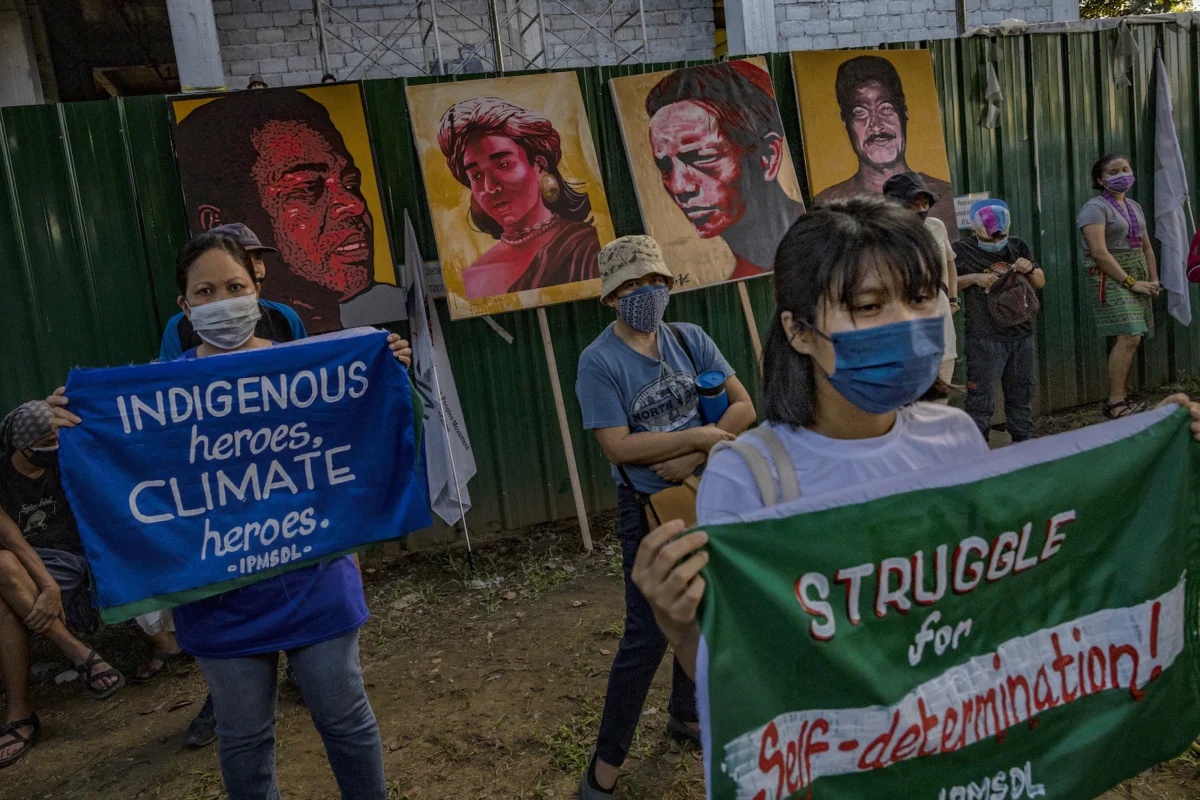
Of the 358 documented fatalities, approximately 24 percent—84 individuals—were targeted specifically for their work in land and environmental defense. Indigenous rights defenders, whose work often overlaps with environmental protection but is categorized separately by researchers, accounted for an additional 17 percent of the killings. These figures underscore a systemic crisis where the pursuit of resource extraction, agribusiness, and industrial development takes precedence over the physical safety of community leaders. The violence was geographically widespread but concentrated in high-risk zones across Brazil, Colombia, Ecuador, France, Honduras, Guatemala, Mexico, India, Indonesia, Peru, the Philippines, Turkey, Somalia, and Palestine.
The Infrastructure of Repression: Lethal and Non-Lethal Tactics
The report reveals that the violence is not limited to assassinations. Beyond the documented killings, the global community of human rights defenders (HRDs) faced nearly 4,000 non-lethal attacks across 119 different countries. These incidents include a spectrum of repressive tactics designed to silence dissent and dismantle community resistance. Activists reported being subjected to persistent digital surveillance, sophisticated smear campaigns intended to delegitimize their causes, arbitrary detention, enforced disappearances, and torture.
Front Line Defenders emphasized that the figure of 4,000 attacks is likely a significant undercount. In many regions, the total closure of civic space makes it impossible to document the full extent of the abuse. In countries such as China, the Democratic Republic of Congo, and Iran, researchers noted that internet blackouts, the suppression of independent media, and the direct targeting of human rights documenters have created "black holes" of information. In these environments, activists often resort to self-censorship to survive, leaving many violations unrecorded and perpetrators entirely unaccountable.
The Case of Efraín Fueres: A Snapshot of the Conflict in Ecuador
The death of Efraín Fueres, a 46-year-old Ecuadorian environmental defender, serves as a poignant example of the risks faced by community leaders. Fueres was killed during a wave of nationwide protests in the fall of 2025, a period characterized by the Ecuadorian government’s aggressive pivot toward pro-extractive industries and the implementation of authoritarian measures to secure mining and drilling sites.
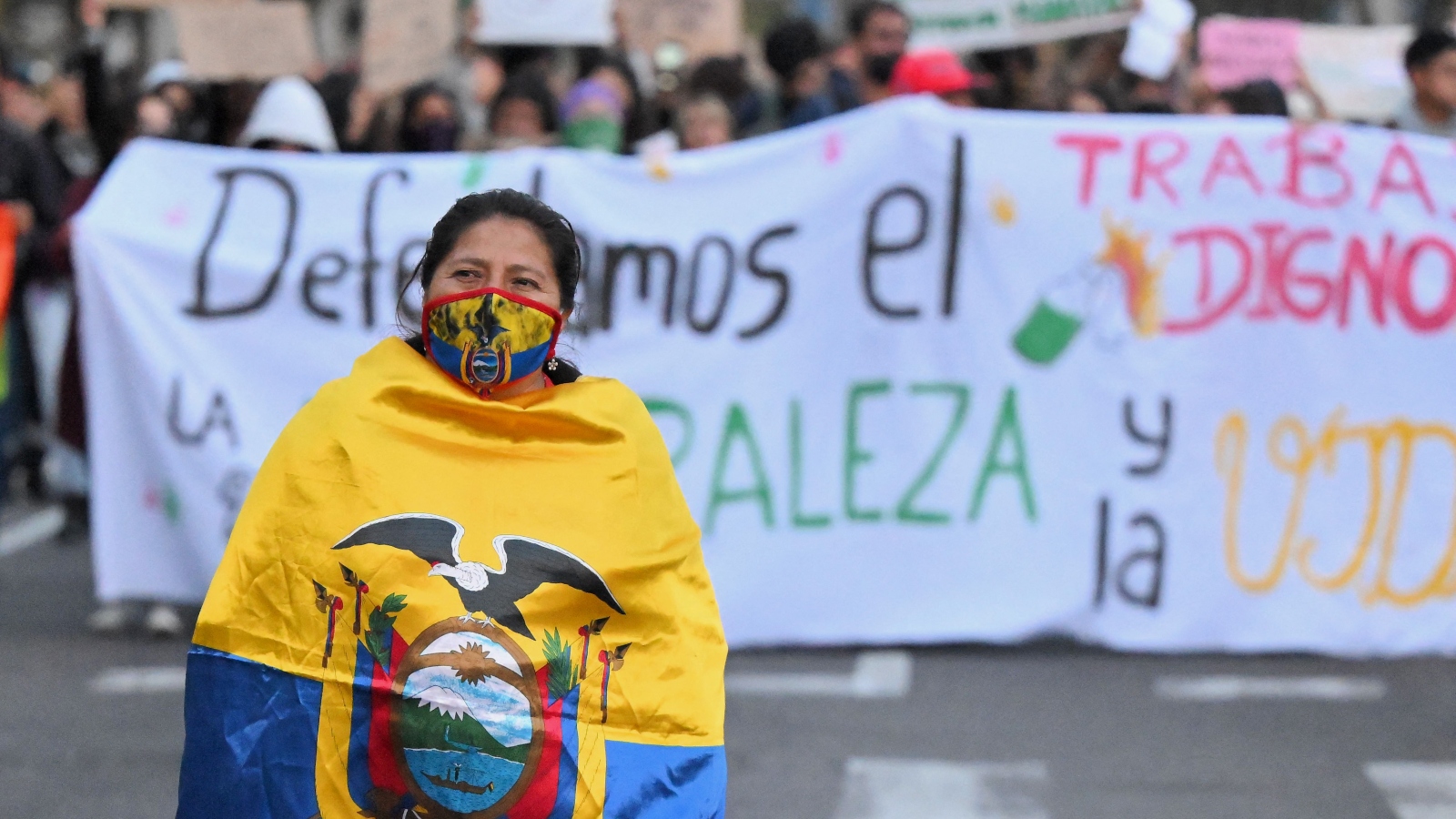
Fueres, a prominent leader within his community, was participating in a peaceful march when he was gunned down. Social media footage of the incident provided a chilling record of the event: as Fueres lay dying in the street, a companion knelt over him in an attempt to provide aid. A military vehicle approached the scene, and armed officers surrounded the two men, repeatedly kicking the companion while ignoring the medical needs of the fallen activist.
Despite the circulation of this evidence, the Ecuadorian government has maintained a stance of silence. Neither the Ecuadorian Consulate in Washington, D.C., nor the country’s public prosecutor’s office responded to inquiries regarding the investigation into Fueres’ death. This lack of official response is emblematic of the "culture of impunity" that Front Line Defenders identifies as a primary driver of violence against activists.
The Rise of Economies of Violence
A central theme of the 2025 report is the emergence and solidification of what researchers call "economies of violence." This term describes the overlapping networks of government officials, private corporations, organized criminal syndicates, and private security forces that collaborate to protect extractive interests. These networks operate with a singular goal: to ensure that projects involving mining, logging, oil and gas development, and large-scale agribusiness proceed without local interference.
The report highlights that the distinction between "lawful" and "criminal" activity often disappears in these contexts. Whether a mining project is state-sanctioned or an illegal operation, the methods used to suppress opposition remain the same. In Ecuador, for example, remote regions have become battlegrounds where illegal miners operate within areas officially designated for legal extraction. This creates a volatile environment where communities are divided, and defenders who challenge any form of land dispossession find themselves targeted by a hydra-headed alliance of state and non-state actors.
Furthermore, the report identifies a global trend of "legal harassment" or "criminalization." Governments and corporations are increasingly utilizing the judicial system as a weapon, filing retaliatory lawsuits and bringing trumped-up criminal charges against activists. In Ecuador, the majority of these criminalization cases occurred in the context of socio-environmental conflicts where mining projects were imposed on communities without their free, prior, and informed consent—a direct violation of international standards.
The Legal Paradox: Recognition Without Enforcement
The continued violence is particularly striking given the significant advancements in international law. As of 2025, more than 165 countries have recognized the human right to a clean, healthy, and sustainable environment. This recognition provides a powerful legal framework for communities to challenge environmental destruction, yet the gap between high-level judicial opinions and on-the-ground reality remains vast.

In a landmark advisory opinion released in 2025, the Inter-American Court of Human Rights explicitly stated that the protection of environmental defenders is a fundamental requirement for the preservation of democracy and the rule of law. The court argued that because a healthy environment is a precondition for all other human rights, governments have a proactive legal obligation to address climate change and protect those who defend the earth. The court noted that the role of these defenders is especially critical during the current climate crisis, as public involvement in decision-making is essential for sustainable survival.
However, the Front Line Defenders report suggests that these legal victories may actually be triggering more violence in the short term. As activists gain more legal tools to stall multi-billion-dollar projects, the entities invested in those projects often escalate their tactics from legal maneuvering to physical intimidation and lethal force.
Chronology of Key Events in 2025
The year was marked by several pivotal moments that defined the struggle for environmental and Indigenous rights:
- January – March 2025: Several European and Latin American nations formally integrated the "Right to a Healthy Environment" into their national constitutions, following the 2022 UN General Assembly resolution.
- May 2025: The Inter-American Court of Human Rights issued its advisory opinion, linking environmental defense directly to the survival of democratic institutions.
- July 2025: International monitoring groups reported a sharp uptick in "SLAPP" suits (Strategic Lawsuits Against Public Participation) targeting activists in Southeast Asia and North America.
- September – October 2025: Massive protests erupted in Ecuador over new mining concessions. The killing of Efraín Fueres and other community leaders occurred during this window of heightened tension.
- December 2025: The release of the Front Line Defenders annual report, confirming that despite legal progress, the death toll for human rights defenders remained at crisis levels.
Implications and the Path Forward
The data from 2025 suggests that the global community is at a crossroads. While the legal "right to defend" is stronger than ever, the physical capacity to do so is being eroded by systemic violence. Analysis of the report indicates that without concrete mechanisms to hold both states and corporations accountable for their roles in "economies of violence," the cycle of killings is unlikely to break.
The implications for global climate goals are severe. Indigenous and environmental defenders are often the primary guardians of the world’s most critical carbon sinks, including the Amazon rainforest and the peatlands of Southeast Asia. When these defenders are silenced, the natural barriers against climate change are dismantled.
To address this, human rights organizations are calling for more than just judicial recognition. They are advocating for "protection mechanisms" that include emergency relocation funds, international monitoring of domestic trials involving activists, and the conditioning of trade agreements on a country’s record of protecting human rights defenders. As the Front Line Defenders report concludes, the transition to a greener economy must not be built upon the graves of those who sought to protect the planet in the first place. The "economies of violence" must be replaced by an economy of accountability, where the law serves the people rather than the interests of extractive power.