As global temperatures rise and weather patterns become increasingly erratic, the traditional map of the world’s most prestigious wine regions is undergoing a profound and potentially permanent transformation. From the sun-drenched valleys of California to the historic chalky soils of Champagne, winemakers are facing an existential crisis: how to preserve the quality and character of their product in a climate that no longer resembles the one their ancestors navigated. While much of the discourse surrounding climate change and wine has focused on the environmental and agricultural challenges, a landmark study from Cornell University has shifted the focus toward the market, revealing that consumers may be more supportive of radical adaptation strategies than previously believed.
The study, published in the American Journal of Enology and Viticulture, investigates how winegrape producers can adapt to warmer temperatures and, crucially, how those adaptations are perceived by the public. Researchers identified three primary strategies available to vintners: the installation of shade cloths to protect grapes from solar radiation, the cultivation of new grape varieties better suited to heat, and the relocation of vineyards to cooler, higher-latitude climates. The findings suggest a surprising level of consumer flexibility, indicating that wine drinkers are willing to pay a premium for "climate-resilient" wines, even when those adaptations involve sacrificing traditional regional branding or well-known grape varieties.
The Triad of Adaptation: Shade, Variety, and Location
The Cornell research team, led by Alex Susskind, a professor of food and beverage management at Cornell University’s School of Hotel Administration, sought to bridge the gap between viticultural necessity and market viability. As Susskind noted, a producer can implement the most sophisticated environmental adaptations in the world, but if the end product fails to resonate with the consumer, the effort becomes economically unsustainable.
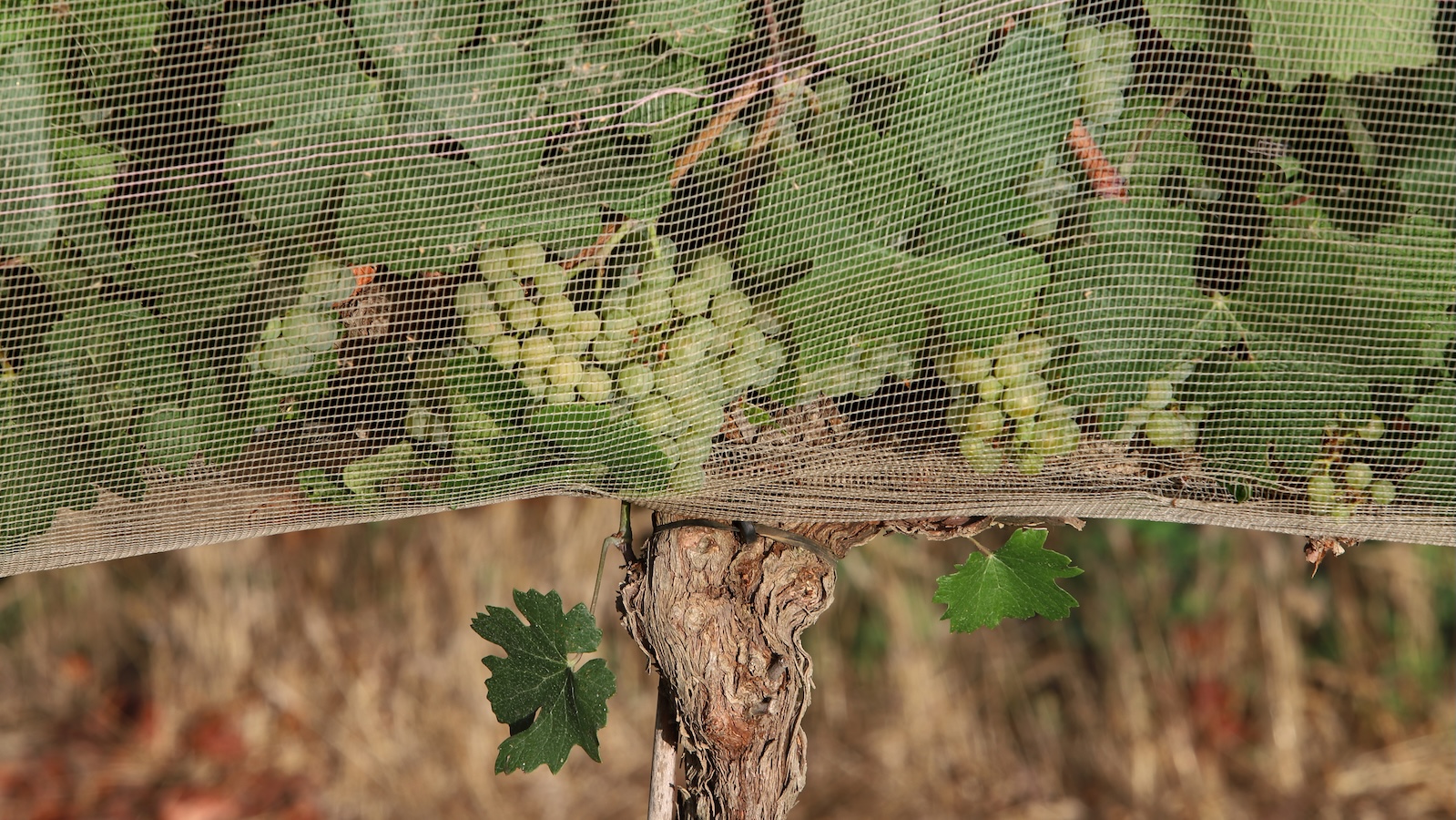
The first strategy—installing shade cloth—is a relatively low-cost, high-impact technological intervention. As heatwaves become more frequent, grapes are increasingly susceptible to "sunburn," which can degrade the fruit’s phenolic compounds and lead to bitter off-flavors. Shade cloths act as a physical barrier, regulating the microclimate around the clusters. However, this is largely an "invisible" adaptation. Unless a winery explicitly markets its use of protective infrastructure on the label, the average consumer remains unaware of the intervention.
The second strategy involves a fundamental shift in the vineyard’s genetic makeup: switching grape varieties. For decades, the global wine market has been dominated by a handful of "noble" grapes, such as Cabernet Sauvignon, Merlot, and Pinot Noir. However, these varieties are often highly sensitive to temperature fluctuations. The study explored the implications of a vineyard in a region like Napa Valley moving away from its signature Cabernet Sauvignon in favor of heat-tolerant varieties like Carignane or Mourvèdre. This change is highly visible to the consumer, as it alters the primary identifier of the wine.
The third and most radical strategy is relocation. This involves moving entire operations to cooler regions—such as moving from Napa to Lake County, or from Southern Australia to Tasmania. This strategy represents an "existential" shift, as it requires the abandonment of established American Viticultural Areas (AVAs) or European Appellation d’Origine Contrôlée (AOC) designations. While relocation showed the "least desirability" among survey participants in terms of their willingness to pay a high premium, the researchers found that consumers were still willing to pay extra for wines made by producers who had made the move to ensure quality in a changing climate.
A Chronology of Climate Pressure on Global Viticulture
The urgency of the Cornell study is underscored by a decade of accelerating climate-related disasters in the wine industry. The timeline of the last ten years reveals a pattern of increasing volatility that has forced the hand of many producers.
In the mid-2010s, Chile began experiencing what scientists termed a "Mega-drought," the longest dry spell in the region’s recorded history. This forced winemakers in the Maipo and Colchagua Valleys to overhaul their irrigation systems, moving toward precision viticulture and drought-resistant rootstocks. By 2017 and 2020, the focus shifted to the Northern Hemisphere, as California faced record-breaking wildfire seasons. Beyond the immediate threat of flames, the industry grappled with "smoke taint"—a phenomenon where volatile phenols from wildfire smoke are absorbed by grape skins, resulting in wines that taste of ash and burnt rubber.
The year 2021 served as a wake-up call for Europe. In April of that year, a severe late-season frost devastated vineyards across France, particularly in the Champagne and Burgundy regions. The French government declared a "national agricultural disaster" as yields plummeted by nearly 30% in some areas, costing the industry an estimated €2 billion in lost revenue. These events have moved climate change from a theoretical future threat to a present-day operational reality, necessitating the very strategies outlined in the Cornell research.
Consumer Sentiments and Economic Data
The Cornell study utilized a survey of 300 participants, primarily college-educated individuals under the age of 40 who identified as environmentally conscious and frequent label-readers. This demographic represents a crucial segment of the "premium" wine market—the "Millennial" and "Gen Z" cohorts who are increasingly driving trends in sustainable and ethical consumption.
The data revealed that when the reasons for adaptation were clearly communicated—specifically through labeling—consumers perceived the changes as a sign of quality and responsibility. For example, when told that a wine was made from a new grape variety specifically chosen to survive heatwaves without compromising flavor, respondents indicated a higher "willingness to pay" (WTP) compared to standard bottles.
This finding challenges the long-held industry belief that "brand heritage" is the only driver of premium pricing. For years, the wine industry has relied on the prestige of specific regions (terroir) and traditional methods. The Cornell study suggests that a new value proposition is emerging: climate resilience. If a consumer knows that a "Lake County Cabernet" is the result of a producer’s proactive move to escape the heat of Napa, they may value the wine’s integrity over the Napa name brand.
Expert Perspectives: The Researcher and the Climatologist
The findings have resonated with experts across the globe. Jimena Balic, a prominent winemaking researcher based in Chile, emphasized the importance of the study’s economic focus. "The economics of climate adaptation in wine are badly under-documented," Balic said. She noted that for most growers, the decision to "go, stay, or change" is driven by the bottom line. "Putting real numbers to these choices, and finding that consumers will pay a premium, is exactly the kind of evidence growers need to justify the investment in new infrastructure or new land."
Balic also pointed out that adaptation is rarely a "one-size-fits-all" solution. In many cases, it is implemented in a piecemeal fashion. A grower might plant heat-resistant varieties on south-facing slopes while installing shade cloths on older, more sensitive vines. This multi-factorial approach is necessary because heat is rarely the only threat; drought, unpredictable rainfall, and shifting pest populations all contribute to the "climate risk" of a vineyard.
Greg Jones, a world-renowned wine climatologist and CEO of Abacela Winery in Oregon, echoed these sentiments but added a note of caution regarding consumer education. Jones, who has studied the impact of climate on viticulture for over 25 years, noted that while the study is encouraging, the industry faces a massive hurdle in educating the general public. "We have a system where the consumer is hard to read," Jones explained. He stressed that for these adaptation strategies to succeed in the marketplace, the industry must do a better job of explaining the viticultural process and how climate change is fundamentally altering it.
Broader Implications for the Global Wine Trade
The implications of this shift in consumer behavior could lead to a restructuring of international wine laws and marketing. In Europe, the AOC system strictly dictates which grapes can be grown in which regions. For instance, a sparkling wine made in Champagne using non-traditional grapes cannot be labeled as "Champagne." However, if consumer demand for climate-resilient wines continues to grow, regulatory bodies may face pressure to relax these rules to allow for varietal experimentation.
Furthermore, the "premiumization" of climate-resilient wines could create a new tier in the market. Just as "organic" or "biodynamic" certifications have become markers of value, a "Climate-Adapted" certification could become a powerful marketing tool. This would be particularly beneficial for emerging wine regions in places like England, Canada, or the Scandinavian countries, which are currently benefiting from warmer growing seasons but lack the historical prestige of the Mediterranean.
However, the Cornell researchers acknowledged several caveats. The study’s small sample size and demographic skew mean the results may not be universally applicable to all wine drinkers. There is also the "novelty factor" to consider; the willingness to pay a premium for adaptation might diminish as these practices become the industry standard. Additionally, the study focused on adaptation rather than mitigation—the latter being the effort to reduce the carbon footprint of wine production itself through lighter packaging, renewable energy, and carbon sequestration in the soil.
Analysis: The Future of the Label
The future of the wine industry likely lies in transparency. As the Cornell study suggests, the "label" is no longer just a place for a brand name and a vintage; it is a communication tool. To maintain consumer trust and justify price increases, winemakers will need to tell the story of their adaptation.
Whether it is a QR code on the back of a bottle explaining the use of shade cloths, or a front-label focus on "Climate-Resilient Varieties," the industry is moving toward a model where environmental stewardship is inextricably linked to product value. The transition will be difficult, and many historic vineyards may not survive the shift. Yet, for those who can adapt—and who can successfully bring their customers along on that journey—the results from Cornell offer a glimmer of hope. The wine of the future may not taste exactly like the wine of the past, but as long as consumers value the effort required to produce it in a warming world, the industry has a viable path forward.