Warriors’ Brandin Podziemski Navigates Wrist Surgery Recovery: A Comprehensive Guide for Fans and Aspiring Athletes
Brandin Podziemski, the dynamic rookie guard for the Golden State Warriors, has recently undergone wrist surgery, a significant development that impacts his immediate playing future and necessitates a detailed examination of his recovery process. This article delves into the intricacies of wrist surgery, the typical rehabilitation protocols, the specific challenges and considerations for a professional basketball player like Podziemski, and what fans can expect during his absence and eventual return. Understanding this process offers valuable insights not only for appreciating the athlete’s journey but also for anyone facing similar orthopedic procedures.
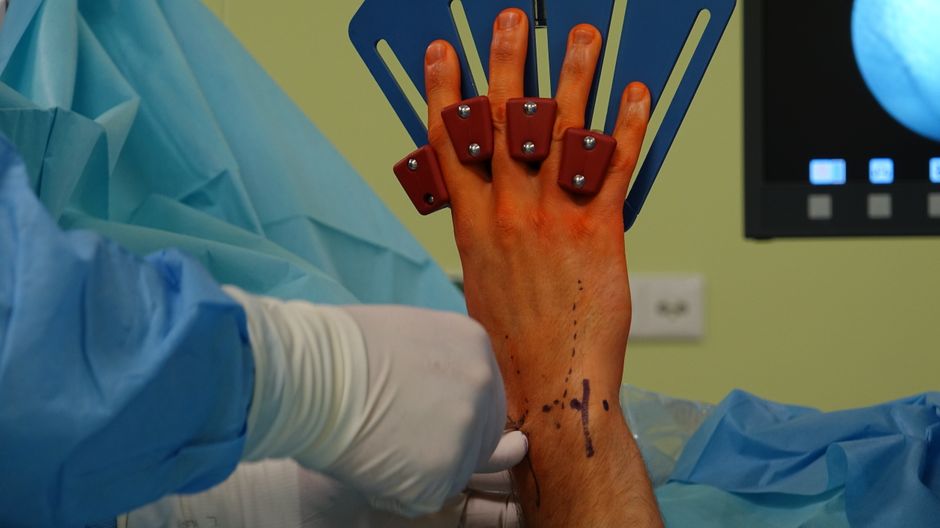
Wrist surgery, in general, is a common procedure aimed at addressing a variety of conditions, from fractures and ligament tears to carpal tunnel syndrome and tendonitis. The specific type of surgery Podziemski underwent will dictate the exact rehabilitation path. For athletes, especially those in high-impact sports like basketball, the goal of surgery is not just to alleviate pain and restore function but to return to peak performance with the same strength, agility, and precision. Wrist injuries, in particular, can be debilitating for basketball players due to the constant demands placed on the hands for dribbling, shooting, passing, and rebounding. The wrist’s complex anatomy, involving numerous small bones, ligaments, and tendons, makes it susceptible to injury and requires meticulous care during recovery. The type of surgical intervention – whether it’s arthroscopic or open, and the specific structures repaired – will heavily influence the timeline and intensity of his rehabilitation. For instance, a simple debridement of inflamed tissue will likely have a shorter recovery than a complex ligament reconstruction or fracture fixation.
The immediate aftermath of wrist surgery typically involves a period of immobilization. This is crucial for allowing the surgical site to heal and for preventing further damage. For Podziemski, this would likely mean a cast or a splint, designed to restrict movement and protect the operated wrist. The duration of immobilization varies depending on the severity of the injury and the surgical procedure, often ranging from a few weeks to several months. During this phase, the focus shifts to pain management and swelling reduction. Cold therapy, elevation, and prescribed pain medication are standard interventions. While the wrist is immobilized, it is imperative for the patient to maintain as much overall fitness as possible. This might involve lower body conditioning, core strengthening, and even upper body exercises with the non-injured arm, all under the guidance of the Warriors’ athletic training staff. The psychological aspect of being sidelined is also significant; maintaining motivation and a positive outlook is paramount for a successful recovery.
Once the immobilization period concludes, the rehabilitation program enters its active phase, focusing on restoring range of motion, strength, and dexterity. This is often the most critical and intensive stage of recovery. Physical therapists play a pivotal role, guiding the athlete through a progressive series of exercises. Initially, passive range of motion exercises are performed, where the therapist or a device moves the wrist through its available range without the patient’s active muscle effort. This is followed by active-assisted range of motion, where the patient initiates the movement with their muscles, and the therapist provides assistance. As healing progresses, the focus shifts to active range of motion exercises, where the patient uses their own muscles to move the wrist through its full spectrum.
Simultaneously, a strengthening program is initiated. This begins with isometric exercises, where muscles are contracted without any joint movement. Gradually, resistance is introduced using resistance bands, light weights, or therapy putty. The goal is to rebuild the strength of the muscles surrounding the wrist and forearm, which are essential for supporting the joint and generating power. Grip strength exercises are particularly important for basketball players, and these will be incorporated as the wrist can tolerate the stress. Dexterity and fine motor skills are also addressed through exercises like picking up small objects, manipulating putty, and performing intricate hand movements. This phase is about meticulous progression, ensuring that each exercise is performed correctly and at an appropriate intensity to avoid re-injury.
For Brandin Podziemski, the return to basketball-specific activities will be a gradual and carefully monitored process. Initially, he will likely participate in non-contact drills. This could involve stationary shooting drills where he focuses on form and touch, using only his non-injured arm or a modified grip with his recovering wrist. Dribbling drills, starting with simple stationary dribbling and progressing to moving dribbling with less intensity, will be crucial for re-acclimating his hands to the feel of the ball. Passing drills, focusing on accuracy and velocity, will also be introduced. The team’s medical and coaching staff will work in close collaboration to determine when he is ready for more demanding activities.
The return to full practice and eventually game action will be contingent on several factors. Pain levels, swelling, range of motion, and strength measurements will be closely tracked. Functional tests, simulating game-like movements, will be administered to assess his readiness. This might include jumping, cutting, and defensive shuffling to ensure his wrist can withstand the demands of the sport. The psychological readiness of the athlete is also a key component; returning to competition after an injury can be daunting, and ensuring Podziemski feels confident in his wrist’s ability to perform is vital. The Warriors’ medical team will likely implement a phased return to play, gradually increasing his minutes and involvement in games as he progresses. This strategy minimizes the risk of reinjury and allows him to regain his game fitness and timing.
The long-term outlook for athletes recovering from wrist surgery is generally positive, especially with proper rehabilitation and a structured return-to-play protocol. Many athletes successfully return to their previous level of performance. However, there is always a risk of re-injury, particularly if the rehabilitation is rushed or if the underlying biomechanical issues are not fully addressed. Maintaining a consistent strength and flexibility program even after returning to play is often recommended to prevent future issues. For Podziemski, his dedication and the resources available to him as a professional athlete significantly enhance his chances of a full recovery and a successful return to the Warriors lineup. Fans can anticipate seeing his progress through updates from the team’s official channels, social media, and interviews with the coaching and medical staff. The journey back will be marked by incremental milestones, each bringing him closer to contributing to the team’s success once again. His resilience and commitment will be as crucial to his recovery as the medical expertise and therapy he receives. The focus will remain on long-term health and sustained performance, ensuring his career is not prematurely impacted by this setback.
