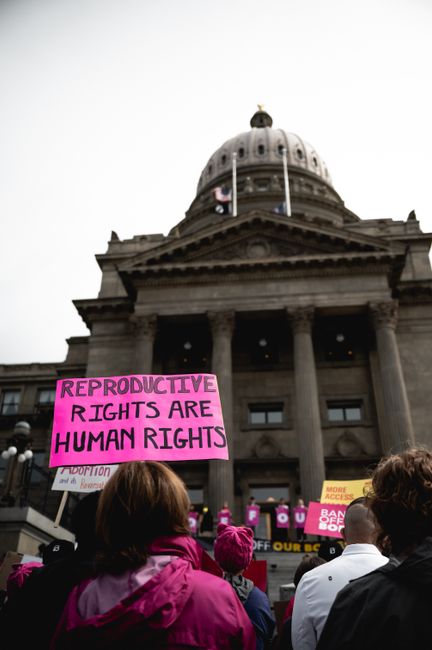
Amanda Zurawski, Texas Reproductive Rights, and the Fight for Bodily Autonomy
The legal and political landscape surrounding reproductive rights in Texas has been dramatically reshaped in recent years, with Amanda Zurawski emerging as a prominent figure in the ongoing struggle for bodily autonomy. Her personal story, entwined with the state’s increasingly restrictive abortion laws, has illuminated the profound impact these policies have on individuals and families, galvanizing a movement for change. Understanding Zurawski’s experience is crucial to comprehending the current state of reproductive healthcare access in Texas and the broader national debate.
Zurawski’s ordeal began when she experienced a life-threatening pregnancy complication, diagnosed as an ectopic pregnancy. Despite the severe medical risks, including the potential for fatal hemorrhage, physicians at her Texas hospital were hesitant to provide the necessary treatment – an abortion – due to fear of violating the state’s strict abortion ban. This chilling effect on medical professionals, born out of legal uncertainty and severe penalties for providers, left Zurawski in a precarious and terrifying situation. She was forced to endure agonizing pain and the heightened risk of rupture while awaiting a legal interpretation that would permit her to receive life-saving care. This experience, she has publicly stated, was deeply traumatic and highlighted the cruel reality of navigating complex legal mandates when one’s life is on the line.
The Texas Heartbeat Act, enacted in 2021 and taking full effect after the Supreme Court overturned Roe v. Wade, effectively bans most abortions in the state. This law, along with subsequent legislative and judicial actions, has created one of the most restrictive abortion environments in the United States. While the law carves out exceptions for "medical emergencies," the definition of such emergencies has become a point of contention and a source of immense fear for both patients and healthcare providers. The ambiguity surrounding when an abortion is permissible to save the life or health of the pregnant person has led to delayed or denied care, even in cases of clear medical necessity.
Amanda Zurawski’s lawsuit, filed in the aftermath of her harrowing experience, seeks to challenge the constitutionality of Texas’s abortion ban as it pertains to medical emergencies. The lawsuit argues that the vague language of the law creates an untenable situation for physicians who are forced to choose between providing potentially life-saving treatment and facing severe legal repercussions, including hefty fines and lengthy prison sentences. Zurawski and her legal team contend that the ban infringes upon the fundamental rights of pregnant individuals to make critical healthcare decisions in consultation with their doctors, particularly when faced with life-threatening conditions.
The legal battle initiated by Zurawski is multifaceted and touches upon several key areas of reproductive rights advocacy. Firstly, it directly addresses the "medical emergency" exception, aiming to provide clarity and a broader interpretation of what constitutes a life-threatening situation that warrants an abortion. This is critical because, in many cases, a pregnant person’s health can deteriorate rapidly, and waiting for the pregnancy to become imminently fatal before intervening can have devastating consequences. The lawsuit aims to ensure that physicians have the legal latitude to act proactively to preserve the life and well-being of their patients.
Secondly, the lawsuit highlights the chilling effect that restrictive abortion laws have on the practice of medicine. Healthcare providers in Texas are operating under immense pressure, constantly aware of the legal ramifications of their decisions. This fear can lead to a reluctance to provide care that might be deemed abortion-related, even when medically indicated. Zurawski’s legal action seeks to alleviate this fear and restore a framework where medical judgment, rather than fear of prosecution, guides patient care.
Thirdly, Zurawski’s case underscores the intersectionality of reproductive rights with broader issues of healthcare access, socioeconomic disparities, and bodily autonomy. Her experience, while focused on a severe medical complication, is emblematic of the challenges faced by many Texans seeking reproductive healthcare. The inaccessibility of abortion services disproportionately impacts marginalized communities, including low-income individuals, people of color, and those living in rural areas, who may lack the resources to travel to states where abortion is legal.
The political landscape in Texas has been heavily influenced by the anti-abortion movement, which has successfully pushed for increasingly stringent regulations on reproductive healthcare. Following the overturning of Roe v. Wade, Texas has become a focal point in this national debate. Zurawski’s lawsuit, therefore, is not just a legal challenge; it is a significant political statement and a rallying cry for those who believe in the fundamental right to control one’s own body and reproductive destiny.
Her public advocacy has been instrumental in raising awareness about the realities of living under Texas’s abortion ban. By sharing her personal story, Zurawski has humanized the abstract legal debates and brought the lived experiences of individuals affected by these laws to the forefront. This personal narrative is a powerful tool in combating misinformation and fostering empathy, crucial elements in building a broad coalition in support of reproductive rights.
The implications of Zurawski’s case extend beyond Texas. The legal arguments and the public discourse generated by her lawsuit have the potential to influence legal challenges in other states with similar restrictive abortion laws. The fight for reproductive rights is a national one, and the precedents set in Texas can have far-reaching consequences.
The legal proceedings are complex, involving intricate interpretations of constitutional law, medical ethics, and statutory language. Opponents of abortion rights often argue that the laws are designed to protect unborn life and that the medical exceptions are sufficient. However, Zurawski’s case and the experiences of numerous other Texans demonstrate that the current legal framework is creating a public health crisis, where individuals are being denied essential medical care.
The lawsuit’s success hinges on several factors, including the court’s interpretation of the "medical emergency" exception and the broader constitutional rights of pregnant individuals. Advocates are closely watching the proceedings, recognizing that a favorable outcome could lead to significant changes in how abortion bans are applied in medically complex situations. Conversely, an unfavorable ruling could further entrench the restrictive policies and intensify the challenges faced by those seeking reproductive healthcare in Texas.
Beyond the legal battle, Zurawski’s activism has inspired a new generation of reproductive rights advocates. Her willingness to speak out and challenge the status quo in the face of potential legal scrutiny has empowered others to share their stories and demand accountability. The movement for reproductive freedom in Texas is a testament to the resilience and determination of individuals who are fighting for their fundamental rights.
The broader implications of Zurawski’s fight are tied to the ongoing national conversation about the role of government in personal healthcare decisions. The debate over abortion access is not simply about the termination of a pregnancy; it is about the extent to which individuals have the right to make deeply personal medical choices without undue government interference. Zurawski’s experience forcefully illustrates the dangers of allowing broad legislative mandates to override critical medical decision-making.
In conclusion, Amanda Zurawski’s fight for reproductive rights in Texas is a critical juncture in the ongoing struggle for bodily autonomy. Her lawsuit, born out of a life-threatening medical emergency, has brought to light the severe consequences of restrictive abortion laws and the chilling effect they have on healthcare providers. Her personal story, coupled with her public advocacy, has galvanized a movement and highlighted the urgent need for clarity and protection in reproductive healthcare access, not just in Texas, but across the nation. The legal and social ramifications of her case will undoubtedly shape the future of reproductive rights for years to come.
