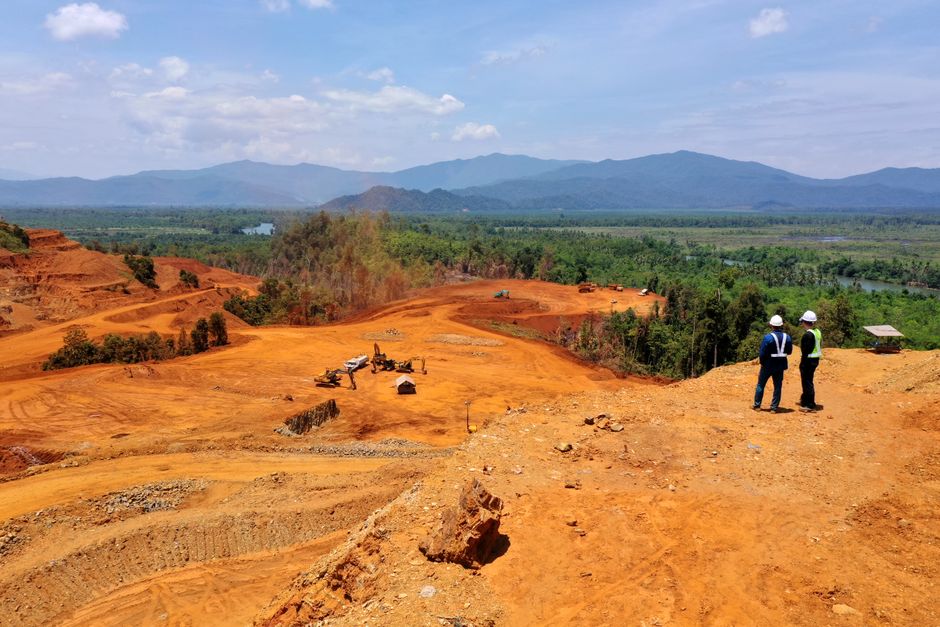
China-Backed Militia Secures Control of New Rare Earth Mines in Myanmar
The strategic acquisition of vital rare earth mineral deposits in Myanmar by a China-backed militia signals a significant geopolitical and economic shift, potentially solidifying Beijing’s dominance in the global supply chain for these critical elements. This development, occurring amidst Myanmar’s ongoing internal conflict and political instability following the 2021 military coup, highlights the complex interplay of regional power dynamics, resource competition, and the evolving influence of Chinese state-backed entities in Southeast Asia. The militia, operating in a region characterized by porous borders and a history of illicit resource extraction, has effectively leveraged the prevailing chaos to establish a formidable presence, gaining exclusive access to deposits estimated to be among the world’s richest in rare earth oxides. This move is not merely about mineral wealth; it represents a calculated effort by China to further insulate its economy from external pressures and ensure a secure, domestically controlled supply of materials essential for a wide array of advanced technologies, from consumer electronics and renewable energy components to military hardware and artificial intelligence.
The precise identity of the China-backed militia involved in this operation remains deliberately opaque, a common characteristic of such proxy arrangements designed to obfuscate direct state involvement. However, intelligence reports and on-the-ground observations suggest a strong nexus with groups that have historically received financial and logistical support from Beijing, particularly those operating in border regions with existing economic ties to China. These groups have demonstrated a capacity to organize, equip, and exert territorial control, effectively acting as an extended arm of Chinese strategic interests. The militia’s operational success is attributed to a combination of factors: superior weaponry, efficient organizational structures, and a pragmatic understanding of the local landscape, including existing smuggling routes and economic networks. Their control extends to key access points for the rare earth deposits, including mining sites and transportation corridors leading towards the Chinese border, effectively cutting off any potential rival access and ensuring a streamlined flow of extracted materials. This territorial consolidation has been facilitated by the fractured state of the Myanmar military and the widespread displacement of local populations, creating a vacuum that the well-resourced militia has readily filled.
The economic implications of this Chinese-backed control are profound and far-reaching. Rare earth elements (REEs), a group of 17 chemically similar metallic elements, are indispensable for modern high-tech industries. Their unique magnetic, catalytic, and optical properties make them crucial components in electric vehicle motors, wind turbine generators, smartphones, advanced batteries, and sophisticated defense systems. China has long held a near-monopoly on the global rare earth market, accounting for the vast majority of global mining and processing capacity. This new acquisition in Myanmar significantly bolsters Beijing’s already dominant position, providing it with an additional, geographically proximate source of these vital resources, potentially diminishing the reliance on domestic extraction and reducing exposure to international trade disputes and sanctions. The operational efficiency and lower production costs often associated with China-backed operations further amplify their competitive advantage. This strategic move aims to preempt any future attempts by Western nations or other global powers to diversify their rare earth supply chains away from China.
Geopolitically, the development underscores China’s growing assertiveness and its strategy of leveraging economic influence to achieve strategic objectives in its periphery. The control of these rare earth mines in Myanmar can be viewed as a critical component of China’s broader Belt and Road Initiative (BRI), even if not explicitly branded as such. By securing resources and establishing control over vital infrastructure, China is effectively extending its economic and political footprint deeper into Southeast Asia. This move also has significant implications for regional security. The presence of a well-armed, China-backed militia controlling lucrative resource territories could further destabilize an already volatile region, potentially exacerbating ethnic conflicts and challenging the sovereignty of neighboring states. It also presents a direct challenge to the West’s efforts to reduce its dependence on China for critical minerals, a key objective in the ongoing technological and economic competition between China and the United States.
The specific rare earth minerals being targeted in Myanmar are diverse, encompassing neodymium, praseodymium, dysprosium, and terbium, among others. These elements are particularly sought after for their roles in producing powerful permanent magnets used in electric vehicles and wind turbines, as well as in advanced lasers and defense applications. The geological formations in certain parts of Myanmar, particularly in Kachin State, are known to be exceptionally rich in these valuable REEs. The ease of extraction and proximity to the Chinese border makes these deposits highly attractive for exploitation, bypassing the often complex and environmentally regulated mining processes in Western countries. The militia’s ability to operate with relative impunity from international scrutiny or environmental regulations further enhances the economic viability of these operations from Beijing’s perspective.
The security apparatus employed by the China-backed militia appears to be robust and well-trained, capable of securing extensive mining territories and fending off any potential challenges from rival groups or remnants of the Myanmar military. Reports indicate the use of modern small arms, communication equipment, and surveillance technology, suggesting a level of organization and financial backing that goes beyond that of typical local militias. This sophisticated operational capability is crucial for ensuring the uninterrupted flow of rare earth materials to processing facilities in China. The militia’s presence has also led to significant social disruption, with allegations of forced labor, displacement of indigenous populations, and environmental degradation becoming increasingly prevalent. These human rights concerns, however, appear to be secondary to the strategic objective of securing access to critical resources.
The long-term implications for the global rare earth market are substantial. This acquisition is likely to further entrench China’s market dominance, making it even more difficult for other countries to establish competitive rare earth mining and processing industries. The cost of developing new mines and processing facilities outside of China is significantly higher due to stringent environmental regulations, labor costs, and the need for specialized expertise. Beijing’s strategic move in Myanmar effectively preempts such diversification efforts, creating a significant obstacle for nations seeking to build their own secure supply chains. This could lead to increased price volatility for rare earth elements, as China gains even greater control over supply. Furthermore, it raises concerns about the ethical sourcing of rare earth minerals, given the documented human rights abuses and environmental damage associated with unchecked resource extraction in conflict zones.
The international community, particularly Western nations, faces a significant challenge in responding to this development. The fragmented political landscape in Myanmar and the covert nature of China-backed operations make it difficult to implement effective countermeasures. Diplomatic pressure alone is unlikely to be sufficient, given China’s unwavering commitment to securing its resource interests. Options for response could include increased international scrutiny of rare earth supply chains, efforts to support alternative rare earth extraction and processing initiatives outside of China, and the imposition of targeted sanctions on entities involved in the illicit extraction of resources in Myanmar. However, the practical implementation of such measures is fraught with challenges, including the difficulty of definitively linking specific entities to Chinese state backing and the potential for retaliatory economic measures from Beijing.
The nexus between conflict and resource control in Myanmar is a well-established pattern, and the recent consolidation of power over rare earth mines by a China-backed militia represents a potent continuation of this trend. The militia’s success is not an isolated event but rather a symptom of the broader strategic objectives that China is pursuing in its immediate neighborhood. By effectively co-opting local armed groups and leveraging the prevailing instability, Beijing is achieving significant strategic gains with a relatively low direct investment of its own military personnel. This model of proxy control over critical resources is likely to be replicated in other regions where China perceives strategic interests to be at stake. The long-term consequences for global resource security, international relations, and the ethical sourcing of critical minerals are significant and warrant urgent attention from policymakers and industry leaders worldwide. The control of these rare earth deposits represents a tangible manifestation of China’s growing economic and geopolitical power, with profound implications for the technological landscape of the 21st century.
