Europe Bristles as US Proposals Spark Asian Gathering and India-Pakistan Hostility Show
The geopolitical landscape is undergoing a significant recalibration, with escalating tensions between India and Pakistan taking center stage amid evolving US proposals and a burgeoning Asian gathering. This intricate web of relationships, characterized by historical animosity and strategic realignments, is generating ripples across the global stage, prompting a critical examination of underlying motivations, potential consequences, and the shifting dynamics of international diplomacy. The recent convergence of these distinct but interconnected developments signifies a pivotal moment, demanding in-depth analysis to understand the forces at play and their implications for regional stability and global power structures.
At the heart of this complex equation lies the United States’ shifting approach to the Indo-Pacific region, a strategic pivot that has been years in the making but is now manifesting in more concrete and assertive policy proposals. These proposals, often framed within the context of countering China’s growing influence, aim to solidify existing alliances and forge new partnerships. However, the emphasis on a more militarized and strategically assertive presence in the region has not been met with universal acclaim, particularly within Europe. European nations, while acknowledging the strategic importance of the Indo-Pacific, harbor distinct interests and a preference for multilateral engagement over what some perceive as a more unilateral and potentially destabilizing US-led approach. Concerns are frequently voiced regarding the risk of escalation, the potential for trade disruptions, and the diversion of resources and attention from other critical global challenges. The nuanced economic interdependence between Europe and Asia, coupled with a historical commitment to diplomatic solutions, often creates a divergence in strategic thinking. European leaders, therefore, find themselves in a delicate balancing act: supporting the broader objectives of regional security while expressing reservations about specific US strategies that could inadvertently inflame existing fault lines. The "bristling" in Europe, therefore, is not a rejection of engagement but a call for a more collaborative and less confrontational approach, one that prioritizes diplomatic dialogue and de-escalation over overt power projection. This divergence in strategic priorities between the transatlantic partners underscores the multifaceted nature of contemporary international relations, where shared interests are often pursued through divergent pathways.
Simultaneously, the region itself is witnessing a significant "Asian gathering" – a series of high-level diplomatic summits, economic forums, and security dialogues that underscore the growing assertiveness and agency of Asian nations. This gathering is not a monolithic entity but rather a constellation of diverse initiatives, each with its own agenda and participating nations. These include, but are not limited to, evolving ASEAN-led dialogues, the Quad (comprising India, Japan, Australia, and the United States), and various bilateral engagements. The underlying objective for many of these nations is to secure their own strategic autonomy and to shape the regional order according to their own interests, independent of external imposition. This growing emphasis on regionalism is a natural consequence of the shifting global power balance and the increasing economic and demographic weight of Asian countries. It represents a maturing of the international system, where formerly less influential actors are now actively participating in the formulation of global norms and agendas. The "gathering" is characterized by a complex interplay of cooperation and competition, where nations seek to leverage their positions through a combination of economic partnerships, diplomatic maneuvering, and, in some cases, military modernization. The US proposals, while seeking to engage with this gathering, often find themselves navigating a landscape where existing regional architectures and bilateral relationships predate their current strategic focus, leading to a dynamic where the US is both a participant and a factor influencing these ongoing Asian initiatives.
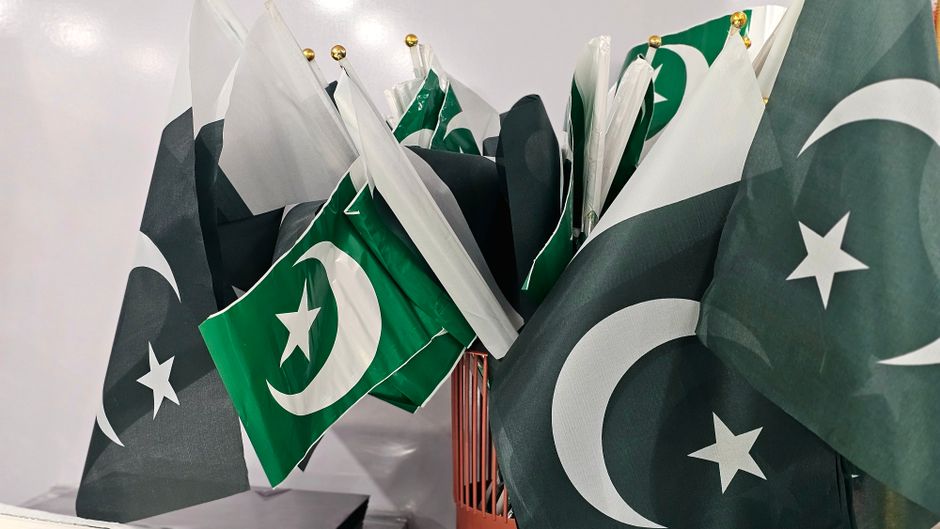
It is within this volatile context that the long-standing "hostility show" between India and Pakistan re-emerges with renewed intensity. The recent political and security developments in South Asia, particularly concerning the region’s territorial disputes and ideological differences, have once again brought the two nuclear-armed nations to the brink. Border skirmishes, heightened rhetoric, and deeply entrenched historical grievances continue to fuel a cycle of suspicion and animosity. The US proposals, while aiming for broader Indo-Pacific stability, cannot ignore the potent destabilizing force that the India-Pakistan conflict represents. The strategic calculus of both nations is heavily influenced by their adversarial relationship. India, seeking to secure its borders and project regional influence, views Pakistan through a lens of security threats, while Pakistan, in turn, perceives India as an existential threat. This deeply ingrained animosity makes any regional security architecture incomplete and inherently fragile if it does not adequately address the core issues of contention between these two South Asian giants. The potential for miscalculation and escalation, especially in the nuclear age, remains a paramount concern for the international community. Therefore, any US strategy that purports to foster stability in Asia must contend with the persistent and often volatile nature of the India-Pakistan relationship, recognizing it not as a peripheral issue but as a central element of regional security.
The US proposals, by focusing on enhancing military capabilities and strengthening alliances in the Indo-Pacific, inadvertently create new dynamics that can exacerbate existing tensions between India and Pakistan. For instance, increased military assistance or joint exercises involving India and the US could be perceived by Pakistan as an imbalance of power, potentially triggering a reciprocal escalation in its own defense posture. This, in turn, can fuel further distrust and instability in the region. The rhetoric surrounding these proposals, often couched in terms of confronting specific state actors, can also be interpreted through the prism of the India-Pakistan rivalry, leading to misinterpretations and heightened anxieties on both sides. The challenge for the US lies in its ability to foster security cooperation without inadvertently fueling further regional arms races or undermining existing diplomatic efforts to de-escalate tensions. A holistic approach is therefore required, one that acknowledges the interconnectedness of regional security and recognizes that stability in one theater can be undermined by persistent instability in another. The "hostility show" between India and Pakistan is not merely a bilateral issue; it has profound implications for the broader security of the Indo-Pacific and beyond.
The Asian gathering, while a testament to the region’s growing diplomatic clout, also highlights the diverse approaches to regional security that can complicate US initiatives. While some Asian nations may welcome increased US engagement as a counterweight to China, others may view it with apprehension, fearing entanglement in broader geopolitical rivalries. This diversity of perspectives means that US proposals cannot be applied as a one-size-fits-all solution. Instead, they must be tailored to the specific needs and concerns of individual nations and sub-regional blocs. Furthermore, the ongoing tensions between India and Pakistan can impact the effectiveness of these regional gatherings. If these two nations are actively engaged in hostility, their participation in broader Asian security dialogues can become a source of friction, diverting attention from constructive cooperation on other pressing issues. The challenge lies in creating platforms where all stakeholders, including India and Pakistan, can engage in meaningful dialogue and find common ground, rather than allowing their animosity to dominate the agenda.
The "bristling" of Europe, meanwhile, serves as a crucial reminder of the importance of a multilateral approach to global security. European nations, with their extensive diplomatic networks and historical commitment to peaceful conflict resolution, possess valuable insights and experience that can complement US efforts. Their concerns about the potential for escalation and the need for diplomatic engagement are not merely ideological but are rooted in a pragmatic understanding of the consequences of unchecked conflict. Ignoring these concerns risks alienating key allies and undermining the very stability that US proposals aim to achieve. The US, therefore, needs to engage in a more robust and sincere dialogue with its European partners, acknowledging their perspectives and incorporating their input into its strategic planning. This collaborative approach, rather than a unilateral one, is more likely to foster broad-based support and achieve sustainable security outcomes in the Indo-Pacific and beyond. The intricate dance between US proposals, the burgeoning Asian gathering, and the persistent India-Pakistan hostility demands a nuanced and cooperative strategy that acknowledges the interconnectedness of these global dynamics. Failure to do so risks a cascade of unintended consequences, further destabilizing a region already grappling with significant challenges. The current geopolitical juncture necessitates a departure from zero-sum thinking and an embrace of collaborative diplomacy to navigate the complexities of the evolving international order. The long-term implications for global peace and prosperity hinge on the ability of key global actors to find common ground and forge a shared vision for a stable and secure future.
