Global Markets Trading Day: Visualizing the 24-Hour Cycle and Key Infographics
The global financial markets operate continuously, a complex ecosystem driven by economic forces, geopolitical events, and investor sentiment that flows across time zones. Understanding the rhythm of this 24-hour trading day is crucial for investors, traders, and analysts seeking to identify opportunities, manage risk, and comprehend market dynamics. This article explores the concept of the global markets trading day, focusing on the visual representation of this cycle through various graphics and infographics. We will delve into the distinct sessions, their interdependencies, and how these visual tools aid in market comprehension.
The global trading day is not a monolithic entity but rather a tapestry woven from distinct regional market sessions, each with its own characteristics, trading volumes, and dominant asset classes. Primarily, these sessions are categorized into the Asian session (including Tokyo, Shanghai, and Sydney), the European session (anchored by London), and the North American session (dominated by New York). The overlapping periods between these major sessions are particularly significant, often witnessing heightened volatility and increased trading activity as liquidity pools merge and information from multiple regions becomes available simultaneously. Visualizing this 24-hour cycle through a trading day graphic is essential for grasping the sequential and concurrent nature of these markets. Such graphics typically depict a circular or linear timeline representing the 24 hours of a day, with color-coded segments or distinct regions illustrating the opening and closing times of major financial centers. Key information often displayed includes the primary stock exchanges operating within each session, major currency pairs that tend to be most active, and the general market sentiment or key economic releases scheduled for each period. For instance, a well-designed graphic might highlight the Asian session commencing with the Nikkei 225 opening in Tokyo, followed by the Hang Seng in Hong Kong and the Shanghai Composite. As the Asian session wanes, the European session begins with the Frankfurt Stock Exchange (DAX) and Paris’ CAC 40, culminating in the powerhouse of London’s FTSE 100. The baton is then passed to North America, where the Dow Jones Industrial Average, S&P 500, and Nasdaq Composite in New York take center stage.
The graphic representation of the trading day is instrumental in illustrating the concept of market overlap and its implications. The overlap between the Asian and European sessions, for example, can see increased trading in Asian currencies against European ones, and the emergence of cross-asset trading opportunities as market participants digest overnight news from Asia. Similarly, the overlap between the European and North American sessions is arguably the most active period, characterized by immense liquidity and often significant price movements as European markets close and North American markets are in full swing. Graphics depicting this overlap visually highlight the periods where traders have access to the broadest range of markets and information, potentially leading to arbitrage opportunities and increased directional trading. These infographics often use shaded areas or distinct color gradients to denote these overlapping periods, underscoring their importance for global traders. Understanding these overlaps is critical for day traders who aim to capitalize on short-term price fluctuations and for institutional investors managing diversified portfolios across different geographies.
Beyond the basic timeline of market openings and closings, advanced trading day graphics often incorporate additional layers of information to provide a more comprehensive market overview. These can include the scheduled release times of key economic data, such as inflation figures, employment reports, and central bank interest rate decisions. These data releases are often catalysts for significant market movements, and their placement on the trading day timeline within an infographic allows traders to anticipate periods of potential volatility. Furthermore, some graphics may indicate the typical trading volumes associated with each session, helping to identify periods of high liquidity and potential trading opportunities. For example, the European and North American sessions are generally associated with higher trading volumes compared to the Asian session, reflecting the larger economic scale and investor participation in these regions. The inclusion of commodity markets, such as oil and gold, and their trading hours is also beneficial, as these assets often react to geopolitical events and economic shifts that transcend specific regional market times.
The influence of each trading session on subsequent sessions is a critical element that trading day graphics help to visualize. News and price action originating in the Asian session can set the tone for the European markets, and similarly, European market performance can influence how North American markets open. This ripple effect is a fundamental aspect of global market interconnectedness. Infographics that illustrate this often use directional arrows or textual annotations to show how events in one session might impact another. For example, a sharp decline in the Nikkei 225 might be depicted as leading to a cautious opening in European equities, or strong manufacturing data from Germany could be shown to positively influence early trading in London. This sequential influence is not always direct and can be mediated by news flow and investor psychology, but the general principle of one session’s performance influencing the next is a consistent theme.
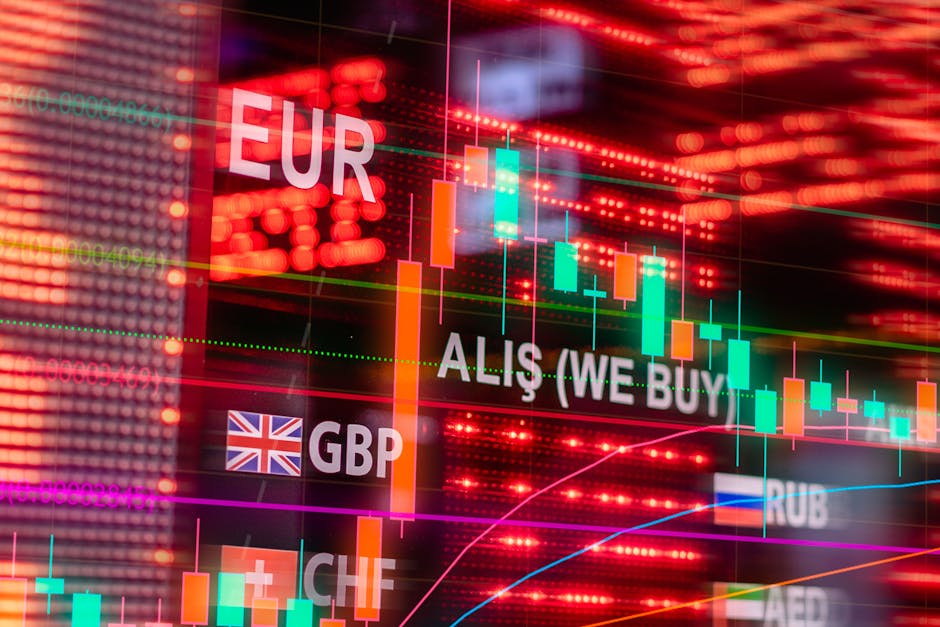
Furthermore, the concept of trading sessions is not limited to equities. Forex markets, for instance, operate on a 24-hour basis, and the activity in different currency pairs often peaks during specific regional sessions. A trading day graphic for forex might highlight the Yen’s typical strength during the Asian session, the Euro and Pound’s prominence during the European session, and the US Dollar’s dominance during the North American session. Similarly, bond markets, commodity futures, and even cryptocurrency markets exhibit session-specific trading patterns and volumes, albeit with varying degrees of correlation to traditional financial centers. Visualizing these patterns within a comprehensive trading day graphic can offer a holistic view of global liquidity and price discovery across different asset classes.
The technical aspects of creating and interpreting these trading day graphics are also noteworthy. They are typically generated using specialized trading software or financial data platforms that aggregate real-time market data. The design prioritizes clarity and accessibility, employing intuitive color schemes, clear labeling, and easy-to-read fonts. Interactive versions of these graphics, often found on financial news websites and trading platforms, allow users to hover over specific time periods or market segments to access more detailed information, such as current prices, trading volumes, or relevant news headlines. The use of real-time data feeds ensures that these visualizations are dynamic and reflect the most up-to-date market conditions, making them invaluable tools for active traders.
The economic rationale behind the distinct trading sessions can also be understood through these graphics. Each session reflects the economic priorities and dominant industries of the region. For instance, the Asian session might see a greater focus on technology stocks and export-driven industries, while the European session could emphasize financial services, manufacturing, and luxury goods. The North American session, with its vast domestic market, often sees a broad range of sectors represented, with a significant emphasis on technology, energy, and consumer staples. Visualizing these sector-specific activities alongside the general trading timeline can offer insights into the underlying economic drivers of each market session.
The role of central banks and their monetary policy announcements is another critical element that can be integrated into trading day graphics. Major central banks like the Federal Reserve, the European Central Bank, and the Bank of Japan release policy statements and hold press conferences at specific times. These events can have a profound impact on currency valuations, equity markets, and bond yields. A well-designed infographic will highlight these scheduled announcements, allowing traders to prepare for potential market reactions. For example, a Fed interest rate decision during the New York session can cause significant intraday volatility in the US Dollar and all dollar-denominated assets.
Furthermore, geopolitical events, though often unpredictable, can dramatically influence global markets. While graphics cannot predict these events, they can illustrate how their impact unfolds across different trading sessions. For instance, a major geopolitical development occurring during the European session might lead to increased safe-haven demand for gold and a sell-off in riskier assets, with the effects rippling through the subsequent North American and even the next day’s Asian trading. Visualizing this cascade of reactions helps traders understand the interconnectedness of global events and their market implications.
The evolution of trading technology has also contributed to the sophistication of these trading day graphics. With the rise of algorithmic trading and high-frequency trading, market movements can occur at lightning speed, often across multiple time zones simultaneously. Advanced graphics now incorporate real-time order flow data, market depth visualizations, and sentiment analysis indicators, providing a more granular and dynamic view of the trading landscape. These tools are essential for sophisticated traders who need to identify fleeting opportunities and manage complex trading strategies.
In conclusion, the global markets trading day graphic is a vital informational tool that encapsulates the complex, 24-hour rhythm of financial markets. By visually representing the distinct trading sessions, their overlaps, the timing of key economic events, and the influence of one session on another, these infographics empower investors and traders to navigate the global financial landscape with greater understanding and strategic insight. The ability to visualize the ebb and flow of liquidity, the impact of news, and the interconnectedness of different markets makes these graphics indispensable for anyone seeking to participate effectively in the world of global finance.
