Navigating the Environmental Crisis: A Comprehensive Overview of Global Challenges and Solutions
The escalating environmental crisis represents the most significant existential threat facing humanity and the intricate web of life on Earth. This multifaceted challenge encompasses a spectrum of interconnected issues, each with profound implications for ecosystems, biodiversity, human health, and socio-economic stability. At its core, the crisis stems from human activities that disrupt natural processes, leading to unsustainable resource depletion, pollution, and the degradation of natural systems. Understanding these environmental issues is paramount to formulating effective and equitable solutions.
Climate Change: The Overarching Threat
Climate change, driven primarily by the emission of greenhouse gases (GHGs) from the burning of fossil fuels, deforestation, and industrial processes, stands as the most pervasive environmental challenge. The accumulation of GHGs in the atmosphere traps heat, leading to a gradual warming of the planet. This warming manifests in numerous ways: rising global temperatures, more frequent and intense heatwaves, altered precipitation patterns, melting glaciers and ice sheets, and subsequent sea-level rise. The consequences are far-reaching, impacting agriculture through droughts and floods, exacerbating extreme weather events like hurricanes and wildfires, threatening coastal communities with inundation, and contributing to species extinction. The urgency of mitigating climate change necessitates a rapid transition to renewable energy sources, improved energy efficiency, sustainable land management practices, and carbon capture technologies.
Biodiversity Loss: The Silent Extinction
The current rate of species extinction is alarmingly high, often referred to as the Sixth Mass Extinction event. This biodiversity loss is largely attributable to habitat destruction and fragmentation, overexploitation of natural resources, pollution, the introduction of invasive species, and climate change. Each species plays a unique role in its ecosystem, contributing to its stability and functioning. The loss of biodiversity weakens ecosystems, making them more vulnerable to collapse and reducing their capacity to provide essential services such as clean air and water, pollination, and climate regulation. Protecting biodiversity requires establishing and enforcing protected areas, combating illegal wildlife trade, promoting sustainable agriculture and forestry, and restoring degraded habitats.
Pollution: Contaminating Our Planet
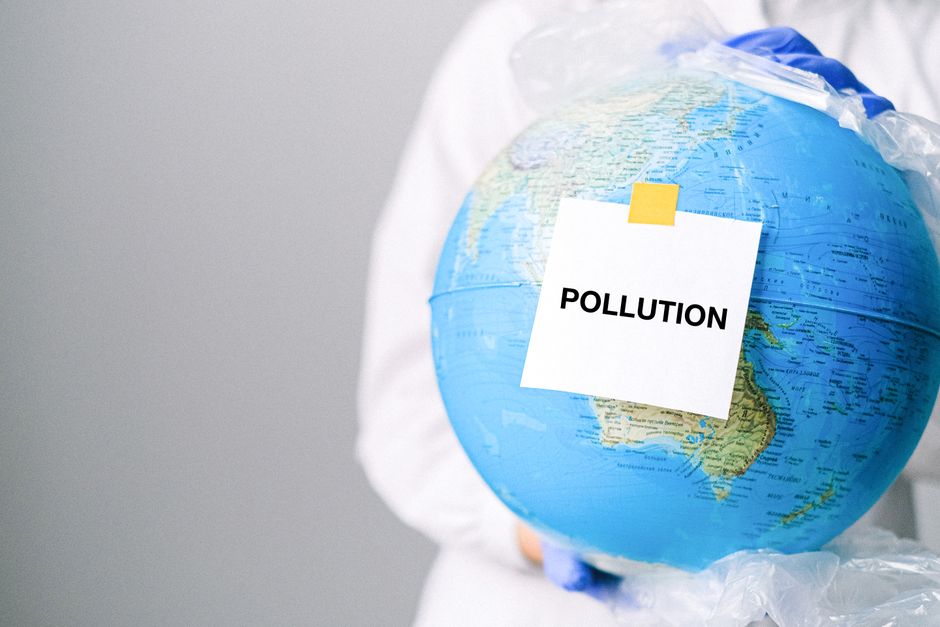
Pollution, in its various forms, poses a severe threat to environmental and human health. Air pollution, from industrial emissions, vehicle exhaust, and burning biomass, contributes to respiratory illnesses, cardiovascular diseases, and premature death. Water pollution, stemming from agricultural runoff, industrial discharge, and untreated sewage, contaminates drinking water sources, harms aquatic life, and spreads diseases. Plastic pollution has become a global epidemic, choking marine ecosystems, entering the food chain, and persisting in the environment for centuries. Soil pollution, caused by the excessive use of pesticides and herbicides, industrial waste, and improper waste disposal, degrades soil fertility and contaminates food crops. Addressing pollution necessitates stringent regulations on industrial emissions, promoting sustainable waste management and recycling, reducing single-use plastics, and transitioning to greener industrial processes.
Deforestation and Land Degradation: Eroding Our Foundation
Forests are vital ecosystems, regulating climate, harboring biodiversity, preventing soil erosion, and providing essential resources. Deforestation, driven by agricultural expansion, logging, and urbanization, has devastating consequences. It contributes to climate change by releasing stored carbon, exacerbates biodiversity loss by destroying habitats, and leads to soil erosion and desertification. Land degradation, which encompasses soil erosion, salinization, and nutrient depletion, reduces agricultural productivity and can lead to food insecurity and displacement. Sustainable land management practices, including reforestation, afforestation, agroforestry, and responsible agricultural techniques, are crucial for reversing these trends.
Water Scarcity and Management: A Growing Concern
Freshwater resources are finite and unevenly distributed, making water scarcity a critical environmental issue, particularly in arid and semi-arid regions. Over-extraction of groundwater, inefficient irrigation practices, pollution of water sources, and the impacts of climate change on precipitation patterns all contribute to water stress. Competition for water resources can lead to social and political conflicts. Effective water management requires integrated water resource management approaches, promoting water conservation, investing in water-efficient technologies, improving wastewater treatment and reuse, and addressing the impacts of climate change on water availability.
Resource Depletion: Unsustainable Consumption
Humanity’s insatiable demand for resources, including minerals, fossil fuels, and timber, is leading to their rapid depletion. Unsustainable consumption patterns and inefficient resource use exacerbate this problem. The extraction and processing of raw materials often have significant environmental impacts, including habitat destruction, pollution, and GHG emissions. Transitioning to a circular economy, which emphasizes reducing, reusing, and recycling materials, is essential for mitigating resource depletion. Promoting sustainable consumption habits and investing in technologies that reduce reliance on virgin resources are also critical.
Ocean Acidification and Marine Pollution: A Dying Sea
The world’s oceans, vital for regulating climate and supporting vast biodiversity, are under immense pressure. Absorption of excess atmospheric carbon dioxide leads to ocean acidification, which threatens marine organisms with calcium carbonate shells and skeletons, such as corals and shellfish. Marine pollution, including plastic debris, chemical runoff, and oil spills, further degrades marine ecosystems. Overfishing and destructive fishing practices deplete fish stocks and damage marine habitats. Protecting the oceans requires reducing GHG emissions, curbing plastic pollution, enforcing sustainable fishing quotas, and establishing marine protected areas.
Waste Management and Pollution Control: The Growing Burden
The exponential growth of human populations and consumption has led to a surge in waste generation. Inadequate waste management systems, particularly in developing countries, result in the uncontrolled dumping of waste, leading to land and water contamination, air pollution from burning waste, and the release of methane, a potent GHG. Transitioning to a hierarchical approach to waste management, prioritizing reduction, reuse, and recycling, followed by energy recovery and safe disposal, is essential. Investing in modern waste treatment technologies and promoting public awareness about responsible waste disposal are also critical.
Environmental Justice and Equity: Unequal Burdens
The impacts of environmental degradation are not evenly distributed. Vulnerable communities, often marginalized and low-income populations, disproportionately bear the brunt of environmental pollution and the effects of climate change. This disparity is known as environmental injustice. Addressing environmental issues requires integrating principles of environmental justice and equity into policy-making and implementation. This means ensuring that all communities have a right to a healthy environment and that the burdens of environmental protection and remediation are shared equitably.
Technological Innovations and Solutions: Hope for the Future
While the environmental challenges are daunting, a range of technological innovations and scientific advancements offer hope for mitigation and adaptation. Renewable energy technologies, such as solar, wind, and geothermal power, are becoming increasingly cost-competitive and are crucial for decarbonizing the energy sector. Advances in energy efficiency technologies can significantly reduce energy consumption. Sustainable agriculture practices, including precision farming and drought-resistant crops, can improve food security while minimizing environmental impact. Carbon capture and storage (CCS) technologies, although still developing, hold potential for mitigating GHG emissions from industrial sources. Innovations in waste management, such as advanced recycling techniques and biodegradable materials, can help reduce pollution. Furthermore, sophisticated climate modeling and early warning systems are vital for understanding and preparing for the impacts of climate change.
Policy and Governance: The Framework for Action
Effective environmental governance and robust policy frameworks are indispensable for tackling the environmental crisis. International agreements, such as the Paris Agreement on climate change, provide a global platform for cooperation and commitment. National environmental laws and regulations, when effectively enforced, can curb pollution, protect natural resources, and promote sustainable practices. The role of governments in investing in green infrastructure, incentivizing sustainable businesses, and educating the public about environmental issues is paramount. However, the effectiveness of policies often depends on strong political will, public engagement, and international collaboration.
Education and Awareness: Empowering Change
Public awareness and education are fundamental to fostering a societal shift towards sustainability. Understanding the interconnectedness of environmental issues, the consequences of human actions, and the benefits of sustainable practices empowers individuals and communities to make informed choices and advocate for change. Environmental education should be integrated into curricula at all levels, and public awareness campaigns can highlight critical issues and promote responsible behaviors. Citizen science initiatives and community-based environmental projects can also foster engagement and ownership.
Sustainable Development: A Holistic Approach
The concept of sustainable development, aiming to meet the needs of the present without compromising the ability of future generations to meet their own needs, offers a guiding principle for navigating the environmental crisis. It necessitates integrating economic, social, and environmental considerations into all decision-making processes. This involves transitioning to a low-carbon economy, promoting social equity, ensuring responsible resource management, and protecting ecosystems. The United Nations’ Sustainable Development Goals (SDGs) provide a comprehensive framework for achieving a more sustainable and equitable future for all.
Conclusion: The Imperative of Collective Action
The environmental crisis is a complex, interconnected, and urgent global challenge. Addressing it requires a multi-pronged approach encompassing technological innovation, robust policy and governance, sustainable economic models, and a fundamental shift in human consciousness towards valuing and protecting our planet. Individual actions, while important, are insufficient on their own. Collective action, driven by informed citizens, responsible corporations, and visionary governments, is essential to safeguard the environment for present and future generations. The time for decisive and transformative action is now.