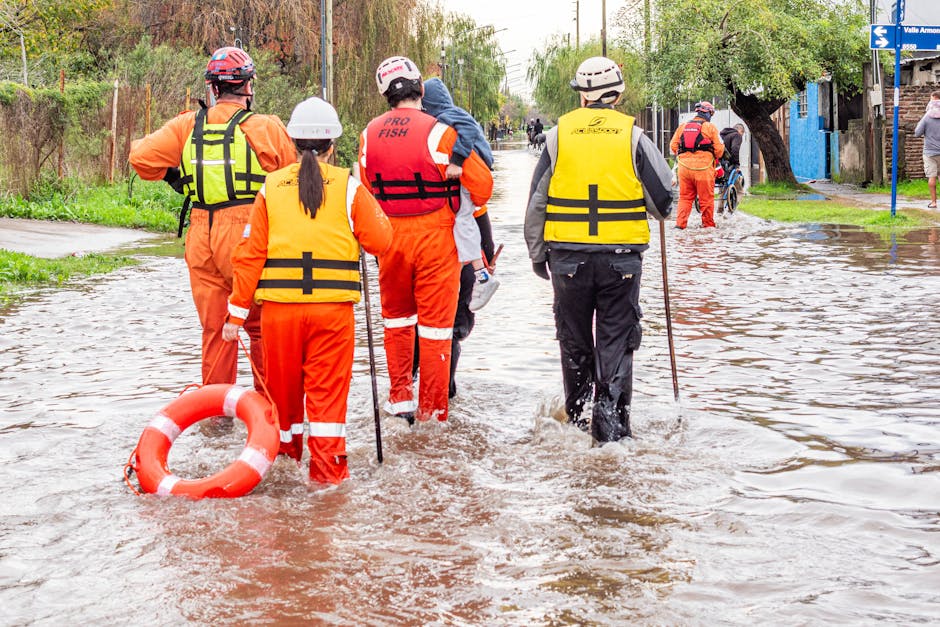
Sports Disaster Relief: Mobilizing Athletes and Organizations for Critical Aid
The intersection of sports and disaster relief is a powerful and increasingly vital force. Natural disasters, humanitarian crises, and unexpected emergencies often strike with devastating speed and force, leaving communities shattered and in desperate need of immediate assistance. In these critical moments, the unique platform, reach, and inherent values of the sports world – teamwork, resilience, leadership, and community – can be harnessed to provide essential aid and facilitate recovery. This article explores the multifaceted role of sports disaster relief, encompassing the motivations, strategies, organizational structures, and impactful outcomes of this critical endeavor. Understanding how the sports ecosystem mobilizes its resources, from individual athletes and teams to governing bodies and corporate sponsors, is crucial for maximizing its potential in mitigating suffering and rebuilding lives.
The inherent qualities cultivated within athletes and sports organizations lend themselves naturally to disaster relief efforts. Athletes are trained to perform under pressure, to adapt to unforeseen circumstances, and to work collaboratively towards a common goal. These same skills are paramount in navigating the chaos and complexity of disaster zones. Resilience, the ability to bounce back from adversity, is a core tenet of athletic training and is directly transferable to the arduous task of community rebuilding. Leadership, whether demonstrated by a captain on the field or a star player off it, can inspire hope and galvanize action in times of despair. The sense of community fostered within sports teams and fan bases can extend outwards, creating a powerful network of support for affected populations. This intrinsic alignment between athletic values and humanitarian needs makes sports an organic and effective partner in disaster relief.
The motivations driving sports-affiliated disaster relief are diverse and deeply rooted. For individual athletes, it can stem from a personal connection to an affected area, a desire to give back to a community that has supported their careers, or a genuine humanitarian impulse to alleviate suffering. Public figures often feel a responsibility to use their platform for good, recognizing the immense influence they wield. Professional sports teams and leagues are increasingly driven by corporate social responsibility (CSR) initiatives, seeking to enhance their brand image while making a tangible difference. Fan bases, often deeply loyal and passionate, can be mobilized through their love of the sport, translating their enthusiasm into donations and volunteerism. Furthermore, the inherent competition within sports can be repurposed, with rivalries temporarily set aside for a unified cause, creating powerful cross-team collaborations. The desire to demonstrate leadership and inspire positive change within the broader society also plays a significant role.
Strategies employed in sports disaster relief are as varied as the disasters themselves. Immediate response often involves the deployment of resources and personnel. This can include the donation of funds, equipment, and supplies. Athletes and teams may participate in fundraising events, celebrity matches, or auctioning off memorabilia. Public awareness campaigns, amplified by the media attention sports commands, are crucial for generating widespread support and encouraging donations. Beyond immediate aid, sports disaster relief also focuses on long-term recovery and rebuilding. This can involve funding the reconstruction of damaged sports facilities, providing psychological support to affected children through sports programs, and employing sports-based initiatives to promote social cohesion and trauma healing. The logistical expertise of sports organizations, honed in managing large-scale events, can also be invaluable in coordinating relief efforts, from transportation of supplies to the organization of volunteer teams.
The organizational structures that facilitate sports disaster relief are multifaceted. At the grassroots level, individual athletes and local sports clubs can initiate their own fundraising drives and volunteer efforts. Professional teams often have dedicated CSR departments or charitable foundations that spearhead their relief initiatives. Major sports leagues, such as the NFL, NBA, MLB, and FIFA, frequently establish partnerships with established disaster relief organizations like the Red Cross, UNICEF, or national disaster response agencies. These partnerships leverage the immense reach and fundraising power of the sports world with the logistical expertise and established infrastructure of humanitarian organizations. Corporate sponsors, integral to the sports ecosystem, often contribute financially, provide in-kind donations, or encourage their employees to volunteer, further amplifying the impact. Governing bodies of sports can also play a crucial role in setting policies, coordinating inter-league efforts, and promoting best practices in disaster response.
A significant aspect of sports disaster relief is the mobilization of tangible resources. This can range from monetary donations, collected through ticket sales for benefit games, merchandise sales, or direct appeals to fans, to essential supplies like food, water, blankets, and medical kits. Athletes and teams have also donated the use of their facilities for staging areas, distribution points, or temporary shelters. In some instances, sports organizations have provided transportation for relief workers and supplies, utilizing their logistical networks. The auctioning of autographed memorabilia, game-worn jerseys, or unique experiences with athletes has proven to be a highly effective fundraising strategy, tapping into the passion of fan bases. Beyond material goods, the provision of emotional support and a sense of normalcy through sporting activities for children and adults in affected areas is also a vital contribution, offering a much-needed distraction and a path to healing.
The role of individual athletes in sports disaster relief cannot be overstated. Their celebrity status provides an unparalleled platform for raising awareness and encouraging donations. When a beloved athlete speaks out about a disaster and urges their followers to contribute, the impact can be immense. Many athletes actively participate in volunteer work, traveling to disaster zones to distribute aid, offer comfort, and engage with affected communities. Their personal stories of resilience and their commitment to helping others can be incredibly inspiring. Furthermore, athletes often use their social media presence to disseminate information about relief efforts, directing people to reputable organizations and providing updates on ongoing needs. The willingness of these public figures to step outside their athletic careers and dedicate their time and resources to humanitarian causes serves as a powerful example of compassion and social responsibility.
Professional sports teams and leagues have institutionalized their involvement in disaster relief through various mechanisms. Many have established their own charitable foundations that focus on specific causes, including disaster preparedness and response. These foundations often partner with non-profit organizations to ensure that donations are effectively utilized. Leagues themselves may create central funds or coordinate collective responses to major disasters, pooling resources and coordinating efforts across multiple teams. Benefit games, where proceeds from ticket sales and concessions are donated to relief efforts, are a common and highly successful strategy. Sponsorships of disaster relief organizations by sports teams and leagues also provide significant financial support. The development of preparedness plans and partnerships with emergency management agencies allows sports organizations to be ready to respond rapidly when disaster strikes, offering their facilities and logistical capabilities.
The media’s role in amplifying sports disaster relief efforts is critical. The extensive media coverage that sports commands provides a massive audience for awareness campaigns and fundraising appeals. News outlets often feature stories about athletes and teams involved in relief efforts, highlighting the human element of these initiatives and inspiring others to contribute. Social media platforms, with their viral potential, further extend the reach of these campaigns, allowing for rapid dissemination of information and donation links. The ability of sports media to generate buzz and create a sense of urgency around disaster relief efforts is instrumental in galvanizing public support and ensuring that aid reaches those in need promptly. Without this media amplification, the impact of sports disaster relief would be significantly diminished.
Long-term recovery and rebuilding are crucial phases where sports can play a sustained and transformative role. This can involve supporting the reconstruction of damaged schools and community centers, with a particular focus on rebuilding sports facilities that serve as vital hubs for youth development and social interaction. Sports programs can be instrumental in providing children with a sense of normalcy, fostering resilience, and offering a healthy outlet for processing trauma. These programs can also promote social cohesion by bringing together diverse groups of people to participate in shared activities. The principles of teamwork, discipline, and healthy competition learned through sports can contribute to the long-term social and emotional well-being of individuals and communities recovering from disaster. Investing in the rebuilding of sports infrastructure is an investment in the future well-being of affected populations.
Challenges and considerations in sports disaster relief are numerous. Ensuring transparency and accountability in financial donations is paramount to maintaining public trust. Coordinating efforts between multiple organizations and avoiding duplication of services requires effective communication and strategic planning. The potential for "disaster fatigue" among the public necessitates ongoing engagement and innovative approaches to keep the issue of disaster relief in the forefront. Logistical complexities in delivering aid to remote or inaccessible areas can be significant. Furthermore, ethical considerations, such as ensuring that relief efforts do not inadvertently exploit vulnerable populations or create dependency, must be carefully addressed. Continuous evaluation and adaptation of strategies are essential to optimize the effectiveness and impact of sports disaster relief.
Looking ahead, the integration of sports and disaster relief is likely to become even more sophisticated. Leveraging technology for real-time data collection and communication can improve the efficiency of aid delivery. Predictive analytics can help anticipate the impact of potential disasters and enable proactive preparedness. Greater collaboration between sports organizations, humanitarian agencies, and government bodies will foster more comprehensive and coordinated responses. The development of standardized protocols and best practices will ensure that sports-affiliated relief efforts are consistently effective and impactful. The ongoing evolution of CSR within the sports industry suggests a continued and growing commitment to utilizing the unique power of sport for the greater good.
In conclusion, sports disaster relief is a dynamic and powerful force for good, capable of mobilizing significant resources, inspiring collective action, and fostering long-term recovery. From the individual dedication of athletes to the organized efforts of leagues and federations, the sports world has proven itself to be an invaluable partner in times of crisis. By understanding the motivations, strategies, and organizational structures involved, we can further enhance the effectiveness and reach of these vital humanitarian efforts, ensuring that the spirit of teamwork and resilience inherent in sports is harnessed to rebuild lives and communities in the wake of disaster. The continuous commitment to leveraging the platform and values of sports for critical aid underscores its profound potential in addressing some of the world’s most pressing challenges.