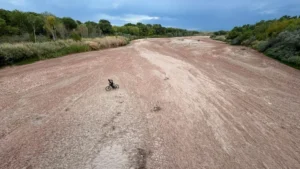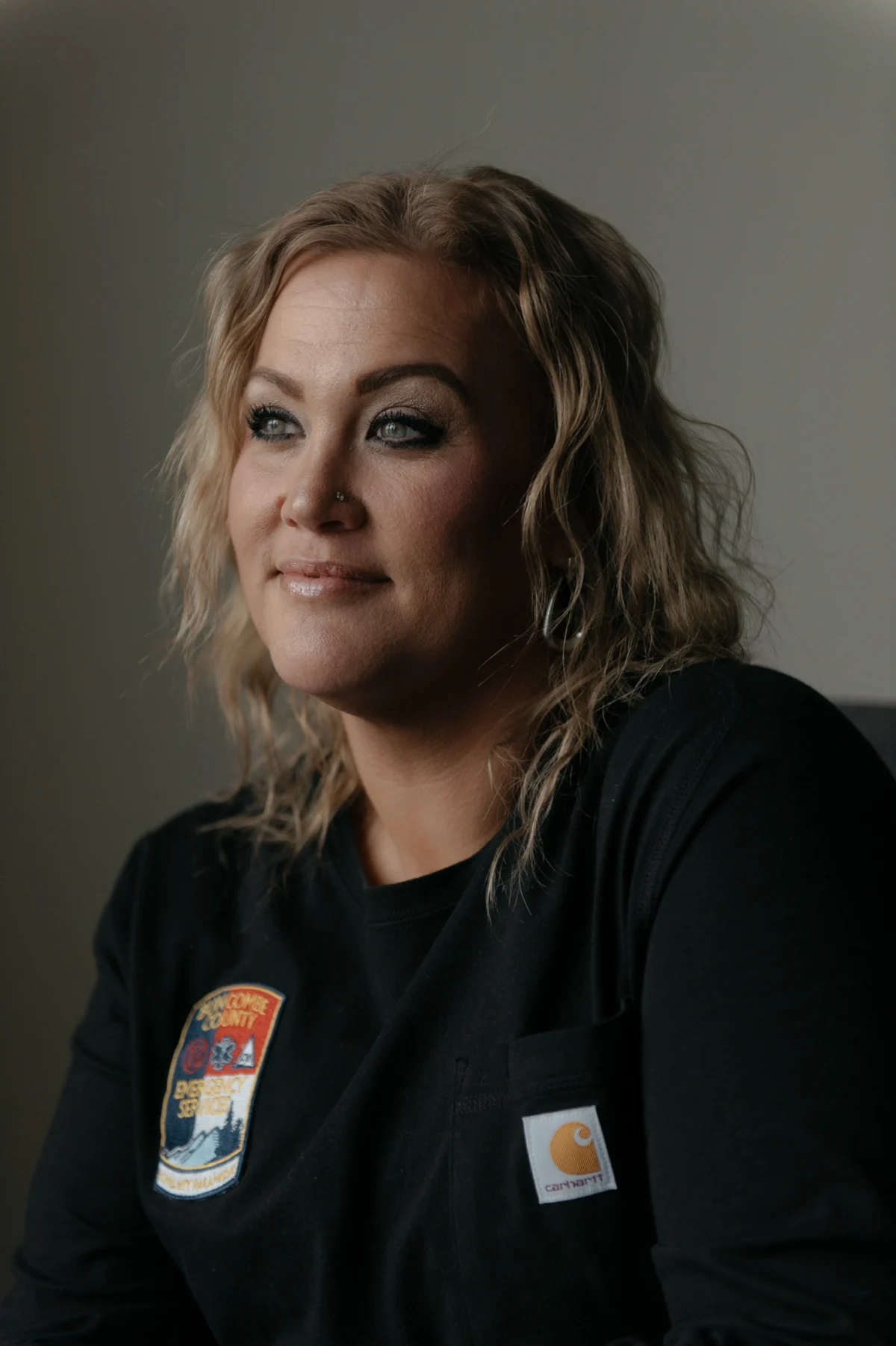
The devastating passage of Hurricane Helene through western North Carolina in September 2024 did more than reshape the physical landscape of the Blue Ridge Mountains; it dismantled the invisible infrastructure of support that thousands of residents rely on to maintain sobriety. For individuals living with substance use disorder (SUD), the stability of a daily routine—comprising 12-step meetings, consistent therapy, and reliable access to medication—is often the only barrier between recovery and a fatal relapse. When the storm severed transportation links, destroyed community centers, and plunged the region into financial and psychological turmoil, that "scaffolding" of recovery buckled, creating a public health emergency that experts warn could persist for a decade.
The Fractured Routine: Recovery Under Siege
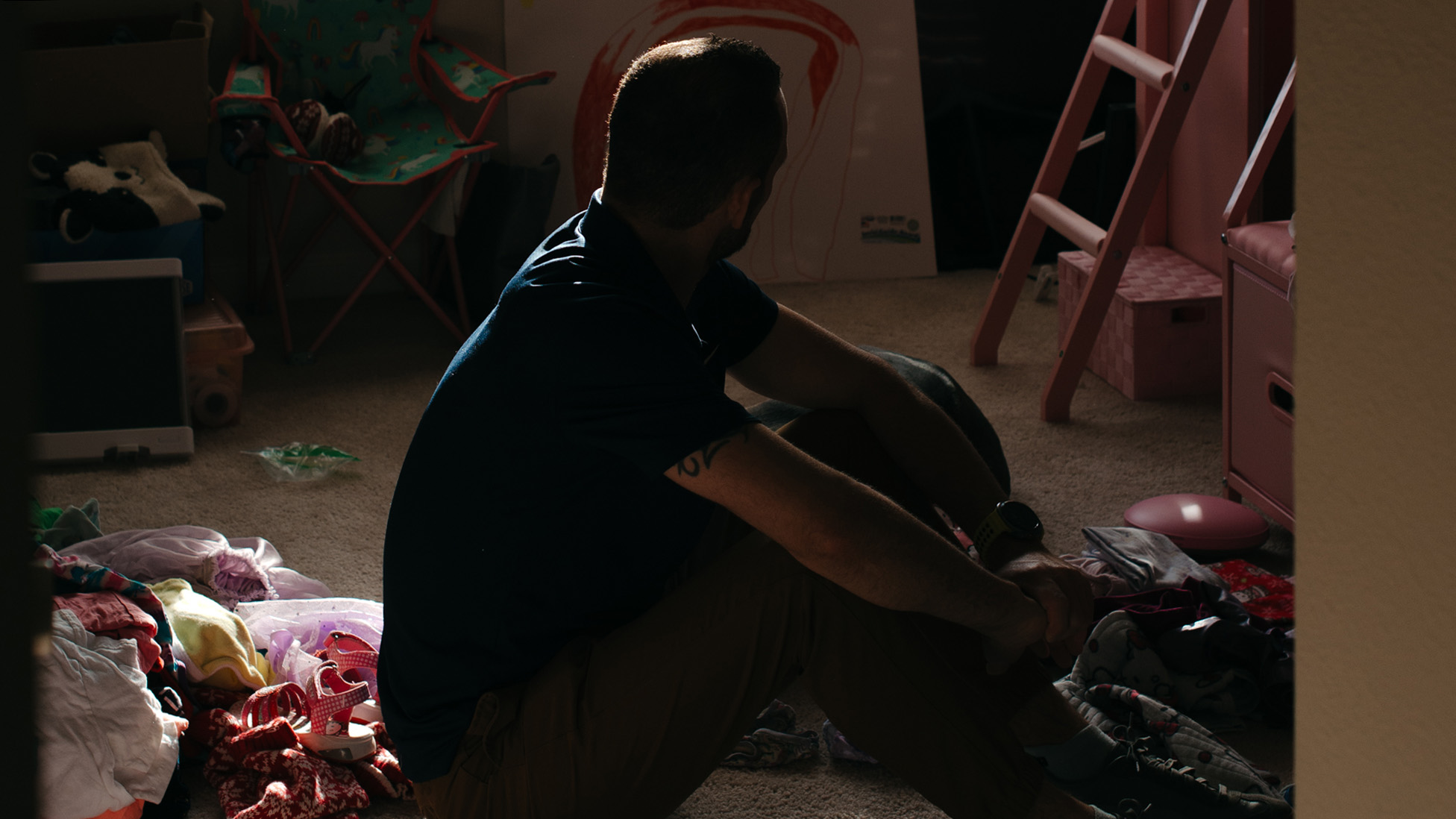
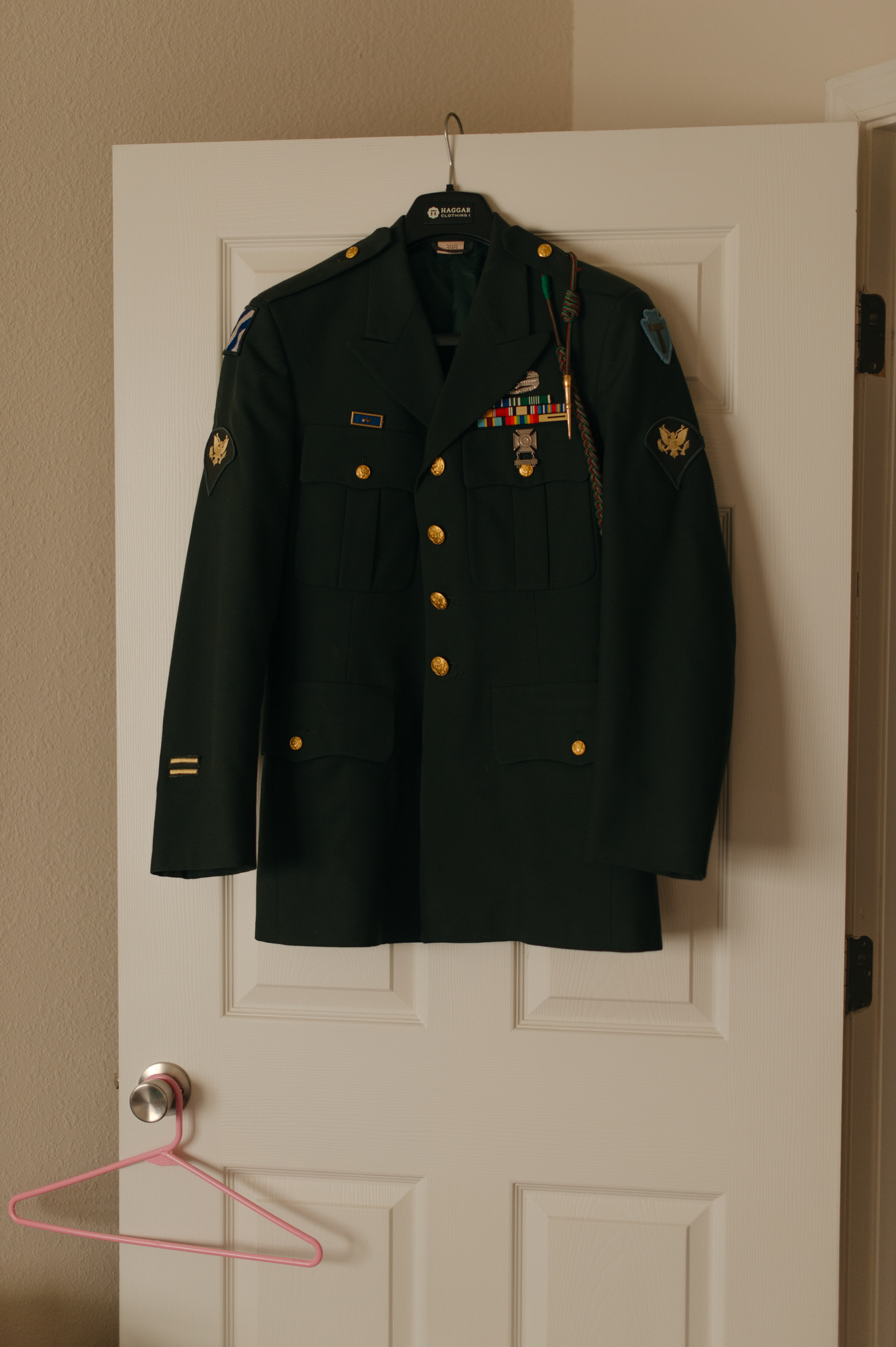
For Devon, a 41-year-old Iraq War veteran living in Asheville, the arrival of Hurricane Helene was a sensory nightmare that bridged past trauma with present catastrophe. As 20 trees fell around his home like dominoes, crushing his porch and threatening the structure where his wife and five-year-old daughter hid in a closet, Devon found himself transported back to the combat zones of the Middle East. Returning from service in 2006 with a traumatic brain injury (TBI) and post-traumatic stress disorder (PTSD), Devon had spent years battling a severe addiction to heroin and cocaine.
By 2019, Devon had found a precarious stability in Asheville, utilizing the city’s robust recovery resources, attending Narcotics Anonymous (NA) meetings, and maintaining a regimen of Suboxone to manage opioid cravings. However, the storm’s immediate aftermath effectively erased the progress of the previous five years. The loss of in-person meetings, the cessation of individual therapy due to the demands of physical cleanup, and the staggering financial blow of $100,000 in property losses and a subsequent divorce pushed him to the brink of suicide. Devon’s experience is a microcosmic view of a regional phenomenon: the "honeymoon phase" of disaster response, where communities unite in a flurry of mutual aid, often gives way to a "disillusionment phase" where the compounding weight of loss triggers deep-seated vulnerabilities.

A Region on the Brink: The Appalachian Context
The impact of Hurricane Helene must be viewed through the lens of Appalachia’s pre-existing struggle with the opioid epidemic. The region, a 13-state mountainous corridor, has been disproportionately affected by substance misuse for decades, driven by economic stagnation, physically demanding labor in industries like mining and timber, and a lack of accessible healthcare.
According to data from the Appalachian Regional Commission, mortality rates for people in their prime working years in Appalachia exceeded the national average by 52 percent in 2023. In western North Carolina counties such as Buncombe, overdose mortality rates were recorded at over 36 per 100,000 residents as of 2022. When a natural disaster of Helene’s magnitude strikes such a vulnerable population, it amplifies existing barriers "a billion-fold," as described by Erin Major, a health services researcher at Boston University. The lack of redundancy in rural healthcare systems means that if one clinic closes or one bridge washes out, hundreds of patients are effectively cut off from life-saving Medication for Opioid Use Disorder (MOUD).
Data of Despair: The Long-Term Link Between Floods and Overdoses
Sociological research suggests that the trauma of flooding has a uniquely long "tail" regarding substance use. Kristina Brant, a sociologist at Penn State University, has documented a statistically significant increase in overdose deaths that persists for up to 10 years following a major flood event. This correlation is attributed to the "invisible harms" of displacement, the loss of social capital, and the persistent stress of rebuilding in a warming world.
Historical precedents support these findings. Following Hurricane Katrina in 2005, annual hospitalizations for substance use disorders jumped by 30 percent. A Stanford University study further indicates that hurricanes and tropical storms contribute to excess mortality for as long as 15 years after the event. These deaths are not always caused by the wind or water themselves, but by the slow-motion collapse of mental health and social support systems in the years that follow.
The Erosion of "Third Spaces" and Social Support
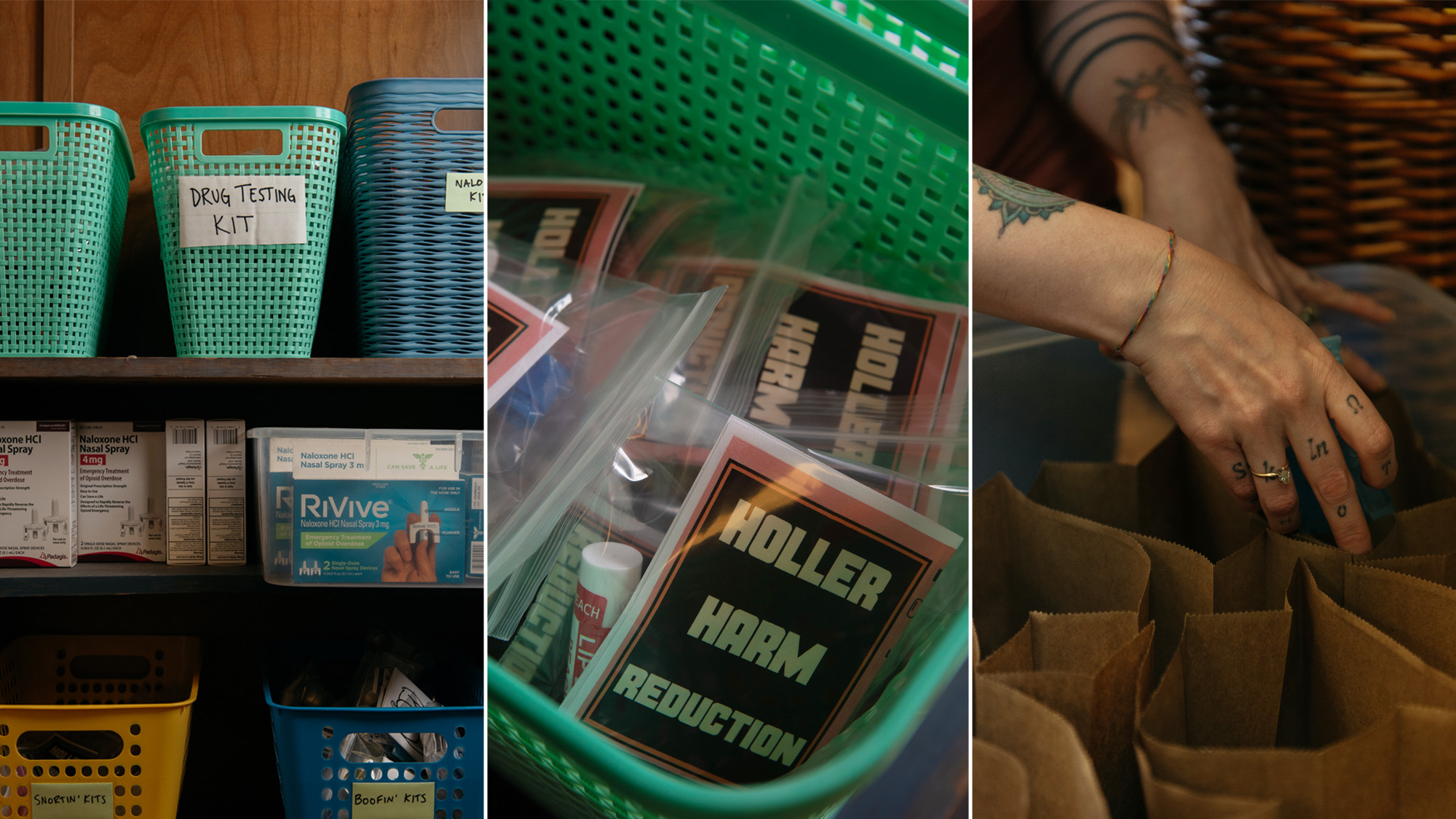
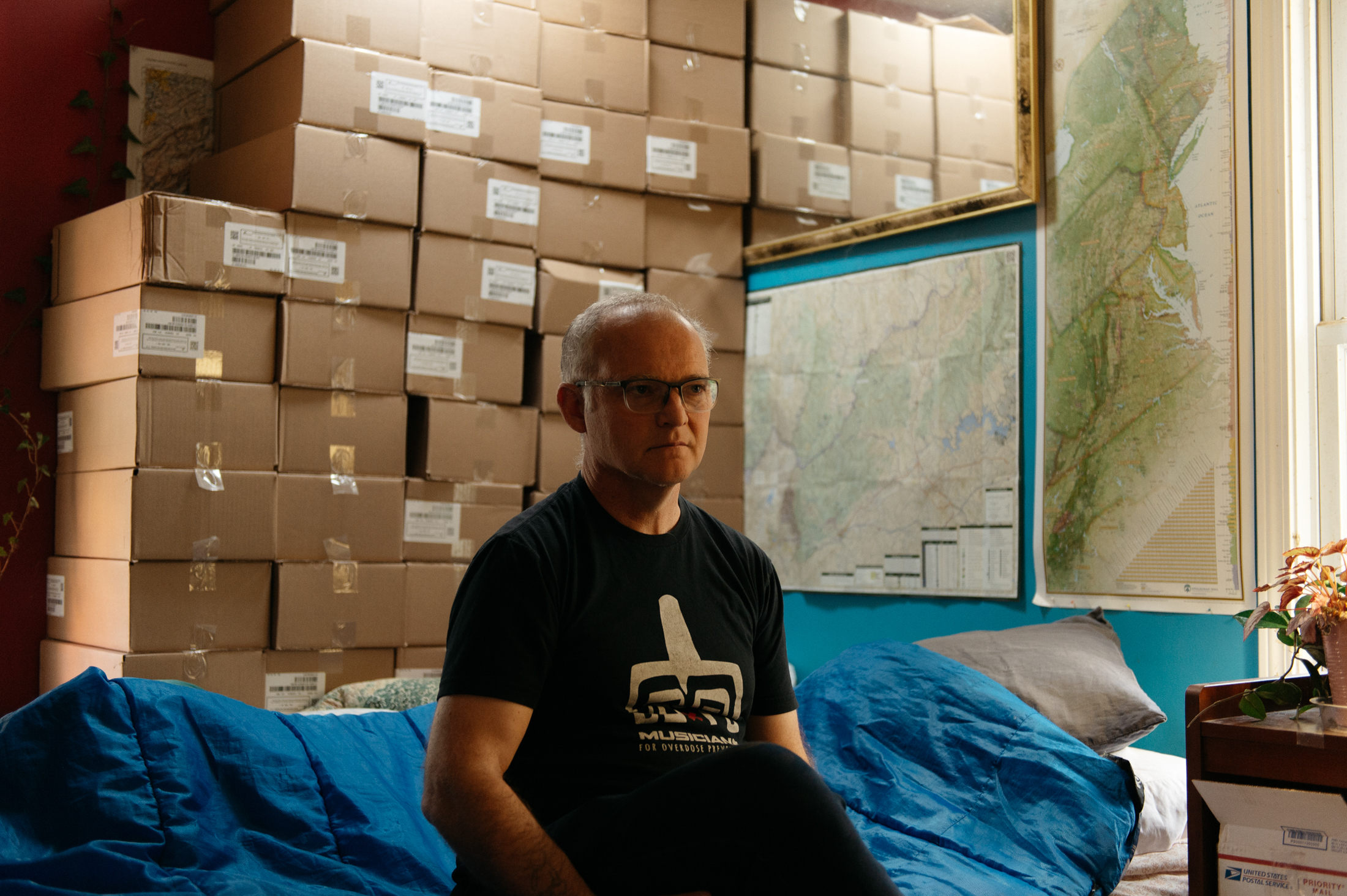
In the recovery community, "third spaces"—locations other than home or work where people congregate—are vital. In towns like Swannanoa, these spaces often took the form of music venues, community centers, and local bars that hosted harm-reduction efforts. John Kennedy, a musician and co-founder of Musicians for Overdose Prevention, has spent years distributing naloxone (Narcan) to these venues.
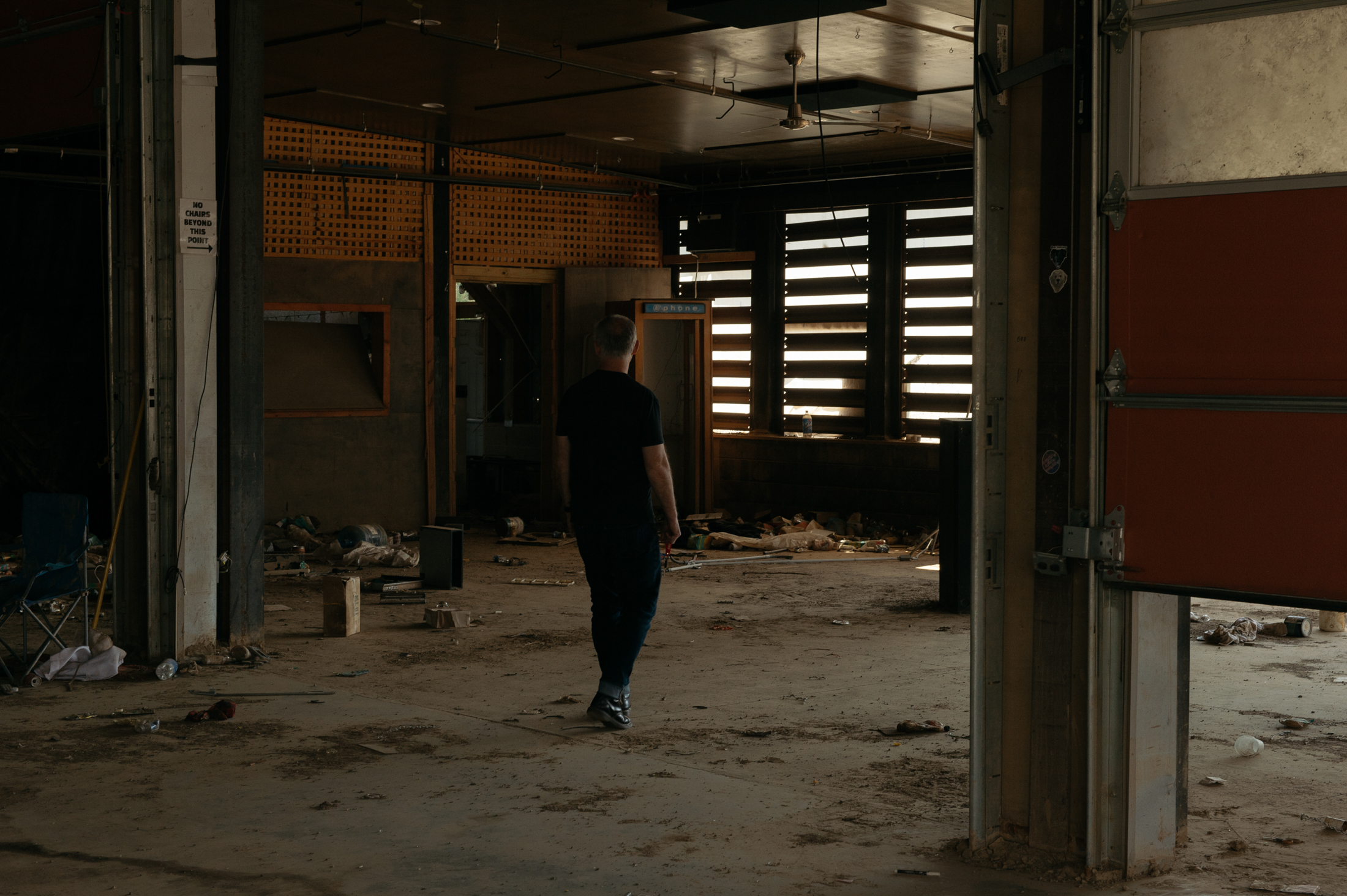
In the wake of Helene, the social fabric of Swannanoa has been visibly frayed. Small businesses in the region lost an average of $322,000 during the storm, leading to the permanent closure of numerous venues that served as informal check-in points for the recovery community. When these venues close, individuals often end up using drugs in isolation, significantly increasing the risk of a fatal overdose. The loss of "service" opportunities—such as chairing a meeting or setting up chairs at a local hall—also robs those in recovery of the sense of purpose that helps maintain long-term sobriety.
Institutional Failures and the Cycle of Incarceration
The disaster also highlighted the rigidities of the legal and medical systems. For those whose recovery is mandated by the court system, the chaos of a hurricane can lead to unintended criminalization. Cordelia Stearns, Chief Medical Officer at High Country Community Health, noted that displacement often leads to a "chain of events" ending in incarceration.
One patient, after losing his home to Helene, was forced to live in a shed. When he accidentally burned the shed down while trying to stay warm, he was incarcerated for nonviolent drug offenses after losing touch with his treatment providers. In many Appalachian counties, jails do not consistently provide MOUD, meaning that an arrest often results in a forced, painful withdrawal that leaves the individual with a significantly lowered tolerance—a primary risk factor for a fatal overdose upon release.
Lessons in Resilience: From Kentucky to North Carolina
The current crisis in North Carolina mirrors the 2022 floods in eastern Kentucky. Jeremy Haney, a luthier who builds mandolins, lost his home and his workplace during the Kentucky floods. He credits his survival to a "recovery-to-work" program run by Doug Naselroad, which pivoted from instrument making to disaster relief, ensuring that men in recovery did not miss a paycheck while they "slogged away in the mud."
This model of integrating recovery with community rebuilding efforts proved essential. By providing flood survivors with a sense of agency and a steady income, the program prevented the mass relapse that often follows total economic loss. However, even with such programs, the housing crisis remains a formidable barrier. In Knott County, Kentucky, 31 percent of homes were damaged, and the scarcity of affordable rentals nearly forced Haney back to his hometown, where he feared the influence of old acquaintances would lead to a relapse.
Building a Disaster-Resistant Safety Net
As climate change increases the frequency and severity of storms like Helene, public health officials are calling for disaster planning that specifically accounts for the needs of the SUD population. Recommendations from harm-reduction groups and health researchers include:
- Low-Barrier Sheltering: Ensuring that emergency shelters do not have strict abstinence requirements that might turn away those in active use or those on MOUD.
- MOUD Continuity: Implementing emergency protocols that allow pharmacies and providers to dispense longer supplies of buprenorphine or methadone when a storm is imminent.
- Stigma Reduction Training: Training disaster volunteers and FEMA representatives to recognize the signs of withdrawal and overdose, treating these as medical emergencies rather than moral failings.
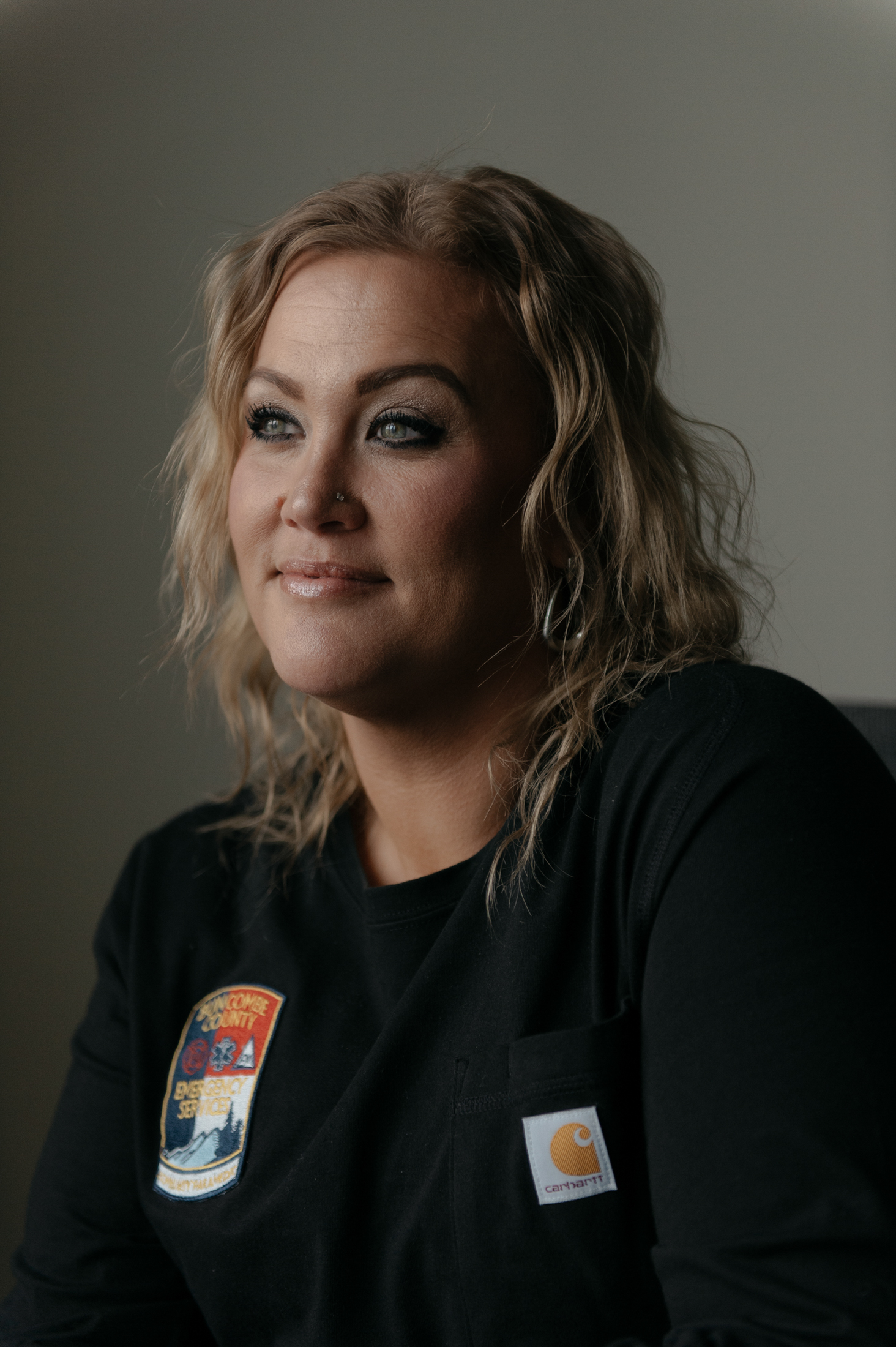
- Mobile Outreach: Expanding teams like Buncombe County’s Post-Overdose Response Team (PORT), which physically tracks down patients in the "muck" to deliver food, water, and treatment supplies.
The Long Road Ahead
For Devon, the path forward is defined by a "quieter" life. He has returned to individual therapy to address the lingering PTSD from the storm and maintains a strict routine centered on his daughter’s activities—ballet, gymnastics, and kickboxing. While he has lost his home, his marriage, and a significant portion of his net worth, he remains sober.
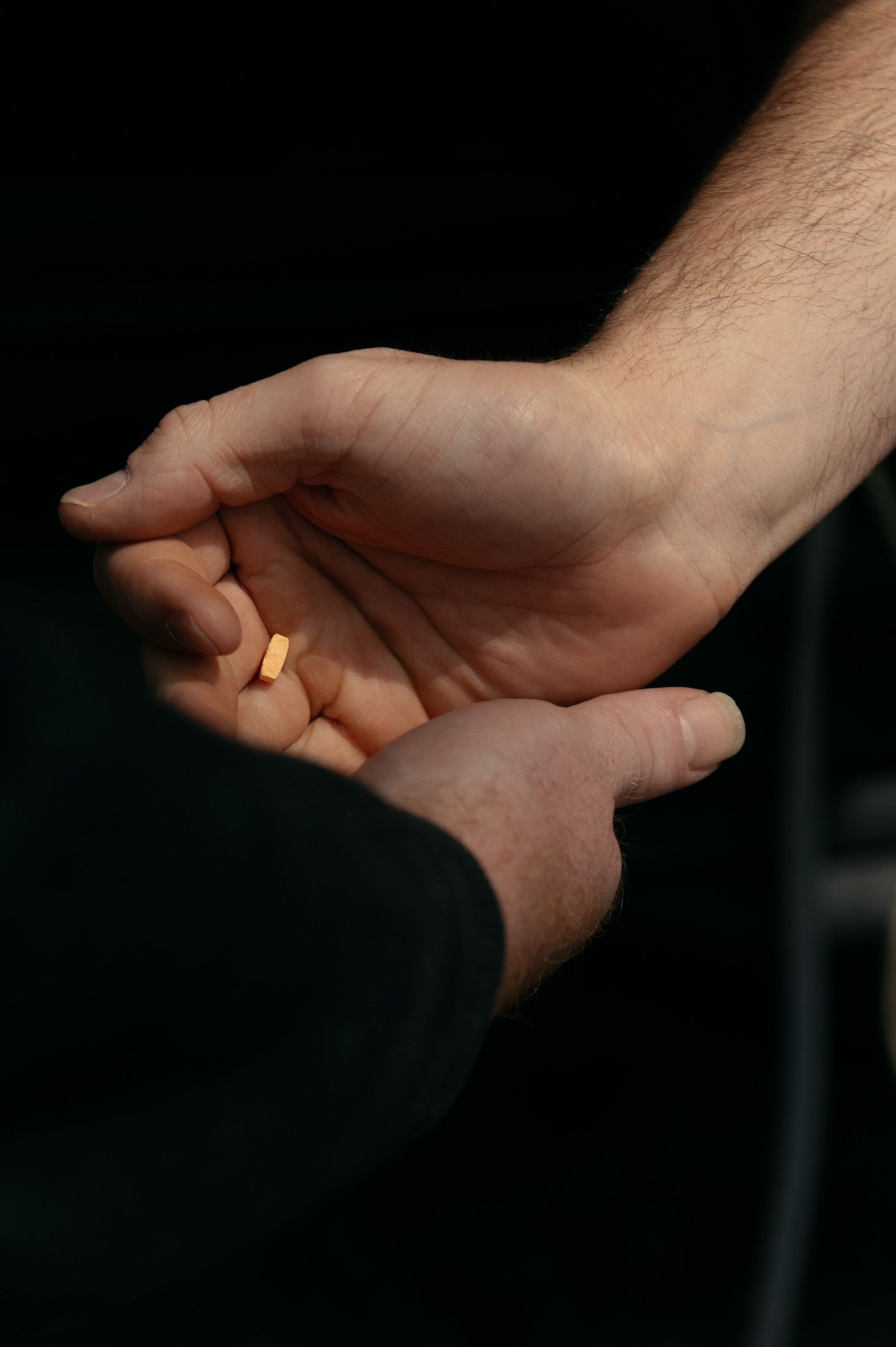
"This is why we do what we do—for when the shit hits the fan," Devon remarked, acknowledging that the "scaffolding" of recovery must be built strong enough to withstand not just the daily cravings, but the literal storms of the future. The recovery of western North Carolina will not be measured solely by the miles of road repaved or the number of bridges rebuilt, but by the resilience of its most vulnerable residents as they navigate the long, traumatic aftermath of a warming world.