Energy and Environment: A Symbiotic, Yet Strained Relationship
The nexus of energy and environment is arguably the most defining challenge of the 21st century, a complex interplay of human demand for power and the planet’s finite capacity to sustain it. Understanding this relationship is crucial for developing sustainable energy strategies, mitigating climate change, and ensuring long-term ecological health. The extraction, conversion, transportation, and consumption of energy resources have profound and often detrimental impacts on the environment, influencing air and water quality, biodiversity, land use, and the global climate system. Conversely, environmental degradation can affect energy production and availability, creating a feedback loop that necessitates a holistic and integrated approach to policy and innovation.
Fossil fuels – coal, oil, and natural gas – have historically powered industrialization and modern life, but their environmental footprint is immense. Combustion of these fuels releases greenhouse gases (GHGs), primarily carbon dioxide (CO2), methane (CH4), and nitrous oxide (N2O), into the atmosphere. These gases trap heat, leading to a gradual increase in global temperatures, a phenomenon known as climate change. The Intergovernmental Panel on Climate Change (IPCC) has unequivocally stated that human activity is the dominant cause of observed warming since the mid-20th century, with fossil fuel combustion being the primary driver. The consequences of this warming are far-reaching and include rising sea levels, more frequent and intense extreme weather events (heatwaves, droughts, floods, storms), ocean acidification, and disruptions to ecosystems and agricultural productivity. Beyond GHG emissions, the extraction of fossil fuels also poses significant environmental risks. Coal mining can lead to habitat destruction, water pollution from acid mine drainage, and land subsidence. Oil and gas drilling, particularly offshore, carries the risk of catastrophic spills that can devastate marine life and coastal environments for decades. Hydraulic fracturing, or fracking, used to extract natural gas, has raised concerns about groundwater contamination and induced seismicity.
The environmental implications extend beyond climate change. The burning of fossil fuels, especially coal, releases particulate matter, sulfur dioxide (SO2), and nitrogen oxides (NOx) into the atmosphere. These pollutants contribute to respiratory illnesses, acid rain, and the formation of ground-level ozone, a harmful air pollutant. Acid rain can damage forests, lakes, and buildings, while SO2 and NOx contribute to smog, reducing visibility and impacting human health. The combustion of fossil fuels also releases heavy metals like mercury, which can bioaccumulate in food chains, posing risks to human health through the consumption of contaminated fish and other seafood. The lifecycle of fossil fuels, from extraction to disposal of byproducts, therefore presents a multifaceted environmental challenge that requires comprehensive mitigation strategies.
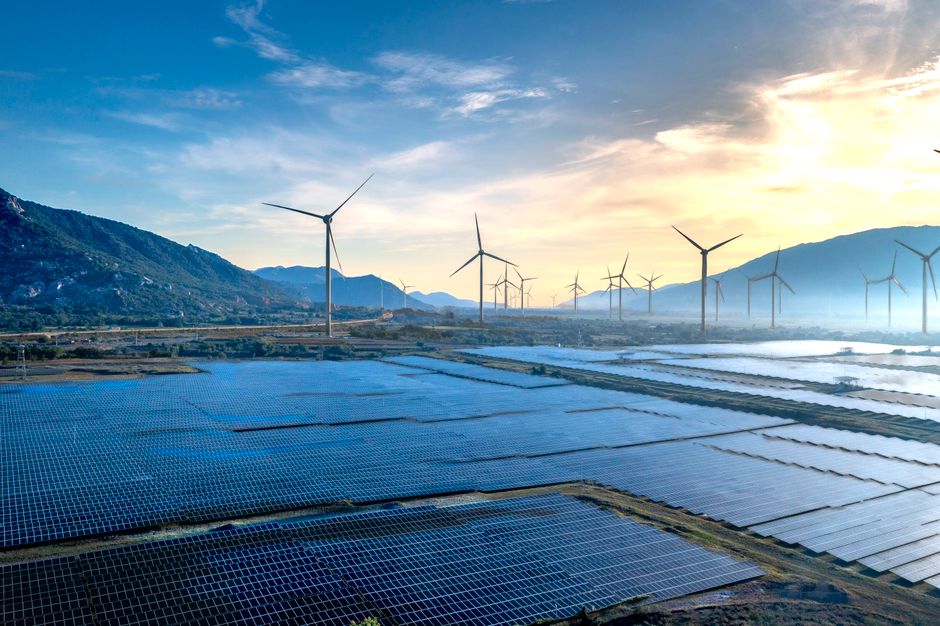
Renewable energy sources, such as solar, wind, hydroelectric, geothermal, and biomass, offer a pathway towards decarbonizing the energy sector and reducing our reliance on fossil fuels. These sources produce little to no direct GHG emissions during operation, making them critical tools in the fight against climate change. Solar energy, harnessed through photovoltaic panels, converts sunlight directly into electricity. Its environmental benefits include zero operational emissions and reduced water consumption compared to many conventional power plants. However, the manufacturing of solar panels can involve the use of hazardous materials and significant energy input, and the disposal of retired panels requires careful management. Wind energy, captured by turbines, is another clean source of electricity. Wind farms, while largely emission-free in operation, require land and can impact avian and bat populations, necessitating careful site selection and mitigation measures. Hydroelectric power, generated by damming rivers, is a mature renewable technology. While providing large-scale, dispatchable power, the construction of dams can alter river ecosystems, displace communities, and impact fish migration. Geothermal energy taps into the Earth’s internal heat, offering a constant and reliable source of power. Its environmental impacts are generally low, though drilling operations can release some GHGs and trigger minor seismic activity. Biomass energy, derived from organic matter, can be carbon-neutral if managed sustainably, meaning the CO2 released during combustion is absorbed by new plant growth. However, unsustainable biomass harvesting can lead to deforestation, soil degradation, and competition with food production.
The transition to a low-carbon economy necessitates significant investments in renewable energy infrastructure, grid modernization, and energy storage solutions. Energy storage technologies, such as batteries and pumped hydro, are crucial for overcoming the intermittency of some renewable sources, ensuring a stable and reliable electricity supply. Smart grid technologies, which use digital communication to monitor and manage electricity flow, can optimize energy use, integrate distributed renewable sources, and enhance grid resilience. Policy frameworks play a pivotal role in driving this transition. Carbon pricing mechanisms, such as carbon taxes and cap-and-trade systems, can internalize the external costs of GHG emissions, incentivizing cleaner energy choices. Renewable energy mandates and subsidies can accelerate the deployment of clean technologies. International cooperation and agreements, such as the Paris Agreement, are essential for coordinating global efforts to address climate change and promote sustainable energy development.
Energy efficiency and conservation are fundamental pillars of a sustainable energy future, often overlooked but critically important. Reducing energy demand through improved insulation in buildings, more efficient appliances, and optimized industrial processes directly lessens the need for energy production, thereby reducing associated environmental impacts. Transportation sector efficiency, through more fuel-efficient vehicles, public transit, and the promotion of electric vehicles powered by renewable electricity, is another key area for emissions reduction. Behavioral changes, such as conscious consumption, reduced travel, and waste reduction, also contribute to overall energy conservation. The concept of the circular economy, which aims to minimize waste and maximize the reuse and recycling of resources, can also have significant implications for energy consumption by reducing the energy required for primary material production.
The environmental impacts of energy extend beyond climate change and direct pollution. Land use change is a significant concern. The construction of power plants, transmission lines, and energy extraction sites can lead to habitat fragmentation, deforestation, and the disruption of natural landscapes. The mining of rare earth elements and other materials crucial for renewable energy technologies can also have localized environmental impacts, including soil and water contamination. Water usage is another critical factor. Many energy production processes, including thermal power plants (both fossil fuel and nuclear) and some renewable technologies like concentrated solar power, require substantial amounts of water for cooling. This can strain water resources, particularly in arid regions, and impact aquatic ecosystems. Nuclear energy, while emitting no GHGs during operation, presents unique environmental challenges related to the safe disposal of radioactive waste, which remains hazardous for thousands of years. Accidental releases, though rare, can have catastrophic environmental and health consequences.
Addressing the energy-environment challenge requires a multi-pronged approach that integrates technological innovation, policy reform, economic incentives, and societal engagement. The development of advanced energy technologies, such as next-generation nuclear reactors, carbon capture and storage (CCS), and advanced battery technologies, holds promise for mitigating environmental impacts. CCS technologies aim to capture CO2 emissions from industrial sources and power plants and store them underground, preventing their release into the atmosphere. While still facing economic and technical hurdles, CCS could play a role in decarbonizing hard-to-abate sectors. The concept of a just transition is also paramount, ensuring that the shift to a clean energy economy does not disproportionately burden workers and communities reliant on fossil fuel industries. This involves providing retraining, economic diversification, and social safety nets to support affected populations.
The public discourse surrounding energy and environment is often characterized by complex scientific data, economic considerations, and political ideologies. Effective communication and education are vital to foster informed decision-making and build public support for sustainable energy policies. Understanding the lifecycle impacts of different energy sources, from cradle to grave, is crucial for making informed choices. This includes considering the energy embodied in the manufacturing and disposal of energy technologies, as well as the environmental consequences of their operation. The growing awareness of climate change and its potential consequences has spurred innovation and investment in renewable energy and energy efficiency technologies. However, the pace of this transition needs to accelerate significantly to meet global climate targets. The interconnectedness of global energy markets and environmental systems means that solutions must be coordinated and collaborative, involving governments, businesses, and individuals worldwide. The future of humanity and the planet hinges on our ability to navigate this complex and critical relationship between energy and the environment, fostering a sustainable and prosperous future for all. Continued research and development in renewable energy, energy storage, and smart grid technologies, coupled with supportive policy frameworks and a global commitment to climate action, are indispensable for achieving this vital goal. The challenges are substantial, but the opportunities for innovation and positive change are equally significant, offering a pathway to a cleaner, healthier, and more sustainable world.