Category Energy Environment 3: Sustainable Futures and the Circular Economy
Category Energy Environment 3 represents a critical intersection of human activity and planetary health, focusing on the development and implementation of sustainable energy solutions and their profound impact on the environment. This category encompasses a vast and intricate web of technologies, policies, and economic models aimed at decoupling energy consumption from environmental degradation. At its core lies the imperative to transition away from fossil fuels, the primary drivers of climate change and air pollution, towards cleaner, renewable energy sources. This transition is not merely an environmental necessity but also an economic opportunity, fostering innovation, job creation, and long-term energy security. The principles of the circular economy are increasingly integrated within this category, emphasizing resource efficiency, waste reduction, and the reuse and recycling of materials to minimize environmental footprints throughout the energy lifecycle. Understanding Category Energy Environment 3 is paramount for policymakers, businesses, researchers, and individuals seeking to navigate the complex challenges and capitalize on the burgeoning opportunities of a sustainable energy future.
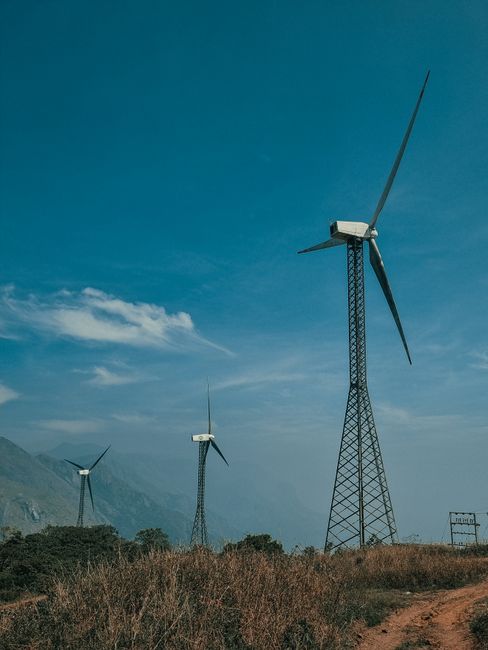
The foundation of Category Energy Environment 3 rests upon the imperative to decarbonize the global energy system. Fossil fuels – coal, oil, and natural gas – have powered industrialization and economic growth for centuries, but their combustion releases greenhouse gases (GHGs) like carbon dioxide (CO2) and methane (CH4) into the atmosphere, leading to global warming and its associated adverse effects. These include rising sea levels, more frequent and intense extreme weather events, disruptions to ecosystems, and threats to human health and food security. The transition to low-carbon energy sources is therefore not an option but a necessity for mitigating the worst impacts of climate change. Renewable energy technologies are at the forefront of this transition. Solar photovoltaic (PV) panels convert sunlight directly into electricity, while concentrated solar power (CSP) systems use mirrors to focus sunlight and generate heat for power generation. Wind turbines harness kinetic energy from the wind, and hydropower utilizes the force of flowing water. Geothermal energy taps into the Earth’s internal heat, and biomass energy derives from organic matter. Each of these renewable sources offers distinct advantages and challenges in terms of deployment, intermittency, land use, and material requirements, all of which fall under the purview of Category Energy Environment 3.
Beyond the generation of clean energy, Category Energy Environment 3 also encompasses the crucial areas of energy efficiency and conservation. Reducing the demand for energy is often the most cost-effective and environmentally beneficial strategy. This involves implementing smarter building designs, utilizing energy-efficient appliances and lighting, improving industrial processes to minimize energy waste, and promoting sustainable transportation options. Demand-side management strategies, such as smart grids and dynamic pricing, empower consumers to optimize their energy consumption and reduce peak demand, thereby lessening the reliance on often dirtier and more expensive peak power generation sources. Furthermore, behavioral changes, driven by education and awareness campaigns, play a vital role in fostering a culture of energy consciousness. The integration of these efficiency measures not only lowers energy bills but also reduces the need for new energy infrastructure, thereby minimizing land use impacts and resource extraction.
The integration of renewable energy sources introduces unique challenges, particularly concerning their intermittency. Solar and wind power, for example, are dependent on weather conditions. This necessitates the development and deployment of advanced energy storage solutions. Battery technologies, such as lithium-ion and emerging solid-state batteries, are rapidly evolving, offering greater capacity, faster charging times, and improved safety. Pumped-storage hydropower, compressed air energy storage (CAES), and thermal energy storage are also important components of the energy storage landscape. Beyond storage, smart grid technologies play a pivotal role in managing the variability of renewable energy. Smart grids enable two-way communication between energy producers and consumers, allowing for better forecasting of supply and demand, the efficient integration of distributed energy resources (DERs) like rooftop solar, and the implementation of load-balancing mechanisms. This intelligent management of the grid is essential for ensuring grid stability and reliability while maximizing the penetration of renewable energy.
The environmental footprint of energy technologies extends beyond GHG emissions to encompass resource depletion, land use, and the generation of waste. Category Energy Environment 3 addresses these concerns through the lens of sustainability and the circular economy. The extraction of raw materials for solar panels, wind turbines, and batteries, such as rare earth elements, lithium, and cobalt, can have significant environmental and social impacts, including habitat destruction, water pollution, and labor issues. Therefore, research and development efforts are focused on improving material efficiency, utilizing abundant and less toxic materials, and developing robust recycling processes for these energy technologies. The concept of a circular economy is particularly relevant here. Instead of a linear "take-make-dispose" model, a circular economy aims to keep products and materials in use for as long as possible. This involves designing for durability, repairability, and recyclability. For example, the end-of-life management of solar panels and wind turbine blades is a growing concern, and companies are increasingly investing in technologies to recover valuable materials and repurpose components, thereby reducing the need for virgin resource extraction and minimizing landfill waste.
Policy and regulatory frameworks are indispensable drivers of progress within Category Energy Environment 3. Governments play a crucial role in setting ambitious renewable energy targets, implementing carbon pricing mechanisms (such as carbon taxes and cap-and-trade systems) to incentivize emissions reductions, and providing subsidies and tax credits for renewable energy deployment and energy efficiency upgrades. Standards and regulations for building codes, appliance efficiency, and vehicle emissions are also critical for driving demand for cleaner technologies and practices. International cooperation is essential for addressing the global nature of climate change and for fostering the widespread adoption of sustainable energy solutions. Agreements like the Paris Agreement set global goals for emissions reductions, and initiatives for technology transfer and financial assistance to developing nations are vital for ensuring an equitable transition. Public procurement policies, where governments prioritize the purchase of energy-efficient and renewable energy products and services, can also create significant market signals and drive innovation.
Financing and investment are also central to Category Energy Environment 3. The transition to a low-carbon energy system requires substantial capital investment. This includes investment in renewable energy generation capacity, energy storage infrastructure, grid modernization, and energy efficiency retrofits. Financial mechanisms such as green bonds, impact investing, and public-private partnerships are crucial for mobilizing the necessary funding. Risk assessment and mitigation strategies are important for encouraging private sector investment in renewable energy projects, particularly in emerging markets. Furthermore, innovative business models, such as power purchase agreements (PPAs) and energy-as-a-service (EaaS), are making renewable energy more accessible and affordable for a wider range of consumers. The economic viability of renewable energy has improved dramatically over the past decade, with declining costs for solar PV and wind power making them competitive with, and in many cases cheaper than, fossil fuels. This economic reality is a powerful driver for the energy transition.
The social dimension of Category Energy Environment 3 cannot be overlooked. The transition to a sustainable energy future has profound implications for communities, workers, and consumers. Just transition policies are essential to ensure that the shift away from fossil fuels does not leave workers and communities dependent on those industries behind. This involves providing retraining programs, economic diversification initiatives, and social safety nets for affected populations. Community engagement and participatory approaches are also vital for ensuring that renewable energy projects are developed in a way that benefits local communities and addresses their concerns. Public acceptance of renewable energy infrastructure, such as wind farms and solar arrays, is crucial for their successful deployment. Education and outreach programs can help to build understanding and support for these projects. Moreover, the affordability of energy is a critical social equity issue. Ensuring that the benefits of the energy transition are shared broadly and that vulnerable populations are not disproportionately burdened by energy costs is a key challenge.
Technological innovation is a relentless force within Category Energy Environment 3. Ongoing research and development are continuously improving the efficiency and reducing the cost of existing renewable energy technologies. New breakthroughs are emerging in areas such as advanced solar cell materials, next-generation wind turbine designs, and more sustainable battery chemistries. Furthermore, the development of novel energy technologies, such as advanced nuclear reactors (including small modular reactors), hydrogen fuel cells, and carbon capture, utilization, and storage (CCUS) technologies, holds significant potential for decarbonizing hard-to-abate sectors. The digital transformation is also profoundly impacting the energy sector, with the application of artificial intelligence (AI) and machine learning (ML) in areas such as grid optimization, predictive maintenance of renewable energy assets, and energy demand forecasting. The integration of these emerging technologies is crucial for accelerating the energy transition and achieving ambitious climate goals.
The circular economy principles are increasingly interwoven with Category Energy Environment 3. This paradigm shift moves beyond simply generating clean energy to optimizing the entire lifecycle of energy systems. It emphasizes the reduction of waste and pollution, the extension of product life, and the regeneration of natural systems. For energy infrastructure, this means designing for modularity and disassembly, facilitating easier repair and upgrades, and developing robust recycling pathways for components like solar panels, wind turbine blades, and batteries. The responsible sourcing of raw materials is also a key aspect, prioritizing ethically and sustainably extracted resources and exploring the use of recycled content. Furthermore, the concept of resource recovery extends to byproducts of energy generation, such as utilizing waste heat from industrial processes or power plants for district heating. Embracing circular economy principles not only minimizes environmental impact but also enhances resource security and creates new economic opportunities in areas like repair, remanufacturing, and recycling. This holistic approach is vital for achieving true sustainability in the energy sector.
