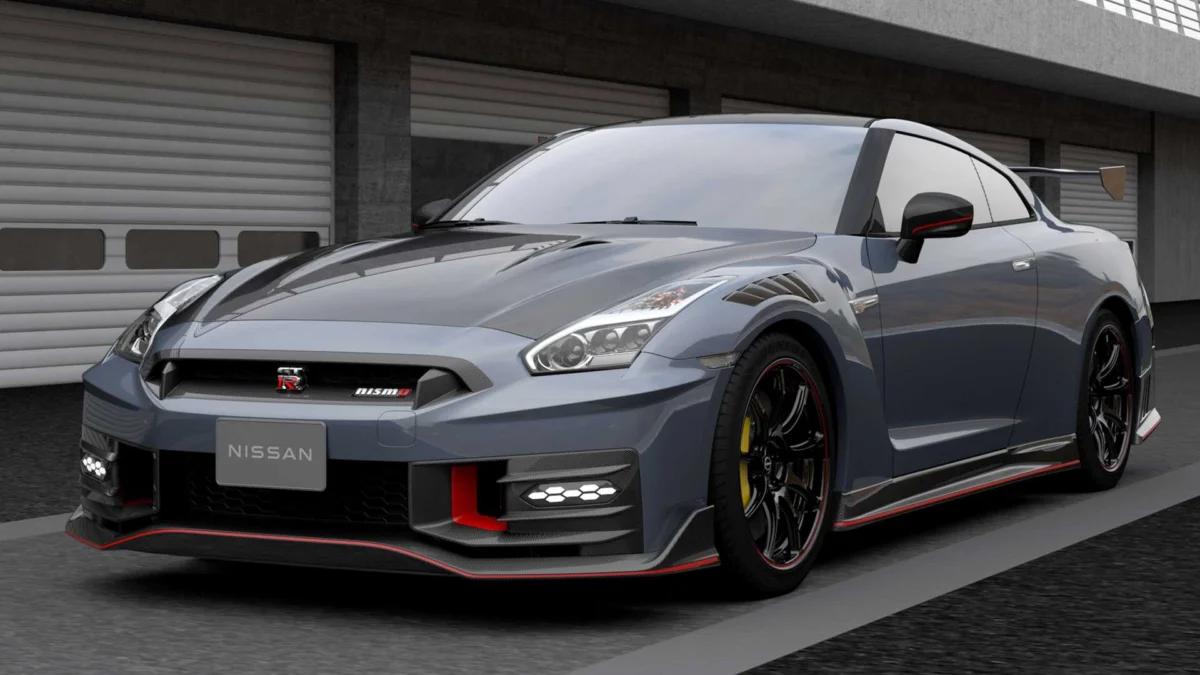
Nissan has officially addressed the mounting speculation regarding the future of its flagship supercar, confirming that the forthcoming R36-generation GT-R will not be a fully electric vehicle. This announcement, delivered by high-ranking executives in Japan, puts an end to years of industry rumors suggesting that the legendary "Godzilla" would transition into a battery-electric vehicle (BEV) to align with global carbon-neutrality goals. Instead, the automaker has signaled a strategic pivot toward hybridization, citing the limitations of current battery technology and the unique performance requirements of the GT-R badge as the primary drivers behind this decision.
The confirmation comes at a critical juncture for Nissan, as the automotive world moves toward electrification and the R35-generation GT-R finally exits production after nearly two decades of dominance. By opting for a hybrid system rather than a pure electric setup, Nissan aims to balance the increasingly stringent global emissions standards with the high-performance driving dynamics that enthusiasts have come to expect from the GT-R lineage.
The Technical Rationale Behind the Rejection of Full Electrification
The decision to bypass a fully electric powertrain for the R36 generation is rooted in technical pragmatism. Richard Candler, Nissan’s Global Head of Product Strategy, clarified that current lithium-ion battery chemistry does not meet the specific demands of a GT-R-type product. For a vehicle designed to dominate both the Nürburgring and daily commutes, the weight penalties and thermal management challenges associated with current BEV technology remain significant hurdles.
"I think what we’ve seen so far is that electric sports cars haven’t been hugely popular," Candler stated in a recent briefing. "I think they’ll come as better battery technology takes its next leap, but the current lithium chemistries are not capable of producing a GT-R-type product. We’re not going to go with batteries in the next generation. No way."
Performance enthusiasts often point to the weight of modern electric vehicles as a deterrent for true supercar handling. While EVs offer immense instantaneous torque, the mass of the battery pack can negatively impact lateral acceleration and braking endurance—two pillars of the GT-R’s identity. Nissan’s internal assessments suggest that a hybrid configuration allows for the integration of electric torque fill and improved efficiency without the excessive weight of a 100-kWh battery pack required for sustained high-speed track performance.
The Hyper Force Concept and the Source of EV Speculation
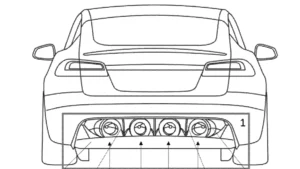
The rumors of an all-electric GT-R were largely fueled by Nissan’s own marketing efforts. At the 2023 Japan Mobility Show, the company unveiled the Hyper Force concept, a radical, high-performance supercar featuring a 1,000-kW (1,341 horsepower) electric drivetrain and solid-state battery technology. The concept’s design cues, including the signature round four-ring taillights and "GT-R" branding motifs, led many to believe that Nissan was previewing a direct electric successor to the R35.
Nissan described the Hyper Force as "an all-electric high-performance supercar aiming to deliver the ultimate in driving pleasure while also offering high environmental performance and comfort for daily use." However, it is now clear that while the Hyper Force represents Nissan’s long-term vision for a high-performance EV, it does not represent the immediate reality of the R36. The transition to solid-state batteries, which offer higher energy density and faster charging than current lithium-ion cells, is still several years away from mass-market viability. Nissan is currently developing its own solid-state battery production line, but the technology is not expected to reach commercial scale until the late 2020s or early 2030s.
A Chronology of the GT-R’s Evolution and the Path to R36
The GT-R nameplate has a storied history that spans nearly 60 years, characterized by a relentless pursuit of technical superiority. To understand the significance of the R36’s hybrid path, one must look at the timeline of the model’s evolution:
- 1969–1973 (The Origins): The first Skyline GT-R (Hakosuka) and its successor (Kenmeri) established the brand as a dominant force in Japanese touring car racing.
- 1989–2002 (The Golden Era): After a long hiatus, the R32 GT-R was introduced, earning the nickname "Godzilla" for its undefeated record in Group A racing. The R33 and R34 generations followed, cementing the car’s status as a technological marvel with its ATTESA E-TS all-wheel-drive system and the RB26DETT twin-turbo engine.
- 2007–2024 (The R35 Revolution): The R35 GT-R moved away from the Skyline nameplate to become a standalone global supercar. It utilized a VR38DETT V6 engine and a rear-mounted transaxle. Despite being on the market for 17 years, the R35 remained competitive through continuous incremental updates.
- 2023–2024 (The Transition): Nissan officially announced the end of R35 production for North America and other major markets. This coincided with the debut of the Hyper Force concept, sparking intense debate about the R36’s powertrain.
- 2025 (The R36 Confirmation): Nissan confirms the R36 is in development as a hybrid, dismissing the immediate transition to a full EV.
The Regulatory Pressure: Why Hybridization is Mandatory
While Nissan executives have expressed a desire to maintain the internal combustion experience, global regulatory environments have made a pure gasoline-powered GT-R impossible to sustain. Tightening tailpipe emissions regulations in Europe (Euro 7), China, and parts of the United States necessitate a reduction in CO2 output and improved fuel efficiency.

Candler admitted that the GT-R "will have to be electrified because of emissions regulations at some level." He noted that it is "just common sense" that the vehicle would feature some form of electrification. By utilizing a hybrid system, Nissan can employ regenerative braking and electric motor assistance to lower fleet emissions averages while potentially increasing total system output.
This strategy aligns Nissan with other elite performance manufacturers. Porsche recently introduced the 911 T-Hybrid, which uses an electric motor integrated into the transmission and an electric turbocharger to enhance performance without a heavy plug-in battery. Similarly, Ferrari’s 296 GTB and Lamborghini’s Revuelto utilize hybrid systems to push horsepower figures beyond the 800-hp mark while meeting modern environmental standards.
Nissan’s Current Corporate and Financial Landscape
The decision regarding the GT-R’s powertrain cannot be viewed in isolation from Nissan’s broader corporate health. The company has faced a challenging fiscal period, marked by declining margins and the need for a major restructuring plan known as "The Arc." Under this plan, Nissan aims to launch 30 new models by 2026, with 16 of them being electrified.
However, the company has recently encountered headwinds in its EV strategy. Nissan recently pulled the Ariya EV from some dealership programs in the U.S. amid shifting market demands and political uncertainty regarding EV subsidies and trade policies. Currently, the third-generation Leaf remains the primary electric offering in its American lineup. Given these pressures, investing in a high-cost, low-volume electric supercar platform that may not have immediate market demand appears to be a risk Nissan is unwilling to take. Instead, the R36 hybrid allows the company to leverage its existing internal combustion expertise while integrating proven electrification components from its broader "e-Power" and hybrid research.
Implications for the Supercar Market and Enthusiast Community
The confirmation of a hybrid R36 has been met with a mixture of relief and curiosity from the enthusiast community. For many, the sound and visceral feel of a turbocharged engine are essential components of the GT-R experience. A hybrid system preserves these elements while offering the potential for even faster acceleration through "torque filling"—using electric motors to provide power in the gaps where turbochargers are still spooling.
From a market perspective, the R36 will likely face stiff competition. The landscape has changed significantly since the R35’s debut in 2007. Nissan is no longer just competing with the Porsche 911; it now faces high-performance electrified offerings from Chevrolet (Corvette E-Ray), McLaren, and even specialized EV startups.
The R36 will also need to address the "daily usability" factor that has been a hallmark of the GT-R. Hybrid systems, particularly those that do not require a plug (full hybrids or mild hybrids), offer a more seamless experience for owners who do not have access to high-speed charging infrastructure or who wish to use their vehicles for long-distance touring.
Future Outlook: The Bridge to Solid-State
While the R36 will be a hybrid, Nissan has not abandoned the idea of an electric "Godzilla" entirely. The Hyper Force concept remains the North Star for the brand’s performance division. The company is betting heavily on solid-state batteries as the "holy grail" that will eventually make an electric GT-R viable. These batteries promise to be half the weight of current packs, charge in a fraction of the time, and offer much higher thermal stability under racing conditions.
Until that technology matures, the R36 GT-R will serve as a high-tech bridge. It represents the final evolution of the internal combustion GT-R, augmented by the efficiency of the electric age. By choosing a hybrid path, Nissan ensures that the GT-R remains a relevant, world-class performer that respects its heritage while acknowledging the realities of a changing world.
The automotive industry now waits for the first technical specifications of the R36. Whether it will utilize an evolved version of the R35’s VR38 V6 or an entirely new powertrain remains to be seen, but one thing is certain: the next chapter of the GT-R story will still involve the smell of gasoline and the roar of an engine, even if there is a battery along for the ride.