Navigating the Complex Landscape of South Korean Politics: Power, Ideology, and Societal Shifts
South Korean politics is a dynamic and often tumultuous arena, shaped by a unique historical trajectory, a strong sense of national identity, and the persistent influence of its geopolitical environment. At its core, the political system is a presidential republic, established following the country’s liberation from Japanese colonial rule and the subsequent Korean War. The President, directly elected for a single five-year term, serves as both head of state and head of government, wielding significant executive power. This concentration of authority, while intended to promote decisive leadership, has also been a source of criticism, with past presidencies marked by allegations of corruption and abuse of power. The legislature, the National Assembly, is unicameral and composed of 300 members, elected through a mixed system combining direct constituency representation and proportional representation. While the President holds considerable sway, the National Assembly plays a crucial role in legislation, oversight, and budgetary approval, acting as a vital check on executive power. The judiciary, headed by the Constitutional Court and the Supreme Court, is independent and tasked with interpreting laws and ensuring their constitutionality.
The historical evolution of South Korean politics is deeply intertwined with its post-war reconstruction and its rapid economic development, often termed the "Miracle on the Han River." This period saw a succession of authoritarian regimes that prioritized economic growth over democratic freedoms, leading to a complex legacy of developmental authoritarianism. The 1987 June Democratic Uprising marked a watershed moment, forcing a transition to a more democratic system with direct presidential elections and greater civil liberties. This democratization process, however, has not been without its challenges, as the country continues to grapple with issues of political polarization, regionalism, and the influence of powerful economic conglomerates (chaebols). Understanding this historical context is paramount to grasping the current dynamics of South Korean political discourse and the persistent ideological cleavages that define it.
The ideological spectrum in South Korean politics, while sometimes appearing fluid, generally coalesces around two dominant poles: conservatism and progressivism. Conservative parties, historically representing the establishment and often drawing support from older generations and more affluent segments of society, tend to emphasize national security, economic liberalism, and a strong alliance with the United States. They often advocate for a more robust approach to inter-Korean relations, prioritizing deterrence and maintaining the status quo. Conversely, progressive or liberal parties typically champion social justice, economic equality, and a more conciliatory approach to North Korea. They often advocate for inter-Korean dialogue, cultural exchange, and a desire for eventual reunification. This progressive ideology also tends to be more vocal in advocating for workers’ rights, environmental protection, and reforms to address societal inequalities. It is crucial to recognize that these are broad generalizations, and within each ideological camp, there exists a diverse range of opinions and policy proposals. Furthermore, the specific platforms and appeal of these parties can shift significantly in response to prevailing social and economic conditions.
The influence of generational divides on South Korean political alignment is a significant and increasingly prominent factor. Younger generations, particularly Millennials and Generation Z, often exhibit different political priorities and values compared to their elders. Issues such as affordable housing, youth unemployment, gender equality, and environmental sustainability tend to resonate more strongly with these younger demographics. They are also more digitally connected and tend to engage with political information through social media and online platforms, which can contribute to more rapid shifts in public opinion and the formation of new political movements. Conversely, older generations may place a greater emphasis on national security, traditional values, and the economic stability achieved under past conservative governments. This generational gap can create friction within political parties and contribute to the observed polarization in the electorate. Political parties are increasingly tailoring their messaging and policy proposals to appeal to specific generational cohorts, leading to a more fragmented and targeted approach to political campaigning.
Geopolitical realities exert a profound and undeniable influence on South Korean politics. Situated in Northeast Asia, the country shares a heavily militarized border with North Korea, a nuclear-armed state with a volatile leadership. This perpetual security threat necessitates a constant focus on defense spending, alliance management with the United States, and the delicate art of inter-Korean diplomacy. The historical legacy of the Korean War and the ongoing division of the peninsula remain deeply embedded in the national psyche and significantly shape foreign policy considerations. Furthermore, South Korea’s complex relationships with its regional powers, including China and Japan, add further layers of intricacy. Its economic interdependence with China, its largest trading partner, often clashes with security concerns related to China’s growing assertiveness in the region. Similarly, historical grievances with Japan, particularly concerning wartime atrocities, continue to cast a shadow over bilateral relations, impacting trade, security cooperation, and public opinion. The ROK’s ability to navigate these regional power dynamics while maintaining its sovereignty and security is a constant and critical challenge for its political leadership.
The economic landscape profoundly shapes South Korean political discourse and policy debates. The country’s remarkable economic transformation has created a society with a high standard of living but also significant challenges. Issues such as income inequality, the rising cost of living, and the increasing burden of household debt are major concerns for voters and frequently feature prominently in political campaigns. The dominant role of chaebols, large family-controlled conglomerates, in the economy is a perennial topic of political contention. While credited with driving economic growth, they are also criticized for their market dominance, alleged monopolistic practices, and influence on political decision-making. Debates surrounding labor rights, corporate regulation, and social welfare programs are deeply influenced by these economic realities. Political parties often propose different approaches to economic management, with conservatives generally advocating for deregulation and market-driven solutions, while progressives tend to favor greater government intervention to address inequality and protect workers. The global economic climate, including trade disputes and global recessions, also has a direct impact on the South Korean economy and, consequently, on the political agenda.
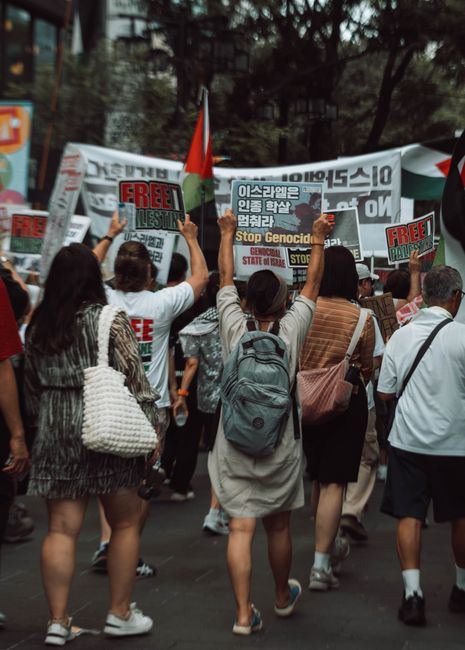
Social movements and civil society organizations play a vital role in shaping the political agenda and holding power accountable in South Korea. The country has a vibrant tradition of activism, with various groups advocating for a wide range of issues, including environmental protection, women’s rights, LGBTQ+ rights, labor rights, and historical justice. These movements often engage in protests, public awareness campaigns, and lobbying efforts to influence policy decisions and public opinion. The "MeToo" movement, for example, has had a significant impact on discussions around gender equality and sexual harassment in South Korea, leading to increased awareness and calls for institutional reform. Similarly, environmental advocacy groups have been instrumental in raising awareness about climate change and pushing for stronger environmental policies. The influence of these social forces can be seen in the ways political parties adapt their platforms and respond to public demands. The digital age has further amplified the reach and impact of social movements, allowing for rapid mobilization and wider dissemination of messages.
The complex inter-Korean relations remain a defining element of South Korean politics. The peninsula remains technically at war, divided by a heavily fortified border. The approach to North Korea is a perennial source of division between conservative and progressive factions. Conservatives generally advocate for a stronger stance, emphasizing deterrence and sanctions, while progressives favor engagement, dialogue, and reconciliation. The actions and pronouncements of the North Korean regime, including its nuclear weapons program and missile tests, consistently dominate foreign policy discussions and influence domestic political debates. The perceived effectiveness of different engagement strategies, the role of international sanctions, and the long-term vision for reunification are all subjects of intense political scrutiny and debate. South Korea’s relationship with the United States, its primary security ally, is inextricably linked to its North Korea policy, as is its engagement with other regional powers like China, Russia, and Japan.
The influence of media and information dissemination on South Korean politics is substantial. South Korea boasts a highly developed and technologically advanced media landscape, with a diverse range of newspapers, television broadcasters, and online news outlets. Social media platforms also play a significant role in shaping public opinion and facilitating political discourse. However, this digital connectivity also presents challenges, including the spread of misinformation and disinformation, which can exacerbate political polarization. Political campaigns heavily rely on media coverage and social media engagement to reach voters. The framing of issues, the selection of news stories, and the commentary provided by media outlets can significantly influence public perception and political outcomes. Debates surrounding media impartiality, the regulation of online content, and the impact of "fake news" are increasingly important in the South Korean political context.
The future of South Korean politics will likely be shaped by a confluence of ongoing trends and emerging challenges. Addressing deepening societal inequalities, navigating the complexities of aging demographics, and responding to the evolving geopolitical landscape will be critical. The persistent ideological divides and the increasing impact of generational shifts will continue to define the political discourse. The ability of political parties to forge consensus, adapt to changing societal expectations, and effectively address the nation’s pressing issues will determine the trajectory of South Korean democracy. Furthermore, the country’s role on the global stage, its technological innovation, and its cultural influence will undoubtedly continue to intersect with and inform its domestic political landscape. The dynamic interplay of these factors ensures that South Korean politics will remain a subject of intense interest and ongoing evolution.
