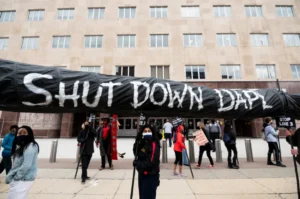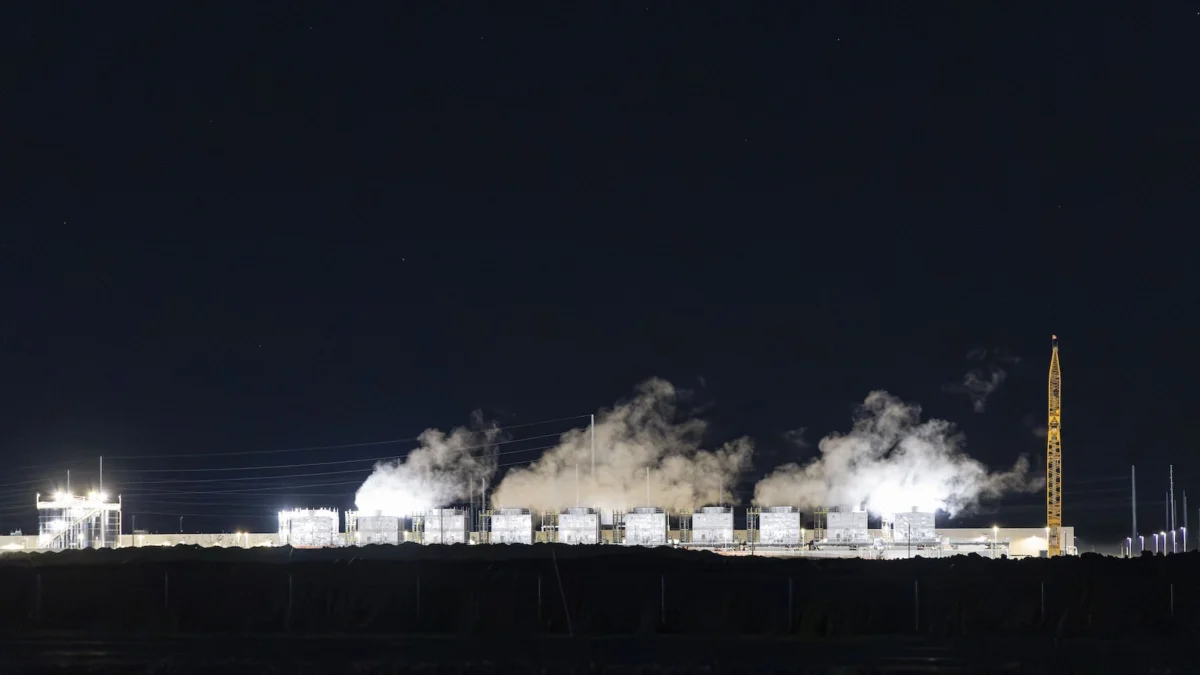
The landscape of rural Nebraska is currently the site of a significant regulatory standoff as local governments grapple with the rapid expansion of the digital infrastructure industry. In Otoe County, located south of Omaha and east of Lincoln, the Board of Commissioners recently took a decisive step by voting to suspend the issuance of permits for new data centers for a period of up to one year. This decision, spearheaded by concerns from local residents and a need for updated zoning frameworks, reflects a broader national trend where the physical requirements of the internet—massive, energy-intensive warehouses filled with servers—are clashing with the traditional resource management of agricultural and residential communities.
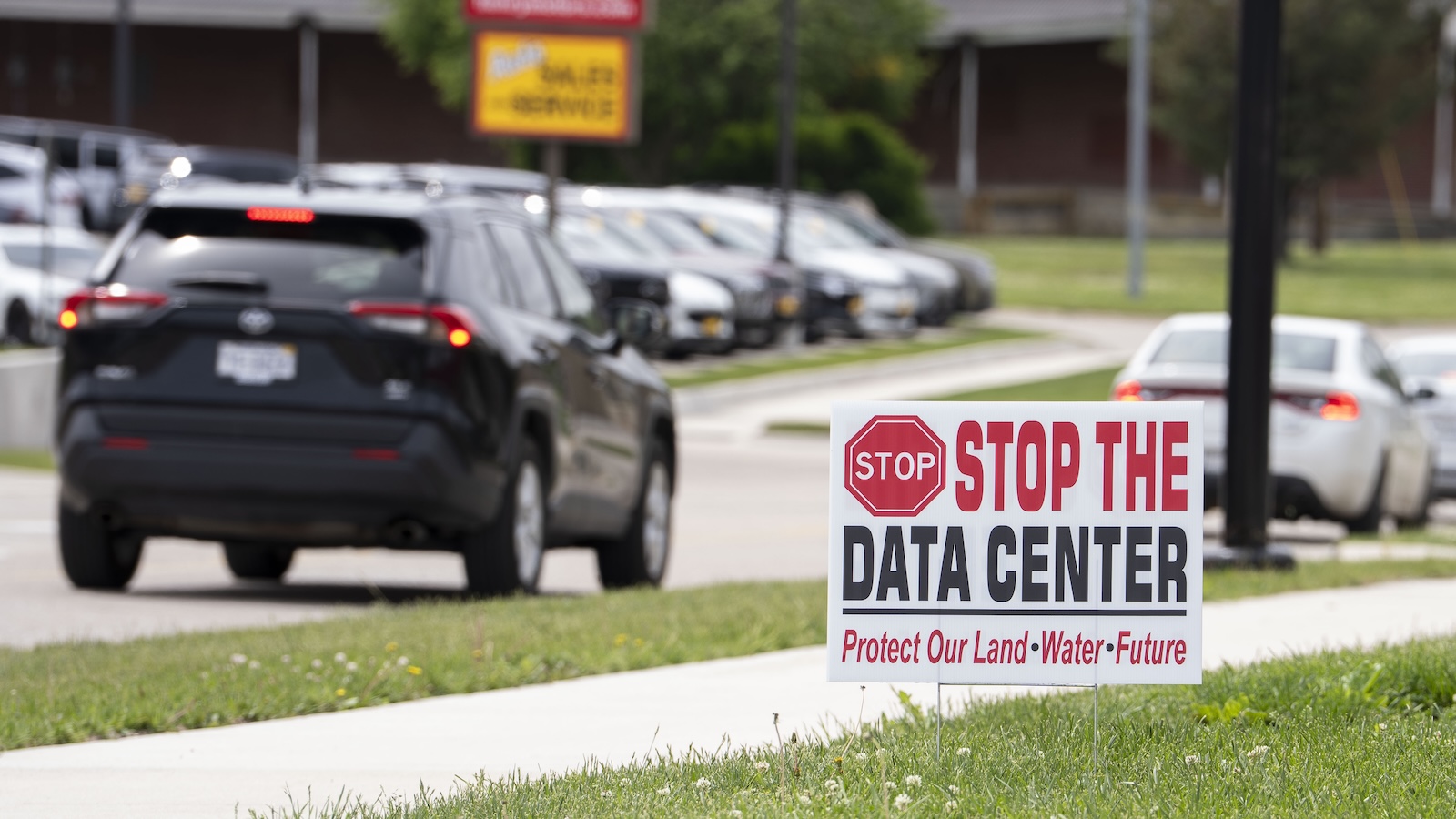
The moratorium in Otoe County was not an isolated administrative act but the culmination of rising public anxiety. During recent public hearings, residents like Wynee Benedict voiced a series of pointed questions regarding the long-term viability of these projects. The concerns range from the immediate—such as who bears the cost of the massive electrical infrastructure required to power these facilities—to the environmental, including the potential for "heat island" effects and the depletion of local aquifers. Commissioner Chuck Cole noted that the one-year pause is intended to provide the county with the necessary time to study how these industrial developments align with the county’s long-term comprehensive plans and to draft regulations that ensure the community is protected from the potential negative externalities of the data industry.
The Rising Demand for Data Infrastructure and AI
The surge in data center interest in Nebraska and across the United States is driven largely by the exponential growth of artificial intelligence (AI) and cloud computing. AI models, such as large language models, require significantly more computing power and cooling than traditional web hosting. This has led to a "digital gold rush" for land that offers three specific attributes: proximity to high-capacity fiber optic lines, access to massive amounts of electricity, and a reliable source of water for cooling systems.
Nebraska has historically been an attractive destination for tech giants like Google, Meta, and Microsoft due to its relatively low energy costs and central geographic location. However, the scale of current proposals has begun to outpace existing local regulations. A single large-scale data center can consume as much electricity as a small city and require millions of gallons of water per day to prevent servers from overheating. In a state where water rights are a perennial and sensitive issue for the agricultural sector, the entry of "water-thirsty" tech facilities has created a new friction point between the tech industry and the farming community.
Legislative Pressure and the "Shot Clock" Effect
The move toward moratoriums in Nebraska is also a defensive reaction to recent changes in state law. According to Jon Cannon, executive director of the Nebraska Association of County Officials, a new legislative mandate requires counties to reach a decision on certain development projects within a specific, abbreviated timeframe. While the intent of the law was to prevent bureaucratic "red tape" from needlessly stalling economic development, it has had the unintended consequence of forcing counties to hit the "pause" button entirely.
Under the new law, if a county does not have specific regulations in place when an application is filed, they may be forced to approve projects that they have not fully vetted. By implementing a moratorium, counties like Otoe are effectively stopping the clock, allowing them to draft comprehensive zoning language before the next wave of applications arrives. Cannon suggests that this trend is likely to spread, as counties realize that being "unprepared" is no longer an option under the new state-level mandates. This legal environment has created a paradox: a law designed to speed up development is currently resulting in a statewide slowdown as local governments scramble to fortify their regulatory barriers.
A National Movement: States and Municipalities Push Back
Nebraska’s local moratoriums are part of a larger, nationwide skepticism toward the rapid expansion of data centers. So far this year, at least 14 states have weighed statewide moratoriums or significant restrictions on data center development. From the tech hubs of California to the rural landscapes of Maine, the narrative is similar: the promised economic benefits of data centers, such as high tax revenue and initial construction jobs, are being weighed against the permanent strain they place on public utilities.
In Virginia, which hosts the world’s largest concentration of data centers in "Data Center Alley," residents and lawmakers are increasingly concerned about the visual impact of massive transmission lines and the noise generated by industrial-scale cooling fans. In states like Arizona and South Carolina, the focus is almost entirely on water. Data centers often use evaporative cooling systems that lose massive amounts of water to the atmosphere, a practice that is increasingly viewed as unsustainable in drought-prone regions or areas dependent on sensitive aquifers.
The Environmental Footprint: Water, Power, and Heat
One of the primary challenges for Nebraska residents and officials is the lack of transparency regarding the environmental impact of these facilities. There is currently no centralized state or federal database that tracks the exact location, ownership, and resource consumption of data centers. Many developers operate under limited liability companies (LLCs) and require local officials to sign non-disclosure agreements (NDAs) during the initial phases of negotiation, leaving the public in the dark until projects are well underway.
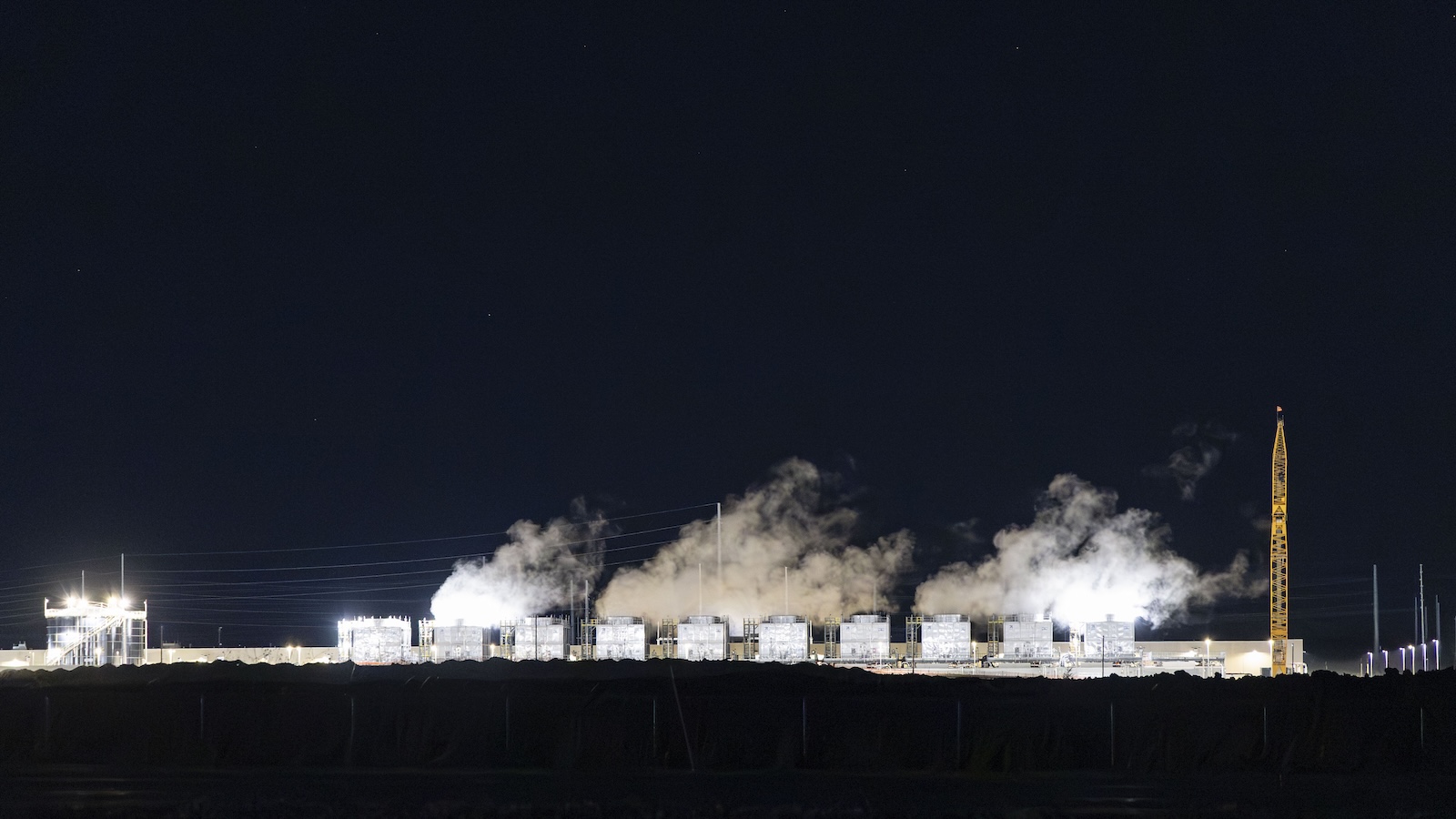
From an infrastructure standpoint, the power demands are staggering. Data centers operate 24/7, creating a "baseload" demand that can strain regional power grids. This often necessitates the construction of new substations and high-voltage transmission lines, the costs of which are sometimes passed down to local rate-payers rather than being fully absorbed by the tech companies.
Furthermore, the "heat island" effect mentioned by Otoe County residents is a documented phenomenon. Large clusters of data centers can raise the ambient temperature of the immediate surrounding area due to the massive exhaust of hot air from cooling systems and the vast expanses of asphalt and concrete required for the facilities. For a rural county, this change in microclimate can have subtle but lasting impacts on local flora and agricultural yields.
Local Responses Across Nebraska
While Otoe County has opted for a full pause, other Nebraska counties are taking different approaches to oversight. Madison County recently implemented a requirement for data centers to obtain a "special use permit." This mechanism does not ban the industry but ensures that every project is subject to a public hearing and a rigorous review process, allowing the county to impose specific conditions on water usage and noise levels.
In Gage County, the planning and zoning commission has scheduled hearings to discuss its own potential moratorium. The goal in Gage, as in Otoe, is to prevent the county from being "caught flat-footed" by a developer. The sentiment among county officials is that while they are not necessarily "anti-development," they are "pro-regulation." They argue that the permanent nature of these buildings—which are often difficult to repurpose if the technology becomes obsolete—requires a level of scrutiny that standard commercial zoning does not provide.
Economic Promises vs. Long-Term Reality
Developers and proponents of data centers often point to the significant property tax revenue these projects generate. For rural school districts and county governments, a single data center can represent a massive windfall that lowers the tax burden on individual homeowners and farmers. Additionally, the construction phase of a data center brings hundreds of well-paying jobs to the region.
However, critics point out that once the construction is complete, the long-term employment impact is minimal. A facility spanning hundreds of thousands of square feet may only require a few dozen permanent employees to maintain the hardware and security. This "job-poor" nature of data centers, when compared to manufacturing or traditional industry, makes the trade-off for land and water usage a difficult sell for some communities.
Conclusion and Future Implications
The situation in Otoe County serves as a bellwether for the future of industrial development in the American Midwest. As the digital economy continues to require physical space, the tension between global tech needs and local community values will likely intensify. For Nebraska, the coming year will be a period of intense study and legislative drafting.
The success of these moratoriums will depend on whether counties can create "defensible" regulations that withstand legal challenges from developers while satisfying the concerns of residents like Wynee Benedict. As Jon Cannon of the Nebraska Association of County Officials advises, the key for the industry moving forward will be early and transparent communication. In the absence of such transparency, rural communities are increasingly choosing to shut the door until they can be certain that the "digital gold" of the 21st century does not come at the expense of their most basic and vital resources.
The next twelve months in Otoe County will be watched closely by developers and civil servants alike. If the county succeeds in creating a model for "responsible data development," it could provide a roadmap for the rest of the state. If not, the current wave of moratoriums may be just the beginning of a long-term retreat from the Silicon Prairie’s digital ambitions.