The Music Industry: A Multifaceted Landscape of Creation, Distribution, and Monetization
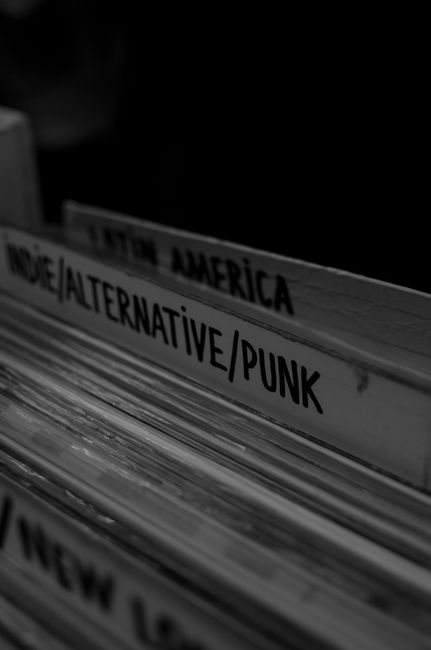
The music industry represents a complex and ever-evolving ecosystem encompassing the creation, production, marketing, distribution, and monetization of music. Historically, this sector revolved around physical media like vinyl records, cassettes, and CDs, with record labels acting as gatekeepers. However, the advent of digital technology and the internet has fundamentally reshaped its structure, giving rise to new revenue streams, distribution channels, and opportunities for artists and consumers alike. Understanding the music industry requires dissecting its core components: music creation, recording and production, publishing, distribution, live performance, and various monetization strategies. Each element plays a crucial role in bringing music from conception to the ears of its audience and ensuring its creators are compensated.
Music creation is the genesis of the entire industry. This stage involves songwriting, composition, and arrangement. Songwriters craft lyrics and melodies, while composers develop instrumental pieces and orchestrations. Arrangers then adapt these foundational elements for specific instruments or ensembles. The creative process can be highly collaborative, involving co-writers, producers, and session musicians. The rise of digital audio workstations (DAWs) and accessible music creation software has democratized this aspect, allowing artists to compose and produce music from their homes. Genres continue to diversify, with subgenres and fusion styles emerging constantly, driven by artists seeking unique sonic identities. This ongoing innovation in musical expression fuels the demand for new content within the industry.
Recording and production represent the technical realization of musical ideas. This involves capturing performances, mixing audio, and mastering the final product. Recording studios, once exclusive domain of established labels, are now supplemented by home studios equipped with professional-grade gear. Producers play a vital role, guiding the artistic direction, overseeing recording sessions, and shaping the sonic landscape of a track or album. Mixing engineers balance individual instrument tracks, apply effects, and create a cohesive stereo image. Mastering engineers then finalize the audio for distribution, ensuring consistent volume, tonal balance, and dynamic range across all tracks. The quality of recording and production significantly impacts a song’s perceived value and commercial viability. Advances in audio technology, such as spatial audio and AI-powered mixing tools, are continually pushing the boundaries of sonic fidelity and creative possibility.
Music publishing is the business of owning and administering the copyrights of musical compositions. Publishers represent songwriters and composers, licensing their works for use in various media. This includes synchronization licenses for film, television, advertising, and video games, as well as mechanical licenses for the reproduction of musical works on recordings. Performance rights organizations (PROs) like ASCAP, BMI, and SESAC collect royalties when music is publicly performed, whether in live venues, on radio, or through streaming services. The publishing sector is crucial for ensuring songwriters receive ongoing income from their creations, especially as recorded music revenue models evolve. Understanding copyright law and licensing agreements is paramount for both creators and businesses operating within the music industry.
Distribution is the process of making music available to consumers. Traditionally, this involved physical distribution of CDs and vinyl to brick-and-mortar stores. The digital revolution ushered in a new era of distribution, dominated by streaming platforms and digital download stores. Digital distributors act as intermediaries, facilitating the upload of music to services like Spotify, Apple Music, Amazon Music, and YouTube Music. These platforms have become the primary conduits for music consumption, offering vast catalogs accessible on demand. Independent artists can now bypass traditional gatekeepers and distribute their music globally through these services. However, navigating the complexities of royalty splits and platform algorithms remains a significant challenge for many creators.
Live performance has always been a cornerstone of the music industry, offering artists direct interaction with their audience and a significant revenue stream. Concerts, festivals, and tours provide opportunities for artists to showcase their music and connect with fans on a personal level. Ticket sales, merchandise, and VIP experiences contribute substantially to an artist’s income. The COVID-19 pandemic significantly impacted the live music sector, forcing a shift towards virtual concerts and online engagement. As live events resume, there’s a renewed appreciation for the immersive experience of attending a concert, and artists are exploring innovative ways to enhance live performances through technology and unique venue choices.
Monetization strategies within the music industry are diverse and constantly evolving. Streaming royalties, though often criticized for their low per-stream rates, have become a significant source of income, especially for established artists with large fan bases. Physical sales, while diminished, still hold value for dedicated collectors and can contribute to an artist’s revenue. Merchandise sales, encompassing apparel, accessories, and limited-edition items, offer a direct revenue stream and a way for fans to express their support. Sync licensing, as mentioned in publishing, provides substantial income for the use of music in visual media. Brand partnerships and sponsorships offer artists opportunities to collaborate with companies, extending their reach and generating income. Fan funding platforms and crowdfunding campaigns allow artists to directly solicit financial support from their audience for specific projects, such as album production or touring. The effectiveness of these monetization strategies often depends on an artist’s genre, audience engagement, and overall market presence.
The role of record labels has transformed considerably. While major labels still wield significant power and resources for artist development, marketing, and distribution, their dominance has been challenged. Independent labels and DIY artists have carved out successful niches, leveraging digital tools and direct-to-fan strategies. Labels now often focus on providing specialized services, such as marketing, promotion, and A&R (artists and repertoire), rather than solely controlling distribution. For emerging artists, the decision to sign with a label or remain independent is a strategic one, weighing the benefits of label support against the potential loss of creative control and a larger share of royalties.
The music industry’s economic impact is substantial, contributing billions of dollars annually to the global economy. It supports a vast array of jobs, from musicians and producers to marketing professionals, engineers, and venue staff. The industry’s growth is intrinsically linked to technological advancements and evolving consumer behavior. Understanding the economic drivers and trends within this sector is crucial for anyone involved in its operation or seeking to enter it. Factors such as global economic conditions, piracy rates, and the adoption of new technologies significantly influence the industry’s financial health.
Marketing and promotion are essential for any music release to gain traction. This encompasses a wide range of activities designed to reach and engage target audiences. Digital marketing strategies, including social media campaigns, influencer collaborations, and targeted advertising, are paramount in the current landscape. Public relations efforts, aimed at securing media coverage in blogs, magazines, and radio stations, also play a vital role. Playlist curation on streaming platforms has become a critical promotional tool, exposing music to millions of potential listeners. Building a strong online presence and fostering direct communication with fans are key to successful music promotion in the digital age.
The evolution of music consumption has been a defining characteristic of the modern music industry. The shift from ownership (buying physical or digital copies) to access (streaming) has fundamentally altered how people discover and engage with music. This has led to a greater emphasis on catalog management and the ongoing creation of new content to maintain listener engagement. Data analytics provided by streaming platforms offer valuable insights into listener behavior, informing marketing strategies and artist development. Understanding these consumption patterns is vital for artists and industry professionals to adapt and thrive.
The legal and regulatory landscape surrounding the music industry is complex, involving copyright law, contract law, and international treaties. Intellectual property rights are central to the industry, protecting the creations of artists and ensuring fair compensation. The ongoing debate surrounding digital copyright enforcement, royalty distribution, and fair compensation for artists in the streaming era highlights the challenges of adapting legal frameworks to rapidly changing technologies and business models. Navigating these legal complexities requires expert knowledge and a commitment to ethical business practices.
The globalization of the music industry has opened up new markets and opportunities for artists to reach international audiences. Digital distribution platforms have removed geographical barriers, allowing music to travel across borders instantly. However, understanding local market nuances, cultural preferences, and different royalty collection systems remains important for artists seeking to build a global presence. Cross-cultural collaborations and the rise of genres that blend influences from around the world are testaments to the interconnectedness of the modern music industry.
The future of the music industry will likely be shaped by further technological innovation, evolving consumer expectations, and ongoing debates about artist compensation and intellectual property rights. Artificial intelligence is poised to play an increasingly significant role in music creation, production, and even discovery. The metaverse and immersive digital environments may offer new avenues for live performance and fan engagement. As the industry continues to adapt, a focus on artist sustainability, fair compensation, and fostering diverse creative expression will be crucial for its long-term health and vitality. The ability to pivot, innovate, and embrace new technologies will define success for artists and businesses alike.
