The Music Industry: Evolution, Economics, and the Digital Frontier
The music industry, a vast and multifaceted ecosystem, encompasses the creation, production, distribution, marketing, and monetization of musical works. Historically a domain dominated by physical media like vinyl records and CDs, it has undergone a seismic transformation driven by technological advancements, primarily the internet and digital streaming. This evolution has profoundly reshaped revenue streams, artist compensation, consumer access, and the very definition of music consumption. Understanding the current landscape requires a deep dive into its economic drivers, the impact of digital technologies, and the persistent challenges and opportunities that define its future.
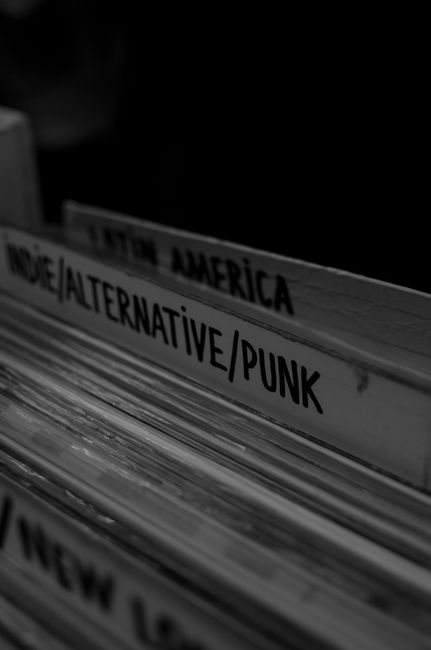
The foundational economic engine of the music industry has always been the sale of recorded music. For decades, this meant manufacturing and distributing physical formats. The profit margins, while significant, were often constrained by production costs, retail markups, and the gatekeeping power of record labels. Labels acted as crucial intermediaries, investing in artist development, recording, marketing, and distribution, thereby assuming significant financial risk in exchange for a substantial share of the revenue. Artists, in turn, typically received advances against future royalties, with the bulk of earnings flowing to the label unless exceptionally successful. This model fostered a hierarchy where major labels held immense influence, shaping public taste and dictating which artists gained widespread exposure. The advent of digital music files, initially through peer-to-peer sharing platforms, disrupted this established order. While piracy posed a significant threat, it also illuminated a demand for digital access. This eventually led to the rise of legal digital download stores, most notably iTunes, which offered a more convenient and legitimate way to purchase music online. However, the true revolution came with the advent of streaming services.
Streaming platforms like Spotify, Apple Music, Amazon Music, and YouTube Music have become the dominant mode of music consumption. These services operate on a subscription-based model, offering users access to vast libraries of music for a recurring fee. This shift has dramatically altered the economic calculus of the industry. While streaming generates substantial aggregate revenue, the per-stream royalty rates paid to artists and rights holders are notoriously low. This has sparked considerable debate and concern regarding the financial viability for many artists, particularly independent musicians, who struggle to earn a living wage solely from streaming royalties. The revenue pie, though larger overall, is sliced into significantly smaller pieces for individual creators. Furthermore, the distribution of these royalties is complex, involving multiple intermediaries including record labels, publishers, collection societies, and distributors, each taking their cut. This opacity and fragmentation often leave artists with a limited understanding of their actual earnings.
The economic impact of digital disruption extends beyond just recorded music sales. Live music, encompassing concerts, festivals, and touring, has emerged as a critical revenue stream for artists. With declining physical sales, the income generated from ticket sales, merchandise, and VIP experiences has become indispensable for many musicians. This has led to an increased emphasis on touring and elaborate live performances, often serving as a primary vehicle for fan engagement and brand building. However, the economic realities of touring are also challenging, with high costs associated with production, travel, and personnel, alongside a significant portion of ticket revenue often being retained by promoters and venues.
The role of record labels has also evolved. While some major labels have adapted by investing heavily in streaming services and digital marketing, their traditional gatekeeping function has diminished. Independent labels and artist-led ventures have flourished, leveraging digital tools for distribution, promotion, and direct-to-fan engagement. This democratization of the industry empowers artists with greater control over their careers, allowing them to bypass traditional intermediaries and build direct relationships with their audience. However, navigating this independent landscape requires significant entrepreneurial acumen, marketing expertise, and financial self-sufficiency.
Digital marketing and promotion have become paramount in the contemporary music industry. Social media platforms, from Instagram and TikTok to YouTube and Twitch, are indispensable tools for artists to connect with fans, build communities, and promote their music. Viral trends, algorithmic visibility, and influencer collaborations can propel emerging artists to stardom, often bypassing traditional media channels. This has created a dynamic and often unpredictable promotional environment, where creativity and authenticity are highly valued. Furthermore, data analytics plays an increasingly important role in understanding audience behavior, identifying target demographics, and optimizing marketing strategies.
The creation and production of music have also been profoundly influenced by digital technology. Affordable high-quality recording equipment, Digital Audio Workstations (DAWs), and readily available plugins have made professional-level music production accessible to a much wider range of individuals. This has led to a surge in independent music creation and a blurring of lines between amateur and professional output. Collaboration across geographical boundaries is now commonplace, facilitated by online platforms and remote work technologies. This accessibility has fostered a more diverse and innovative musical landscape, with new genres and subcultures emerging at an unprecedented pace.
The music industry is not without its challenges. Piracy, though less prevalent than in the early days of digital music, remains a concern. The low per-stream royalty rates and the opaque royalty distribution system continue to be major points of contention for artists. The increasing dominance of a few major streaming platforms raises questions about market concentration and algorithmic bias. The mental health and well-being of artists are also critical issues, exacerbated by the pressures of constant online presence, financial instability, and the demanding touring schedule. The industry grapples with ensuring fair compensation for all stakeholders, from artists and songwriters to producers and engineers.
Despite these challenges, opportunities abound. The global reach of digital platforms allows artists to connect with audiences worldwide, breaking down geographical barriers. Emerging markets present significant growth potential for music consumption and artist discovery. Technologies like blockchain offer potential solutions for transparent royalty tracking and artist compensation. The increasing value placed on live experiences and unique fan engagement creates new avenues for revenue generation and community building. Furthermore, the ongoing evolution of artificial intelligence is beginning to impact music creation, production, and even consumption, presenting both novel possibilities and ethical considerations.
The monetization of music is a complex interplay of various revenue streams. Beyond streaming and physical sales, licensing music for film, television, advertising, and video games represents a significant income source. Synchronization licenses are crucial for placement in visual media, and the negotiation of these deals can be intricate. Publishing royalties, generated from the use of a song’s composition, are another vital component, often managed by music publishers who represent songwriters. These royalties can be earned through mechanical licenses (for reproduction of the musical work), performance licenses (for public performance), and synchronization licenses. The rise of digital platforms has also spurred the development of new monetization models, including crowdfunding, fan subscriptions, and the sale of digital collectibles and NFTs.
The future of the music industry will likely be characterized by continued technological innovation and adaptation. Immersive audio experiences, the metaverse, and the integration of music into various digital environments are areas of active development. The increasing importance of data and analytics will continue to inform business strategies. The ongoing debate surrounding artist compensation and fair distribution will likely lead to further calls for reform and the exploration of alternative economic models. Ultimately, the music industry, in its constant state of flux, remains a testament to the enduring power of creativity and the ever-evolving ways in which humans connect with and consume sonic art. The ability to adapt, innovate, and prioritize artist well-being will be critical for sustained growth and a more equitable ecosystem.
