Category Energy Resources 3: Advancing Sustainable Power Generation
Category Energy Resources 3 encompasses a diverse and rapidly evolving spectrum of energy generation technologies and methodologies fundamentally geared towards enhanced sustainability and reduced environmental impact. Unlike conventional fossil fuel-based systems, these resources prioritize renewable inputs, minimized carbon emissions, and often, decentralized power generation models. This category is crucial for addressing global climate change imperatives, ensuring energy security, and fostering economic growth through innovation in the energy sector. The core principle uniting these resources is their reliance on natural processes or cyclical materials that replenish themselves within human timescales, distinguishing them from finite reserves like coal, oil, and natural gas. Understanding the nuances, advantages, and challenges of each sub-category within Energy Resources 3 is paramount for policymakers, investors, engineers, and the public alike. The ongoing research, development, and deployment of these technologies are instrumental in transitioning the world towards a net-zero emissions future and mitigating the adverse effects of climate change on a global scale.
Solar energy stands as a cornerstone of Category Energy Resources 3, harnessing the abundant and inexhaustible power of the sun. This conversion occurs primarily through two main technologies: photovoltaic (PV) systems and concentrated solar power (CSP). Photovoltaic cells directly convert sunlight into electricity using the photovoltaic effect, where photons striking a semiconductor material dislodge electrons, creating an electrical current. The materials used in PV panels, predominantly silicon, have seen dramatic improvements in efficiency and cost reduction over the past few decades, making solar PV one of the most competitive forms of new electricity generation globally. Advancements in thin-film solar cells, perovskite solar cells, and bifacial panels are further pushing the boundaries of efficiency and versatility, enabling applications from rooftop installations to large-scale solar farms. Concentrated Solar Power systems, on the other hand, use mirrors or lenses to concentrate sunlight onto a receiver, generating heat. This heat then drives a conventional turbine to produce electricity. CSP offers the advantage of thermal energy storage, allowing for electricity generation even when the sun is not shining, thereby addressing the intermittency inherent in solar power. The continuous innovation in materials science, manufacturing processes, and grid integration techniques for solar energy underscores its pivotal role in the future energy landscape. The economic viability of solar power has been significantly enhanced by economies of scale in manufacturing and supportive government policies, including tax incentives and renewable energy mandates. Furthermore, the distributed nature of solar generation allows for greater energy independence and resilience at the individual and community levels. Challenges, however, remain, including land use for large-scale installations, the need for efficient energy storage solutions to complement intermittent generation, and the development of robust recycling programs for end-of-life solar panels.
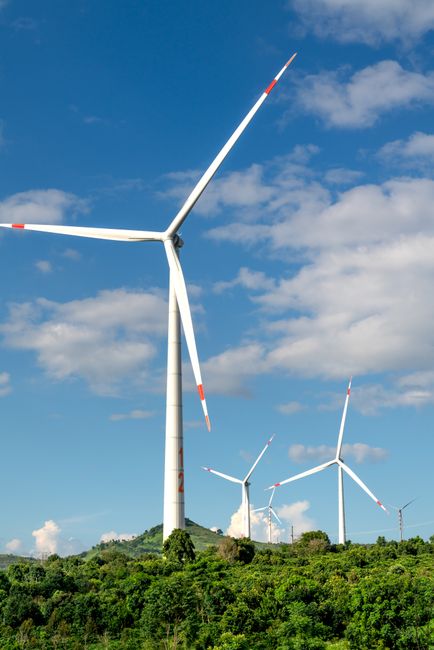
Wind energy represents another significant pillar of Category Energy Resources 3, converting the kinetic energy of moving air into mechanical power, which is then used to generate electricity. Wind turbines, with their iconic rotating blades, are the primary technology for this conversion. Modern wind turbines have become increasingly sophisticated, with larger rotor diameters, advanced aerodynamic designs, and intelligent control systems that optimize energy capture in varying wind conditions. Onshore wind farms are widely deployed, leveraging land-based wind resources. Offshore wind farms, however, are gaining substantial traction due to the stronger and more consistent wind speeds available over the ocean. Offshore wind offers the potential for larger turbines and higher capacity factors, but also presents greater logistical and installation challenges, including foundation engineering and transmission infrastructure development. Innovations in floating offshore wind platforms are opening up vast new areas for wind energy development in deeper waters, further expanding the global potential. The levelized cost of energy (LCOE) for wind power has decreased dramatically, making it a cost-competitive alternative to fossil fuels in many regions. Research continues to focus on improving turbine reliability, reducing noise pollution, and minimizing the environmental impact on bird and bat populations through advanced siting and operational strategies. The development of larger and more efficient turbines, coupled with advancements in grid integration technologies, is crucial for maximizing the contribution of wind energy to the global power mix. The ongoing expansion of offshore wind capacity, particularly in regions with strong coastal wind resources, is a key driver of growth within this sub-category.
Hydropower, while a more established renewable energy source, continues to be a vital component of Category Energy Resources 3, particularly in its sustainable and innovative applications. Large-scale conventional hydropower plants, utilizing the gravitational potential energy of water stored in reservoirs behind dams, are a significant source of clean electricity. However, concerns about environmental impacts, such as habitat disruption and altered river ecosystems, have led to a greater focus on minimizing the footprint of new projects and optimizing the operation of existing ones. Small-scale and micro-hydropower systems offer decentralized energy solutions with a reduced environmental impact, often integrated into existing water infrastructure like canals or small rivers. Pumped-storage hydropower, a form of energy storage, uses excess electricity to pump water uphill to a reservoir, releasing it to generate power when demand is high. This technology plays a crucial role in grid stability by providing a flexible and dispatchable source of renewable energy. Future developments in hydropower may involve more environmentally sensitive turbine designs, improved fish passage systems, and innovative approaches to dam management to mitigate ecological concerns. The long operational life of hydropower facilities and their ability to provide grid stability and flood control benefits continue to make them a valuable contributor to the energy portfolio.
Geothermal energy taps into the Earth’s internal heat for electricity generation and direct heating applications. This resource is characterized by its consistent and baseload power generation capabilities, meaning it can provide a steady supply of energy independent of weather conditions. Geothermal power plants extract hot water or steam from underground reservoirs, which then drives turbines to produce electricity. Advanced geothermal systems (AGS) or enhanced geothermal systems (EGS) are being developed to expand the geographical reach of geothermal energy by creating artificial reservoirs in hot dry rock formations. These systems involve drilling wells and injecting fluid to fracture the rock, allowing for the circulation of water and heat extraction. The potential for geothermal energy is vast, with significant untapped resources in many parts of the world. Challenges include high upfront drilling costs, the risk of induced seismicity in EGS, and the management of geothermal fluids, which may contain dissolved minerals or gases. Ongoing research aims to improve drilling technologies, reduce exploration risks, and enhance the efficiency of heat extraction and conversion processes. The stable and reliable nature of geothermal power makes it an attractive option for providing baseload renewable energy, complementing the intermittent nature of solar and wind power.
Biomass energy, derived from organic matter such as agricultural waste, forestry residues, and dedicated energy crops, represents another important sub-category. Biomass can be converted into energy through various processes, including combustion, gasification, and anaerobic digestion. Combustion directly burns biomass to produce heat for electricity generation or industrial processes. Gasification converts biomass into a synthesis gas (syngas) that can be used to fuel turbines or engines. Anaerobic digestion breaks down organic matter in the absence of oxygen, producing biogas, which is primarily methane and can be used for heat and electricity. Sustainable biomass sourcing is a critical consideration to avoid deforestation, competition with food crops, and negative impacts on biodiversity. Advanced biorefinery concepts aim to maximize the value extracted from biomass, producing biofuels, chemicals, and energy in an integrated process. The circular economy principles are increasingly being applied to biomass utilization, focusing on waste-to-energy solutions. Challenges include ensuring sustainable supply chains, managing the emissions from combustion, and optimizing the efficiency of conversion processes. The potential for biomass to provide dispatchable renewable energy and utilize waste streams makes it a valuable contributor to the energy mix, especially in regions with abundant agricultural or forestry resources.
Ocean energy, a frontier within Category Energy Resources 3, encompasses a range of technologies that harness the power of tides, waves, and ocean thermal gradients. Tidal energy utilizes the rise and fall of ocean tides to drive turbines, similar to hydropower. Tidal barrages, similar to dams, can be constructed across estuaries, while tidal stream generators are placed in areas with strong tidal currents. Wave energy converters capture the energy of ocean surface waves, employing various mechanical or hydraulic systems to generate electricity. Ocean Thermal Energy Conversion (OTEC) exploits the temperature difference between warm surface waters and cold deep ocean waters to drive a heat engine and generate electricity. While still in earlier stages of development and commercialization compared to solar and wind, ocean energy holds immense potential due to the vast and predictable nature of its sources. Challenges include the harsh marine environment, high installation and maintenance costs, and the need for robust and durable technologies. Research and development are focused on improving efficiency, reducing costs, and mitigating potential environmental impacts on marine ecosystems. The development of reliable and cost-effective ocean energy technologies could unlock a significant new source of clean and renewable power for coastal communities and island nations.
Biofuels, derived from biomass, are primarily used for transportation, but also play a role in electricity generation. First-generation biofuels, such as ethanol from corn and biodiesel from vegetable oils, have faced criticism for their impact on food security and land use. Second and third-generation biofuels, produced from non-food sources like agricultural waste, dedicated energy crops, and algae, are considered more sustainable. Advanced biofuels offer a pathway to decarbonizing the transportation sector, a significant challenge for achieving net-zero emissions. The production of advanced biofuels involves complex conversion processes, and ongoing research is focused on improving yields, reducing production costs, and ensuring sustainability throughout the lifecycle. The integration of biofuels with existing infrastructure and engines is also a key area of development. While their primary application is often in transport, certain advanced biofuels can also be used in specialized generators for electricity production, particularly in off-grid or remote locations where other renewable options may be limited. The ongoing pursuit of sustainable and scalable biofuel production is crucial for achieving deep decarbonization across multiple sectors.
Energy storage technologies are intrinsically linked to the success of Category Energy Resources 3. The intermittent nature of solar and wind power necessitates effective storage solutions to ensure grid stability and reliability. Battery energy storage systems (BESS), particularly lithium-ion batteries, have seen rapid advancements in cost reduction and energy density, making them increasingly viable for grid-scale applications. Other battery chemistries, such as flow batteries and solid-state batteries, are also under development, offering potential advantages in terms of lifespan, safety, and scalability. Beyond batteries, mechanical storage methods like pumped-storage hydropower and compressed air energy storage (CAES) provide large-scale, long-duration storage capabilities. Thermal energy storage, often integrated with CSP systems, stores heat for later electricity generation. Hydrogen, produced through electrolysis powered by renewable electricity (green hydrogen), is emerging as a versatile energy carrier and storage medium, with potential applications in transportation, industry, and grid stabilization. The continued innovation and deployment of diverse energy storage solutions are critical for enabling a higher penetration of renewable energy into the global power system and ensuring its resilience. The economic models for energy storage are evolving, with increasing recognition of its value in grid services, capacity markets, and frequency regulation.
The economic drivers behind the growth of Category Energy Resources 3 are multifaceted. Declining technology costs, driven by economies of scale, manufacturing innovation, and increased research and development investment, have made renewables increasingly cost-competitive with, and often cheaper than, traditional fossil fuels. Government policies, including renewable energy mandates, tax incentives, carbon pricing mechanisms, and feed-in tariffs, have played a crucial role in stimulating investment and deployment. The increasing global awareness of climate change and the desire for energy independence and security are also significant drivers. The creation of green jobs and the potential for economic development through the transition to a low-carbon economy are further incentivizing investment. Investment in Category Energy Resources 3 is no longer a niche sector but a mainstream investment opportunity, attracting capital from institutional investors, venture capital firms, and corporations seeking to align their operations with sustainability goals. The development of robust supply chains and the localization of manufacturing are also becoming increasingly important for ensuring the long-term viability and affordability of these energy resources. The shift towards distributed energy generation, enabled by renewables, is also fostering new business models and greater consumer engagement in the energy market.
Policy and regulatory frameworks are essential for facilitating the widespread adoption of Category Energy Resources 3. Supportive government policies, including clear long-term targets for renewable energy deployment, streamlined permitting processes, and grid modernization initiatives, are critical for overcoming market barriers. International cooperation on technology transfer, research collaboration, and climate finance is also vital for accelerating the global transition. The development of smart grids, capable of managing the variability of renewable energy sources and integrating distributed generation, is a key enabler. Carbon pricing mechanisms, such as carbon taxes and cap-and-trade systems, create economic incentives for reducing emissions and investing in cleaner energy alternatives. The establishment of standardized regulations and certification schemes for renewable energy technologies enhances investor confidence and promotes market transparency. Ongoing efforts to decarbonize the electricity sector are underpinned by a complex interplay of national and international policies, aimed at creating a level playing field for clean energy and ensuring a just transition for affected communities and industries. The evolution of energy markets to better reflect the true costs and benefits of different energy sources is also a critical policy objective.
In conclusion, Category Energy Resources 3 represents the vanguard of a fundamental transformation in how the world generates and consumes energy. Solar, wind, hydro, geothermal, biomass, and ocean energy, supported by advancements in energy storage and driven by compelling economic and environmental imperatives, are paving the way for a sustainable, secure, and cleaner energy future. Continued innovation, supportive policies, and sustained investment are crucial to accelerating this transition and realizing the full potential of these vital energy resources in addressing the global climate challenge and ensuring long-term energy prosperity. The ongoing progress within this category signifies a commitment to decoupling economic growth from environmental degradation and building a resilient and equitable energy system for generations to come.
