The process of renting a vehicle is rarely described as seamless. Travelers often arrive at rental hubs after grueling flights, navigating the logistical hurdles of airport terminals only to be met with long queues or complex "pick your own car" systems. In the rush to reach a final destination, many skip the crucial step of a pre-trip inspection. However, industry experts warn that the burden of proof in damage disputes has shifted almost entirely to the consumer. Without a comprehensive set of time-stamped photographs or videos, a renter is essentially at the mercy of the rental company’s internal auditing systems and the subjective observations of lot attendants.
The Shift Toward Contactless Logistics and Its Hidden Risks
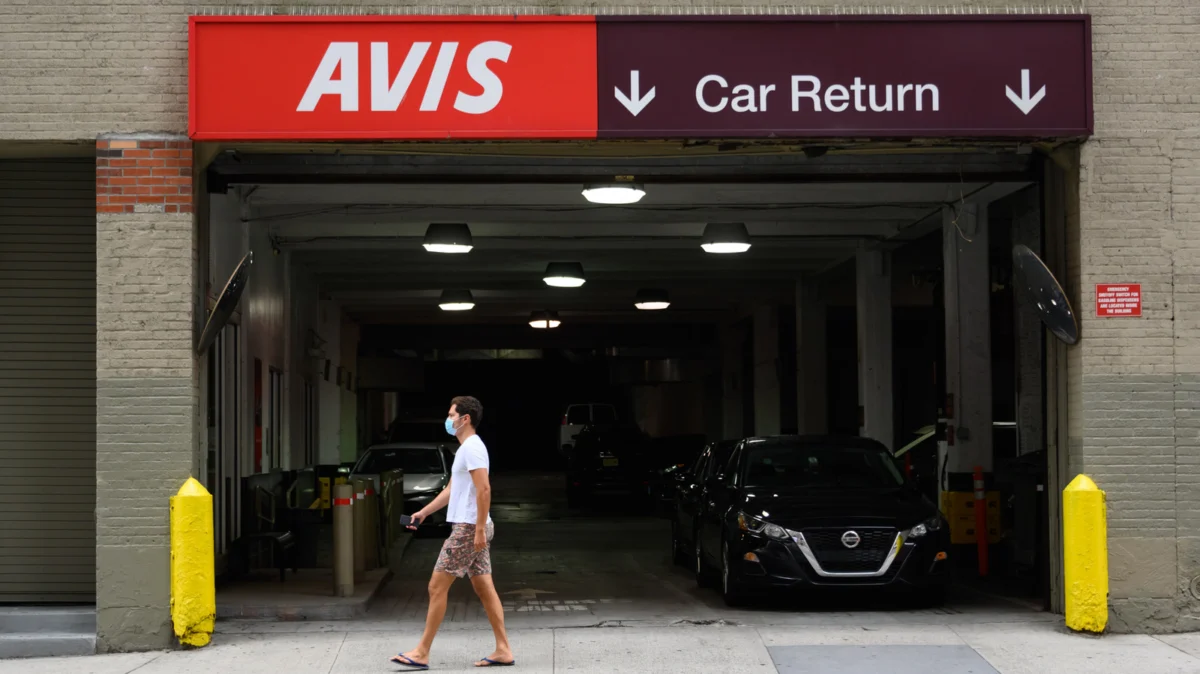
The car rental industry has undergone a paradigm shift, moving away from the traditional model where an employee would walk around the vehicle with the customer, marking existing dents and scratches on a paper diagram. Today, the "skip the counter" experience is the gold standard for major brands like Hertz, Avis, and Enterprise. While this saves time, it removes the immediate opportunity to have an official representative acknowledge pre-existing wear and tear.
This lack of human oversight is compounded by the fact that many rental lots are located in poorly lit parking garages or are designed with narrow, high-traffic lanes that make a thorough inspection feel inconvenient or even hazardous. Nevertheless, the financial stakes are high. Minor cosmetic damage, such as a scuffed alloy wheel or a small bumper crack, can result in repair bills ranging from $500 to $2,000, not including "loss of use" fees that companies charge while the vehicle is in the shop.
The Limitations of Automated Imaging and AI Surveillance
As technology matures, the industry is moving toward automated vehicle imaging systems. These systems utilize high-resolution drive-through camera bays that capture every angle of the car as it exits and enters the lot. Proponents of this technology suggest that by July 2026, as many as 100 major airport rental locations across the United States will have implemented AI-powered damage detection.
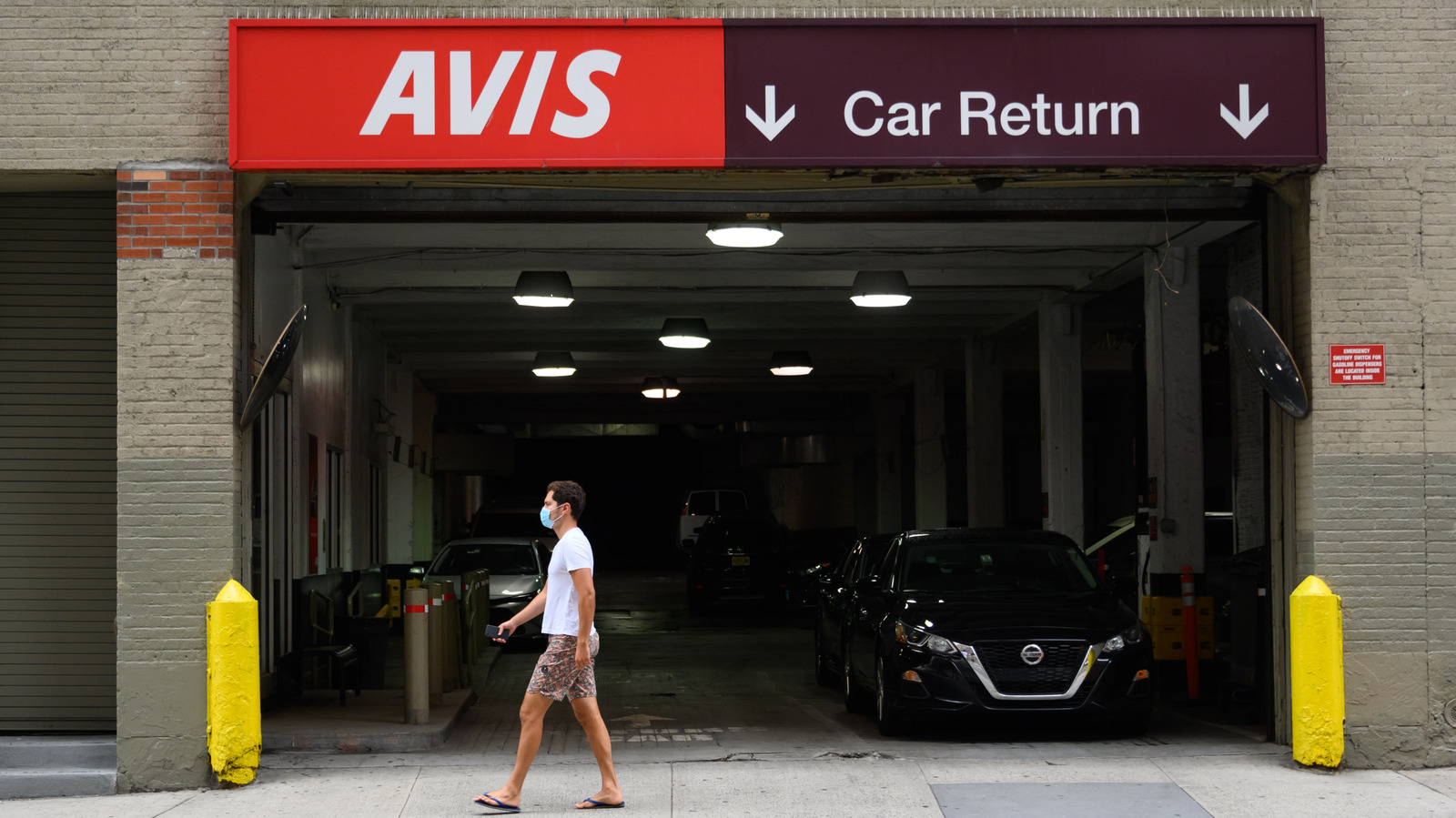
These systems use computer vision to compare "before" and "after" images, flagging new inconsistencies for review. However, relying solely on the company’s technology is a gamble for the consumer. AI tools are notoriously prone to false positives caused by shadows, rain, or dirt on the lens. A recent high-profile incident involving an automotive journalist who was detained due to a Flock camera error highlights the fallibility of automated surveillance. If a rental company’s AI misidentifies a smudge as a scratch, the customer may face an uphill battle to prove otherwise if they do not have their own documentation. Furthermore, many automated systems focus exclusively on the exterior, leaving the interior—which is susceptible to claims regarding upholstery stains or odors—completely unmonitored.
A Chronology of a Potential Damage Dispute
To understand the importance of photography, one must consider the timeline of a typical damage claim, which often begins weeks after the rental has concluded:
- The Return: The customer drops the car in a "rapid return" lane. An attendant may or may not provide a receipt immediately.
- The Post-Rental Inspection: Hours or days later, a lot technician identifies a scratch during a cleaning cycle.
- The Claim Initiation: The rental company’s damage recovery unit opens a file. They check the vehicle’s history for prior damage reports.
- The Notification: The customer receives an email or letter, often 15 to 45 days after the trip, alleging damage and requesting insurance information.
- The Dispute: The customer claims the damage was already there. The rental company asks for proof. If the customer has no photos, the company relies on its own records, which may be outdated or incomplete.
In this scenario, a simple gallery of 20 photos taken on a smartphone acts as an insurance policy. These digital files contain metadata—GPS coordinates and precise time stamps—that can legally refute a claim by proving the condition of the car at the exact minute of pickup.
Comprehensive Inspection: A Step-by-Step Protocol
For travelers, the inspection process should be methodical and should cover several key areas that are frequently the subject of disputes. Experts recommend the following protocol before driving through the exit gate:
Exterior Documentation
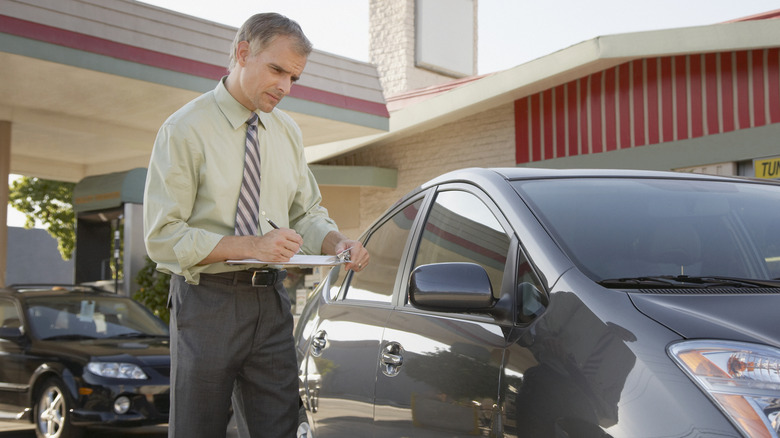
Renters should take wide-angle shots of all four sides of the vehicle to provide context. Following this, close-up photos should be taken of the "high-risk" zones: the lower front bumper (susceptible to curb rash), the rocker panels beneath the doors, and the rear bumper near the trunk loading area. Particular attention must be paid to the wheels and tires; scuffed rims are one of the most common damage charges. Finally, a photo of the roof is essential, as hail damage or overhead strikes are often overlooked during a quick walk-around.
Interior and Mechanical State
The interior requires its own set of evidence. Photograph the seats, the dashboard, and the carpets to document the absence of stains or cigarette burns. On the mechanical side, a clear photo of the instrument cluster is mandatory. This image should show the fuel level, the total odometer reading, and any active warning lights (such as a "Check Engine" or "Low Tire Pressure" light). This prevents disputes over refueling charges or claims that the driver ignored mechanical failures.
The "Back-Up" Strategy
Once the photos are taken, they should not simply sit on the phone’s local storage. Travelers should sync them to a cloud service (like iCloud, Google Photos, or Dropbox) or email them to themselves. This ensures that even if the phone is lost, stolen, or damaged during the trip, the evidence remains accessible. Some seasoned travelers even suggest emailing the photos directly to the rental company’s customer service alias as a "pre-emptive strike," though this is not strictly necessary unless damage is visible at pickup.
Supporting Data: The Cost of Negligence
Recent consumer data highlights why rental companies have become more aggressive in damage recovery. With the average cost of new vehicles rising, the "diminished value" of a rental fleet becomes a significant balance sheet concern. According to industry reports, "subrogation" (the process of recovering insurance money for damages) has become a multi-billion dollar revenue stream for the travel industry.
Furthermore, a study of consumer complaints filed with the Better Business Bureau (BBB) indicates that "unjustified damage charges" consistently rank among the top three grievances against major rental brands. In many cases, these charges are only reversed when the consumer produces photographic evidence that contradicts the company’s internal report.
Legal and Financial Implications
The implications of failing to document a rental go beyond a simple repair bill. If a rental company files a damage claim, it can also lead to:
- Increased Insurance Premiums: If the claim is processed through your personal auto insurance.
- Credit Card Complications: Many premium credit cards offer rental insurance, but they require strict documentation—including the original "check-out" report and photos—to honor a claim.
- Blacklisting: Some rental agencies maintain internal databases of "high-risk" renters. Multiple unresolved damage disputes can lead to a customer being banned from future rentals across a brand’s global network.
Conclusion: The New Standard of Travel
The evolution of the rental car industry toward automation and AI does not alleviate the need for personal diligence; it intensifies it. While drive-through imaging and AI comparisons are promising, they are currently tools for the company, not the consumer. Until these systems are transparent and provide instant, bilateral condition reports to both the agency and the renter, the smartphone camera remains the traveler’s most effective shield.
Taking five minutes to document a vehicle may seem like a nuisance at the end of a long journey, but in the context of a $1,000 damage claim, it is the most valuable five minutes a traveler can spend. In the modern landscape of "buyer beware" travel, a picture is not just worth a thousand words—it is often worth a thousand dollars.