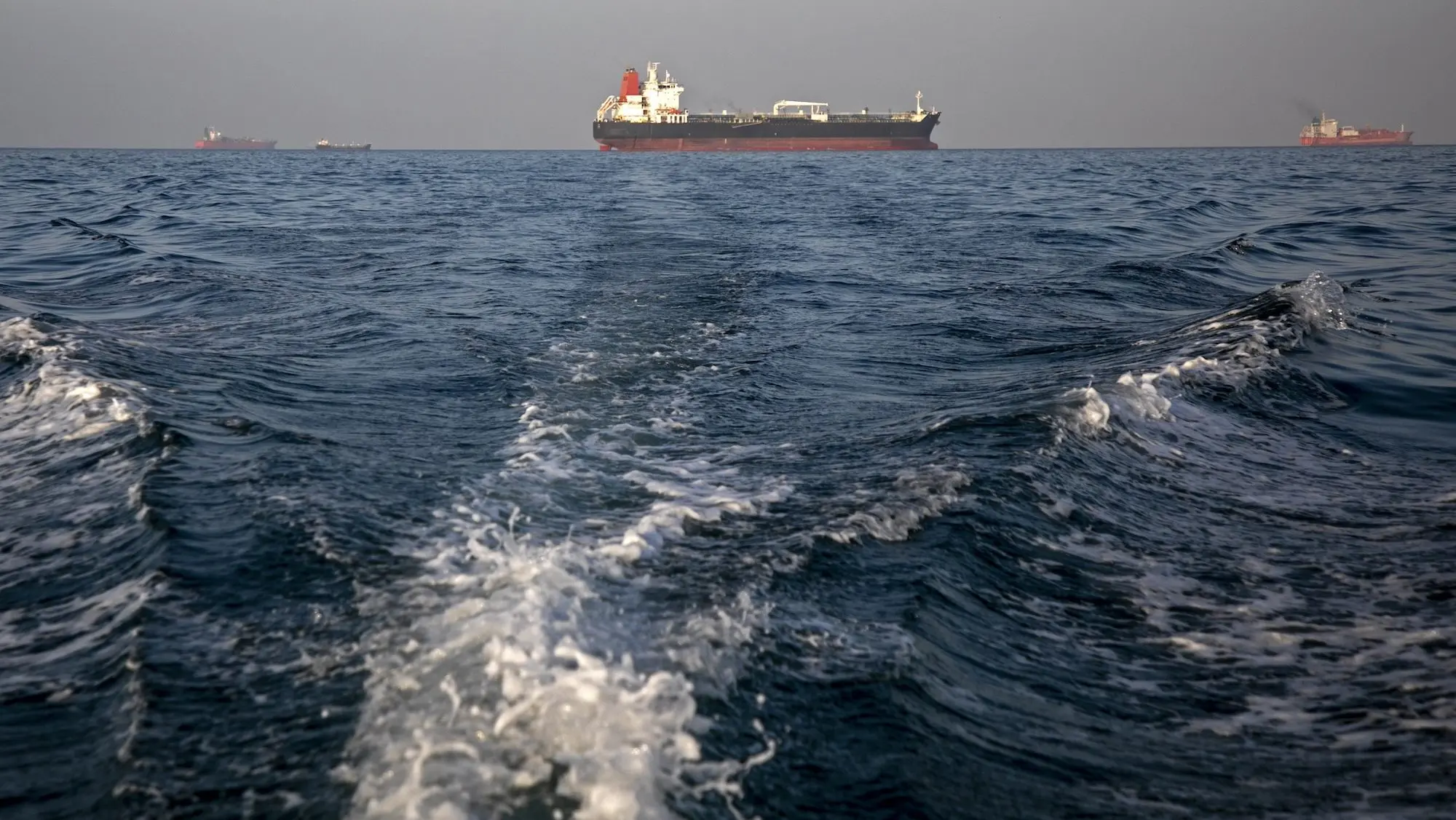
When the Strait of Hormuz first closed at the start of the 2026 Iran war, the international community braced for what many analysts described as the largest energy crisis in human history. Before the outbreak of hostilities between Iran and a joint military coalition led by the United States and Israel, nearly 20 percent of the world’s traded oil passed through this narrow, strategic waterway. Connecting the Persian Gulf to the Gulf of Oman, the strait serves as the primary artery for the global energy trade. Iran’s decision to implement a total blockade effectively erased 15 million barrels of oil per day from the global circulation almost overnight, sending shockwaves through every major stock exchange and commodity market.
In the immediate aftermath of the blockade, experts and financial institutions predicted a catastrophic collapse of the global economy. Australia prepared for the imminent implementation of fuel rationing, while the European airline industry warned of a total cessation of non-essential flights. Goldman Sachs issued dire warnings regarding widespread oil shortages, and the International Monetary Fund (IMF) cautioned that a global recession was not just possible, but likely. Traders in London and New York speculated that oil prices could skyrocket to $200 a barrel, a figure that would have tripled the cost of living for billions of people. However, four months into the conflict, the apocalyptic scenarios envisioned in early 2026 have largely been mitigated by a combination of strategic foresight, emergency intervention, and unprecedented shifts in consumer behavior.
A Chronology of the 2026 Energy Crisis
The crisis began in early 2026 following a series of escalations that led to a joint military operation by the United States and Israel against Iranian military infrastructure. In a swift retaliatory move, Tehran announced the closure of the Strait of Hormuz, declaring it a "forbidden zone" for commercial shipping. By the end of the first week, benchmark oil prices surged past $100 per barrel, prompting the International Energy Agency (IEA) to activate emergency protocols.
In mid-March, the IEA coordinated a historic release of strategic petroleum reserves (SPR). Over 30 countries, led by the United States, committed to releasing a total of 400 million barrels over a four-month period. This intervention provided a critical buffer, injecting liquidity into a market paralyzed by fear. Simultaneously, governments across Asia—the region most dependent on Middle Eastern crude—introduced aggressive energy-saving mandates, including remote work requirements and strict limitations on vehicle usage.
By April and May, global supply chains began to recalibrate. Oil producers in the Western Hemisphere and Northern Europe ramped up production to record levels, attempting to bridge the 15-million-barrel-per-day gap. Brent crude hit a yearly high of approximately $120 per barrel in May, reflecting ongoing fears of a prolonged conflict. A brief moment of hope emerged on June 17, when a tentative ceasefire was signed, briefly reopening the strait and causing prices to tumble back to $70. However, the agreement collapsed within weeks. By July, the conflict entered a second, more volatile phase, with prices stabilizing around $85 per barrel as the world adjusted to a "new normal" of restricted supply.
Diversifying the Global Oil Supply
The primary reason the world avoided a total economic meltdown was the rapid mobilization of alternative energy sources. When the Strait of Hormuz was shuttered, the global market lost access to the vast majority of Iranian, Iraqi, and Kuwaiti exports, as well as a significant portion of Saudi Arabian and Emirati production. To counter this, the world "scraped every corner" for substitute barrels.
The 400-million-barrel IEA release was equivalent to roughly 20 days of the total volume typically transported through the strait. While not a permanent solution, it bought time for production increases elsewhere. The United States, Venezuela, and Norway significantly increased their crude output during the first half of 2026. These nations redirected their exports to Asian markets that were previously captive to Persian Gulf suppliers. South Korea, for example, doubled its imports from the United States between February and April, successfully replacing a large portion of its lost Middle Eastern shipments.
Infrastructure flexibility also played a vital role. Both Iraq and Saudi Arabia possess land-based pipelines that can bypass the Strait of Hormuz, terminating at ports on the Red Sea and the Mediterranean. By operating these pipelines at maximum capacity, exporters were able to route more than 6 million barrels per day around the blockade, significantly softening the blow to global markets.
The Role of China and the Pivot to Conservation
China, as the world’s largest importer of crude oil, played an unexpected role in stabilizing the global market. Rather than competing for limited supplies and driving prices higher, Beijing initiated what analysts called a "crash diet." The Chinese government halted purchases for its own strategic reserves and temporarily shuttered several domestic refineries.
To maintain its power grid, China aggressively pivoted to domestic coal production and accelerated its deployment of solar and wind energy. These measures freed up approximately 5 million barrels of oil per day for the rest of the world. While this transition was driven by necessity, it demonstrated the potential for large economies to decouple from oil reliance during periods of extreme geopolitical stress.
Beyond China, more than 100 countries enacted conservation measures. In Southeast Asia and South Asia, the response was particularly robust. The Philippines, Pakistan, and Sri Lanka transitioned to four-day work weeks to reduce commuting demand. Myanmar implemented an "even-odd" license plate system, restricting gas-powered vehicles to driving every other day. Bangladesh took the step of limiting air conditioning temperatures in public buildings to 77 degrees Fahrenheit and closing university campuses to save electricity. In Europe, the Netherlands and Sweden used the crisis to accelerate their green transitions, offering subsidies for electric vehicles and slashing public transportation fares to discourage car use.
Secondary Impacts and Economic Disruption
While the world avoided a total collapse, the four-month blockade has not been without significant cost. The "energy-saving" measures in developing nations often translated into lost livelihoods. In Myanmar, the lack of affordable fuel forced taxi drivers out of business and even impacted essential services like funeral homes.
The crisis also extended beyond the gas pump. The Strait of Hormuz is a critical transit point for liquefied natural gas (LNG) and industrial commodities such as helium and sulfur. Shortages of these materials have fueled broader inflation, affecting the production of everything from semiconductors to fertilizers. Analysts at the International Food Policy Research Institute (IFPRI) have warned that a lack of fertilizer during the 2026 planting season could lead to reduced crop yields and a secondary global food crisis later in the year.
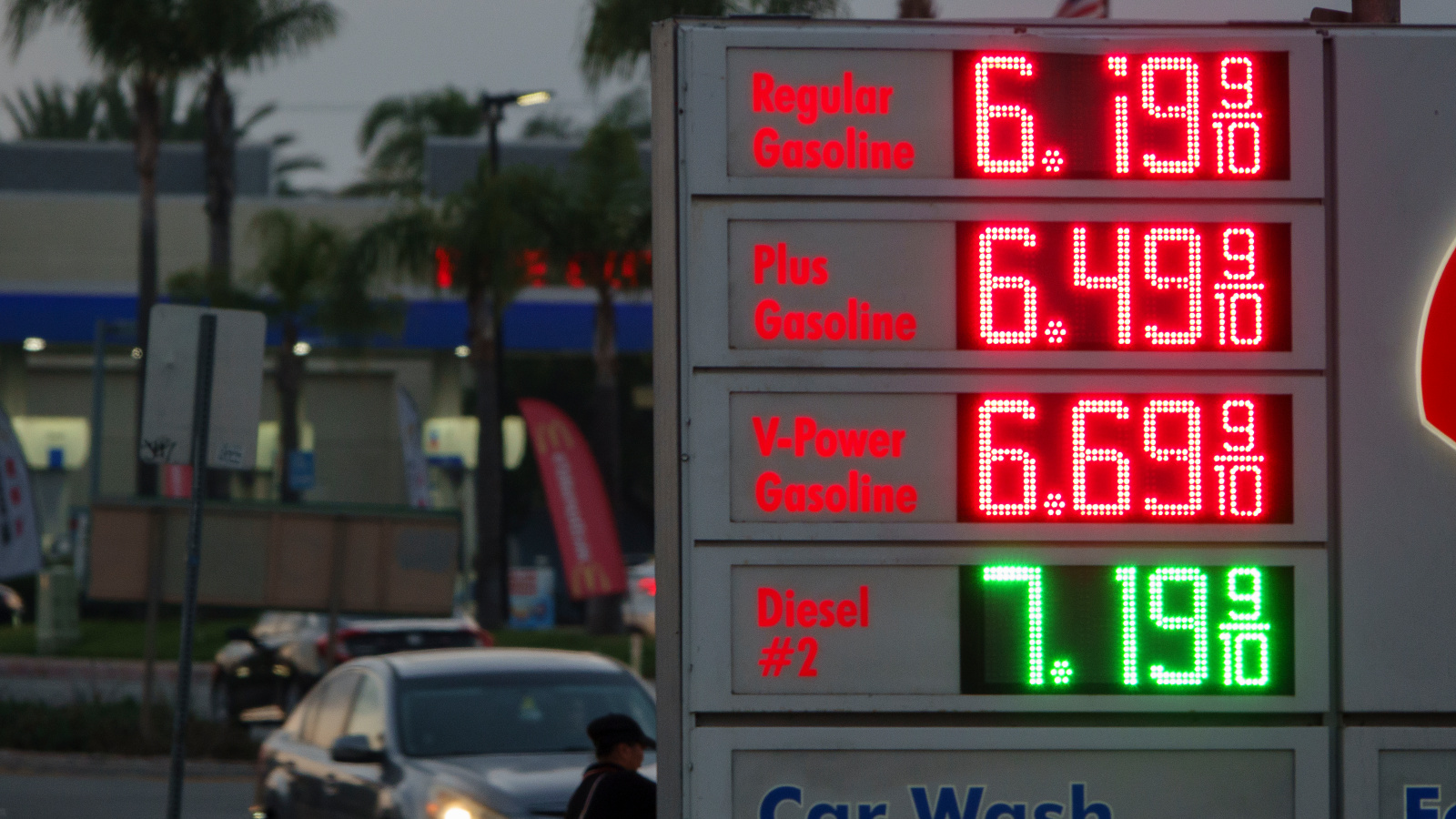
Even in the United States, the ripple effects are visible. While crude oil supply remained relatively stable, refinery dynamics shifted. To meet the urgent global demand for jet fuel and diesel, refineries reduced their output of gasoline. As the U.S. entered the peak summer driving season, gasoline inventories hit a ten-year low, keeping prices at the pump stubbornly high despite the stabilization of crude prices.
Hormuz 2.0: The Risks of a Prolonged Conflict
As the conflict enters its second phase following the collapse of the June ceasefire, the "tricks" used to stabilize the market in the first round are reaching their limits. Bob McNally, founder of Rapidan Energy Group and a former advisor to the George W. Bush administration, warns that the world is now entering "Hormuz 2.0," a period characterized by even greater volatility.
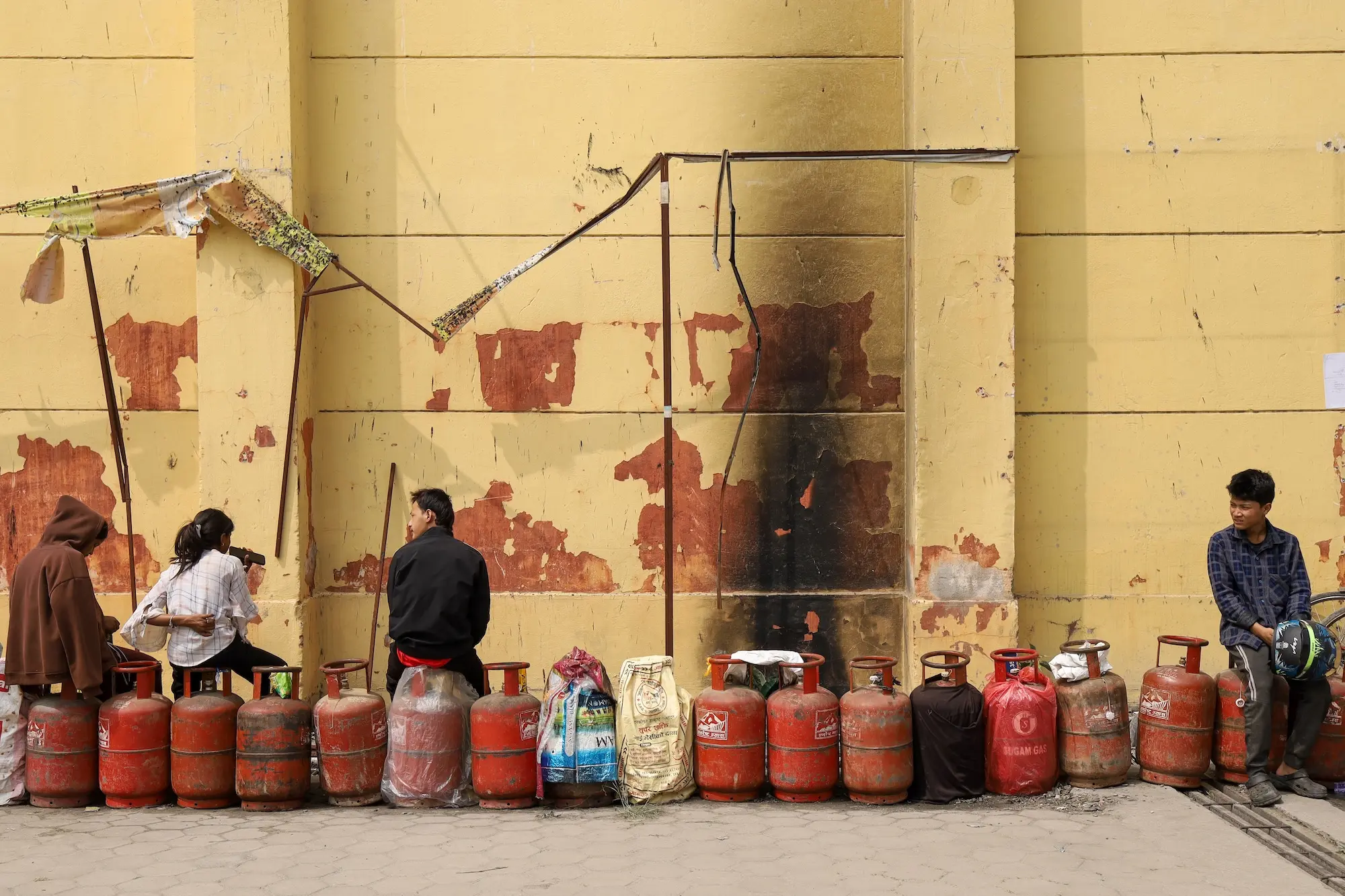
The strategic buffers that protected the global economy in early 2026 are nearly exhausted. The U.S. Strategic Petroleum Reserve has been drawn down to its lowest level in decades, with engineers warning that the physical infrastructure of the salt caverns used to store the oil is beginning to show signs of structural fatigue from frequent withdrawals. Furthermore, China has ended its "crash diet" and is returning to the market to replenish its own stocks, adding significant upward pressure on demand.
"Hormuz 1.0 was about supply and inventory," McNally noted in a recent briefing. "In Hormuz 2.0, prices will have to do more of the work. And they have to go really high, because the problem is demand is inelastic—you’ve got to eat."
The fundamental mismatch between supply and demand remains unresolved. While the world proved surprisingly resilient during the first four months of the 2026 Iran war, the lack of a diplomatic resolution suggests that the most difficult period may still lie ahead. Without the buffer of strategic reserves, the global economy is now directly exposed to the whims of the conflict. If the blockade continues through the end of the year, the "catastrophic consequences" predicted in January may yet become a reality, forcing a more permanent and painful restructuring of the global energy landscape.