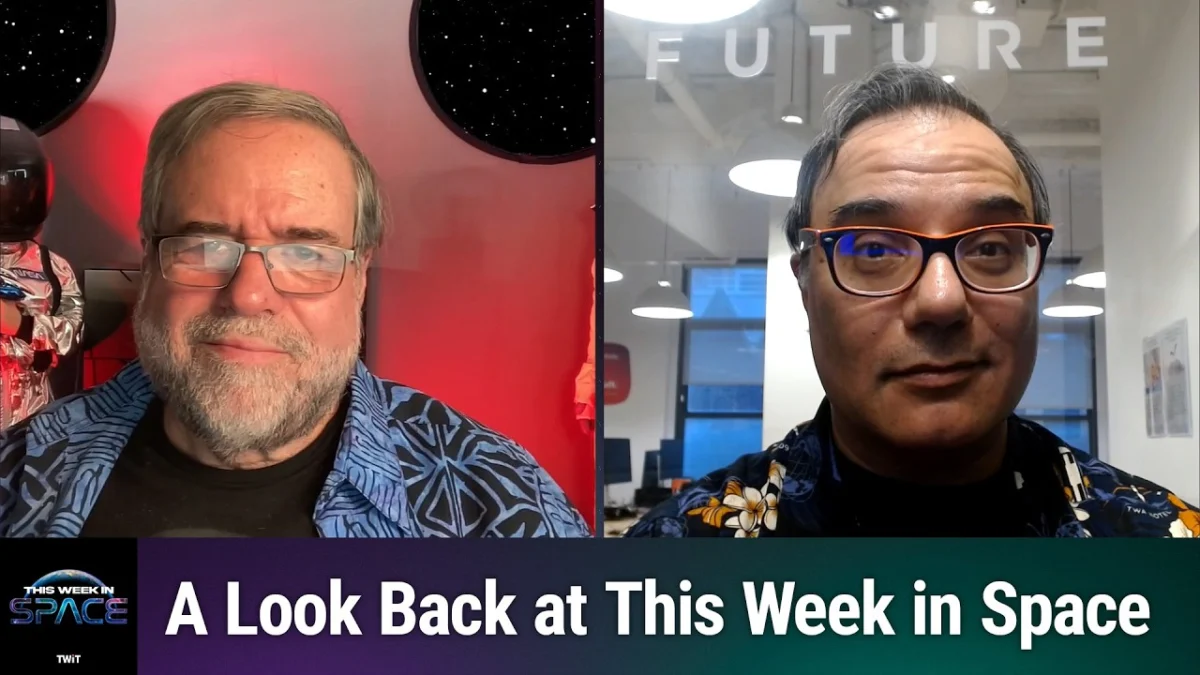
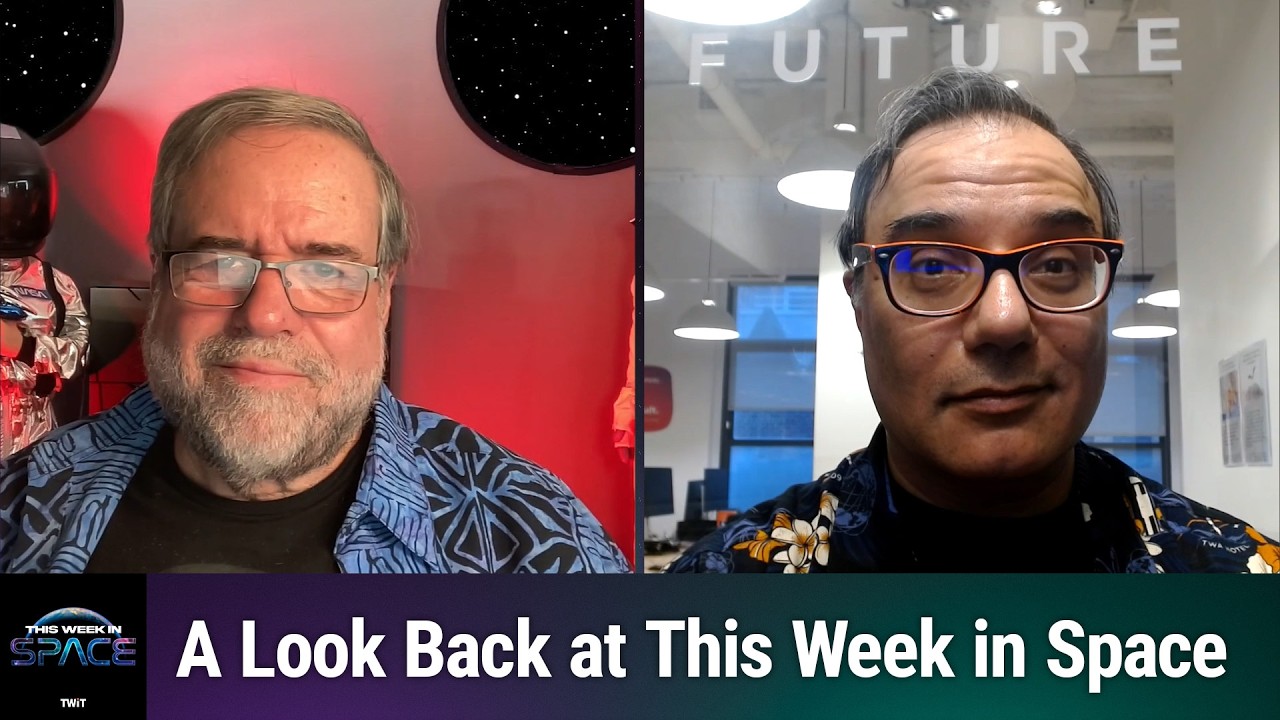
After a stellar run covering the modern renaissance of aerospace engineering, lunar exploration, and interplanetary travel, the popular podcast This Week In Space has officially signed off. Episode 237 marked the final broadcast of the show under its current banner on the TWiT network. Co-hosts Tariq Malik, Editor-in-Chief of Space.com, and space author and historian Rod Pyle closed out the milestone installment with a retrospective look at humanity’s greatest achievements in orbit, a collection of signature space jokes, and a montage of the podcast’s funniest outtakes.
While the conclusion of this chapter marks a poignant moment for the space enthusiast community, the hosts have assured listeners that the hiatus is only temporary. Malik and Pyle are actively laying the groundwork to relaunch the program in a new venue by early 2027. Dedicated followers of the show can continue to track production updates and engage with the hosts through social media channels on Instagram and Facebook under the handle @rodandtariq.
The Genesis and Evolution of This Week In Space
This Week In Space was conceptualized and launched to meet a surging public appetite for accessible, highly informed commentary on the dawn of the New Space age. As private aerospace corporations, government space agencies, and international coalitions began aggressively targeting return missions to the Moon and laying the conceptual groundwork for crewed expeditions to Mars, the media landscape required a dedicated weekly digest to break down complex astronomical developments.
From its early beta phases through to its 237th published installment, the podcast established a loyal listenership by blending hard-hitting science journalism with lighthearted banter. The chemistry between Malik, a veteran science journalist with deep roots in human spaceflight reporting, and Pyle, a prolific author, television producer, and historian, provided audiences with an authoritative yet deeply entertaining weekly briefing. Over the years, the show dissected everything from James Webb Space Telescope discoveries and Artemis mission milestones to the rapid cadence of commercial rocket launches and the geopolitical implications of modern orbital infrastructure.
A Look Back at the Milestone Run
The mathematics of the show’s production schedule highlight the immense dedication of its creators. Producing approximately 240 episodes—including initial development and beta releases—demanded a rigorous commitment to weekly research, scriptwriting, recording, and post-production. Each Friday afternoon, the podcast arrived in the feeds of space enthusiasts worldwide, offering deep dives into pivotal aerospace events.
Throughout its broadcast history, This Week In Space served as an audio chronicle of a transformative era in human history. The show captured the transition from the post-Space Shuttle lull to the bustling multi-nation, multi-corporate orbital ecosystem of the 2020s. Listeners relied on Malik and Pyle to parse technical press releases, evaluate the feasibility of ambitious deep-space timelines, and contextualize failures and triumphs in real time.
Bringing the Cosmos Home: The Estes Model Falcon 9
Coinciding with the final broadcast, the podcast highlighted a tangible piece of aerospace history that fans can bring directly into their own homes. Model rocket manufacturer Estes recently unveiled a museum-grade, highly detailed scale model of the SpaceX Falcon 9 rocket.
Retailing at $149.99, the launchable model is engineered to provide hobbyists with a meticulously accurate recreation of the world’s most flown orbital-class booster. Partnerships coordinated through collectSPACE.com allow enthusiasts to secure a 10% discount on the product by applying the promotional code IN-COLLECTSPACE at checkout. The introduction of such models underscores the broader cultural impact of commercial spaceflight, bridging the gap between professional aerospace engineering and public engagement.
Meet the Hosts: Profiles in Space Journalism and History
The credibility and engaging tone of This Week In Space were driven largely by the extensive professional backgrounds of its co-hosts, both of whom have dedicated their careers to chronicling humanity’s expansion beyond Earth.
Tariq Malik has served as the Editor-in-Chief of Space.com since 2019, steering the digital publication’s editorial vision and coverage of global space exploration, astronomy, and science. With a career in space journalism spanning 18 years, Malik joined Space.com in 2001, initially working as an intern before transitioning to a full-time spaceflight reporter. He advanced to managing editor in 2009. Beyond his written journalism, Malik is a recognized television and radio commentator, having delivered live analysis on major networks including CNN, Fox News, and NPR. His personal background reflects a lifelong dedication to the discipline: he is an Eagle Scout who earned the Space Exploration merit badge, a four-time youth attendee and adult graduate of Space Camp, and a participant in zero-gravity parabolic flight research. He holds journalism degrees from the University of Southern California and New York University.
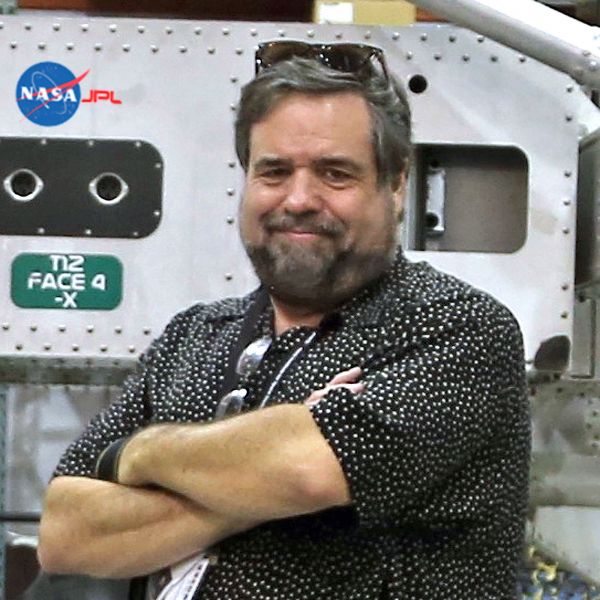
Co-host Rod Pyle brings a wealth of historical context, literary achievement, and media production experience to the table. Pyle is an accomplished author, journalist, television producer, and the Editor-in-Chief of Ad Astra magazine. Having authored 18 books focusing on space history, exploration, and policy—including notable works such as Space 2.0, Innovation the NASA Way, Interplanetary Robots, Blueprint for a Battlestar, Amazing Stories of the Space Age, First On the Moon, and Destination Mars—he is widely regarded as an authority on aerospace heritage. His television production credits include extensive work for The History Channel, Discovery Communications, and Disney, alongside visual effects contributions to Star Trek: Deep Space Nine, the Battlestar Galactica reboot, and National Geographic’s documentary adaptation of Tom Wolfe’s seminal book, The Right Stuff.
The Broader Implications of the Hiatus
The temporary departure of This Week In Space leaves a momentary void in the weekly aerospace audio ecosystem, highlighting the challenges independent science communication faces in a rapidly shifting digital media environment. Shows dedicated entirely to the nuances of space policy, rocketry, and planetary science require substantial editorial investment and expert curation.
However, the announced return timeline for early 2027 indicates that the hiatus is strategic rather than absolute. As the aerospace sector prepares for pivotal milestones—including crewed lunar landings under the Artemis program, the expansion of commercial space stations in low Earth orbit, and ongoing robotic investigations of Mars and the outer solar system—the demand for high-caliber, accessible space journalism remains higher than ever.
As Malik and Pyle transition behind the scenes to prepare their next broadcasting venture, the legacy of This Week In Space remains cemented as a vital audio archive of the early New Space era. Listeners are encouraged to preserve their subscriptions, monitor updates via social media channels, and revisit the extensive catalog of past episodes while anticipating the show’s eventual return to the digital airwaves.