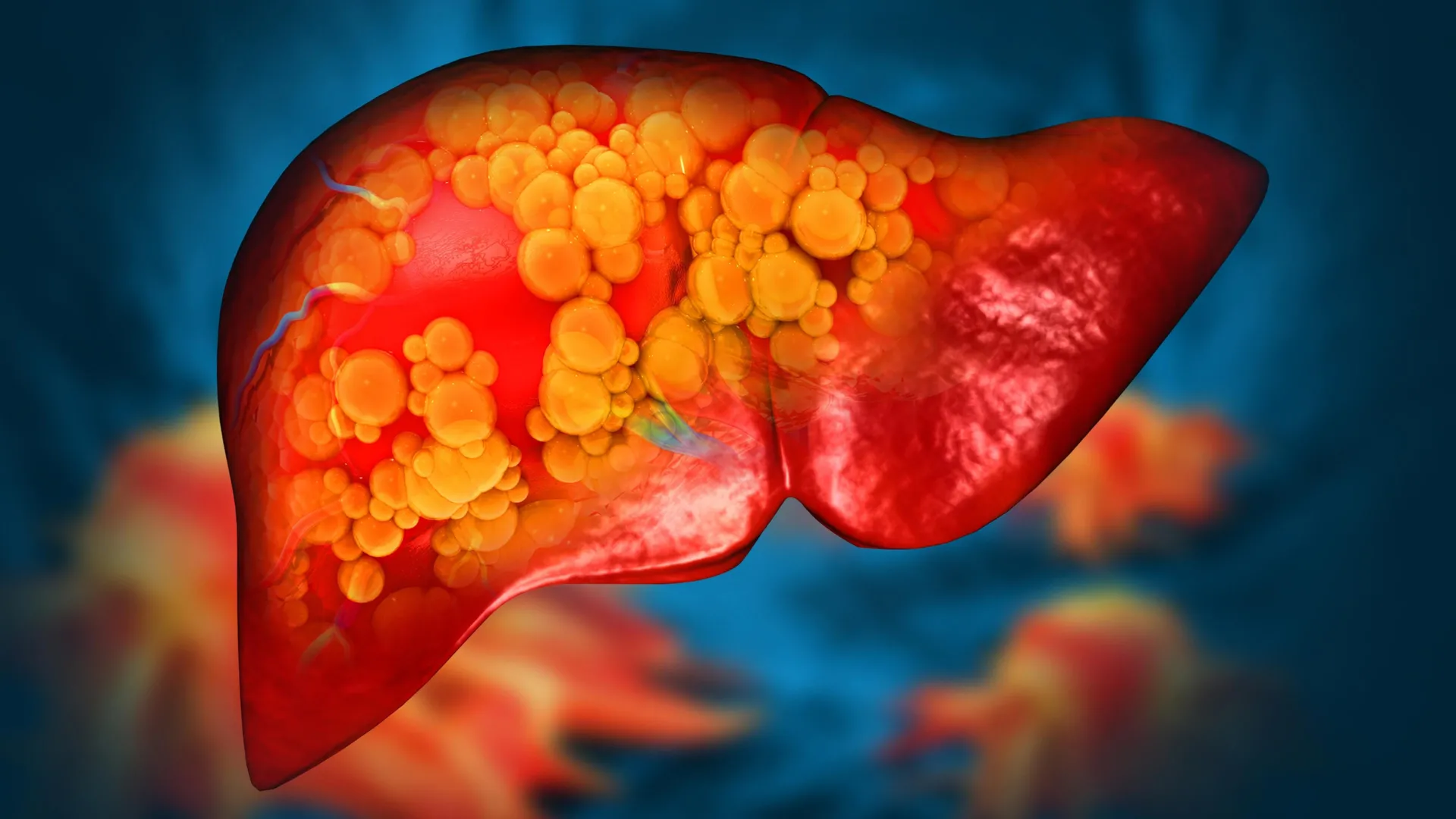
Recent findings published in the esteemed scientific journal Cell Metabolism have introduced a compelling perspective to the ongoing dialogue surrounding nutrition, weight loss, and chronic metabolic disease. Conducted by a team of researchers at the Washington University School of Medicine in St. Louis, Missouri, a rigorously controlled clinical trial has demonstrated that a very low-carbohydrate, high-fat ketogenic diet confers exceptional health benefits that extend far beyond simple weight reduction. While participants across three distinct dietary regimens—ketogenic, Mediterranean, and low-fat—shed roughly equivalent amounts of weight over a four-to-five-month period, those adhering to the ketogenic protocol experienced substantially greater reductions in hepatic fat, alongside remarkable improvements in blood glucose management and prediabetes remission rates.
The implications of this study arrive at a critical juncture in public health. With approximately 40 percent of American adults currently classified as having obesity, medical professionals face an escalating prevalence of related complications, including type 2 diabetes mellitus, non-alcoholic fatty liver disease (NAFLD), and metabolic syndrome. While conventional medical advice has historically emphasized caloric restriction and general weight loss as the primary mechanisms for mitigating these risks, this latest research suggests that the nutritional composition of what we eat plays an independent and highly potent role in altering human metabolism.
Chronology and Design of the Controlled Trial
To untangle the complex variables connecting dietary composition, weight loss, and metabolic health, lead researcher Dr. Samuel Klein and first author Dr. Max Petersen designed a meticulously controlled clinical trial. Recognizing the inherent limitations of free-living dietary studies—where participant compliance and self-reporting often introduce significant error—the research team implemented an exceptionally rigorous methodology.
The study recruited 42 adult participants who presented with clinical obesity, prediabetes, and fatty liver disease. Prediabetes is clinically defined as a state wherein blood glucose levels exceed normal parameters but remain below the diagnostic threshold for full-scale type 2 diabetes. Fatty liver disease, meanwhile, is characterized by the pathological accumulation of triglycerides within hepatocytes, which critically impairs the liver’s capacity to regulate systemic metabolism and energy homeostasis.
Following recruitment, participants were randomly assigned to one of three distinct eating patterns: a ketogenic diet, a Mediterranean diet, or a plant-forward, low-fat diet. To eliminate variables related to food acquisition and preparation, the research team supplied every single meal consumed by the participants for the duration of the trial. Furthermore, subjects participated in weekly consultations with a registered dietitian to ensure strict adherence to the assigned protocols.
The macronutrient distributions of the three diets were starkly differentiated:
- The ketogenic diet restricted carbohydrates to a mere 4 percent of daily caloric intake, while fat supplied 73 percent.
- The Mediterranean diet allocated 50 percent of calories to carbohydrates and 35 percent to fat, emphasizing plant-based foods such as vegetables, nuts, and extra virgin olive oil alongside moderate quantities of fish and dairy.
- The low-fat, plant-forward diet derived 70 percent of its calories from carbohydrates and only 15 percent from fat.
Crucially, the investigators individually calibrated the caloric intake of each participant across all three groups with the explicit goal of achieving a uniform weight loss target of approximately 10 percent of their baseline body weight. This targeted reduction required a timeframe of roughly four to five months for completion. By standardizing the magnitude of weight loss across the cohorts, the researchers created an ideal experimental environment to isolate whether different dietary compositions exerted unique metabolic effects independent of the pounds shed.
Striking Divergence in Hepatic and Metabolic Outcomes
Upon the conclusion of the intervention period, all participants had achieved meaningful reductions in total body fat and demonstrated measurable enhancements in insulin sensitivity—the physiological process by which cells respond to the hormone insulin to clear glucose from the bloodstream. However, despite these shared milestones, the clinical trajectories of the three groups diverged sharply when researchers evaluated liver function and glycemic control.
The most dramatic finding centered on hepatic fat accumulation. Participants in the ketogenic diet group achieved an average reduction in liver fat of 67 percent. By comparison, individuals in both the Mediterranean and low-fat diet groups experienced a 45 percent reduction. Because the degree of weight loss was comparable across all cohorts, this substantial disparity provides robust evidence that carbohydrate restriction influences intrahepatic lipid metabolism through biochemical mechanisms that operate entirely independently of weight reduction.
To investigate the underlying physiological drivers of this phenomenon, the research team gathered continuous blood samples over extended 24-hour periods. These serial blood draws allowed investigators to map fluctuations in key hormones governing energy metabolism and lipid storage.
The analysis revealed that the ketogenic group exhibited the most pronounced elevation in glucagon, a pancreatic hormone that antagonizes insulin, stimulates hepatic energy expenditure, and actively promotes the mobilization and clearance of fat stored within the liver. Concurrently, the ketogenic cohort displayed the largest reduction in circulating insulin levels. Lower systemic insulin concentrations create an internal physiological environment that favors the oxidation of fatty acids rather than their storage, directly explaining the massive clearance of liver fat observed in these patients.
Addressing the Cholesterol Paradox
One of the most persistent concerns among clinicians and nutritional scientists regarding high-fat diets—particularly those rich in animal-derived saturated fats—has been their potential to adversely alter lipid profiles, thereby increasing cardiovascular risk. Given that the ketogenic participants derived nearly three-quarters of their daily calories from dietary fat, researchers maintained heightened vigilance regarding potential spikes in serum lipids.
However, the trial yielded a counterintuitive and reassuring result. Despite the massive influx of dietary fat, participants in the ketogenic group did not experience clinically significant elevations in blood fat or serum cholesterol levels over the course of the intervention.
"The most surprising finding was that participants in the ketogenic diet group didn’t experience an increase in blood fat or cholesterol levels despite consuming the most fat," noted Dr. Max Petersen, echoing the sentiment of the investigative team. This observation challenges long-held generalized assumptions regarding the universal atherogenicity of high dietary fat intake when calories are controlled and substantial metabolic improvements are concurrently achieved.
Reversing Prediabetes: A Transformative Glycemic Milestone
Beyond the profound clearance of liver fat, the clinical benefits of the ketogenic diet manifested powerfully in systemic glycemic control. Following the four-to-five-month intervention, approximately 50 percent of the participants assigned to the ketogenic diet no longer met the diagnostic criteria for prediabetes.
To contextualize this achievement, the milestone of returning blood glucose markers below the prediabetes threshold was reached by 29 percent of participants on the Mediterranean diet, and by only 7 percent of those following the low-fat, plant-forward dietary regimen.
While researchers are careful to note that moving below the prediabetes diagnostic threshold does not constitute a permanent biological cure, it represents a clinically vital reduction in lifetime risk for developing full-blown type 2 diabetes and its associated microvascular and macrovascular complications. The profound divergence in prediabetes remission rates—despite identical weight loss across cohorts—underscores the hypothesis that dietary macronutrient composition exerts a direct, targeted influence on glucose homeostasis and insulin dynamics.
Contextualizing the Findings in Modern Obesity Therapeutics
The publication of these findings occurs during a transformative era in the management of obesity and metabolic disease. In recent years, the advent of incretin-based pharmacotherapies, specifically GLP-1 (glucagon-like peptide-1) receptor agonist medications, has revolutionized clinical practice. These potent drugs, which mimic natural gut hormones to regulate appetite and enhance glucose-dependent insulin secretion, allow many patients to achieve unprecedented amounts of weight loss with relative ease.
Yet, the Washington University study highlights an increasingly recognized nuance in modern clinical medicine: weight loss and metabolic restoration, while closely intertwined, are distinct physiological processes.
"GLP-1-based medications have revolutionized the therapy of obesity. We now have a very effective pharmacotherapy for achieving significant weight loss," Dr. Petersen observed. "But in addition, our study shows that the specific composition of the diet can give you added benefits."
As powerful medications increasingly solve the mechanical challenge of weight reduction, optimizing nutritional quality and dietary composition may serve as an essential complementary strategy to maximize improvements in specific organ health, such as reversing hepatic steatosis and restoring normal glycemic control.
Implications, Limitations, and Future Directions
While the results of this clinical trial offer promising avenues for nutritional therapy, independent experts and the study authors themselves emphasize the need for careful interpretation. The trial was intentionally designed as a short-term, highly controlled mechanistic investigation involving a relatively small cohort of 42 participants over a span of four to five months.
Consequently, several critical questions remain open for future research. Foremost among these is the question of long-term sustainability and safety. Adhering to a ketogenic diet—which severely restricts whole food groups such as certain fruits, grains, and starchy vegetables—can prove socially and behaviorally challenging for patients over multi-year periods. Furthermore, while short-term lipid profiles remained stable in this cohort, determining the longitudinal cardiovascular impact of a high-fat diet over decades requires large-scale, long-term epidemiological and interventional studies.
Additionally, future investigations will need to examine whether the metabolic advantages observed in this study translate across broader, more diverse populations, including individuals without baseline metabolic dysfunction, or those with varying genetic predispositions to lipid metabolism disorders.
Despite these recognized limitations, the research—generously supported by grants from the National Institutes of Health (NIH) and the Foundation for Barnes-Jewish Hospital—provides foundational, high-quality clinical data. By demonstrating that specific dietary structures can alter hepatic fat and prediabetes status independently of weight loss, the study challenges one-size-fits-all paradigms in nutritional science and paves the way for more personalized, targeted dietary prescriptions in the ongoing fight against metabolic disease.