The legal battle surrounding Alaska’s fiercely contested Senate race escalated significantly this weekend as the Alaska Attorney General’s Office officially filed a motion to dismiss a federal lawsuit brought by the United States Department of Justice. The DOJ’s legal action attempts to halt the certification of a prospective Democratic victory, centering its arguments on the unique ballot presence of an independent candidate named Daniel J. Sullivan. This independent candidate shares the exact first and last name of the incumbent Republican senator, Dan S. Sullivan, creating a rare and volatile electoral conflict that has drawn national scrutiny just days before the conclusion of the 2026 midterm elections.
In its filing submitted to U.S. District Judge Sharon Gleason, the Alaska Attorney General’s Office asserted that the federal government’s lawsuit possesses "no legal basis," urging the court to dismiss what it characterized as a meritless challenge designed to interfere with state-run elections. Furthermore, the state argued that the specific remedies demanded by federal prosecutors—including the segregation and potential invalidation of ballots—are entirely inappropriate and legally untenable given the constitutional and statutory protections guaranteeing Alaskan voters their vital right to ballot secrecy. Judge Gleason established a strict Saturday deadline for final legal arguments regarding the dismissal motion, setting the stage for an expedited judicial decision that could dictate the immediate aftermath of election night.
The controversy originated from a civil lawsuit filed by the Justice Department earlier in the week, which sought to block the formal certification of election results if the incumbent Republican senator loses. The DOJ’s argument relies on the premise that the presence of the second Daniel J. Sullivan violates the National Voter Registration Act by inducing widespread voter confusion. State election officials countered these claims in their Saturday filing, maintaining that the state meticulously designed the ballot layout to minimize confusion, clearly distinguishing the incumbent by labeling him with his official title and party affiliation, whereas the independent candidate stands alone.
The Genesis of the Controversy and Investigations
The debate over the dual-Sullivan ballot intensified following investigative reporting by The New York Times, which revealed that political operatives associated with the campaign of Democratic Senate candidate Mary Peltola allegedly helped recruit the independent Daniel J. Sullivan—a retired schoolteacher from Petersburg, Alaska—to enter the race. The reported strategy aimed to siphon conservative votes away from the incumbent Republican. Representative Peltola has repeatedly and vehemently denied any personal knowledge or involvement in the alleged candidate recruitment scheme, stating publicly during a campaign rally in Juneau that she knew nothing about any other candidates on the ballot besides herself and the incumbent.
Despite Peltola’s denials, the ramifications of the ballot controversy have triggered profound legal and administrative fallout. Earlier in the year, Alaska election officials initially ruled Daniel J. Sullivan ineligible to appear on the ballot, characterizing his candidacy as a deliberate attempt to manipulate voters rather than a good-faith run. However, that administrative decision was swiftly overturned by the Alaska Supreme Court, which upheld a lower court ruling determining that the state’s "good faith" standard lacked a foundation in the state constitution, election statutes, or the division’s own regulations.
Parallel to the civil proceedings, the Justice Department has launched a sprawling criminal investigation into the Alaska Senate race, issuing numerous subpoenas to Democratic officials and campaign workers. Michael Heyman, the U.S. Attorney for the District of Alaska, described the revelations surrounding the independent candidate’s recruitment as "troubling," confirming a significant influx of federal law enforcement resources into the state. However, federal prosecutors have declined to specify the exact legal theories or potential criminal statutes under which the investigation is being conducted, maintaining that authorities are merely examining whether any laws were violated.
National Political Landscape and Early Voting Trends
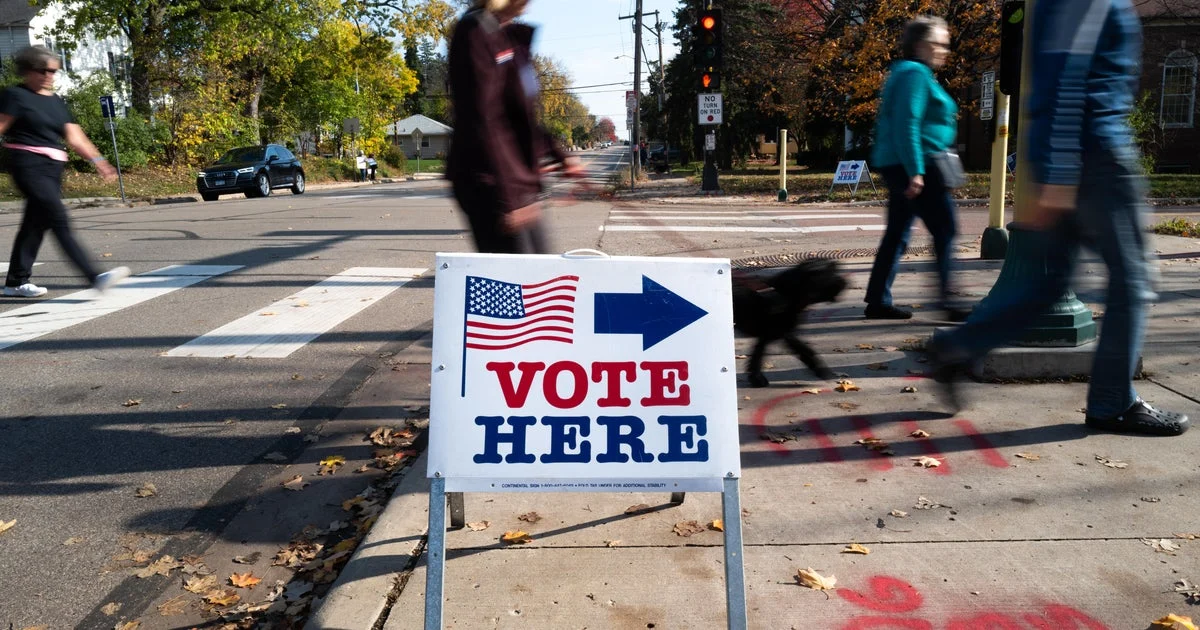
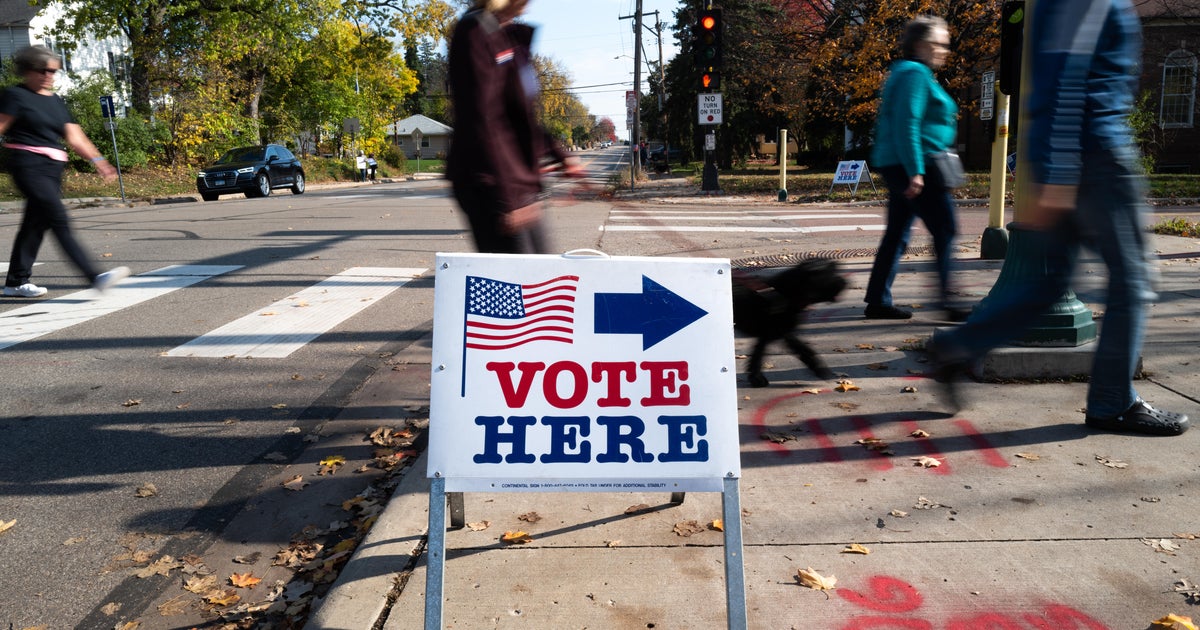
While the legal drama unfolds in Alaska, the broader 2026 midterm elections are witnessing unprecedented levels of civic participation. Data compiled by the University of Florida’s Election Lab indicates that nearly 50 million Americans have already cast their ballots nationwide as of Friday evening. Out of the approximately 49.5 million total early votes recorded, over 26.8 million voters participated through in-person early voting, while nearly 22.9 million ballots were returned via mail. These figures underscore a high-turnout election cycle, even as logistical and legal hurdles persist across several key battleground states.
The national electoral map has grown increasingly volatile in the final stretch. The CBS News data desk recently expanded its tracking of Senate battlegrounds to 11 competitive races. Among these, five states are classified as dead heats or toss-ups—Maine, Michigan, Ohio, Texas, and Alaska—while three lean toward the Republican Party (Iowa, Kansas, and South Carolina) and three lean toward Democratic contenders (Georgia, North Carolina, and New Hampshire).
In Texas, the political climate remains exceptionally tense. Senator Ted Cruz issued a stark warning to conservative voters on his podcast, cautioning that historic early voting turnouts favoring Democrats could lead to a sweeping defeat for the Republican Party across both chambers of Congress and jeopardize the entire statewide Texas ticket. Concurrently, Democratic gubernatorial nominee Gina Hinojosa and Senate hopeful James Talarico have maintained an aggressive get-out-the-vote campaign, utilizing targeted advertising during major cultural and sporting events—such as a Spanish-language ad during a high-profile boxing match—to capture vital Hispanic male voters.
Federal Oversight and Intergovernmental Friction
The Justice Department’s aggressive posture in Alaska reflects a broader, nationwide effort by federal authorities to scrutinize voter rolls and ballot administration. On Friday, the DOJ confirmed in a federal court filing that it had dispatched formal letters to all 50 states reminding local election administrators of their statutory obligation to preserve election records for a mandatory 22-month period following federal elections.
This disclosure emerged from a lawsuit initiated by national Democratic committees and congressional leaders challenging federal pressure on states to remove allegedly ineligible voters from registration lists. The government acknowledged that agencies such as the Department of Homeland Security and the DOJ contacted election officials in California, Nevada, Pennsylvania, New Jersey, and Washington regarding preliminary voter eligibility analyses.
Nowhere has this intergovernmental friction been more pronounced than in California. A federal appeals court recently delivered a decisive legal setback to the Trump administration when a 9th Circuit panel voted 2-1 to reject a DOJ request compelling California election officials to set aside and delay counting roughly 20,000 mail ballots belonging to individuals flagged as potential non-citizens. The appellate ruling affirmed a lower court decision by U.S. District Judge Trina Thompson, which warned that attempting to segregate specific ballots on short notice could cause catastrophic systemic failures and lead to the mass disenfranchisement of lawful American citizens. The ruling followed a separate order by Judge Thompson barring federal authorities from threatening state and local election workers with criminal prosecution over ballot processing disputes.
Intra-Party Tensions and Final Campaign Maneuvers
As the campaign clock winds down, candidates across the country are navigating complex intra-party dynamics and shifting logistics. In Michigan, the high-stakes Senate contest between Democratic nominee Abdul El-Sayed and Republican challenger Mike Rogers has been complicated by public friction within the Democratic coalition. El-Sayed’s campaign requested that his former primary rival, Representative Haley Stevens, refrain from participating in remaining joint campaign events after Stevens publicly demanded that El-Sayed apologize for past statements regarding U.S. policy toward Israel and disavow outside PAC advertising. Despite the public rift, both candidates face immense pressure to consolidate their base ahead of Tuesday.
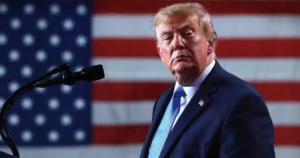
Meanwhile, presidential schedules have undergone abrupt revisions. President Trump reversed earlier decisions to cancel in-person rallies, announcing plans to travel to Iowa and Kansas on Sunday to bolster struggling Republican Senate candidates navigating tightening polls. These rallies follow a multi-state campaign blitz that included stops in South Carolina to support Senator Darline Graham and Florida to rally conservative voters.
With millions of votes already tabulated and final legal battles playing out in federal and state courts, the 2026 midterm elections stand at a critical juncture. The resolution of the dual-Sullivan dispute in Alaska, alongside ongoing judicial rulings regarding federal oversight of state voting procedures, will leave a lasting imprint on the American electoral landscape and determine the balance of power in Washington for the remainder of the decade.