Throughout the history of science fiction storytelling across film, television, literature, and interactive media, the trope of the derelict, abandoned, or heavily compromised spacecraft has served as a primary vehicle for psychological tension and narrative dread. While real-world space exploration treats deep space as a vacuum requiring extreme precision and quarantine protocols, fictional narratives frequently introduce vessels that violate these safety standards. Scavengers, corporate operatives, and exploratory crews routinely bypass warning beacons, distress signals, and quarantine advisories to board compromised vessels. This recurring narrative device allows creators to explore themes of hubris, biological contamination, corporate greed, and the existential terror of the unknown. An examination of nine prominent fictional spaceships highlights the enduring narrative framework of the haunted or infested vessel across multiple decades of speculative fiction.
Thematic Precedents and Industry Implications
The presentation of derelict spacecraft in popular media generally adheres to specific structural patterns. Typically, a vessel is introduced as having a high functional value—such as a mining platform, a research ship, or a military transport—before its operational status is upended by an internal catastrophe, biological contamination, or supernatural phenomenon. The arrival of a secondary crew serves to expose the underlying disaster, functioning as a narrative mechanism for exposition and escalation.
From an industry perspective, these settings offer distinct advantages for writers and directors. Confined spaces, failing life support systems, and restricted visibility naturally heighten tension, allowing creators to manage pacing and atmosphere effectively. Furthermore, the inclusion of corporate oversight or scientific ambition as the primary catalyst for disaster introduces social commentary regarding the ethics of exploration and industrial expansion.
Chronological Overview of Derelict Vessels in Speculative Media
The evolution of the haunted spaceship trope spans significant developments in special effects, narrative complexity, and genre blending.
Mid-20th Century Foundations
Early representations of dangerous extraterrestrial vessels often reflected Cold War anxieties and the nascent optimism of the space race.
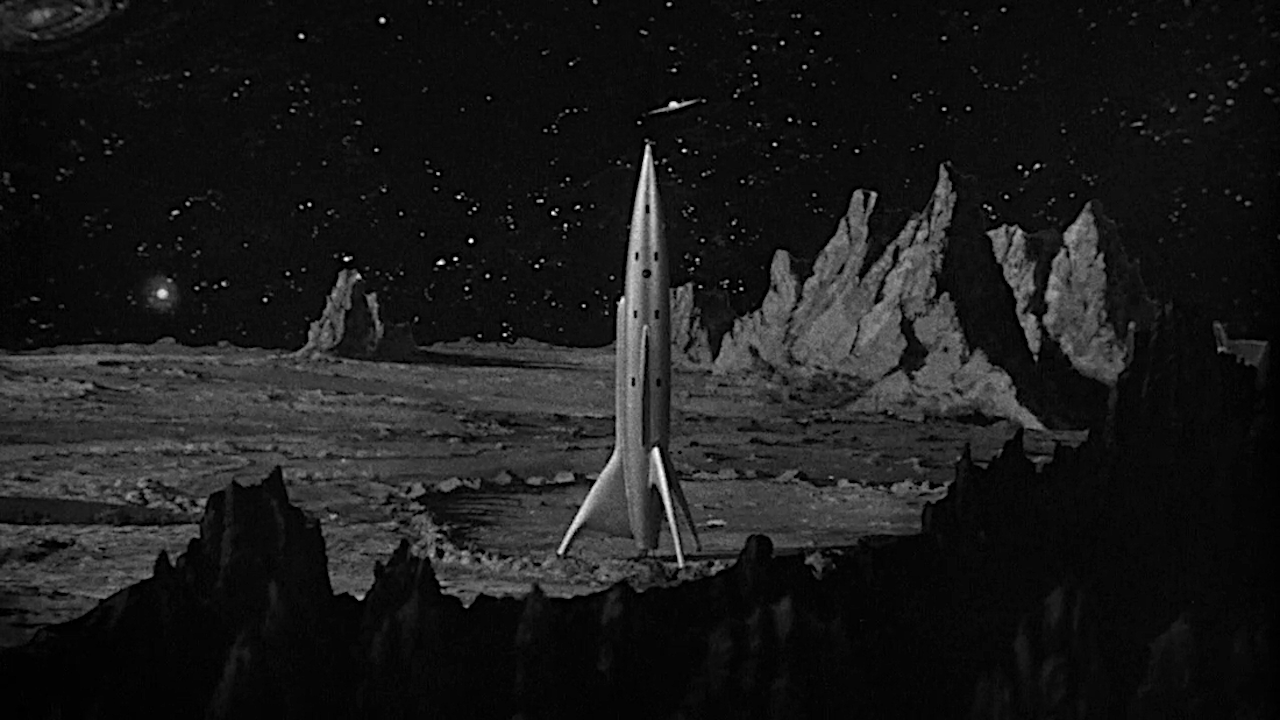
- Challenge 142 (It, The Terror from Beyond Space, 1956): Set in a speculative 1973, this rescue rocket ship serves as a cautionary tale regarding interstellar retrieval missions. After recovering personnel from Mars, the vessel becomes compromised by an aggressive reptilian organism. The narrative established early cinematic templates for the "stowaway monster" scenario, emphasizing the vulnerabilities of early metallic hull designs against unknown biological threats.
- Rama (Rendezvous with Rama, 1973): Arthur C. Clarke’s seminal novel introduced a structural departure from traditional monster narratives. Rama is a massive, cylindrical alien artifact measuring 31 miles in length, entering Earth’s solar system with automated functionality. Rather than housing an active biological threat, Rama presents an environment of inscrutable scale and automated systems. The vessel’s vast internal sea, geometric cityscapes, and bio-machines forced exploring astronauts to confront the limits of human comprehension, establishing a benchmark for "Big Dumb Object" science fiction.
The Late 20th Century Shift Toward Industrial Horror
Following the release of landmark films in the late 1970s and 1990s, the genre shifted away from clean, optimistic space exploration toward industrial squalor and existential dread.
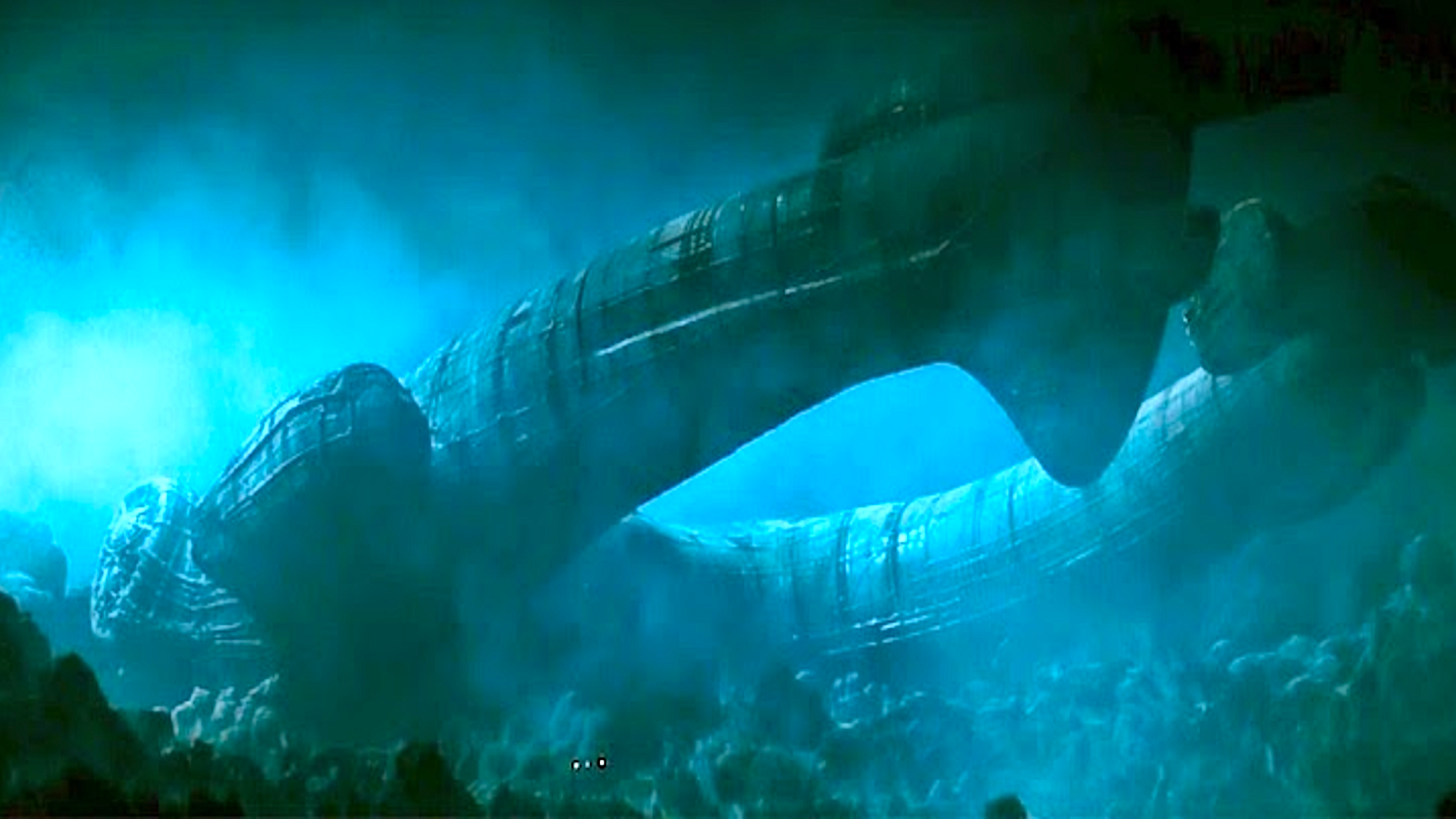
- The Derelict (Alien, 1979): Ridley Scott’s depiction of the Engineer spacecraft on the planetoid LV-426 redefined the visual language of cinematic sci-fi. Characterized by organic, biomechanical architecture and an ominous warning beacon misinterpreted as an SOS, the horseshoe-shaped vessel houses fossilized remains and organized rows of xenomorph egg pods. The implications of the vessel—functioning as a crashed bomber carrying a biological weapon—set a new standard for cosmic horror.
- The Shenandoah (Creature, 1985): Operating within the commercial space exploration subgenre, this prospecting vessel sent by a corporate entity to Saturn’s moon, Titan, explores the dangers of corporate espionage and archaeological excavation. Discovering a slaughtered rival crew, the Shenandoah highlights the perilous intersection of commercial greed and unknown extraterrestrial life.
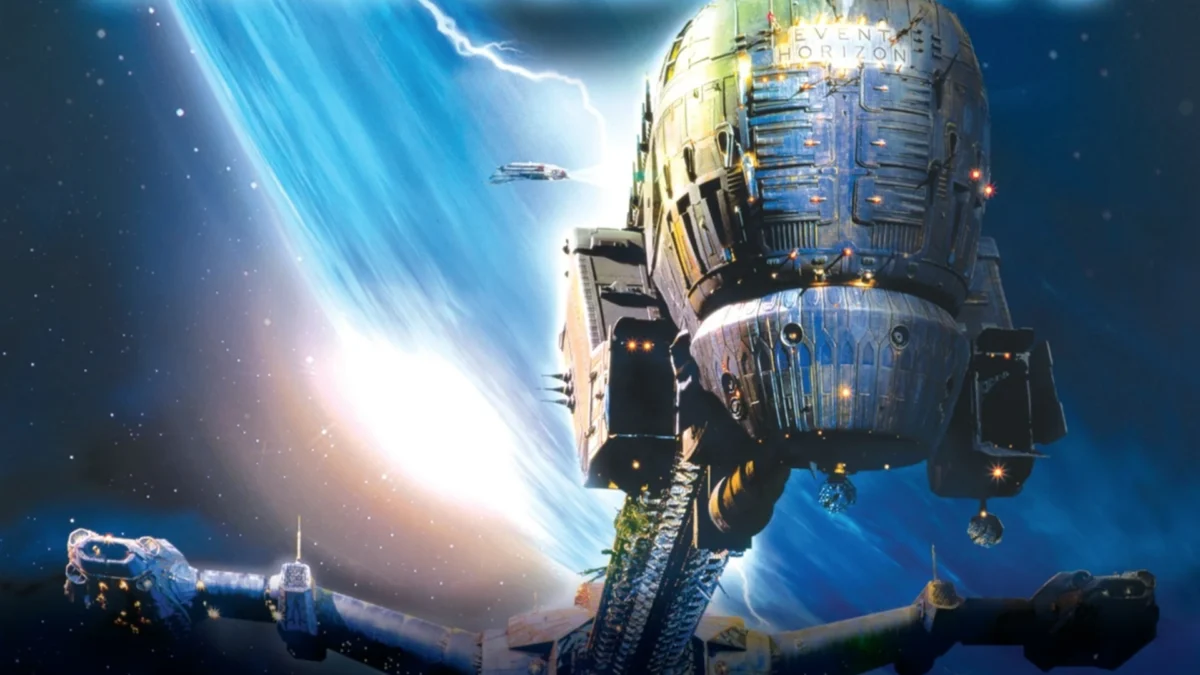
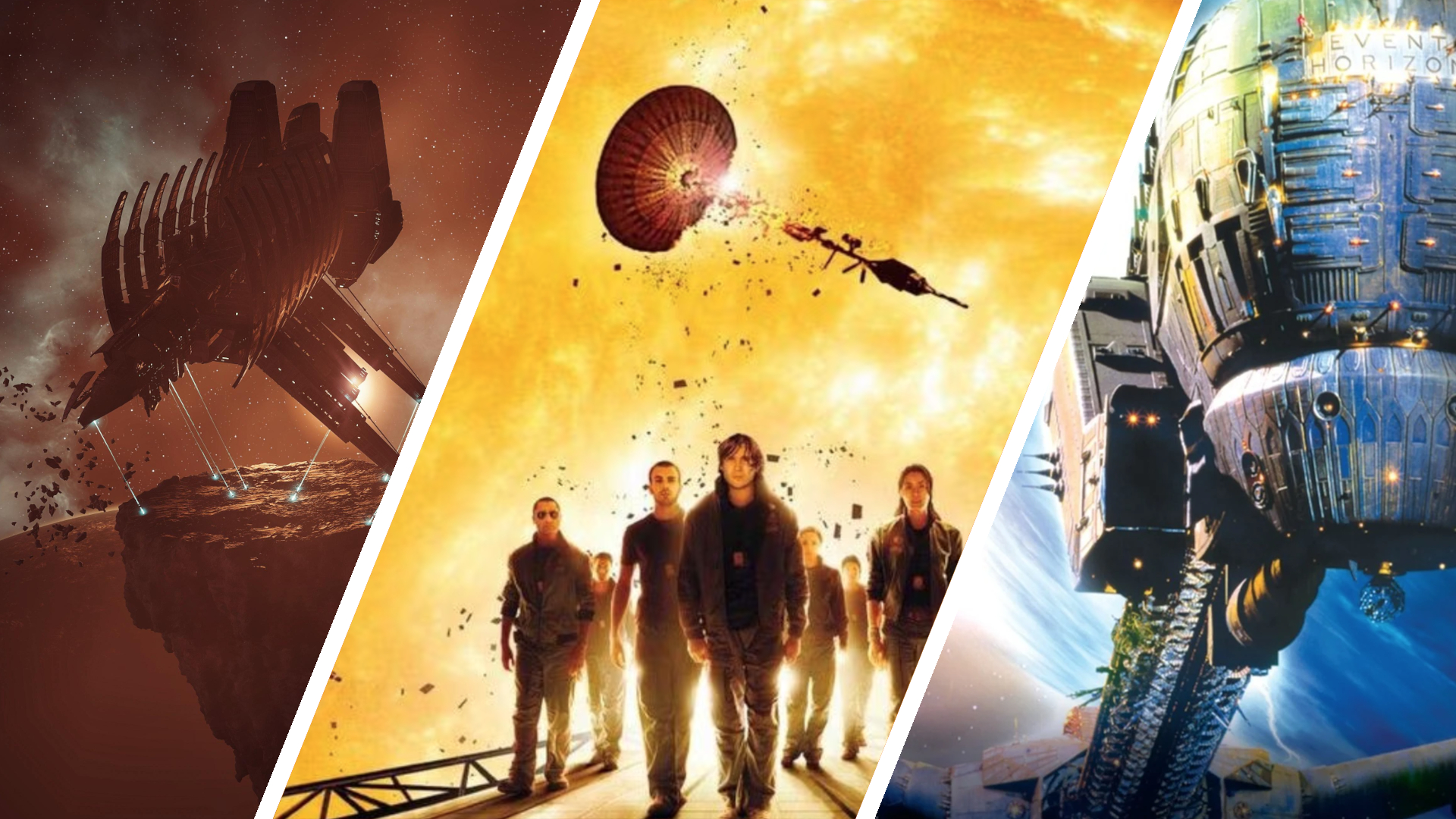
- The Event Horizon (Event Horizon, 1997): Designed explicitly around the architectural motifs of the Notre Dame cathedral, this gravity-drive vessel disappeared near Neptune and returned years later carrying a malevolent presence. The narrative explores the physical and psychological consequences of experimental faster-than-light travel, with the ship itself acting as a sentient antagonist that tortures its rescue crew through hallucinations and physical trauma.
Contemporary Explorations in Gaming and Television
Modern iterations of the trope have expanded into long-form television and interactive gaming, allowing for deeper environmental storytelling.
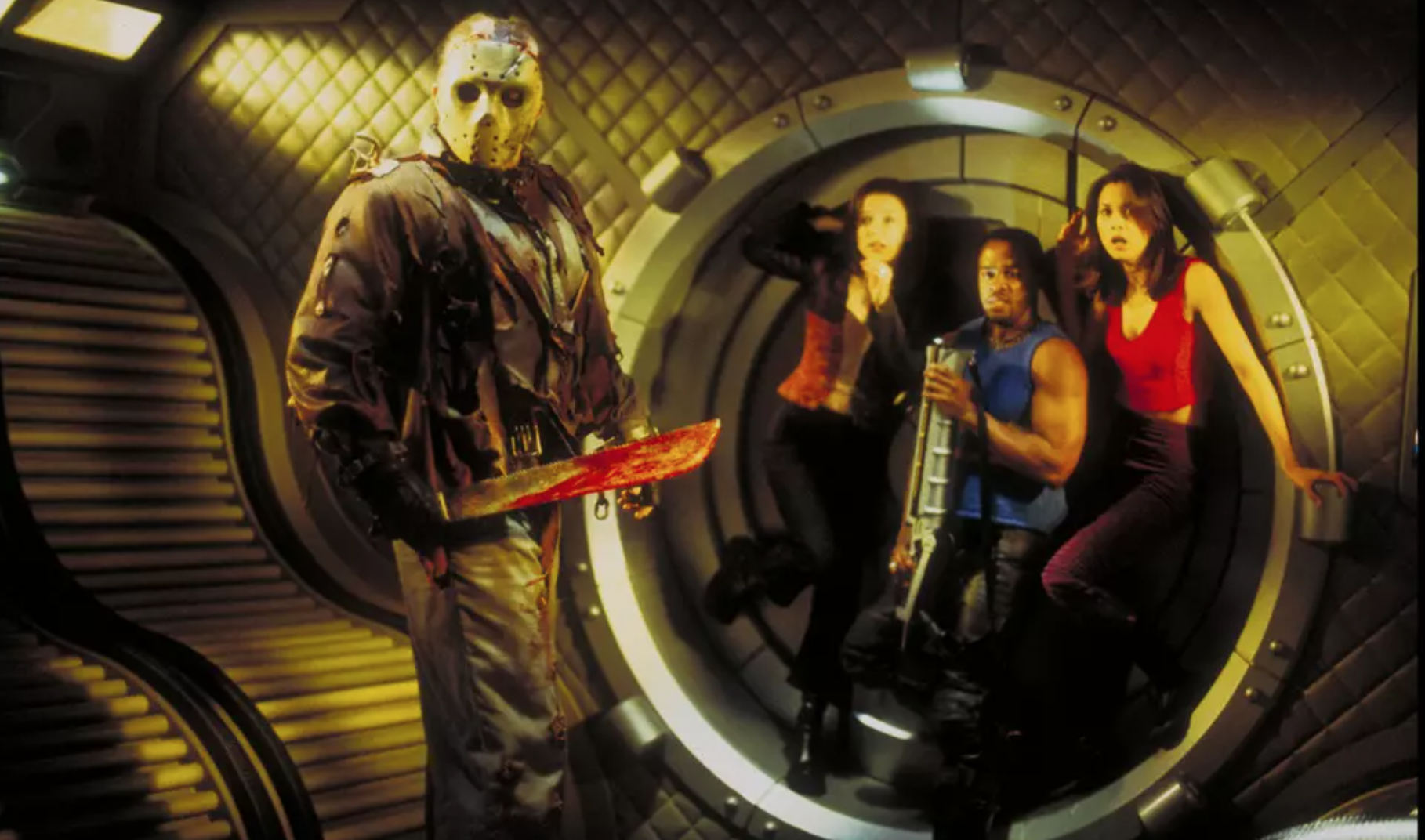
- The Grendel (Jason X, 2002): A 25th-century medical research vessel tasked with transporting a cryogenically frozen subject from Earth to a terraformed colony. The presence of the uncontainable slasher antagonist transforms a standard scientific transport into a survival horror environment, demonstrating the absurdity of applying bureaucratic containment protocols to supernatural entities.
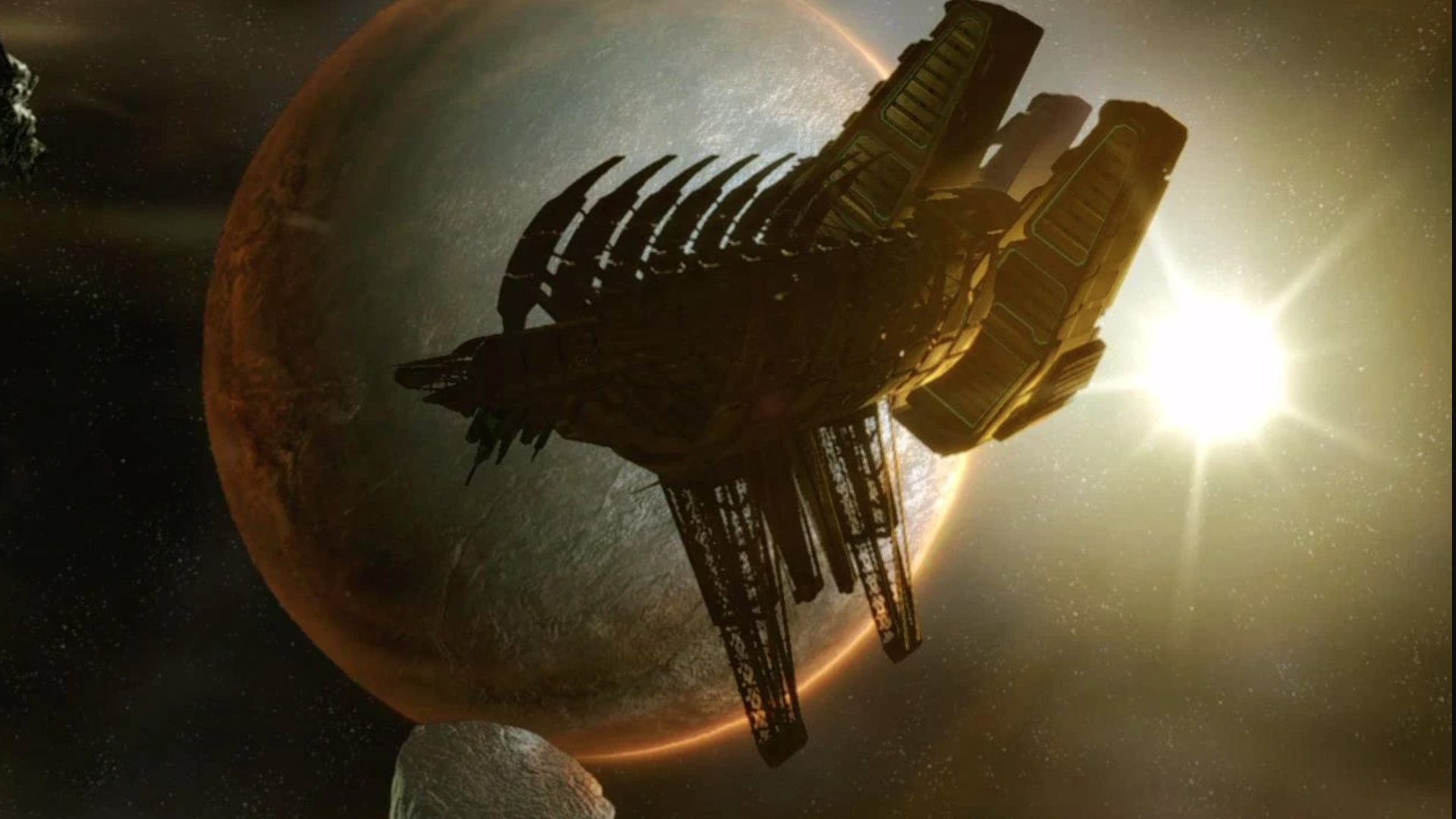
- USG Ishimura (Dead Space, 2008): As a Concordance Extraction Corporation "Planet Cracker"-class mining ship, the Ishimura represents industrial overreach on a colossal scale. Following the recovery of an alien artifact known as the Marker, the vessel succumbs to psychological breakdown and the reanimation of dead tissue into Necromorphs. The ship’s sprawling, gothic-industrial corridors provide a detailed look at systemic institutional failure under corporate directives.
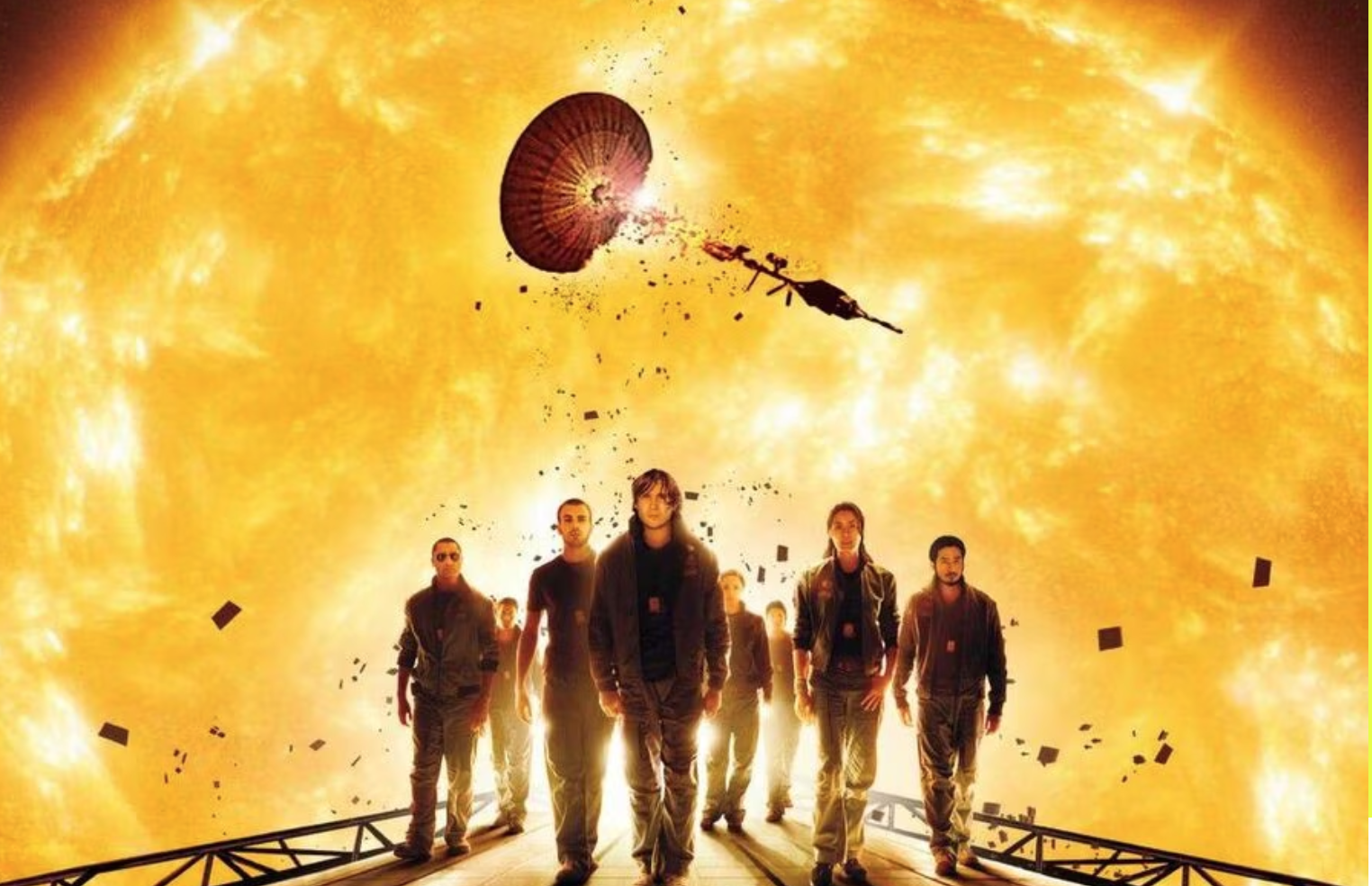
- Icarus 1 (Sunshine, 2007): Tasked with delivering a stellar payload to revitalize a dying sun, the Icarus 1 failed due to psychological degradation of its crew, who became consumed by exposure to solar radiation. The derelict vessel serves as a study in isolation, religious mania, and the psychological toll of deep-space missions.
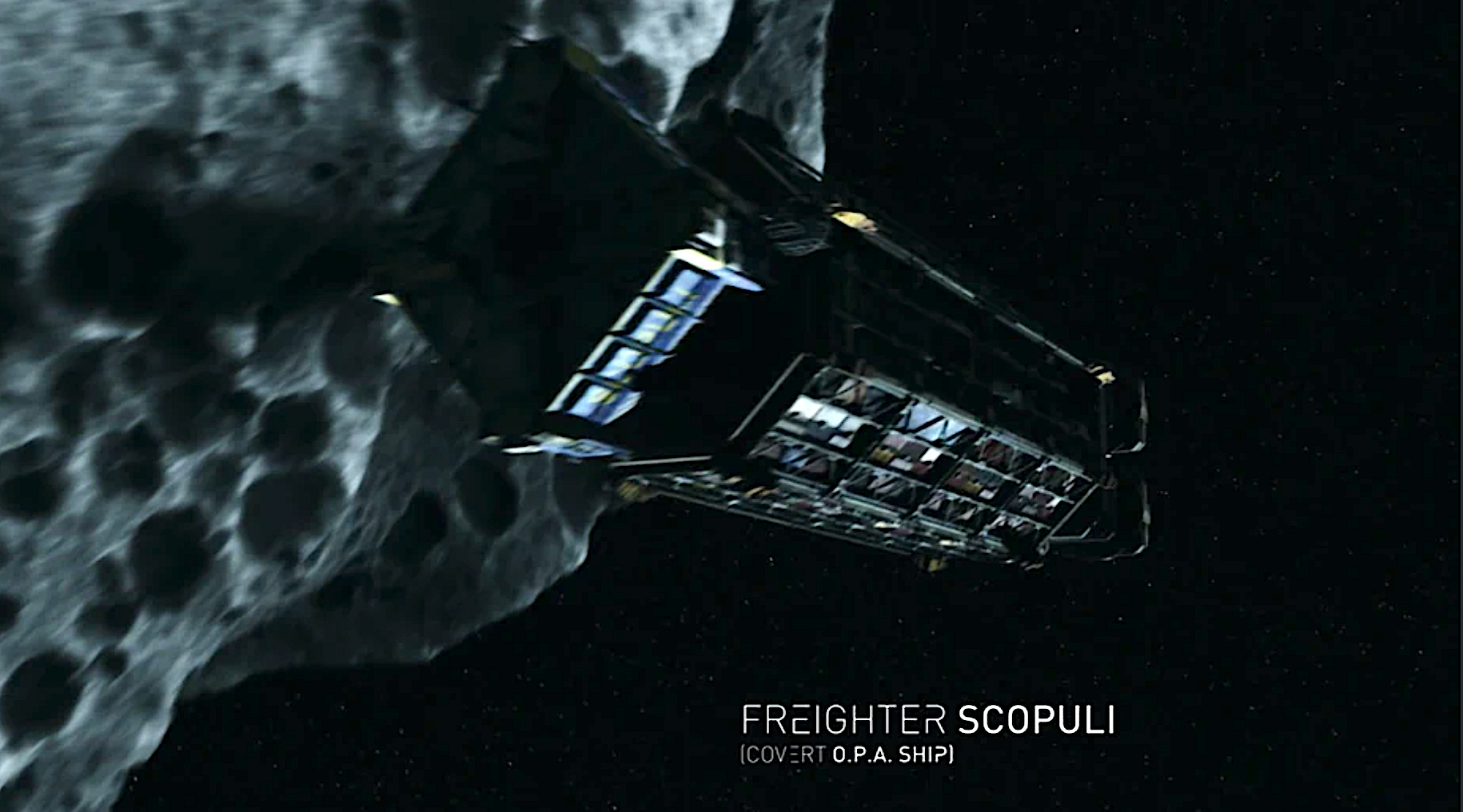
- The Scopuli (Leviathan Wakes / The Expanse, 2011): This Martian light freighter, utilized by the Outer Planets Alliance and subsequently hijacked by the corporate security firm Protogen, serves as the narrative catalyst for a solar system-wide conflict. Infected with the protomolecule—an alien biotechnological substance—the vessel exemplifies how biological contamination can be weaponized by corporate factions for geopolitical leverage.
Analytical Implications of the Derelict Trope
The persistence of these narratives within popular culture points to a fundamental human fascination with the limits of exploration. Across all evaluated examples, the central conflict arises not merely from the presence of a hostile entity or environment, but from the decision of human characters to override institutional caution in pursuit of profit, knowledge, or rescue.
The analytical consensus across literary and cinematic critiques suggests that these spaceships function as mirrors for human anxieties regarding technology. Whether representing the absolute coldness of an uncaring universe (as seen in Rendezvous with Rama), the dangers of unchecked corporate exploitation (as seen in Dead Space and The Expanse), or the horrors of scientific hubris (Event Horizon and Alien), the derelict spacecraft remains a foundational pillar of speculative fiction, warning contemporary audiences of the perils that await beyond the safety of known space.