Arts & Entertainment: A Deep Dive into the Spectrum of Human Expression and Leisure
The realm of arts and entertainment encompasses the vast landscape of human creativity, skill, and the diversions that enrich our lives. From the profound emotional resonance of a symphony to the escapist thrill of a blockbuster film, this category serves as a mirror reflecting societal values, historical contexts, and individual aspirations. It’s a dynamic and multifaceted domain, constantly evolving with technological advancements and shifting cultural paradigms, offering an unending wellspring of inspiration, education, and sheer enjoyment. The exploration of arts and entertainment is not merely a passive consumption of experiences; it is an active engagement with ideas, aesthetics, and the very fabric of what it means to be human. This article will delve into the core components of this expansive category, examining its various forms, its impact on individuals and society, and its enduring significance in the modern world. Understanding the nuances of arts and entertainment is crucial for artists and creators seeking to connect with audiences, for businesses aiming to capture consumer attention, and for individuals looking to navigate and appreciate the richness of their cultural surroundings.
At its most fundamental level, arts and entertainment can be broadly categorized into several primary branches. Visual Arts represent the oldest form of human expression, encompassing painting, sculpture, drawing, photography, and digital art. These disciplines engage the sense of sight, utilizing color, form, composition, and texture to convey meaning, evoke emotion, or document reality. Contemporary visual arts push boundaries, incorporating new media, interactive installations, and conceptual frameworks that challenge traditional notions of what constitutes art. The art market, galleries, and museums serve as crucial hubs for the exhibition, preservation, and dissemination of visual art, fostering dialogue and critical engagement. The digital revolution has profoundly impacted visual arts, with the rise of digital painting, 3D modeling, and virtual reality art installations offering entirely new avenues for creation and experience. Online galleries and marketplaces have democratized access, allowing artists to reach global audiences and collectors to discover emerging talent.
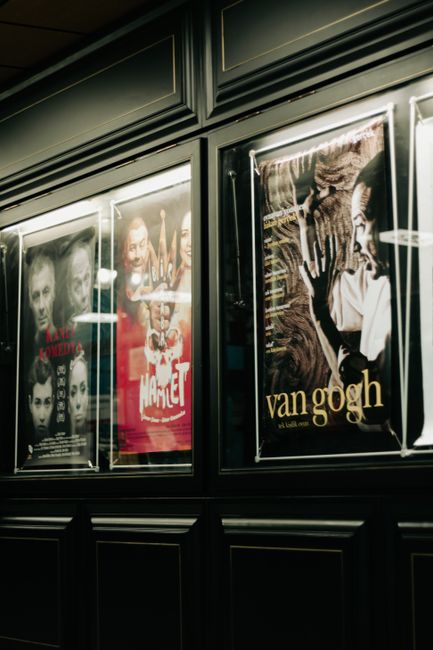
Performing Arts encompass disciplines that are presented live to an audience, requiring the physical presence of performers. This category includes theatre, dance, music, opera, and live comedy. Theatre, with its roots in ancient rituals and storytelling, continues to be a powerful medium for exploring human drama, social commentary, and historical narratives. Diverse theatrical traditions, from Shakespearean epics to avant-garde experimental pieces, offer a wide spectrum of artistic experiences. Dance, a universal language of the body, explores movement, rhythm, and narrative through various forms, including ballet, contemporary, hip-hop, and cultural folk dances. Music, perhaps the most universally accessible art form, spans an immense range of genres, from classical compositions and intricate jazz improvisations to electrifying rock concerts and intimate acoustic sets. The collaborative nature of performing arts, where artists work together to create a cohesive and impactful experience, is a defining characteristic. Live music events, from intimate club gigs to massive stadium tours, remain a cornerstone of the entertainment industry, offering a shared emotional and energetic connection between performers and audiences.
Literature, encompassing poetry, fiction, and non-fiction, is a cornerstone of human intellectual and emotional engagement. Through the written word, authors explore the depths of human experience, construct elaborate worlds, and grapple with complex ideas. Novels, short stories, and plays offer narrative journeys, while poetry distills emotion and imagery into potent linguistic expressions. Non-fiction, including essays, biographies, and historical accounts, provides insights into the world around us. The publishing industry, both traditional and digital, plays a vital role in bringing literary works to readers, with bookstores, libraries, and online platforms facilitating access. The rise of e-books and audiobooks has further expanded the reach and accessibility of literature, catering to diverse reading preferences and lifestyles. Literary festivals and awards celebrate authors and foster critical discussion, contributing to the ongoing evolution of literary discourse.
Film and Television have emerged as dominant forces in contemporary arts and entertainment, offering immersive visual narratives that captivate billions worldwide. Filmmaking, a complex collaborative art form, combines visual storytelling, acting, directing, cinematography, editing, and sound design to create compelling cinematic experiences. From Hollywood blockbusters to independent art-house cinema, film offers a vast array of genres and styles, exploring everything from thrilling action and poignant drama to thought-provoking science fiction and lighthearted comedy. Television, initially a broadcast medium, has undergone a revolution with the advent of streaming services, leading to a surge in high-quality original programming and a diversification of storytelling approaches. The rise of binge-watching and on-demand viewing has fundamentally altered consumption patterns, creating a global appetite for serialized narratives and niche content. The impact of these mediums extends beyond entertainment, often influencing cultural trends, shaping public opinion, and serving as a powerful tool for social commentary.
Digital Arts and Interactive Entertainment represent the cutting edge of the arts and entertainment landscape, driven by rapid technological innovation. Video games, once a niche hobby, have evolved into a multi-billion dollar industry, offering increasingly sophisticated narratives, stunning visual fidelity, and complex gameplay mechanics. The social aspect of gaming, with online multiplayer experiences and esports competitions, has created new forms of community and competition. Beyond gaming, digital arts encompass a broad spectrum of creative endeavors, including digital animation, virtual reality (VR) and augmented reality (AR) experiences, interactive installations, and online content creation platforms like YouTube and TikTok. These platforms have empowered a new generation of creators, democratizing content production and distribution, and fostering direct engagement with audiences. The convergence of art, technology, and social interaction is a defining characteristic of this dynamic and rapidly evolving sector.
The impact of arts and entertainment on individuals and society is profound and far-reaching. On an individual level, engagement with the arts can foster empathy, critical thinking, creativity, and emotional intelligence. It offers a means of escapism, stress relief, and personal growth. For many, artistic pursuits provide a sense of purpose and identity, offering avenues for self-expression and connection with like-minded individuals. Beyond personal enrichment, arts and entertainment play a vital role in shaping societal values, fostering cultural understanding, and driving social change. They can challenge established norms, provoke important conversations, and unite communities around shared experiences. The creative industries are also significant economic drivers, generating employment, tourism, and revenue. The concept of cultural capital, popularized by sociologist Pierre Bourdieu, highlights how engagement with arts and culture can confer social status and advantage. Understanding and appreciating diverse artistic traditions can break down barriers and foster a more inclusive and interconnected global society.
The economic landscape of arts and entertainment is complex and multifaceted. It involves a vast ecosystem of creators, producers, distributors, exhibitors, and consumers. The traditional models of funding and distribution, such as ticket sales, album purchases, and book sales, are increasingly augmented and disrupted by digital platforms, streaming services, and crowdfunding. Intellectual property rights, licensing, and royalties are crucial legal and economic considerations for creators. The rise of the creator economy, where individuals leverage online platforms to monetize their creative output, has democratized entrepreneurship within the arts and entertainment sectors. Marketing and promotion play a pivotal role in reaching target audiences and building brand awareness, with digital marketing, social media engagement, and influencer collaborations becoming increasingly important strategies. The intersection of technology and entertainment, particularly with advancements in AI-generated content and immersive technologies, promises to further reshape the economic dynamics of this industry.
The future of arts and entertainment is undeniably intertwined with technological advancement. Artificial intelligence is poised to play an increasingly significant role in content creation, from generating music and art to writing scripts and developing game narratives. Virtual and augmented reality technologies offer the potential for entirely new forms of immersive storytelling and interactive experiences, blurring the lines between the physical and digital realms. The continued evolution of streaming platforms and on-demand content delivery will further shape consumption habits. As technology advances, the accessibility and democratizing potential of arts and entertainment will likely continue to grow, empowering more individuals to create, share, and engage with artistic expression. However, questions surrounding authorship, intellectual property, and the ethical implications of AI in creative processes will become increasingly important to address. The ongoing dialogue between human creativity and technological innovation will define the next chapter of arts and entertainment.