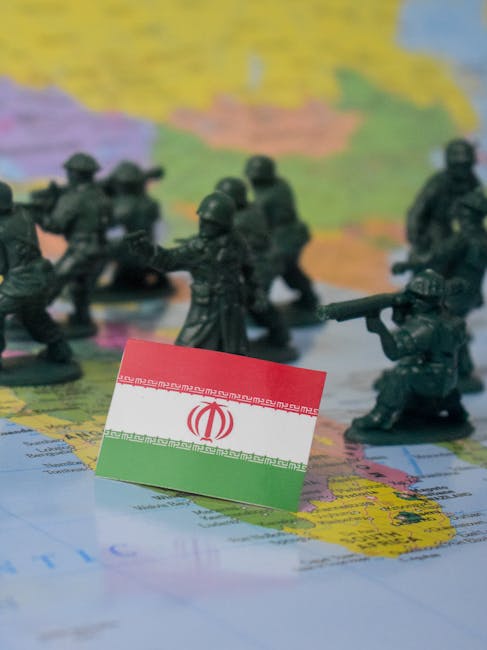
Military Politics: Power, Strategy, and the State
Military politics is the intricate and often clandestine interplay of power, strategy, and influence between military institutions and political structures within a state. It encompasses the mechanisms by which military forces shape, and are shaped by, governmental decisions, national policy, and international relations. This domain is not merely about battlefield tactics or uniformed hierarchies; it extends to the allocation of resources, the formulation of defense doctrines, the conduct of foreign policy, and the very legitimacy of political authority. At its core, military politics examines how the coercive capabilities of the state, embodied by its armed forces, are integrated into the broader political system, influencing both domestic stability and global power dynamics. Understanding this nexus is crucial for comprehending the historical evolution of states, the causes and consequences of conflict, and the challenges of maintaining peace and security in an ever-changing world. The involvement of the military in politics can range from advisory roles and policy recommendations to direct intervention and the establishment of military regimes, each with distinct implications for governance, human rights, and economic development.
The relationship between the military and the political realm is deeply rooted in the concept of state sovereignty. The monopoly on the legitimate use of force, as theorized by Max Weber, is a defining characteristic of the modern state. This monopoly is exercised by the military, placing it in a unique position of power. The nature of this power, however, is not absolute but is inherently mediated by political control. The degree of civilian oversight over the military is a critical indicator of a healthy democratic system. In a well-functioning democracy, the military is subordinate to elected civilian leadership, which sets strategic objectives, authorizes military operations, and controls the defense budget. This civilian control ensures that military power serves national interests as defined by the citizenry, rather than becoming an independent force pursuing its own agenda. The mechanisms of civilian control are diverse, including legislative oversight committees, ministerial appointments, and a strong tradition of civil-military dialogue. Conversely, a weak or absent civilian control can lead to a militarized state, where military considerations dominate political decision-making, often at the expense of democratic norms and societal well-being.
The influence of military politics extends significantly to the realm of defense spending and resource allocation. Military institutions, by their very nature, require substantial financial and material resources to maintain readiness, procure advanced weaponry, and conduct operations. This demand creates a constant tension with other societal needs, such as healthcare, education, and infrastructure. The military’s political influence can manifest in its ability to lobby for increased budgets, secure favorable contracts for defense industries, and shape public perception of security threats. This dynamic can lead to what is often termed the "military-industrial complex," a symbiotic relationship between the military, defense contractors, and political figures, where each benefits from sustained high levels of military spending. The economic implications of this can be profound, diverting capital from potentially more productive sectors and contributing to national debt. Furthermore, the prioritization of military expenditures can have a direct impact on social welfare programs and the overall quality of life for citizens. Political leaders must navigate this complex landscape, balancing legitimate security concerns with the imperative of responsible fiscal management and the equitable distribution of national resources.
The formulation and execution of national security strategy represent a crucial intersection of military and political power. Military leaders, with their expertise in defense capabilities and operational planning, provide essential input into strategic decision-making. However, the ultimate authority to define national interests, assess threats, and chart a course of action rests with political leadership. This process involves the articulation of strategic goals, the identification of potential adversaries, the development of military doctrines, and the deployment of forces. Military politics plays a significant role in shaping these strategies, with different factions within the military and political establishment advocating for distinct approaches. For example, some may favor a more interventionist foreign policy, while others advocate for a more defensive posture. The influence of defense industries and think tanks, often funded by military interests, can also shape the discourse around national security, potentially prioritizing certain threats or solutions over others. The effectiveness of a nation’s security strategy hinges on the ability of its political leadership to harness military expertise while maintaining strategic autonomy and aligning military action with broader political objectives and ethical considerations.
The phenomenon of coups d’état and military intervention in politics is a stark manifestation of military power overstepping its constitutional boundaries. In countries with weak democratic institutions, persistent political instability, or deep societal divisions, the military can emerge as a decisive actor. Coups are typically carried out by a faction of the armed forces, often led by high-ranking officers, who seize political power through force or the threat of force. The motivations behind such interventions can vary, ranging from perceived corruption and economic mismanagement by civilian governments to a desire to impose order or a specific political ideology. Military regimes, once in power, often suspend constitutional rule, suppress dissent, and implement policies that reflect their organizational culture and priorities. The consequences of military rule are frequently detrimental to human rights, democratic freedoms, and economic development. While some military regimes may initially promise stability and efficiency, they often struggle with legitimacy, face internal divisions, and can become isolated from the international community. The transition back to civilian rule from military governance is often a protracted and challenging process, marked by negotiations, reforms, and efforts to rebuild democratic institutions.
The relationship between the military and intelligence agencies is another critical facet of military politics. Intelligence gathering, analysis, and covert operations are integral to national security and are often closely intertwined with military planning and execution. Military intelligence units are responsible for collecting information on potential adversaries, assessing enemy capabilities, and supporting battlefield operations. Simultaneously, national civilian intelligence agencies gather broader intelligence on political, economic, and social trends that could affect national security. The dynamics between these entities can be complex, involving competition for resources, differing perspectives on threats, and potential disagreements over policy. Military leaders may advocate for more aggressive intelligence gathering or covert actions based on perceived military necessities, while civilian intelligence agencies might emphasize a broader strategic context and the potential diplomatic ramifications. The effectiveness of a nation’s intelligence apparatus and its ability to inform sound policy decisions depend on clear lines of authority, robust interagency cooperation, and effective civilian oversight that ensures intelligence is used responsibly and ethically.
Civil-military relations, as a field of study, delves into the ongoing dialogue and power dynamics between the armed forces and the civilian leadership. This relationship is not static but evolves in response to domestic and international developments. In countries with a strong democratic tradition, civil-military relations are characterized by mutual respect, clear lines of authority, and a shared understanding of the military’s role in a democratic society. Civilian leaders are responsible for setting policy and strategic direction, while the military provides professional advice and executes operations within those parameters. In less stable environments or during times of conflict, the military’s influence can increase, potentially challenging civilian authority. The professionalization of the military, meaning its adherence to norms of political neutrality and obedience to civilian command, is a crucial factor in fostering healthy civil-military relations. Education, training, and a culture that emphasizes subordination to elected officials are vital for ensuring the military remains a servant of the state, not its master.
The impact of military politics on foreign policy and international relations is profound. The military’s capacity for projecting power and its role in national defense inevitably shape a nation’s interactions with other states. Military strength can be a deterrent to aggression, a tool for diplomacy, and a means of enforcing international norms. However, the influence of military considerations on foreign policy can also lead to an overemphasis on military solutions to complex geopolitical problems. Defense budgets, arms sales, and military alliances are all areas where military politics directly influences a nation’s global posture. The involvement of the military in foreign policy decision-making, particularly in democracies, requires a careful balance between strategic imperatives and diplomatic engagement. The potential for military interventions to destabilize regions, provoke retaliatory actions, and escalate conflicts underscores the need for robust civilian leadership in guiding foreign policy. Understanding the interplay of military power and diplomatic strategies is essential for navigating the complexities of the international system.
The evolving nature of warfare and security threats continues to reshape military politics. The rise of non-state actors, asymmetric warfare, cyber warfare, and the proliferation of advanced technologies present new challenges for both military institutions and political leadership. These changes necessitate a constant re-evaluation of defense strategies, resource allocation, and the very role of the military in society. For instance, the increasing reliance on drones and unmanned systems raises questions about accountability, human oversight, and the ethical implications of remote warfare. Cyber threats require new forms of defense and offense, blurring the lines between military and civilian domains. Political leaders must grapple with these emerging realities, ensuring that military policy and capabilities are aligned with contemporary threats and do not become obsolete. This often requires significant investment in research and development, as well as a willingness to adapt organizational structures and doctrines. The adaptability of military institutions and their ability to respond to changing geopolitical landscapes are critical to their effectiveness and their continued relevance in the political sphere.
The democratic accountability of military institutions is a cornerstone of modern governance. Ensuring that the military operates within the bounds of law, respects human rights, and remains subject to civilian oversight is a continuous challenge. Transparency in defense budgets, procurement processes, and military operations is crucial for fostering public trust and preventing corruption. Independent oversight bodies, such as parliamentary committees and ombudsmen, play a vital role in scrutinizing military activities and holding those responsible accountable. The media also has a critical function in informing the public about military affairs and acting as a check on potential abuses of power. In societies transitioning to democracy, establishing robust mechanisms for military accountability is a priority for consolidating democratic gains and preventing a relapse into authoritarianism. The commitment to democratic norms and principles must extend to the military, ensuring its actions are in service of the people and the rule of law.
In conclusion, military politics is a multifaceted and dynamic field that permeates virtually every aspect of statecraft. It is the engine that drives the allocation of national resources towards security, shapes foreign policy orientations, and can profoundly influence the trajectory of a nation’s political development. From the intricate dance of legislative oversight to the potential for overt military intervention, the interplay between armed forces and political authority is a constant factor in shaping the global landscape. Effective management of this relationship requires astute political leadership, a commitment to democratic principles, and a clear understanding of the unique power and responsibilities vested in military institutions. The ongoing evolution of security threats and technological advancements ensures that the study and practice of military politics will remain a critical and ever-relevant domain for the foreseeable future.
