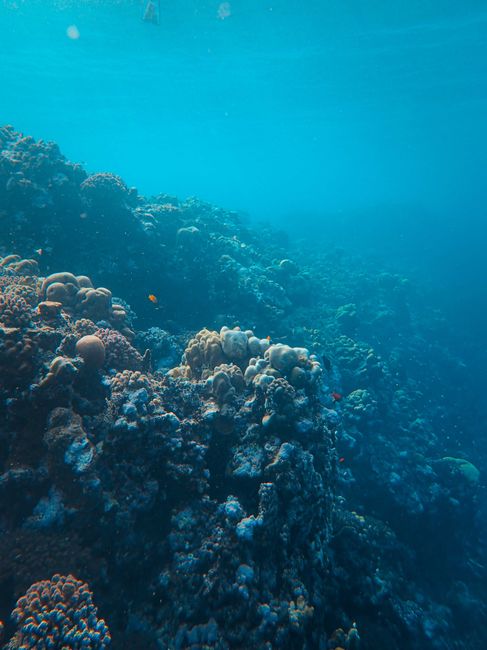
Deepest Animal Colony Ever Discovered: Chinese Submersible Unveils Vibrant Ecosystem Six Miles Beneath the Ocean Surface
The Mariana Trench, a colossal scar on the Earth’s ocean floor, has yielded a groundbreaking discovery: the deepest animal colony ever recorded. A cutting-edge Chinese submersible, the Fendouzhe (Striver), has successfully penetrated the Challenger Deep, the trench’s deepest point, reaching an astonishing depth of approximately 10,900 meters (nearly 7 miles). During its historic dives, the submersible’s advanced imaging and sampling equipment documented an unexpectedly dense and diverse ecosystem, challenging long-held assumptions about the limits of life in extreme environments. The findings reveal a thriving community of organisms, with initial estimates suggesting a minimum of over 1200 distinct individuals observed in a localized area, a testament to the resilience and adaptability of life under immense pressure and complete darkness. This discovery represents a significant leap in our understanding of hadal zone biology and opens new avenues for research into extremophiles and the potential for life on other planets.
The Fendouzhe submersible, a marvel of modern engineering, is equipped with high-definition cameras, sonar systems, robotic arms for sample collection, and sophisticated environmental sensors. Its robust design allows it to withstand the crushing pressures of the hadal zone, where pressures exceed 1,100 atmospheres – equivalent to having 50 jumbo jets stacked on top of a person. The successful deployment and operation of this submersible have been instrumental in bringing the hidden depths of the ocean into clear view. The dives, conducted as part of a broader scientific expedition, focused on meticulously mapping the seafloor and documenting any biological activity. The discovery of a concentrated animal colony was an unexpected but highly significant outcome. This vibrant community was not a scattered collection of solitary individuals but a seemingly organized aggregation, a stark contrast to the sparsely populated abyssal plains.
The dominant organisms observed within this deep-sea colony appear to be a species of amphipod, small, shrimp-like crustaceans, along with various holothurians (sea cucumbers) and other benthic invertebrates. The amphipods, in particular, were present in remarkable numbers. Video footage captured by the Fendouzhe shows them swarming around detritus, demonstrating active foraging behavior. The density of these amphipods suggests a localized abundance of food sources, likely organic matter sinking from the upper layers of the ocean. This "marine snow," composed of decaying organisms, fecal pellets, and other organic debris, is a primary food source for many deep-sea creatures. The presence of such a robust food web, capable of supporting such a dense aggregation of life, is a key finding of this expedition.
Beyond the sheer numbers, the diversity within the observed colony, though initially dominated by amphipods, is also noteworthy. Researchers identified multiple species of holothurians, some of which appear to be new to science. These slow-moving detritivores play a crucial role in sediment turnover and nutrient cycling in the hadal zone. The presence of other, as yet unidentified, invertebrate species further emphasizes the biological richness of this extreme environment. The detailed analysis of collected samples will be critical in classifying these organisms and understanding their specific ecological roles within the colony. The study of their physiological adaptations to extreme pressure, low temperature, and absence of light will offer profound insights into the biochemical and genetic mechanisms that permit life to thrive under such challenging conditions.
The implications of this discovery for astrobiology are profound. The hadal zone, with its extreme pressure, absence of light, and nutrient scarcity, serves as an Earth-bound analog for extraterrestrial environments that might harbor life. Planets and moons with subsurface oceans, such as Europa (a moon of Jupiter) or Enceladus (a moon of Saturn), present similar conditions. The resilience and diversity of life found in the Mariana Trench suggest that life could potentially exist and even flourish in similarly extreme conditions beyond Earth. The study of organisms from the deepest parts of the ocean can inform our search for biosignatures on other celestial bodies and guide the design of future missions aimed at detecting extraterrestrial life.
Ecologically, the discovery challenges the paradigm of the hadal zone as a barren, desolate frontier. While it has long been known that life exists in the deep sea, the existence of such a concentrated and seemingly thriving colony at these depths is unprecedented. It implies that specific microhabitats within the trench can support surprisingly productive ecosystems. Understanding the factors that contribute to the formation and sustenance of these colonies – such as localized nutrient input, geological features, or specific chemical gradients – will be crucial for a comprehensive understanding of hadal zone ecology. This knowledge could also be relevant for predicting the impact of human activities, such as deep-sea mining or pollution, on these fragile and largely unexplored ecosystems.
The successful operation of the Fendouzhe and the subsequent discovery underscore the importance of continued investment in deep-sea exploration technology. The vast majority of the ocean remains unexplored, and it is likely that many more extraordinary discoveries await us in its deepest reaches. The data collected by the submersible, including high-resolution imagery, environmental parameters, and biological samples, will be analyzed by an international team of scientists. This collaborative effort will aim to publish detailed findings in peer-reviewed journals, further disseminating this groundbreaking knowledge to the scientific community and the public. The expedition’s findings are expected to ignite further interest in hadal zone research and inspire future generations of oceanographers and astrobiologists. The technical capabilities demonstrated by the Chinese submersible mark a new era in deep-sea scientific exploration, pushing the boundaries of what we thought possible and revealing the incredible tenacity of life on our planet. The ongoing analysis of the collected specimens and environmental data promises to unlock even more secrets about this newly discovered deep-sea oasis.
